
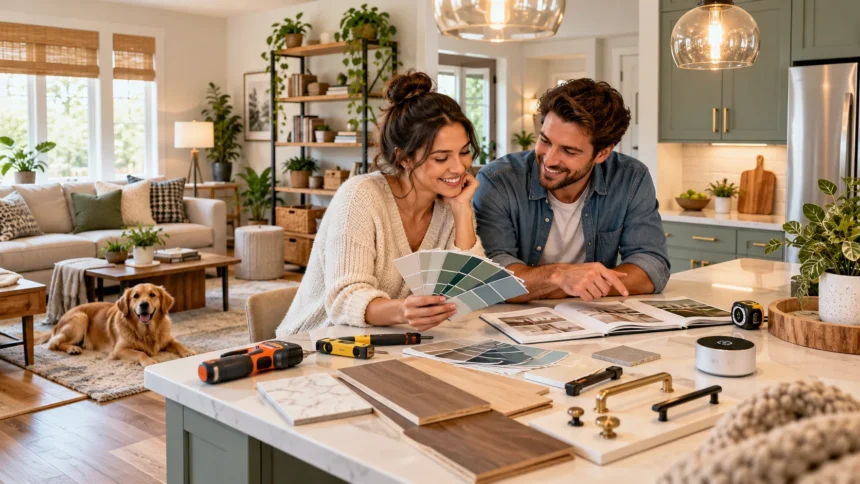
Buying your first home is an exciting milestone, but turning a new property into a comfortable living space often requires thoughtful improvements. Whether you have purchased a newly built house or an older property, certain upgrades can improve safety, functionality, energy efficiency, and everyday comfort. The key is knowing which home improvements deserve attention first.
First-time homeowners often feel pressure to renovate everything immediately. However, making too many changes at once can quickly drain savings and create unnecessary stress. Starting with essential maintenance, affordable upgrades, and practical improvements allows you to personalize your home while managing expenses responsibly.
You will also learn which projects to prioritize, what mistakes to avoid, and how to plan improvements that support long-term property value.
1. Start With Essential Home Safety Upgrades
Safety should be the first priority when improving a newly purchased home. Before investing in decorative renovations, check whether smoke alarms, carbon monoxide detectors, door locks, and other essential safety features are functioning properly. Addressing these items helps create a safer living environment from the beginning.
Inspect accessible electrical outlets, stair railings, exterior pathways, and other frequently used areas for obvious concerns. Older homes may have outdated electrical systems or damaged components that require professional evaluation. If your home inspection identified safety-related repairs, prioritize those recommendations before starting optional cosmetic improvements.
Keep important emergency information and maintenance records in an accessible location. Familiarize yourself with utility shutoffs and the location of your electrical panel, without attempting unfamiliar repairs. Creating a basic safety checklist can make your new home easier to manage and maintain.
2. Change Door Locks and Improve Home Security
Updating exterior door locks is a practical improvement for first-time homeowners. Previous residents, contractors, or other individuals may still possess older keys, making rekeying or replacing locks worth considering. A qualified locksmith can help determine the most suitable and affordable solution for your property.
Inspect exterior doors for damaged frames, loose hardware, and ineffective locking mechanisms. Properly functioning locks, suitable outdoor lighting, and secure windows can improve household security. You may also consider a video doorbell or security camera system that matches your needs and privacy preferences.
Avoid assuming that expensive security equipment is always necessary. Simple improvements such as repairing damaged locks and keeping entrances well illuminated can provide meaningful benefits. Choose security features based on the property’s layout, existing vulnerabilities, and your available home improvement budget.
3. Refresh Interior Walls With New Paint
Interior painting is one of the most affordable upgrades for first-time homeowners. Fresh paint can make rooms feel cleaner, brighter, and more personalized without requiring major construction work. It is particularly useful when the previous owner’s color choices do not match your preferred interior style.
Neutral shades such as warm white, light beige, and soft gray provide flexible backgrounds for furniture and decorations. Accent walls can introduce visual interest without requiring expensive materials. Consider the room’s natural lighting and existing flooring before choosing a final color scheme.
Inspect walls for moisture damage, cracks, or peeling finishes before painting. Older properties may contain coatings that require professional assessment before disturbance. Proper surface preparation and compatible paint products help create a lasting finish while preventing unnecessary repainting expenses.
4. Upgrade to Energy-Efficient LED Lighting
Replacing outdated bulbs with energy-efficient LED alternatives is a simple way to improve household lighting. LED products generally consume less electricity than traditional incandescent bulbs and can last considerably longer. This makes lighting upgrades a practical starting point for homeowners looking to reduce routine energy expenses.
Choose lighting according to the activities performed in each room. Brighter task lighting may work well in kitchens and home offices, while softer lighting can create a comfortable atmosphere in living spaces. Combining ceiling fixtures with table lamps and floor lamps provides greater flexibility.
If existing light fixtures are damaged or outdated, consider replacing them with suitable modern alternatives. Permanent electrical modifications should be handled by qualified professionals. Prioritizing efficient lighting before expensive decorative purchases can help first-time homeowners make immediate improvements with manageable costs.
5. Improve Insulation and Seal Air Leaks
Improving energy efficiency is an important consideration when purchasing an older home. Poor insulation and uncontrolled air leaks can contribute to uncomfortable indoor temperatures and increased utility expenses. Identifying these problems early may help homeowners avoid unnecessary energy waste.
Appropriate weatherstripping around doors and sealing suitable air leaks can improve comfort without major remodeling. Attic insulation may also provide benefits when installed according to building requirements. However, insulation and sealing work should account for ventilation, moisture conditions, and the property’s existing construction.
Before investing in expensive upgrades, consider arranging a home energy assessment. This can help identify improvements with the greatest potential benefit. Focusing on actual performance problems rather than replacing functional components unnecessarily supports better long-term financial decisions.
6. Install a Smart Thermostat
A smart or programmable thermostat can help homeowners manage indoor temperatures more conveniently. Depending on the heating and cooling system, these devices may support scheduled temperature adjustments and energy monitoring. Choosing a compatible model is essential because not every thermostat works with every HVAC arrangement.
Programmable temperature settings can reduce unnecessary heating or cooling during periods when a home is unoccupied. Some devices also offer remote access and reminders for basic system maintenance. Actual energy savings depend on household habits, climate, equipment, and selected settings.
Check the compatibility of existing wiring and heating or cooling equipment before purchasing a replacement thermostat. Professional installation may be appropriate for certain systems. First-time homeowners should focus on features they will use regularly instead of paying extra for unnecessary technology.
7. Make Affordable Kitchen Improvements
Kitchen improvements can make a significant difference in everyday comfort without requiring a complete remodel. First-time homeowners may begin by replacing worn cabinet handles, improving task lighting, or refreshing outdated wall finishes. These relatively small changes can update the kitchen while preserving its existing layout.
If kitchen cabinets remain structurally sound, consider repainting or refinishing them rather than replacing everything. Updating a backsplash or selecting affordable countertops may also improve appearance. Maintaining existing plumbing and appliance locations can help reduce construction costs during smaller kitchen renovations.
Prioritize functionality before investing in decorative features. Drawer organizers, suitable shelving, and convenient preparation areas can improve everyday cooking routines. Repairing essential fixtures and appliances should take precedence over optional upgrades when working with a limited budget.
8. Refresh Bathrooms Without a Complete Remodel
Bathrooms are frequently used areas that deserve attention when moving into a new house. Replacing damaged accessories, updating lighting, and installing a suitable mirror can improve appearance without extensive construction. Smaller improvements may be sufficient when plumbing and existing surfaces remain in good condition.
Inspect bathrooms for leaks, damaged grout, deteriorated sealant, and ventilation problems. Addressing moisture-related issues promptly can help prevent expensive repairs. If fixtures require replacement, consider durable and water-efficient products suitable for your household’s needs.
Avoid moving sinks, toilets, or showers unless the existing layout creates significant functional problems. Relocating plumbing can increase renovation expenses considerably. Maintaining the original arrangement while upgrading selected fixtures is often a practical approach for first-time homeowners.
9. Replace Worn Flooring With Durable Materials
Flooring plays an important role in home comfort, appearance, and maintenance. If your new property contains damaged carpet, worn laminate, or unsuitable flooring, replacement may be worthwhile. However, functional surfaces do not necessarily require immediate removal simply because they look outdated.
Budget-friendly flooring options include laminate, luxury vinyl plank, and selected ceramic tiles. Each material has different advantages related to durability, moisture resistance, and installation requirements. Choosing products based on room usage helps homeowners avoid unnecessary maintenance and premature replacement.
Before replacing flooring, inspect the condition of the underlying surfaces. Moisture damage, uneven subfloors, and structural concerns should be addressed before installation. When existing hardwood remains suitable, professional refinishing may provide an attractive alternative to complete replacement.
10. Add Practical Storage Solutions
Many first-time homeowners discover that their new property has less storage than expected. Limited closets, small kitchens, and cluttered utility spaces can make everyday organization difficult. Adding practical storage solutions helps improve functionality without requiring major structural changes.
Floating shelves, modular cabinets, drawer organizers, and under-bed containers can increase usable storage. Freestanding shelving units also provide flexibility because they can be rearranged as household needs change. Choose products according to the items you actually own rather than purchasing unnecessary decorative organizers.
Focus on keeping frequently used belongings accessible and reducing clutter in shared living spaces. Existing cupboards may become more useful with adjustable shelving and improved hardware. Small organizational improvements can make a new house feel more comfortable without significant renovation expenses.
11. Upgrade Kitchen and Bathroom Faucets
Replacing damaged or inefficient faucets can improve both functionality and appearance. Older fixtures may have persistent leaks, worn handles, or inconvenient designs that make everyday tasks frustrating. Updating these components is often less expensive than remodeling an entire kitchen or bathroom.
Water-efficient faucets and suitable aerators may help reduce unnecessary water consumption. Choose fixtures that match existing sink configurations and plumbing connections whenever possible. Checking compatibility before purchasing prevents installation problems and additional expenses.
Inspect plumbing connections for leakage or deterioration when planning fixture improvements. Some replacements may be straightforward, while others require a qualified plumber. Prioritizing reliable products and proper installation can help reduce maintenance problems after moving into your first home.
12. Improve Home Ventilation and Indoor Air Quality
Good ventilation contributes to a more comfortable indoor environment. Bathrooms, kitchens, and laundry areas may produce moisture that needs appropriate management. First-time homeowners should evaluate whether existing ventilation equipment functions correctly and meets the household’s needs.
Inspect accessible exhaust fans, ventilation openings, and heating or cooling filters according to manufacturer guidance. Replacing suitable filters and addressing malfunctioning ventilation equipment may improve system performance. Persistent condensation or musty odors should be investigated rather than covered with air fresheners.
Major ventilation changes should be evaluated by qualified professionals, particularly in older or tightly sealed homes. Appropriate airflow requirements depend on building design and local conditions. Maintaining existing systems properly is often a sensible first step before investing in expensive equipment.
13. Update Windows and Window Treatments
Windows influence privacy, natural lighting, indoor comfort, and a home’s overall appearance. First-time homeowners can begin by installing suitable blinds or curtains rather than immediately replacing existing windows. These affordable upgrades may improve light control and make rooms feel more personalized.
Inspect windows for damaged seals, difficult operation, moisture problems, and obvious drafts. Minor repairs or appropriate weatherstripping may improve performance at a lower cost than replacement. However, severely damaged components should be evaluated to determine whether repairs remain practical.
Choose window treatments based on room requirements and everyday usage. Bedrooms may benefit from effective light-blocking options, while living rooms often need flexible daylight control. Consider safe cordless designs, particularly in households with young children, to reduce avoidable hazards.
14. Improve Your Home’s Curb Appeal
Exterior improvements can make a newly purchased property feel more welcoming. Simple projects such as cleaning pathways, maintaining landscaping, and repainting an appropriate front door may create noticeable changes. These upgrades are often relatively affordable compared with major exterior remodeling.
Consider updating worn house numbers, outdoor lighting, and entrance accessories. Repairing damaged steps, handrails, and pathways should take priority over decorative landscaping. Functional outdoor improvements help make entrances more convenient while supporting ongoing property maintenance.
Avoid investing heavily in exterior decoration before checking roofing, drainage, siding, and other protective components. Problems affecting the building envelope can create expensive damage when ignored. A maintenance-focused approach helps first-time homeowners improve curb appeal without overlooking essential repairs.
15. Inspect and Maintain the Roof and Gutters
Roofing and drainage maintenance should be an early priority for first-time homeowners. Small leaks or blocked gutters can lead to moisture damage affecting walls, ceilings, and building materials. Identifying these problems promptly may prevent more expensive repairs.
Arrange appropriate roof inspections when the property’s condition or age raises concerns. Qualified roofing professionals can evaluate damaged shingles, flashing, drainage, and other relevant components. Gutters and downspouts should direct rainwater away from vulnerable building areas according to the property’s drainage design.
Avoid climbing onto roofs or attempting unfamiliar repairs yourself. Roofing work can involve significant fall hazards and requires suitable training and equipment. Professional maintenance and timely repairs help protect the property while allowing homeowners to focus their budgets on necessary improvements.
16. Upgrade Essential Home Appliances
Appliances are another important consideration after purchasing your first home. Refrigerators, washing machines, dishwashers, and cooking equipment affect everyday convenience. However, replacing every existing appliance immediately may not be financially necessary.
Assess appliance condition, performance, energy consumption, and repair requirements before purchasing replacements. Functional equipment may continue providing good value when properly maintained. If replacement becomes necessary, compare efficiency ratings, warranties, dimensions, and installation requirements.
Prioritize appliances that are damaged, unreliable, or unsuitable for your household. Ensure replacements fit existing spaces and available utility connections. Carefully selected appliances can improve daily routines without creating unnecessary pressure on your home improvement budget.
17. Create a Functional Home Office Space
A dedicated workspace can be useful for homeowners who study, work remotely, or manage household responsibilities. Creating a home office does not always require converting an entire room. A quiet corner with suitable furniture, lighting, and storage may be sufficient.
Choose a location that supports concentration and comfortable everyday use. Consider available electrical outlets, natural lighting, and furniture dimensions before purchasing equipment. A practical desk arrangement can improve organization without extensive remodeling or permanent changes to the property’s layout.
Start with essential furniture and accessories before adding decorative features. Freestanding shelves, appropriate task lighting, and basic cable organization can make the workspace more functional. Flexible furniture choices allow the area to adapt if household requirements change later.
18. Improve Outdoor Living Areas on a Budget
Outdoor spaces can provide opportunities for relaxation, gardening, and everyday household activities. First-time homeowners may improve patios, balconies, or gardens with basic cleaning, suitable seating, and low-maintenance plants. These upgrades can create more usable outdoor areas without large construction expenses.
Inspect existing decks, steps, and railings before adding decorative furniture. Damaged surfaces and unstable structures should be professionally assessed when necessary. Proper drainage and weather-resistant materials also help protect exterior improvements from premature deterioration.
Start with manageable projects that suit your available time and maintenance preferences. Container gardening, affordable outdoor furniture, and suitable lighting can improve smaller spaces. Avoid complicated landscaping plans until you understand the property’s seasonal conditions and ongoing maintenance needs.
19. Install Water-Saving Fixtures
Water-efficient fixtures can be practical upgrades for homeowners interested in reducing unnecessary consumption. Suitable faucet aerators, showerheads, and toilet replacements may help manage water usage. The potential savings depend on existing equipment, household habits, and local utility rates.
Before replacing functioning fixtures, compare installation expenses with expected benefits. A minor faucet repair may provide better value than purchasing an expensive replacement. Water-saving products should also deliver adequate performance for normal household activities.
Inspect toilets, faucets, and accessible plumbing connections for signs of leakage. Addressing actual water loss may be more important than purchasing new decorative fixtures. Qualified plumbing assistance can help homeowners identify necessary repairs and suitable replacement products.
20. Improve Your Garage and Utility Areas
Garages, laundry rooms, and utility spaces are often overlooked during initial home improvements. However, organizing these areas can make routine maintenance and storage easier. Simple upgrades may include suitable shelving, improved lighting, and clearly arranged household equipment.
Before adding storage systems, evaluate available floor space and the condition of walls or supporting surfaces. Heavy shelving should be installed according to product requirements and suitable structural support. Keep access to electrical panels, utility equipment, and other essential systems unobstructed.
Focus on practical improvements rather than expensive decorative finishes. Durable storage containers, clear labeling, and organized equipment areas may provide sufficient benefits. Improving utility spaces early can make ongoing household maintenance more convenient and reduce unnecessary clutter elsewhere in the home.
21. Plan Smart Home Upgrades Carefully
Smart home technology can improve convenience when selected according to actual household needs. Popular options include video doorbells, smart lighting, programmable thermostats, and compatible home monitoring devices. However, not every connected product is necessary for a comfortable or functional home.
Consider ease of installation, compatibility, privacy controls, and ongoing subscription costs before purchasing smart devices. Some systems require reliable internet connections or specific equipment. Checking these requirements early helps prevent buying products that do not work well together.
Start with one or two useful features rather than installing an expensive collection of devices immediately. Choose products that solve specific problems, such as improving lighting control or monitoring an entrance. Practical technology upgrades should complement basic home maintenance rather than replace it.
22. Prioritize Home Upgrades That Add Long-Term Value
Not every home improvement increases property value by an amount equal to its cost. First-time homeowners should consider which upgrades improve everyday functionality while maintaining broad appeal. Essential repairs, updated kitchens, functional bathrooms, and well-maintained exteriors are often sensible priorities.
The financial return from home improvements depends on neighborhood conditions, local buyer preferences, and renovation quality. Expensive customized features may provide personal enjoyment without delivering equivalent resale value. Understanding this difference helps homeowners make informed spending decisions.
If you expect to sell within a few years, consider consulting a knowledgeable local real estate professional before undertaking major upgrades. For longer-term ownership, personal comfort and maintenance requirements may deserve greater emphasis. The best improvements support your household needs while remaining financially manageable.
23. Set a Realistic First-Time Homeowner Upgrade Budget
A home improvement budget helps prevent unnecessary spending during the first months of ownership. Begin by reviewing available savings, mortgage responsibilities, utility expenses, and expected maintenance costs. Essential household reserves should remain separate from optional remodeling funds.
Create categories for urgent repairs, practical improvements, and decorative upgrades. Obtain detailed estimates before committing to expensive projects, and include allowances for unexpected expenses. Renovations involving older building systems may require additional financial flexibility because hidden problems can arise.
Avoid feeling pressured to renovate every room immediately after moving in. Living in the property for a period can help you understand which improvements matter most. A gradual approach allows homeowners to prioritize spending while maintaining greater financial stability.
24. Avoid Common First-Time Homeowner Renovation Mistakes
One common mistake is starting major renovations before understanding how the house functions. Homeowners may replace usable cabinets or change layouts that would have worked well with smaller improvements. Spending time in the property can help reveal practical issues that deserve attention.
Another mistake is overlooking essential maintenance while investing in decorative upgrades. Roofing problems, plumbing leaks, and unsafe electrical systems should generally receive priority over furniture or finishes. Ignoring these concerns can result in repairs that damage newly completed renovation work.
First-time homeowners should also avoid hiring contractors without checking qualifications, references, and written quotations. Unexpected expenses and unclear agreements can complicate otherwise manageable projects. Careful planning, professional assessments, and realistic expectations help reduce costly remodeling mistakes.
Conclusion
The best home upgrades for first-time homeowners focus on safety, functionality, energy efficiency, and long-term comfort. Improvements such as reliable locks, fresh paint, efficient lighting, and practical storage can make a noticeable difference without extensive remodeling. Starting with essential repairs helps protect your property and renovation budget.
Kitchen updates, bathroom improvements, suitable flooring, and exterior maintenance can also improve everyday living. However, homeowners should evaluate existing conditions before replacing functional materials or equipment. Choosing affordable, durable upgrades allows you to personalize your home while avoiding unnecessary expenses.
Owning your first home is a long-term responsibility, and improvements do not need to happen all at once. Create a realistic budget, prioritize important repairs, and make changes based on how you use the property. With thoughtful planning, you can gradually create a comfortable, efficient, and welcoming home.
Frequently Asked Questions
What Should First-Time Homeowners Upgrade First?
First-time homeowners should prioritize safety and essential maintenance, including locks, alarms, plumbing leaks, and electrical concerns. Once important repairs are addressed, affordable improvements such as painting, lighting, and storage can enhance everyday comfort.
What Are the Cheapest Home Upgrades That Make a Big Difference?
Fresh paint, LED lighting, cabinet hardware, basic storage solutions, and updated window treatments are affordable upgrades. These improvements can refresh interior spaces without requiring extensive construction or expensive replacement materials.
Should You Renovate Immediately After Buying a House?
Essential safety repairs should be addressed promptly, but cosmetic renovations can often wait. Living in the property before making major changes helps homeowners understand their actual needs and avoid unnecessary spending.
Which Home Upgrades Add the Most Value?
Necessary repairs, functional kitchen and bathroom improvements, exterior maintenance, and selected energy-efficiency upgrades may improve property appeal. Actual financial returns depend on project costs, local housing conditions, and buyer preferences.
How Much Should First-Time Homeowners Budget for Upgrades?
The appropriate budget depends on property condition, available savings, and planned improvements. Prioritize essential repairs, obtain contractor estimates, and maintain separate funds for unexpected maintenance before committing to optional remodeling projects.