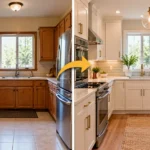


Choosing the best flooring for your kitchen is an important decision because this space experiences frequent foot traffic, spills, cooking activities, and regular cleaning. Kitchen flooring should be durable, comfortable, easy to maintain, and suitable for occasional moisture exposure. The right material can improve both functionality and appearance while supporting your household’s everyday needs.
Homeowners can choose from several popular kitchen flooring materials, including ceramic tile, porcelain tile, luxury vinyl, laminate, hardwood, and natural stone. Each material has different advantages and disadvantages related to water resistance, durability, maintenance, and installation costs. Understanding these differences helps you select flooring that matches your budget and lifestyle.
This guide explores the best flooring options for kitchens, including their pros and cons, costs, maintenance requirements, and long-term performance. You will also learn how different flooring materials compare, which options work well in busy households, and what to consider before replacing your existing kitchen floor.
What Makes a Flooring Material Suitable for Kitchens?
Kitchen flooring should withstand frequent walking, dropped utensils, food spills, and regular cleaning. Moisture resistance is particularly important because sinks, dishwashers, and cooking activities can expose floors to water. Materials that tolerate these conditions generally require fewer repairs and provide more reliable long-term performance.
Durability is another important consideration when selecting kitchen flooring. Certain materials resist scratches and surface wear better than others, while some provide greater comfort underfoot. The best choice depends on household activities, cooking habits, and how frequently the kitchen is used throughout the day.
Homeowners should also evaluate maintenance requirements, installation costs, and appearance. A material that looks attractive in a showroom may require more upkeep than expected. Comparing practical performance with your kitchen’s existing conditions helps you choose flooring that remains comfortable, functional, and visually appealing.
Ceramic Tile Flooring: Affordable and Versatile
Ceramic tile is a popular kitchen flooring option because it offers durability, moisture resistance, and a wide selection of designs. Available in different colors, patterns, and sizes, ceramic tiles complement traditional and contemporary kitchens. Many glazed products provide surfaces that are relatively easy to clean.
One advantage of ceramic flooring is its suitability for areas exposed to everyday kitchen spills. Quality tiles can provide long-lasting performance when properly installed on a prepared surface. However, ceramic tile may crack under strong impacts, and grout joints require regular attention to prevent discoloration.
Ceramic tile can also feel hard and cold underfoot, particularly in cooler climates. Some glossy finishes become slippery when wet, making suitable slip resistance important. Homeowners should compare product ratings, installation expenses, and maintenance requirements before choosing ceramic flooring.
Porcelain Tile Flooring: Durable and Water-Resistant
Porcelain tile is among the most durable kitchen flooring materials available for residential use. It is manufactured to have very low water absorption and generally performs well in moisture-prone environments. Porcelain is available in finishes resembling natural stone, concrete, and wood.
A major advantage of porcelain flooring is its resistance to many everyday scratches, stains, and surface wear. Properly installed tiles can withstand heavy household activity while maintaining their appearance. However, hard impacts may chip individual tiles, and certain textured finishes can require additional cleaning effort.
Porcelain installation can be more expensive than some alternative flooring materials because cutting and handling dense tiles require appropriate equipment. The surface may also feel hard underfoot during extended cooking activities. Choosing a suitable slip-resistant finish helps improve practicality in busy kitchens.
Luxury Vinyl Plank Flooring: Comfortable and Practical
Luxury vinyl plank flooring is a popular option for homeowners seeking attractive kitchen floors with manageable maintenance requirements. Many products feature realistic wood-look designs that complement modern and traditional interiors. Their construction can provide a more forgiving surface underfoot than ceramic or porcelain tile.
One major advantage is that many luxury vinyl products offer excellent water resistance, and some have waterproof surface materials. However, installation details and subfloor conditions still matter because trapped water can damage underlying structures. Properly installed vinyl flooring can be relatively easy to maintain during normal household use.
Luxury vinyl may scratch, dent, or discolor under certain conditions, particularly when exposed to sharp objects or excessive heat. Product quality and wear-layer specifications influence durability. Homeowners should review installation requirements and warranties before choosing vinyl plank flooring for kitchens.
Luxury Vinyl Tile Flooring: Stylish and Budget-Friendly
Luxury vinyl tile provides an alternative to traditional ceramic and stone flooring. It is manufactured in individual tile-shaped pieces with decorative finishes that can resemble marble, slate, or other materials. This makes it attractive for homeowners seeking a stone-inspired appearance without the same installation complexity.
Luxury vinyl tile generally offers comfortable walking surfaces and straightforward cleaning. Certain products can also provide good resistance to everyday spills when installed correctly. Its relatively lightweight construction may make installation more manageable than some heavy natural stone materials.
However, luxury vinyl tile is not completely resistant to scratches, dents, or prolonged moisture beneath the flooring. Some products may also require specific installation adhesives or subfloor preparation. Comparing quality and manufacturer recommendations helps homeowners avoid premature wear or installation problems.
Laminate Flooring: Affordable Wood-Look Design
Laminate flooring is an affordable choice for homeowners who want a wood-inspired kitchen appearance. Modern laminate products are available in different colors, textures, and plank styles. Their durable surface layers can provide good resistance to everyday scratches and general household wear.
One advantage of laminate flooring is its relatively economical material cost compared with many natural hardwood products. Some modern designs also offer improved water resistance. However, water-resistant laminate is not necessarily waterproof, and moisture entering joints or damaged edges can cause swelling.
Homeowners should select laminate specifically approved for kitchen installations. Prompt spill cleanup and appropriate cleaning methods are important for preserving its condition. Laminate may be suitable for households seeking affordable flooring when moisture exposure can be managed effectively.
Hardwood Flooring: Natural Beauty and Long-Term Appeal
Hardwood flooring creates a warm, natural appearance that complements many kitchen designs. Oak, maple, and other hardwood species provide distinctive grain patterns and colors. Properly maintained hardwood floors can last for many years, and some products can be refinished when their surfaces become worn.
One advantage of hardwood flooring is its ability to coordinate with adjoining living and dining spaces. This can create a continuous appearance in open-plan homes. However, wood is sensitive to moisture, and prolonged exposure to water can cause swelling, staining, or warping.
Hardwood floors also require care to prevent scratches and finish damage from everyday kitchen activities. Protective mats and prompt spill cleanup may help reduce wear. Homeowners should consider maintenance requirements and potential moisture risks before choosing hardwood for frequently used kitchens.
Engineered Wood Flooring: Natural Appearance With Added Stability
Engineered wood flooring combines a real wood surface with a layered supporting structure. This construction can provide greater dimensional stability than some solid hardwood products under changing environmental conditions. Engineered wood is available in different species, colors, and finishes suitable for various kitchen styles.
The main advantage is its natural appearance combined with potentially improved resistance to normal humidity fluctuations. Certain products may also be installed over suitable subfloors using different methods. However, engineered wood remains vulnerable to standing water and prolonged moisture exposure.
Refinishing possibilities depend on the thickness of the real wood surface and the manufacturer’s specifications. Some products cannot be sanded repeatedly or may not be suitable for refinishing. Selecting a kitchen-approved product and maintaining appropriate indoor conditions helps protect long-term performance.
Natural Stone Flooring: Premium Appearance and Strength
Natural stone flooring offers distinctive colors, textures, and patterns that can create an attractive kitchen interior. Common materials include slate, granite, limestone, and travertine. Each stone has different properties, making careful selection important for areas exposed to cooking activities and moisture.
Certain natural stones provide excellent durability when properly installed and maintained. Stone flooring can also complement traditional, rustic, and contemporary kitchens. However, some varieties are porous and require sealing to reduce staining and moisture absorption.
Natural stone flooring may be expensive because of material prices, installation complexity, and ongoing maintenance. Some finishes also become slippery when wet. Homeowners should compare the specific stone’s durability, slip resistance, cleaning requirements, and total installation expenses before making a decision.
Concrete Flooring: Modern and Long-Lasting
Concrete flooring is a practical option for kitchens featuring industrial, minimalist, or contemporary designs. Existing concrete slabs can sometimes be finished or polished to create a durable surface. Different stains, coatings, and finishing techniques allow homeowners to customize the appearance.
One advantage of concrete is its strength and resistance to many forms of everyday wear. Proper finishing can make the surface easier to clean and maintain. However, concrete may develop cracks, and certain finishes require sealing or other maintenance to prevent staining.
Concrete floors can feel hard and cold underfoot, which may affect comfort during extended cooking. Professional installation or finishing may also be necessary for consistent results. Homeowners should evaluate existing slab conditions and moisture requirements before choosing exposed concrete flooring.
Cork Flooring: Comfortable and Naturally Warm
Cork flooring is an alternative for homeowners who prioritize comfort underfoot. Its natural cellular structure provides some cushioning and thermal insulation compared with harder materials. Cork can create a warm appearance that suits kitchens where household members spend considerable time standing.
The material may also help reduce certain impact noises during everyday use. However, cork requires appropriate protective finishes because it can absorb moisture and develop stains. Heavy furniture, sharp objects, and repeated impacts may cause dents or surface damage.
Not every cork flooring product is suitable for kitchen environments. Homeowners should choose products approved for the intended application and follow sealing or maintenance instructions. Careful consideration of moisture exposure is important because prolonged water contact can damage the material.
Bamboo Flooring: A Distinctive Wood-Look Alternative
Bamboo flooring offers a natural appearance and is available in various colors and construction styles. Some strand-woven bamboo products can provide good resistance to everyday wear. This makes bamboo an option for homeowners interested in alternatives to traditional hardwood flooring.
The performance of bamboo flooring varies significantly depending on manufacturing methods, product quality, and protective finishes. Certain products may resist dents better than others, while some are more sensitive to humidity changes. Proper installation conditions are essential for reliable performance.
Bamboo can still be damaged by prolonged water exposure, scratches, and unsuitable cleaning products. Homeowners should confirm whether the selected flooring is approved for kitchen use. Comparing product warranties and moisture limitations helps determine whether bamboo suits the household’s requirements.
Sheet Vinyl Flooring: Economical and Easy to Clean
Sheet vinyl is an affordable kitchen flooring option available in continuous rolls. It comes in many patterns and colors, including designs resembling tile, wood, and stone. Larger continuous sections can reduce the number of seams compared with individual flooring planks or tiles.
One advantage of sheet vinyl is its relatively straightforward cleaning and good surface moisture resistance. When installed correctly, it can provide a comfortable and practical floor for everyday kitchen activities. Its affordability also makes it attractive for budget-conscious renovations.
However, sheet vinyl may tear, dent, or become damaged by sharp objects and heavy equipment. Repairing localized damage can sometimes be more difficult than replacing an individual plank or tile. Careful installation and appropriate protective measures help extend its useful life.
Compare Kitchen Flooring Options Based on Water Resistance
Water resistance is one of the most important considerations when choosing kitchen flooring. Porcelain tile and suitable vinyl products generally perform well when exposed to ordinary surface spills. However, no flooring system automatically protects the subfloor from leaks or prolonged hidden moisture.
Hardwood, bamboo, cork, and many laminate products require greater attention to water exposure. Moisture can affect their dimensions, finishes, or underlying construction. Engineered wood may offer improved stability under certain conditions but is not completely waterproof.
Homeowners should consider the condition of existing plumbing and the likelihood of repeated spills. Promptly repairing leaks and maintaining suitable floor connections helps protect any selected material. Choosing flooring based on actual moisture conditions is more reliable than relying on broad marketing claims.
Which Kitchen Flooring Is Best for High-Traffic Homes?
High-traffic kitchens require flooring that can withstand regular movement, cleaning, and occasional dropped objects. Porcelain tile is a strong option because of its surface durability and moisture resistance. Quality luxury vinyl products may also provide practical performance with a more comfortable feel.
Households with children or pets may benefit from floors that are easy to maintain and provide appropriate slip resistance. Textured porcelain, suitable vinyl, and selected ceramic tiles offer different combinations of these qualities. The best material depends on product specifications and household routines.
Avoid selecting flooring solely based on advertised durability claims. Consider scratches, dents, cleaning requirements, and replacement costs over time. Comparing warranties and installation recommendations helps homeowners choose materials that can handle everyday kitchen activity.
Which Kitchen Flooring Is Most Comfortable Underfoot?
Kitchen comfort matters because cooking and cleaning often involve standing for extended periods. Cork and selected vinyl products generally provide more cushioning than stone or ceramic tile. These materials can make the floor feel less rigid during ordinary household activities.
Hardwood and engineered wood may also feel warmer underfoot than many hard tile surfaces. However, comfort varies according to flooring thickness, underlayment, and subfloor construction. The overall installation system can influence how the finished floor feels during daily use.
Homeowners choosing hard surfaces may use suitable kitchen mats in frequently used standing areas. Mats should remain stable and should not create unnecessary slipping or tripping hazards. Balancing comfort with durability and moisture resistance helps create a more practical kitchen environment.
How Much Does Kitchen Flooring Cost?
Kitchen flooring expenses depend on the selected material, installation method, and condition of existing surfaces. In the United States, many common flooring projects cost approximately $3 to $15 per square foot installed. Premium natural stone, specialty hardwood, and complicated installations can exceed this general range.
Sheet vinyl and some laminate products often have lower initial material costs than premium porcelain or natural stone. Luxury vinyl, ceramic tile, and engineered wood provide additional options across different price ranges. Labor charges can vary significantly depending on local conditions and installation complexity.
Remember to include old flooring removal, subfloor repairs, underlayment, and finishing materials when estimating expenses. These additional costs may substantially affect the total project budget. Obtaining detailed contractor quotations provides a more accurate estimate than comparing material prices alone.
How to Choose the Right Kitchen Flooring Color
Flooring color influences the overall appearance of a kitchen and how its design elements work together. Light wood tones, pale gray, and warm beige can create a bright and balanced appearance. Darker flooring may provide contrast when combined with suitable cabinets and countertops.
Consider the amount of natural light entering the kitchen before choosing a color. Lighter finishes can reflect available light, while darker surfaces may show certain dust or marks more visibly. Patterns and textures also influence how everyday wear appears.
Compare flooring samples beside existing cabinets, countertops, and wall finishes. Viewing materials under different lighting conditions can help prevent disappointing color combinations. Choosing coordinated finishes creates a consistent appearance without requiring unnecessary changes to other kitchen features.
Common Kitchen Flooring Installation Mistakes to Avoid
One common mistake is installing new flooring without properly assessing the subfloor. Uneven surfaces, moisture damage, and structural deterioration can cause installation problems. Correcting these conditions before laying new materials helps improve flooring stability and long-term durability.
Another mistake involves choosing materials unsuitable for kitchen moisture exposure. Some wood-based flooring products may swell when spills remain on the surface or enter joints. Reviewing manufacturer requirements helps prevent premature damage and unnecessary replacement expenses.
Homeowners should also avoid overlooking installation costs, expansion requirements, and transitions between rooms. Incorrect installation can affect flooring performance even when quality products are used. Hiring qualified professionals for complex work helps protect the renovation investment.
How to Maintain Different Kitchen Flooring Materials
Regular cleaning and suitable maintenance help preserve kitchen flooring appearance. Sweep or vacuum appropriate surfaces to remove dirt and debris that may cause scratches. Use cleaning products recommended for the specific flooring material rather than assuming one solution works for every surface.
Tile floors may require attention to grout joints, while natural stone can need sealing according to its properties. Wood and laminate floors generally require careful moisture management. Vinyl products should be protected from unsuitable chemicals, excessive heat, and sharp objects.
Inspect kitchen floors periodically for damaged seams, loose tiles, or signs of moisture intrusion. Addressing small problems early can prevent more extensive repairs. Following manufacturer maintenance guidance supports better performance and may help preserve applicable warranty coverage.
Conclusion
The best flooring options for kitchens depend on durability, water resistance, maintenance requirements, comfort, and available budget. Porcelain and ceramic tiles provide durable surfaces, while luxury vinyl offers practical moisture resistance and greater comfort underfoot. Hardwood, engineered wood, and natural stone provide attractive alternatives with different care requirements.
Budget-friendly options such as laminate and sheet vinyl may work well when selected for suitable kitchen conditions. Cork and bamboo offer additional design possibilities but require careful consideration of moisture exposure and product quality. No single flooring material is ideal for every household.
Before choosing kitchen flooring, compare samples, review installation requirements, and consider how your household uses the space. Prioritize durability, appropriate slip resistance, and manageable cleaning requirements over appearance alone. With thoughtful selection and proper installation, kitchen flooring can provide lasting comfort and functionality.
Frequently Asked Questions
What Is the Best Flooring for a Kitchen?
Porcelain tile and quality luxury vinyl are popular kitchen flooring options because they offer good durability and moisture resistance. The best choice depends on household activity, comfort preferences, installation requirements, and budget.
What Is the Most Waterproof Kitchen Flooring?
Porcelain tile and many vinyl flooring products offer excellent resistance to surface water. However, proper installation and moisture management are essential because leaks can still damage subfloors and surrounding building materials.
Is Vinyl or Tile Better for Kitchen Floors?
Tile generally provides excellent durability and heat resistance, while vinyl can offer greater comfort underfoot and lower installation costs. Both may suit kitchens when properly selected and installed.
What Is the Cheapest Flooring Option for a Kitchen?
Sheet vinyl and some laminate products are among the most affordable kitchen flooring choices. Costs depend on material quality, subfloor preparation, installation labor, and the flooring’s suitability for moisture-prone areas.
Is Hardwood Flooring a Good Choice for Kitchens?
Hardwood can be attractive and durable in kitchens, but it requires protection from standing water and excessive moisture. Proper finishing, prompt spill cleanup, and regular maintenance are important for preserving its condition.