
Why Is My Skin So Oily? Everything You Need To Know
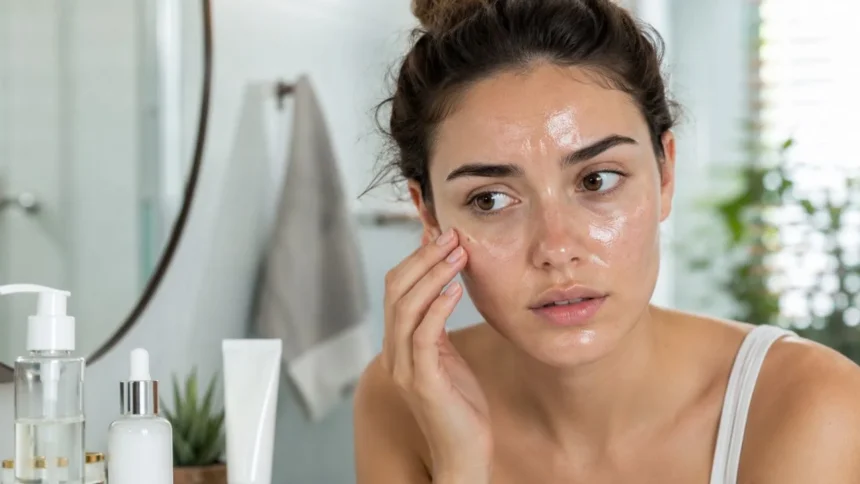
Oily skin develops when the sebaceous glands produce more sebum than your skin needs for comfortable lubrication. You may notice persistent facial shine, greasy-feeling skin, visible pores or makeup that seems to slide away. The forehead, nose and chin commonly called the T-zone are often the first areas where excess oil becomes noticeable.
Sebum is not dirt, and producing it does not mean you are failing to cleanse your face properly. This natural oily substance helps protect the skin and reduce moisture loss. Problems are more likely when excess sebum mixes with dead skin cells and collects inside hair follicles, contributing to blackheads, whiteheads or inflammatory acne.
Your skin may be oily because of genetics, hormonal changes, climate, stress or unsuitable skincare products. Washing too often, scrubbing aggressively and using strong alcohol-based products can irritate the surface without permanently controlling the glands underneath. The result may be a shiny face that also feels tight, rough or sensitive.
Understanding why your skin is oily makes it easier to choose an effective routine. You may not be able to change your inherited skin type completely, but you can reduce uncomfortable shine, protect the skin barrier and prevent clogged pores. The goal is balanced, healthy-looking skin—not a face with no natural oil at all.
What Is Oily Skin?
Oily skin is a skin type characterised by relatively high sebum production. The face may develop visible shine soon after cleansing, especially around the forehead, nose and chin. Some people experience oiliness across the cheeks and jaw as well, while others have a combination of an oily T-zone and drier outer areas.
Sebaceous glands are attached to hair follicles and release sebum onto the skin’s surface. Sebum supports flexibility and helps protect the skin from becoming excessively dry. People with oily skin simply have glands that are more active, larger or more responsive to hormones than those of people with balanced or dry skin.
Oily skin often has enlarged-looking pores because greater amounts of sebum and debris can make follicle openings appear more noticeable. Sebaceous filaments may also look prominent around the nose. These small dots are normal oil-transport structures and should not automatically be treated as blackheads or dirty pores.
Having oily skin does not guarantee that you will develop acne. Some people produce significant oil but experience few blemishes, while others have acne without excessive shine. Acne develops through several interacting factors, including excess sebum, blocked follicles, bacteria and inflammation.
The Most Common Reasons Your Skin Is So Oily
Genetics is one of the strongest influences on skin type. If close family members have oily or acne-prone skin, your sebaceous glands may naturally produce more oil. Inherited pore size and hormonal sensitivity can also affect how quickly shine appears and where it becomes most visible.
Hormonal activity is another major factor. Androgen hormones stimulate the sebaceous glands, which is why oil production often increases during puberty. Menstrual changes, pregnancy and other hormonal shifts can also make an adult’s face temporarily or persistently oilier than it was before.
Hot, humid weather can make facial oil more noticeable because sweat and sebum collect together on the surface. Stress, lack of sleep and changes in your daily routine may further affect how the skin behaves. These factors do not create an entirely new skin type overnight, but they can intensify existing oiliness.
Skincare habits may also contribute to the problem. A cleanser that strips the face, a rich product that feels occlusive or repeated exfoliation can make the surface look uncomfortable and greasy. Identifying the cause often requires examining your complete routine rather than focusing on one cleanser, moisturiser or food.
How Genetics Influence Oil Production
Your genes help determine the size, density and activity of your sebaceous glands. Some people naturally produce more sebum from adolescence onwards, even when they follow an excellent skincare routine. This inherited pattern can affect the face, scalp, chest and upper back because these areas contain many oil glands.
Genetics also influence pore visibility. Larger follicle openings make oil and sebaceous filaments easier to see, particularly around the nose and inner cheeks. Although skincare can reduce buildup and improve the surrounding texture, it cannot permanently erase pores or completely change their inherited structure.
Family tendencies do not mean you are guaranteed to develop severe acne. Lifestyle, hormones, skincare and individual inflammatory responses all influence the final result. Two siblings may both have oily skin but experience very different numbers and types of breakouts.
When genetics are the main cause, treatment focuses on managing rather than permanently eliminating oil production. Gentle cleansing, non-comedogenic hydration, salicylic acid and suitable acne treatment can keep the skin comfortable. Consistency is more effective than repeatedly trying products that promise to stop sebum completely.
How Hormones Make Your Skin Oilier
Androgens are hormones that can stimulate the sebaceous glands and increase sebum production. They rise during puberty, which explains why teenage skin commonly becomes shinier and more prone to clogged pores. However, hormonal oiliness and acne can continue well into adulthood.
Some people notice increased shine and breakouts before or during menstruation. Pregnancy, stopping or starting hormonal contraception and conditions affecting hormone levels may also change the skin. The jawline and lower face are common areas for hormonally influenced acne, although breakouts may appear elsewhere.
Hormonal changes may increase oil even when your skincare routine remains unchanged. This can make it seem as though a familiar cleanser or moisturiser has suddenly stopped working. Increasing every active ingredient at once may irritate the skin without addressing the hormonal trigger.
Speak with a healthcare professional when sudden oiliness occurs alongside irregular menstrual cycles, unusual hair growth, scalp hair thinning or other new symptoms. These signs do not confirm a particular condition, but they may justify an assessment rather than endless changes to cosmetic products.
Can Stress Cause Oily Skin?
Stress does not affect every person’s skin in the same way, but it can contribute to changes in oiliness and acne. Stress-related hormonal signals may influence sebaceous activity and inflammation. It may also lead to touching, picking or neglecting the usual skincare routine.
A demanding period can affect sleep, meals and daily habits at the same time. You might rely on heavier makeup, cleanse less consistently or touch your face while working. These behaviours can make an existing oily-skin pattern more difficult to manage.
Stress can also make you examine the skin more critically. Magnifying mirrors and repeated checking may turn ordinary pores or midday shine into a source of significant worry. This often encourages over-cleansing and squeezing, both of which can irritate the face.
Stress management is not an instant cure for oily skin, but adequate sleep, physical activity and regular breaks can support general wellbeing. Continue using a simple skincare routine during busy periods instead of introducing several strong treatments whenever your skin temporarily becomes shinier.
Why Skin May Become Oilier in Hot Weather
Heat and humidity can make oily skin look and feel more intense. Sweat mixes with sebum, sunscreen and environmental particles, creating a heavier surface layer. The skin may appear shiny soon after cleansing even when the actual change in gland activity is modest.
Warm weather also changes the products people use. A moisturiser that felt comfortable during winter may become sticky in summer, while several layers of sunscreen and makeup can increase visible shine. Switching to lighter textures may improve comfort without removing essential hydration.
Cleanse gently after substantial sweating, particularly when you have worn a hat, helmet or tight exercise equipment. Do not wash repeatedly after every minor sign of moisture. Dermatologists generally advise cleansing oily skin up to twice daily and after sweating rather than scrubbing throughout the day.
During hot months, use a lightweight non-comedogenic moisturiser and a sunscreen designed for oily or acne-prone skin. Blotting papers can absorb surface oil without requiring another complete cleanse. Press the paper against the skin rather than rubbing it across the face.
Can Over-Washing Make Your Face Look Oilier?
Washing frequently may temporarily remove shine, but it does not switch off the sebaceous glands. Strong cleansers can strip surface lipids and leave the skin tight or irritated. Oil may then become more noticeable as it returns across a dry, uneven surface.
Over-washing can also damage the skin barrier, increasing sensitivity to ordinary products. Your face may sting after moisturiser, develop flaky patches or become red around the nose and mouth. This combination of oil and irritation is sometimes mistaken for evidence that even stronger cleansing is needed.
Wash your face in the morning, evening and after significant sweating when necessary. Use clean fingertips and lukewarm water rather than brushes, rough cloths or abrasive gloves. Dermatology guidance recommends a gentle cleanser and warns that scrubbing can irritate oily skin and make its appearance worse.
The face should feel refreshed after washing, not painfully tight or “squeaky clean.” Persistent tightness suggests that the cleanser, water temperature or cleansing frequency may be too harsh. A milder approach often improves comfort without causing the skin to become unclean.
Oily Skin Can Still Be Dehydrated
Oily skin refers to excess sebum, while dehydration refers to insufficient water in the outer skin layer. Because oil and water are different, the face can be shiny and dehydrated at the same time. This often causes confusing symptoms such as greasiness, tightness and fine flakes.
Dehydration may follow excessive cleansing, strong exfoliation, acne medication, dry weather or low indoor humidity. The skin barrier becomes less effective at holding water, while the sebaceous glands continue producing their usual amount of oil. The oil then sits over a rough or uncomfortable surface.
Signs of oily dehydrated skin include stinging after cleansing, tight cheeks, flaky areas and increased sensitivity. Makeup may separate around dry patches while becoming shiny through the T-zone. Using another drying toner usually intensifies the problem instead of correcting it.
Choose a gentle cleanser and a lightweight moisturiser containing ingredients such as glycerin, ceramides or hyaluronic acid. Reduce exfoliation until the skin becomes comfortable. Hydrating oily skin does not mean covering it with a thick facial oil or heavy cream.
Can the Wrong Moisturiser Make Skin Greasy?
A moisturiser can make the face look greasier when its texture is too rich for your skin, the climate or the products layered beneath it. Dense creams and heavy ointments may remain on the surface longer, especially in humid weather or across an already oily T-zone.
This does not mean oily skin should avoid moisturiser. Cleansers and acne treatments can cause dryness, making barrier support important. Choose a lightweight gel, gel-cream or lotion labelled non-comedogenic, then adjust the amount according to how different areas feel.
Apply a small quantity while the skin is slightly damp and allow it to settle before sunscreen. Using several hydrating serums, a rich moisturiser and a dewy sunscreen together may create more shine than any single product. Simplifying the layers may solve the problem.
If your cheeks feel dry but your nose becomes greasy, use less moisturiser through the T-zone and slightly more on the outer face. Combination skin does not always need two completely different routines. Adjusting placement and quantity can provide enough flexibility.
Can Makeup, Sunscreen and Hair Products Increase Oiliness?
Some cosmetics create a shiny finish even when they do not increase the skin’s natural sebum production. Dewy foundation, rich sunscreen and silicone-heavy primers may reflect light and feel slippery. This appearance can be mistaken for the sebaceous glands suddenly producing more oil.
Products that are too heavy or comedogenic may also contribute to blocked pores in acne-prone individuals. Choose makeup, moisturiser, sunscreen and haircare labelled non-comedogenic or water-based when breakouts are a concern. These products are formulated to be less likely to clog pores for most users.
Hair oils, pomades and leave-in conditioners can transfer onto the forehead, temples and cheeks. Breakouts around the hairline may therefore come from haircare rather than facial skincare. Keep hair away from the face and clean pillowcases, hats and headbands regularly.
Remove makeup before sleeping and cleanse thoroughly but gently. Long-wear or water-resistant products may require a suitable first cleanser followed by a mild facial wash. The purpose of double cleansing is to dissolve resistant products, not to strip the skin twice.
Does Diet Cause Oily Skin?
No single food explains every case of oily skin. Sebum production is strongly influenced by genetics and hormones, while diet may affect individuals differently. Eating one greasy meal does not directly coat the face with oil from inside the body.
Research has explored relationships between acne and dietary patterns, particularly high-glycaemic foods and certain dairy products. The findings do not justify removing several nutritious food groups without a clear reason. Acne and oiliness are related but are not exactly the same condition.
Notice whether a consistent pattern appears over several weeks rather than blaming the last food you ate. A diary may help when you suspect a particular trigger, but it should include menstrual timing, stress, sleep and skincare changes as well as meals.
Choose a balanced diet containing vegetables, fruit, whole grains, protein sources and suitable healthy fats. Drinking enough water supports general health, but excessive water intake does not flush sebum from the pores. Seek dietary guidance before making significant restrictions.
How to Tell Whether You Have Oily or Combination Skin
Oily skin generally becomes shiny across most of the face, including the cheeks, within several hours of cleansing. Combination skin develops greater oiliness through the forehead, nose and chin while the outer cheeks remain comfortable, normal or dry.
Wash with a gentle cleanser and avoid applying products for approximately one hour when your skin tolerates it. Observe where shine develops and how the skin feels. This simple test is not a medical diagnosis, but it can help you choose a more suitable routine.
Do not test immediately after using a clay mask, exfoliating acid or strong face wash. These products temporarily change the surface and may make the result misleading. Observe your natural pattern across several ordinary days and different weather conditions.
Your skin type can also change gradually with age, hormones, climate or medication. A person who had very oily teenage skin may become more combination or balanced later. Adjust your routine according to current behaviour instead of using the same products indefinitely.
Oily Skin vs Oily Dehydrated Skin
Comfort is an important difference between straightforward oily skin and oily dehydrated skin. Healthy oily skin may feel smooth and flexible despite the shine. Dehydrated oily skin often feels tight, rough, itchy or unusually sensitive after washing.
Flaking is another clue. When dry patches appear around the mouth, nose or cheeks while the forehead remains greasy, the barrier may be struggling to retain water. Applying more salicylic acid to remove the flakes can make the condition worse.
Consider your recent routine. Daily scrubs, strong astringent toners, several exfoliating acids or frequent clay masks are common causes of surface dehydration. Acne treatments can have a similar effect when introduced too quickly or used more frequently than directed.
Temporarily simplify the routine to gentle cleansing, moisturiser and sunscreen. Reintroduce active treatments gradually after discomfort settles. When redness, cracking or burning continues, professional assessment may be needed to rule out dermatitis, rosacea or another condition.
Does Oily Skin Always Cause Acne?
Oily skin increases one factor involved in acne, but oil alone is not enough to create every breakout. Acne develops when sebum and dead cells block follicles, followed by varying degrees of bacterial activity and inflammation. Genetics and hormonal sensitivity also influence the result.
You may have oily skin with enlarged-looking pores and no significant acne. In this case, a simple oil-management routine is more appropriate than using several strong acne medications. Treating healthy oily skin as severe acne can cause dryness and unnecessary irritation.
When blackheads and whiteheads are present, salicylic acid or a topical retinoid may help reduce follicle blockage. Red, inflamed pimples may respond to benzoyl peroxide. Treatments should be introduced gradually and used according to their instructions.
Painful nodules, cysts or acne that leaves scars requires more than a face wash. A dermatologist can identify the acne type and recommend suitable prescription or non-prescription care. Early treatment may help limit persistent marks and permanent scarring.
A Simple Morning Routine for Oily Skin
Begin with a gentle gel or foaming cleanser and lukewarm water. Massage it lightly with your fingertips, rinse thoroughly and pat the face dry. Avoid using a cleansing brush or scrub every morning, as repeated friction can increase redness and irritation.
Apply a lightweight moisturiser when the skin feels tight or when you use drying acne treatments. Look for a non-comedogenic lotion, gel or gel-cream. Hydration can support the barrier without creating a heavy finish when the texture and amount are appropriate.
Finish with broad-spectrum sunscreen suitable for oily or acne-prone skin. Fluid, gel and light lotion formulas may feel more comfortable than thick creams. Sunscreen protects against ultraviolet damage and helps prevent post-acne marks from becoming darker.
Allow each layer to settle before applying makeup. When the routine feels greasy, reduce the number of serums or the amount of moisturiser rather than removing hydration completely. A mattifying sunscreen may also simplify the morning steps.
A Simple Night Routine for Oily Skin
Remove makeup and water-resistant sunscreen before sleeping. Micellar water, a cleansing balm or a rinse-off cleansing oil can be used as the first step when necessary. Follow with a gentle water-based cleanser rather than repeatedly scrubbing resistant products.
Apply one treatment chosen for your main concern. Salicylic acid may suit blackheads and clogged pores, while benzoyl peroxide may help mild inflammatory acne. Topical retinoids can prevent follicle blockage, but irritation is more likely when several active treatments are started together.
Use a lightweight moisturiser after treatment or according to the product directions. Ceramides, glycerin and panthenol can be particularly helpful when the face feels dry. Moisturising may make it easier to use acne treatment consistently.
Avoid changing the routine every few nights. Oil-management products and acne treatments need time, while frequent switching makes reactions difficult to trace. Introduce one change, observe the skin and adjust gradually rather than chasing an immediate matte result.
Ingredients That Can Help Control Oily Skin
Salicylic acid is an oil-soluble beta hydroxy acid that helps remove dead cells and buildup from inside follicles. It is especially useful when oiliness is accompanied by blackheads, whiteheads or rough, congested areas. Start several times per week if daily use feels drying.
Niacinamide can support the skin barrier and may improve the appearance of oiliness and redness. It is commonly included in lightweight serums and moisturisers. A moderate formula is usually enough, as very high concentrations can irritate sensitive skin.
Topical retinoids help prevent dead skin cells from accumulating in follicles and are widely used for acne. They may cause peeling and sensitivity during the adjustment period, so gradual introduction and regular sunscreen are important. Some forms require a prescription.
Benzoyl peroxide is useful for inflammatory acne rather than simple facial shine. It reduces acne-related bacteria and may dry or irritate the skin. Use it according to the label, reduce the frequency when peeling occurs and remember that it can bleach fabrics.
Products and Ingredients to Use Carefully
Strong astringent toners may temporarily remove shine but can leave the skin tight and irritated. Alcohol-heavy products are not necessary for effective oil control. Dermatology guidance recommends gentle, alcohol-free care and warns that irritating astringents and exfoliants can worsen acne’s appearance.
Rough facial scrubs can injure the surface around inflamed spots. Walnut shells, large crystals and abrasive brushes do not reach the sebaceous glands or permanently clear pores. They may instead create redness, swelling and post-inflammatory dark marks.
Clay masks can absorb surface oil for a limited time, but frequent use may increase dryness. Use one occasionally when it feels comfortable rather than treating it as a daily requirement. Stop when the skin begins stinging, flaking or feeling tight.
Be cautious with products claiming to permanently close pores, detoxify oil glands or stop sebum production. Pores are structural openings and sebum performs a protective function. Effective skincare manages buildup and shine without promising biologically impossible results.
Daily Habits That Can Reduce Visible Shine
Keep blotting papers available when midday oil bothers you. Gently press one sheet against shiny areas and lift it away without rubbing. This removes surface sebum while allowing sunscreen and makeup to remain more intact than repeated face washing.
Clean items that regularly touch your face. Phones, pillowcases, makeup brushes, helmet straps and glasses can collect oil, cosmetics and dirt. Regular cleaning supports general hygiene, although these objects are not the primary cause of naturally oily skin.
Keep oily hair and styling products away from the forehead when hairline breakouts are a concern. Shampoo according to your scalp’s needs and wash headbands or hats regularly. Haircare products can migrate onto nearby facial skin.
Avoid squeezing visible pores or sebaceous filaments. The material usually returns, while repeated pressure can cause inflammation and marks. A consistent routine produces slower but safer improvement than trying to extract every visible dot manually.
Common Mistakes That Make Oily Skin Harder to Manage
The first mistake is trying to remove every trace of oil. A completely matte face is not a realistic or necessary health goal. Sebum helps protect the skin, and some shine during the day is normal even when a routine is working.
The second mistake is introducing several active products at once. A salicylic acid cleanser, exfoliating toner, retinol serum and clay mask may all sound useful individually. Combined too quickly, they can damage the barrier and make the face shiny, flaky and inflamed.
The third mistake is skipping moisturiser automatically. Oily skin may need a lighter moisturiser, especially when acne treatments are being used. Dehydration and irritation are not effective methods of reducing sebaceous gland activity.
Finally, avoid judging products after only one or two uses unless a clear reaction occurs. Skincare requires consistency, and acne treatments often need several weeks. Stop immediately for severe burning, swelling or hives, but allow comfortable products a reasonable trial.
When Sudden Oiliness Needs Medical Attention
A gradual pattern of facial oiliness is usually a normal skin-type variation. Sudden, unexplained change deserves more attention, particularly when it appears alongside new acne, medication use or significant hormonal symptoms. A clinician can help identify whether something beyond skincare is involved.
Seek advice when oiliness occurs with irregular menstrual cycles, unusual facial or body hair growth, scalp hair loss or rapid weight changes. These signs may relate to hormone levels, but they require proper assessment rather than self-diagnosis.
Some medicines and supplements may influence acne or oil production. Do not stop prescribed treatment independently. Discuss the timing of the skin change with the prescribing clinician, who can determine whether an alternative or additional care is appropriate.
A dermatologist should also assess painful, widespread or scarring acne. Persistent redness, itching, scaling or burning may indicate a different skin condition rather than ordinary oiliness. Correct diagnosis prevents months of using unsuitable oil-control treatments.
How Long Does It Take to Control Oily Skin?
A gentle cleanser can make the skin feel more comfortable immediately, but meaningful improvements in clogged pores and acne take longer. Salicylic acid and other treatments generally need consistent use over several weeks before you can judge the overall pattern.
Oiliness may continue even when breakouts improve because your natural sebaceous activity remains present. Success may mean less uncomfortable shine, fewer clogged pores and better makeup wear rather than permanent elimination of facial oil.
Evaluate the routine under similar conditions. Weather, menstrual timing, stress and new products can create temporary changes. Taking a photograph every few weeks may be more useful than inspecting the face several times each day.
When a routine remains comfortable but results are limited, a dermatologist can recommend stronger or more targeted treatment. Do not increase frequency until irritation appears. Sustainable improvement comes from balancing effectiveness with protection of the skin barrier.
Final Thoughts
Your skin may be oily because of genetics, hormones, climate, stress or the products in your routine. Sebaceous glands naturally produce sebum to protect the skin, but greater production can create persistent shine and make clogged pores more likely.
Harsh cleansing is not the answer. Washing too frequently, scrubbing or repeatedly using alcohol-based products can irritate the surface without permanently reducing oil production. A gentle routine is usually easier to maintain and more supportive of healthy skin.
Use a mild cleanser, lightweight non-comedogenic moisturiser and daily sunscreen. Introduce salicylic acid, niacinamide or an appropriate acne treatment according to your actual concerns. Avoid combining every oil-control ingredient at once.
Some facial shine is normal, and naturally oily skin does not need to be “cured.” Focus on comfort, fewer breakouts and a resilient skin barrier. Seek professional advice when oiliness changes suddenly, acne becomes painful or your skin remains irritated despite a simple routine.
Frequently Asked Questions
Why Is My Face Oily Even After Washing?
Your sebaceous glands continue producing oil after surface sebum is removed. A harsh cleanser may also irritate the skin, making returning oil more noticeable.
Does Oily Skin Mean My Face Is Dirty?
No. Oily skin results from active sebaceous glands, not poor hygiene. Gentle cleansing twice daily is usually more helpful than frequent scrubbing.
Should I Moisturise If My Skin Is Very Oily?
Yes. Choose a lightweight, non-comedogenic gel or lotion. Moisturiser supports hydration and can reduce irritation caused by cleansing or acne treatment.
Can Dehydrated Skin Look Oily?
Yes. Skin can lack water while still producing plenty of sebum. It may look shiny but feel tight, flaky, rough or sensitive after cleansing.
At What Age Does Oily Skin Improve?
Oil production often changes after adolescence, but there is no fixed age. Genetics, hormones, climate, medication and skincare continue influencing it throughout adulthood.