

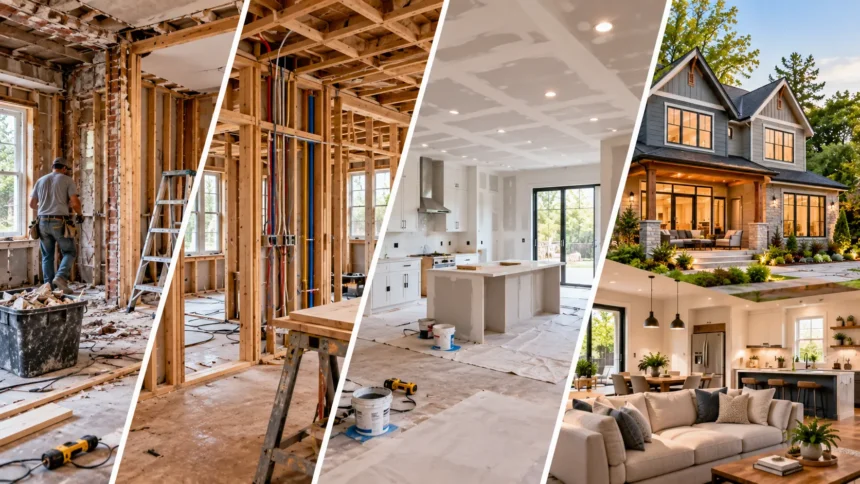
Renovating an entire house is an exciting project, but one of the biggest questions homeowners ask is how long the process will take. Whether you are updating an older property, modernizing outdated interiors, or completely transforming your living space, understanding the renovation timeline helps you plan more effectively. Every stage requires proper scheduling, from initial design decisions to final inspections.
A full house renovation typically takes 3 to 12 months, depending on the property’s size, condition, and complexity of the work. Smaller renovations involving cosmetic upgrades may take just a few weeks, while extensive remodeling projects with structural changes can require a year or longer. Contractor availability, permits, and material deliveries also influence completion dates.
This guide explains how long a full house renovation takes, including timelines for planning, demolition, construction, kitchen remodeling, bathroom upgrades, and finishing work. You will also discover common causes of renovation delays, ways to organize your schedule, and practical tips for keeping your home improvement project on track.
How Long Does a Full House Renovation Usually Take?
A typical full house renovation takes approximately three to twelve months, although the actual duration varies between projects. Homes requiring mostly cosmetic improvements can sometimes be completed within two to four months. More extensive renovations involving new layouts, multiple bathrooms, and major electrical or plumbing work often require six months or longer.
The condition of the existing property plays an important role in determining the overall renovation schedule. Older houses may contain hidden damage, outdated building systems, or structural problems that require additional repairs. These discoveries can extend the construction timeline, particularly when specialists must inspect the property before work continues.
Homeowners should distinguish between the construction period and the complete renovation process. Design development, contractor selection, material ordering, and permit approvals may take several weeks or months before demolition begins. Including these preliminary activities produces a more realistic estimate of how long the entire project will take.
Full House Renovation Timeline by Project Size
Small houses generally require less renovation time because they contain fewer rooms and smaller surfaces. A property measuring approximately 1,000 square feet may take two to five months to renovate, depending on the work required. However, complicated structural changes can extend the timeline even in relatively compact homes.
Medium-sized houses between 1,500 and 2,500 square feet may require three to eight months for extensive renovations. These projects often include kitchen updates, bathroom improvements, flooring replacement, interior painting, and electrical modifications. Coordinating several trades becomes especially important when work takes place in multiple rooms simultaneously.
Larger properties exceeding 3,000 square feet can require six to twelve months or longer for comprehensive remodeling. Additional rooms, complex building systems, and custom interior finishes increase construction requirements. Nevertheless, square footage alone does not determine the schedule because project complexity and renovation scope often have greater influence.
How Long Does the Planning and Design Stage Take?
The planning and design stage commonly takes two to eight weeks for straightforward residential renovations. During this period, homeowners identify renovation goals, establish budgets, and select preferred layouts and materials. Preparing detailed plans before construction helps reduce uncertainty and avoid expensive changes later.
Major remodeling projects may require several months of design development, particularly when architectural or structural modifications are involved. Architects, engineers, and interior designers may need to coordinate drawings and technical requirements. Additional revisions can extend the preparation period when homeowners change layouts or request custom features.
A clearly defined renovation plan helps contractors estimate construction costs and schedules more accurately. Finalizing major design decisions before work begins also supports timely material ordering. Rushing this stage can create confusion during construction, so homeowners should allow sufficient time for thoughtful planning.
How Long Does It Take to Get Renovation Permits?
Building permit approval timelines vary according to local regulations and the type of construction proposed. Minor renovations may require no permit, while extensive remodeling projects can involve several weeks or months of administrative review. Structural alterations, major plumbing changes, and electrical upgrades frequently require formal approval.
Permit applications may need architectural drawings, structural calculations, and other supporting documents before authorities can review them. Incomplete applications or necessary design revisions can delay approval. Projects involving protected buildings or special planning restrictions may require additional assessments.
Homeowners should investigate permit requirements during the early planning stage rather than immediately before construction. A qualified contractor or design professional can help identify the necessary approvals. Starting regulated work without authorization may create legal complications and cause more serious delays than completing the process correctly.
How Long Does Demolition Take During Renovation?
The demolition phase usually takes approximately one to three weeks for many full house renovation projects. Contractors may remove outdated cabinets, flooring, fixtures, wall finishes, and selected interior partitions. The duration depends on the building’s size, accessibility, and the extent of materials requiring removal.
Properties undergoing complete interior reconstruction may require several weeks of demolition and preparation. Structural alterations demand additional planning because certain building components support important loads. Professional assessments are necessary before removing structural elements or disturbing potentially hazardous materials.
Demolition sometimes exposes problems that were hidden behind existing surfaces. Contractors may discover moisture damage, deteriorated framing, or outdated building systems requiring attention. Allowing additional time for unexpected findings helps create a more realistic renovation schedule without compromising essential repairs.
How Long Does Structural Renovation Work Take?
Structural renovation work can require several weeks to several months, depending on the modifications involved. Minor framing repairs may be completed relatively quickly, while major layout changes need additional design and construction coordination. Removing load-bearing walls or creating new openings can also require specialized support systems.
Extensive structural projects may involve foundation repairs, floor reinforcement, roof modifications, or building extensions. These tasks often require engineering assessments, inspections, and carefully scheduled construction stages. Unexpected structural deterioration can further extend the timeline when additional repairs become necessary.
Structural improvements should be completed before most decorative finishing work begins. This sequencing helps protect new surfaces and avoids repeated construction activities. Homeowners should rely on qualified professionals for structural changes and avoid rushing work that affects the building’s safety.
How Long Does Electrical and Plumbing Work Take?
Electrical and plumbing upgrades can take approximately two to six weeks during many full house renovations. The timeline depends on existing system conditions, the number of fixtures being relocated, and the extent of wiring or pipe replacement. Straightforward upgrades generally require less time than complete system reconstruction.
Older houses may need extensive rewiring, new plumbing connections, or replacement of deteriorated pipes. These projects can involve opening walls and floors to access concealed building components. Electrical and plumbing contractors must also coordinate their work with framing, insulation, and interior finishing schedules.
Required inspections may need to be completed before walls and ceilings are closed. Scheduling these assessments promptly can prevent unnecessary construction delays. Final fixtures are often installed later in the project, after cabinets, flooring, and finished surfaces are ready.
How Long Does a Kitchen Renovation Take?
A kitchen renovation usually takes approximately four to twelve weeks, depending on the project scope. Cosmetic improvements such as painting cabinets, replacing hardware, and updating lighting may require considerably less time. Complete kitchen remodeling involving layout changes and new utilities often takes longer.
Custom cabinets, stone countertops, and specialized appliances can affect the installation schedule. Certain products must be ordered weeks before construction reaches the relevant stage. Countertop fabrication may also depend on accurate measurements taken after cabinet installation.
Kitchen remodeling involves coordination between several trades, including electricians, plumbers, cabinet installers, and flooring specialists. Delays in one activity can affect subsequent tasks. Maintaining the existing kitchen layout and selecting readily available materials may help homeowners complete renovations more efficiently.
How Long Does a Bathroom Renovation Take?
Bathroom renovations typically take approximately two to six weeks for many standard projects. Smaller updates involving fixtures, painting, and accessories may be completed sooner. Complete bathroom remodeling with plumbing relocation, waterproofing, tiling, and new fixtures often requires additional time.
Waterproofing and tile installation can significantly influence bathroom renovation schedules. Certain installation products need appropriate curing or drying periods before subsequent work begins. Skipping these requirements can affect durability and increase the risk of future moisture problems.
Renovating multiple bathrooms simultaneously may reduce the overall project duration when contractors have sufficient resources. However, this approach can create inconvenience for families remaining in the property. Planning access to essential bathroom facilities is important before beginning extensive renovation work.
How Long Does Flooring Installation Take?
Flooring replacement can take several days to several weeks, depending on the property’s size and selected materials. Laminate and luxury vinyl flooring may be installed relatively quickly when subfloors are properly prepared. Tile and traditional hardwood installations may require additional preparation and finishing time.
Removing existing flooring can reveal damaged or uneven subfloors that need repairs before new materials are installed. Moisture problems may also require investigation and correction. These unexpected conditions can extend the flooring schedule and affect other renovation activities.
Installation requirements vary between flooring products, so contractors should follow manufacturer instructions. Some materials require acclimation, curing, or restricted use after installation. Scheduling flooring work carefully helps protect finished surfaces while allowing other renovation activities to continue.
How Long Does Interior Painting Take?
Interior painting for an entire house commonly takes approximately one to three weeks with a professional crew. The actual duration depends on room size, wall condition, preparation requirements, and the number of coats needed. Homes with high ceilings or detailed architectural features may take longer.
Surface preparation is an important part of the painting process. Contractors may need to repair cracks, fill imperfections, clean surfaces, and apply primer before painting. Extensive plaster repairs or moisture-related problems can increase preparation time significantly.
Painting should be coordinated with flooring installation, cabinetry, and other finishing activities. Certain areas may be painted before fixtures are installed, while final touch-ups occur near project completion. Following appropriate drying times helps produce consistent finishes and reduces the likelihood of damage.
How Long Does HVAC Renovation Take?
Heating, ventilation, and air conditioning improvements can require several days to several weeks, depending on the system being installed. Replacing existing equipment without major changes to ductwork may be relatively straightforward. Extensive installations involving new ducts, ventilation arrangements, or mechanical upgrades take longer.
Older homes may have outdated heating or cooling systems that require additional evaluation. Contractors must consider equipment compatibility, electrical capacity, ventilation, and available installation space. Unexpected problems with existing ductwork or building access can affect the schedule.
HVAC improvements should be coordinated with other structural and interior construction tasks. Installing concealed ducts or ventilation components before closing walls can prevent repeated work. Proper testing and system commissioning are also important before the renovation is considered complete.
How Long Does Exterior House Renovation Take?
Exterior renovation projects can take several days to several months, depending on the improvements required. Repainting exterior surfaces may take one to three weeks for many houses, while extensive siding or roofing work can require longer. Weather conditions frequently influence the schedule.
Roof repairs, window replacements, landscaping, and exterior finishing may be coordinated with interior construction. Some exterior improvements must happen early to protect the house from moisture intrusion. Completing essential weatherproofing before extensive interior work helps prevent damage to newly renovated spaces.
Unexpected rain, extreme temperatures, and material delivery delays can extend outdoor construction activities. Contractors should schedule weather-sensitive work during suitable conditions whenever possible. Maintaining flexibility in the renovation timeline helps homeowners accommodate unavoidable environmental disruptions.
What Factors Affect a Full House Renovation Timeline?
The scope of renovation work is one of the most important factors affecting project duration. Updating existing finishes requires less preparation than changing room layouts or rebuilding structural components. More complex construction projects involve additional trades, inspections, and coordination.
Material availability can also significantly influence construction schedules. Custom cabinets, imported tiles, specialized windows, and made-to-order fixtures may have extended delivery periods. Ordering important products before construction reaches the installation stage can help prevent unnecessary interruptions.
Contractor availability, building condition, and household decisions also affect completion dates. Unexpected repairs or frequent design changes can delay multiple stages of work. Establishing clear expectations and maintaining consistent communication helps reduce avoidable scheduling problems.
Common Reasons Full House Renovations Get Delayed
Unexpected damage is a common cause of home renovation delays, especially in older properties. Contractors may discover deteriorated framing, hidden leaks, or unsuitable electrical systems after removing existing finishes. These problems often require additional assessment and repairs before normal construction can continue.
Material shortages and delivery problems can also interrupt renovation schedules. A delayed cabinet order or unavailable flooring product may prevent subsequent installation work. Selecting reliable suppliers and confirming delivery dates early helps reduce these risks.
Permit complications, inspection delays, and changes in homeowner preferences can create further disruptions. Repeatedly modifying the design during construction may require additional materials or professional services. Keeping major decisions finalized before work begins supports a more predictable renovation timeline.
Can You Renovate an Entire House in Three Months?
Renovating an entire house in three months may be possible when the project focuses primarily on cosmetic improvements. Painting, flooring replacement, lighting updates, and straightforward kitchen or bathroom upgrades can sometimes fit within this timeframe. However, success depends on careful preparation and reliable contractor availability.
Projects involving structural alterations, extensive plumbing work, or custom materials are less likely to finish within twelve weeks. Permit approvals and unexpected repairs may also affect the schedule. Homeowners should avoid assuming that every room can be renovated simultaneously without coordination challenges.
To improve the likelihood of meeting a three-month deadline, finalize designs and order essential materials early. Establish a clear construction schedule with contractors and minimize unnecessary changes. Realistic expectations are important because rushing essential work can create expensive quality problems.
Can You Live in Your House During a Full Renovation?
Living in a house during renovation may be possible when construction is limited to selected rooms. Homeowners can sometimes organize work in stages while maintaining access to essential areas. However, noise, dust, and temporary interruptions can make everyday routines challenging.
Major renovations involving several rooms, extensive demolition, or utility shutdowns may make temporary accommodation more practical. Safe access to bathrooms, cooking facilities, and sleeping areas should be considered before construction begins. Some projects may also create conditions unsuitable for normal occupancy.
Discuss household access arrangements with your contractor before finalizing the renovation schedule. Establishing protected areas and planning around unavoidable disruptions can improve comfort. When construction creates significant safety or health concerns, living elsewhere during the affected stages may be necessary.
How to Create a Realistic Home Renovation Schedule
Start by dividing the renovation project into clearly defined construction stages. Planning, permits, demolition, structural work, utilities, interior finishes, and final inspections should each have estimated durations. Understanding how tasks connect helps prevent scheduling conflicts between contractors.
Some renovation activities can happen simultaneously when workspaces and resources allow. For example, selected exterior improvements may proceed while interior preparation continues. However, certain tasks depend on earlier work being completed, so unrealistic overlapping can create delays rather than savings.
Include reasonable time allowances for unexpected problems and necessary inspections. Review the schedule regularly with your contractor and document important changes. A flexible but organized timeline helps homeowners manage expectations while keeping the project moving toward completion.
Tips to Speed Up a Full House Renovation
One effective way to reduce renovation time is to complete major design decisions before construction begins. Finalize layouts, materials, fixtures, and important product selections as early as possible. This preparation reduces uncertainty and prevents frequent changes that interrupt ongoing construction.
Hire qualified contractors with experience managing projects of similar size and complexity. Clear communication between trades helps maintain an efficient construction sequence. Confirming material availability and scheduling necessary inspections promptly can also prevent avoidable interruptions.
Avoid sacrificing workmanship or safety to achieve an unrealistic deadline. Structural construction, waterproofing, electrical work, and other technical activities require proper procedures and inspections. A well-managed project focuses on efficient coordination rather than skipping essential construction stages.
How to Plan Your Budget Around the Renovation Timeline
The renovation schedule and project budget are closely connected because delays can create additional expenses. Extended equipment rentals, temporary accommodation, and repeated contractor visits may increase total costs. Understanding the expected timeline helps homeowners prepare for these possibilities.
Request a payment schedule linked to clearly defined construction milestones. This arrangement helps track progress and provides a structured approach to contractor payments. Avoid making major financial commitments without understanding the associated work and contractual requirements.
Maintain a contingency allowance for unexpected repairs and potential delays. Regularly compare actual spending with the approved renovation budget. Financial planning throughout the construction period helps reduce pressure when completion dates need reasonable adjustments.
What Happens During the Final Stages of Renovation?
The final stage of a full house renovation generally includes fixture installation, finishing details, cleaning, and inspections. Contractors may complete painting touch-ups, install hardware, test equipment, and correct minor defects. These activities can take several days or weeks, depending on project size.
A final walkthrough allows homeowners to compare completed work with the agreed renovation plans. Check doors, cabinets, flooring, fixtures, and visible finishes for problems requiring correction. Relevant building systems should also receive professional testing or inspection where necessary.
Create a written list of incomplete items and agree on how they will be resolved. Keep warranties, permits, inspection documents, and maintenance instructions for future reference. Proper project closeout helps ensure the renovated home is ready for comfortable everyday use.
Conclusion
A full house renovation typically takes three to twelve months, although the actual timeline depends on property size, existing conditions, and construction complexity. Cosmetic improvements may require less time, while extensive structural remodeling can take considerably longer. Understanding each project stage helps homeowners establish realistic expectations.
Planning, permit approvals, contractor coordination, and material availability all influence the overall renovation schedule. Unexpected repairs and design changes can also cause delays during construction. Preparing detailed plans, ordering materials early, and maintaining clear communication helps minimize unnecessary interruptions.
Successful home renovation is not simply about completing construction as quickly as possible. Quality workmanship, appropriate inspections, and careful scheduling are essential for lasting results. With realistic planning and experienced professionals, homeowners can manage the renovation process more efficiently and enjoy their improved living spaces.
Frequently Asked Questions
How Long Does It Take to Completely Renovate a 2,000-Square-Foot House?
A complete renovation of a 2,000-square-foot house may take approximately three to eight months. Extensive structural changes, major building system upgrades, or unexpected repairs can extend the timeline beyond this estimate.
Can a Full House Renovation Be Done in Two Months?
A two-month timeline may be achievable for limited cosmetic improvements with careful planning. However, comprehensive renovations involving multiple rooms, structural modifications, and major system replacements generally require more time.
What Takes the Longest During a House Renovation?
Structural modifications, extensive plumbing and electrical work, and custom kitchen installations can take considerable time. Permit approvals, material lead times, and unexpected repairs may also significantly influence the overall renovation schedule.
How Long Should You Plan Before Starting a Home Renovation?
Smaller projects may require several weeks of preparation, while major renovations can need several months. Planning typically includes defining goals, preparing designs, obtaining estimates, choosing contractors, ordering materials, and securing required approvals.
What Is the Fastest Way to Complete a Whole House Renovation?
Finalize designs early, hire experienced contractors, confirm material availability, and coordinate construction stages carefully. Efficient scheduling can reduce unnecessary delays, but essential inspections, technical procedures, and safety requirements should never be skipped.