

Pumpkin Seed Oil: Learn How to Use It Safely
Pumpkin seed oil has become a popular cooking ingredient, dietary supplement and personal-care product. It is commonly promoted for supporting prostate health, reducing hair loss and improving heart health. Although early research is encouraging in some areas, many online claims are stronger than the available scientific evidence and should be approached carefully.
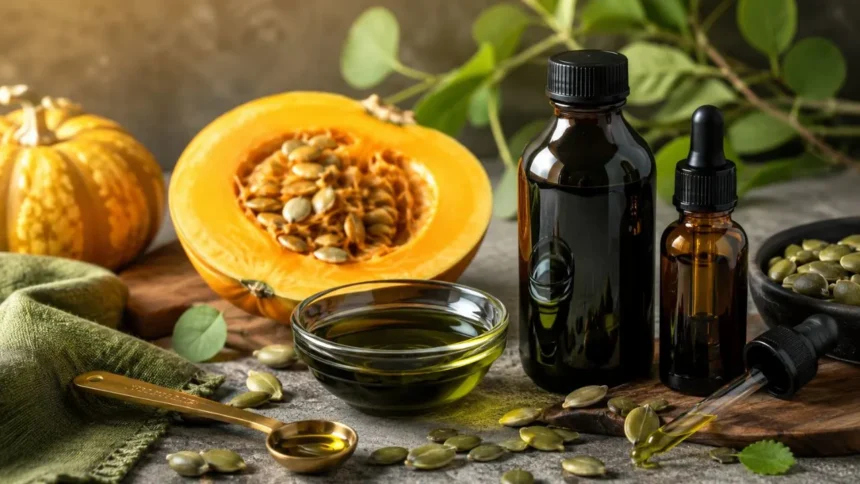
The oil is extracted from pumpkin seeds and has a dark green or reddish-brown appearance, depending on the seed variety and production method. It also has a rich, nutty flavour that works well in salads, soups and finished dishes. Capsules and topical products provide alternative options for people who do not want to use culinary oil.
Research into pumpkin seed oil benefits has mainly focused on urinary symptoms, benign prostate enlargement, pattern hair loss and cardiovascular measurements. Several human trials have reported promising results, but most studies have involved relatively small groups. Larger and longer clinical trials are still required before pumpkin seed oil can be recommended as a proven treatment.
This guide explains what pumpkin seed oil contains, how it may work and what current studies actually show. It also covers pumpkin seed oil for hair, prostate health, skin, cooking, dosage and possible side effects. Supplements should not replace medical evaluation or prescribed treatment for persistent urinary, cardiovascular or hair-loss symptoms.
What Is Pumpkin Seed Oil?
Pumpkin seed oil is produced by pressing the seeds of plants from the Cucurbita family. Products may come from different pumpkin species, including Cucurbita pepo, Cucurbita maxima and Cucurbita moschata. The final colour, flavour and nutritional profile can vary according to the seed variety, climate, growing conditions and extraction process.
Cold-pressed pumpkin seed oil is made by mechanically pressing seeds while limiting the amount of heat used during processing. This method is popular because it helps preserve the oil’s natural flavour and some heat-sensitive compounds. Roasted seeds may also be pressed, producing an oil with a deeper colour and stronger toasted taste.
The oil contains a high proportion of unsaturated fatty acids, particularly linoleic and oleic acids. Researchers have also identified tocopherols, phytosterols, carotenoids, squalene, phenolic compounds and other plant components. The exact amounts differ considerably between varieties and commercial products, so one bottle may not provide the same composition as another.
Pumpkin seed oil is sold as a conventional food, liquid supplement, softgel capsule and cosmetic ingredient. A culinary bottle is designed mainly for food preparation, while a capsule provides a measured serving. Cosmetic oils should only be consumed when their labels clearly state that they are food-grade and suitable for oral use.
Pumpkin Seed Oil Nutrients
The largest nutritional component in pumpkin seed oil is fat. Unlike whole pumpkin seeds, the filtered oil contains little or no fibre and significantly less protein or mineral content. Therefore, eating the whole seeds and consuming the oil are not nutritionally identical, even though both products begin with the same raw ingredient.
Most of the oil’s fat is unsaturated, including polyunsaturated linoleic acid and monounsaturated oleic acid. Fatty-acid percentages vary between pumpkin varieties and manufacturing methods. Recent reviews describe linoleic acid as a major component, while studies of commercial oils have found meaningful differences in composition, antioxidant content and oxidative stability.
Pumpkin seed oil also contains tocopherols, which are forms of vitamin E with antioxidant activity. It may provide phytosterols and phenolic compounds that are being investigated for potential biological effects. However, the presence of a beneficial compound does not automatically prove that the oil prevents or treats a particular disease in humans.
The oil is calorie-dense because every gram of fat supplies substantial energy. People using it for general nutrition should treat it like other cooking oils rather than an unlimited health tonic. Replacing another source of fat may be more practical than adding several spoonfuls to an existing diet without considering total calorie intake.
Pumpkin Seed Oil Benefits
Potential pumpkin seed oil benefits are associated with its fatty acids, phytosterols and antioxidant compounds. Laboratory and animal studies have suggested several biological effects, but results from those studies cannot always be applied directly to people. Human trials provide the most useful information, although the current evidence remains limited for many popular claims.
The strongest human research relates to lower urinary tract symptoms associated with benign prostatic hyperplasia. A small number of studies have also examined overactive bladder symptoms. Results suggest that certain pumpkin seed preparations may improve symptom scores, but the products, dosages and study designs have not been consistent.
Pumpkin seed oil has also attracted attention as a natural option for pattern hair loss. One placebo-controlled study in men reported improved hair counts after oral supplementation, while another trial examined topical pumpkin seed oil in women. These findings are promising, but they do not establish it as an equal replacement for every medically approved hair treatment.
Small clinical studies have investigated cholesterol, blood pressure and menopausal symptoms in postmenopausal women. Some improvements were reported, but the participant numbers were too small to prove broad cardiovascular benefits. Pumpkin seed oil should therefore support, rather than replace, established approaches involving diet, exercise, medical care and prescribed medication.
Pumpkin Seed Oil for Prostate Health
Benign prostatic hyperplasia, commonly called BPH, is a noncancerous enlargement of the prostate that can contribute to frequent urination, weak urine flow and difficulty emptying the bladder. These symptoms require proper medical evaluation because urinary changes can also result from infections, medication effects, bladder conditions or more serious prostate problems.
A 2021 randomised trial compared pumpkin seed oil with tamsulosin in 73 men with BPH. Participants received either 360 milligrams of pumpkin seed oil twice daily or 0.4 milligrams of tamsulosin each night. Both groups experienced symptom improvement, but tamsulosin produced a greater reduction in symptom scores during the three-month study.
Other research has examined pumpkin seeds, seed extracts or oil combinations rather than the same pure oil product. A 12-month study found that pumpkin seeds produced a clinically relevant reduction in symptom scores compared with placebo, although results differed according to the analysis used. This variation makes it difficult to recommend one standard product.
Men should not use pumpkin seed oil for prostate health as a reason to delay a medical appointment. Blood in the urine, painful urination, fever, inability to urinate or rapidly worsening symptoms require prompt attention. A clinician can determine whether supplementation is appropriate alongside monitoring, lifestyle measures or established BPH medication.
Pumpkin Seed Oil for Hair
Pumpkin seed oil for hair is usually taken as a capsule or applied directly to the scalp. Supporters suggest that its phytosterols and fatty acids may influence processes involved in androgenetic alopecia, also called male or female pattern hair loss. The exact mechanism has not been firmly established through large human studies.
A randomised, double-blind trial followed 76 men with mild to moderate androgenetic alopecia for 24 weeks. Men receiving 400 milligrams of pumpkin seed oil daily experienced a larger average increase in hair count than those taking placebo. Reported adverse effects were not significantly different between the two groups.
A separate comparative trial examined topical pumpkin seed oil and minoxidil foam in women with female pattern hair loss. The study reported improvement with both interventions, but it was relatively small and does not prove that every pumpkin seed oil product works like the preparation used by researchers.
Hair loss can be connected with genetics, hormonal changes, thyroid problems, iron deficiency, illness, stress or certain medications. A dermatologist can identify the cause and recommend suitable treatment. Pumpkin seed oil may be considered a complementary option, but it should not delay assessment when shedding is sudden, severe or associated with scalp inflammation.
Pumpkin Seed Oil for Heart Health
Pumpkin seed oil contains mostly unsaturated fats, which may make it a useful alternative when it replaces foods higher in saturated fat. However, the health effect depends on the complete diet rather than one ingredient. Adding the oil without reducing another calorie source does not automatically improve cholesterol, weight or cardiovascular risk.
A small 12-week pilot study involved 35 postmenopausal women who received either two grams of pumpkin seed oil daily or wheat germ oil. The pumpkin seed oil group experienced an increase in HDL cholesterol and a reduction in diastolic blood pressure, along with improvements in several reported menopausal symptoms.
Another small randomised trial studied 23 postmenopausal women with elevated blood pressure. Participants taking three grams of pumpkin seed oil daily for six weeks experienced reductions in some blood-pressure and arterial-wave measurements. The study did not find improvements across every cardiovascular measurement that researchers assessed.
These studies are interesting but too small to prove that pumpkin seed oil prevents heart attacks, strokes or hypertension. People with high blood pressure or abnormal cholesterol should continue evidence-based treatment. Regular monitoring remains important because feeling healthy does not confirm that blood pressure or cholesterol levels are within a safe range.
Pumpkin Seed Oil for Women
Pumpkin seed oil is sometimes promoted for menopause because it contains plant compounds described as phytoestrogens. A small pilot trial reported improvements in several menopausal symptom scores, including hot flushes, headaches and joint discomfort. The study was preliminary and specifically concluded that further research was needed.
Women should not assume that a natural phytoestrogen product is suitable for every hormonal situation. People with hormone-sensitive conditions, unexplained bleeding or a history of certain cancers should discuss concentrated supplements with their clinician. Pregnancy and breastfeeding safety data are also insufficient for recommending high-dose pumpkin seed oil supplements routinely.
Pumpkin seed oil may be enjoyed as a normal food ingredient by people who tolerate pumpkin seeds. Food-level use is different from consuming a concentrated capsule every day. Supplement labels can vary considerably in serving size and added ingredients, so women should read the complete ingredient list rather than focusing only on the front label.
Anyone considering pumpkin seed oil for hot flushes, sleep problems or mood changes should remember that these symptoms can have several causes. Severe or disruptive menopausal symptoms deserve individual medical guidance. A healthcare professional can discuss lifestyle changes, nonhormonal options and hormone therapy according to personal risks and preferences.
Pumpkin Seed Oil for Skin
Pumpkin seed oil can function as an emollient, meaning it helps create a softer surface and reduce the dry feeling of skin. It is included in some moisturisers, facial oils, soaps and hair-care products. Its fatty acids and antioxidant compounds make it attractive to cosmetic manufacturers, but attractive composition does not guarantee a clinical treatment effect.
There is not enough strong human evidence to claim that topical pumpkin seed oil treats acne, eczema, psoriasis, wrinkles or skin infections. These conditions involve different causes and may worsen when an unsuitable oil is applied. Marketing claims about clearing pores, reversing ageing or curing inflammation should therefore be viewed cautiously.
Before using pumpkin seed oil for skin, place a small amount on a limited area and monitor it for at least one day. Stop using the product when redness, swelling, itching or burning develops. People with known pumpkin or seed allergies should be particularly careful with both oral and topical products.
Apply a small amount to slightly damp skin when using it as a basic moisturising oil. It can also be mixed with an unscented cream, provided the combination does not cause irritation. Do not apply it to infected skin, deep wounds or severe rashes without guidance from a qualified healthcare professional.
How to Use Pumpkin Seed Oil
Culinary pumpkin seed oil has a rich, toasted flavour that works well as a finishing ingredient. It can be drizzled over salads, roasted vegetables, soups, pasta, beans or bread. Begin with a small amount because its strong flavour can dominate milder ingredients and add significant calories to a meal.
Cold-pressed oil is often used without prolonged high-temperature cooking to preserve its distinctive flavour and minimise oxidation. Pumpkin seed oils differ in fatty-acid composition, processing and heat stability, so the bottle’s cooking instructions should take priority over general advice. Repeatedly overheating any speciality oil can reduce its quality.
Pumpkin seed oil capsules provide a more consistent labelled serving and avoid the strong taste of culinary oil. Swallow them according to the manufacturer’s directions unless a clinician recommends something different. Do not combine several pumpkin seed supplements without calculating the total daily amount from every product.
For topical use, place a few drops on the scalp or skin and massage gently. Wash it out when the product feels heavy or causes buildup. A topical product should not be swallowed unless it is clearly labelled as edible, because cosmetic formulations may include fragrances, preservatives or other ingredients unsuitable for consumption.
Pumpkin Seed Oil Dosage
There is no universally established pumpkin seed oil dosage for general wellness, hair loss or prostate health. Research studies have used different products and amounts, meaning their results cannot be converted into one proven daily recommendation. The appropriate serving may also depend on age, health conditions, medications and the purpose of use.
The 2021 BPH trial used 360 milligrams twice daily for three months. The male hair-loss study used 400 milligrams daily for 24 weeks. Cardiovascular studies in postmenopausal women used two or three grams daily for periods ranging from six to twelve weeks.
These research amounts should not be copied automatically because commercial products can contain different concentrations or additional ingredients. A study may also use a carefully prepared product that is not identical to a supplement purchased online. Follow the label and ask a pharmacist or clinician about the amount when using it for a health concern.
Begin with the lowest labelled serving when your healthcare professional agrees that supplementation is reasonable. Taking more does not guarantee faster or stronger benefits. Stop the product and seek advice when it causes persistent digestive discomfort, allergic symptoms, dizziness or any unexpected change in an existing medical condition.
Side Effects and Precautions
Reported pumpkin seed oil side effects are generally mild in the small studies completed so far, but limited research cannot rule out uncommon problems. Oral oil may cause nausea, stomach discomfort, loose stools or a feeling of fullness, particularly when someone begins with a large amount.
An allergic reaction is possible in people sensitive to pumpkin seeds or related foods. Warning signs can include hives, swelling, wheezing, throat tightness or difficulty breathing. Severe symptoms require emergency care, while milder itching or irritation should still lead to immediate discontinuation and medical advice.
People using blood-pressure medication should be cautious because small studies reported reductions in blood-pressure measurements. Anyone taking anticoagulants, diabetes medication, hormonal treatment or several prescription drugs should ask a healthcare professional to check for potential interactions, even when no specific interaction has been firmly established.
Dietary supplements are not reviewed by the US Food and Drug Administration for safety and effectiveness before being sold in the same way as prescription drugs. The FDA advises consumers to discuss supplements with a doctor, pharmacist or another healthcare professional and not to use them as substitutes for prescribed treatment.
How to Choose Pumpkin Seed Oil
Choose a product that clearly identifies pumpkin seed oil rather than using vague wording such as proprietary seed blend. The label should state the serving size, full ingredient list, manufacturer and recommended use. Avoid products promising guaranteed hair regrowth, an instant prostate cure or permanent reversal of a medical condition.
For culinary use, select food-grade oil in a well-sealed bottle and check its production or best-before date. A dark container can help limit light exposure, while refrigeration may be recommended after opening. Always follow the storage directions because manufacturing methods and added antioxidants can affect shelf life and stability.
For supplements, look for independent quality testing from a recognised organisation when possible. Third-party certification does not prove that a supplement produces a health benefit, but it can provide additional reassurance about manufacturing quality, ingredient identity or contamination testing.
Do not use oil that smells sharply bitter, stale, paint-like or unpleasantly rancid. Keep the bottle away from direct sunlight, heat and moisture, and close it tightly after every use. Buying a smaller bottle may be more practical when you use the oil occasionally and cannot finish a large container quickly.
FAQs
What is pumpkin seed oil good for?
Research suggests possible benefits for BPH-related urinary symptoms and pattern hair loss. Small studies have also examined blood pressure, cholesterol and menopausal symptoms, but stronger evidence is still required.
Does pumpkin seed oil regrow hair?
One small trial reported increased hair counts in men taking 400 milligrams daily for 24 weeks. It may help some people, but it is not guaranteed to reverse every type of hair loss.
Is pumpkin seed oil good for the prostate?
Some studies suggest it may reduce urinary symptoms associated with BPH. In one trial, it helped symptoms but was less effective than tamsulosin, a commonly used prescription medicine.
Can you take pumpkin seed oil every day?
Many people use it daily as food or according to supplement labels. Long-term ideal dosing has not been established, so people with medical conditions or regular medications should seek professional guidance.
Can pumpkin seed oil cause side effects?
Yes. Possible effects include stomach discomfort, nausea, loose stools, skin irritation or allergic reactions. Stop using it and seek help when symptoms are serious or persistent.
Pumpkin Seed Oil: Final Takeaways
Pumpkin seed oil is a flavourful plant oil containing unsaturated fats, tocopherols, phytosterols and other naturally occurring compounds. It can be used as a culinary ingredient, supplement or topical product, but each form has a different purpose and should be selected according to its label.
The most promising research involves prostate-related urinary symptoms and androgenetic hair loss. Human trials have reported encouraging outcomes, yet they remain too limited to establish pumpkin seed oil as a guaranteed treatment. The product should complement appropriate care rather than replace diagnosis, medication or professional monitoring.
Use culinary oil in moderate amounts, follow supplement directions and patch-test topical products. Check for allergies, consider possible medication interactions and speak with a healthcare professional before taking concentrated capsules for a specific condition. Extra caution is appropriate during pregnancy, breastfeeding or treatment for a chronic illness.
By understanding both the potential benefits and the research limitations, consumers can make more realistic decisions about pumpkin seed oil. Choose a clearly labelled product, store it correctly and avoid exaggerated medical promises. A cautious approach offers the best balance between exploring a useful natural ingredient and protecting personal health.