

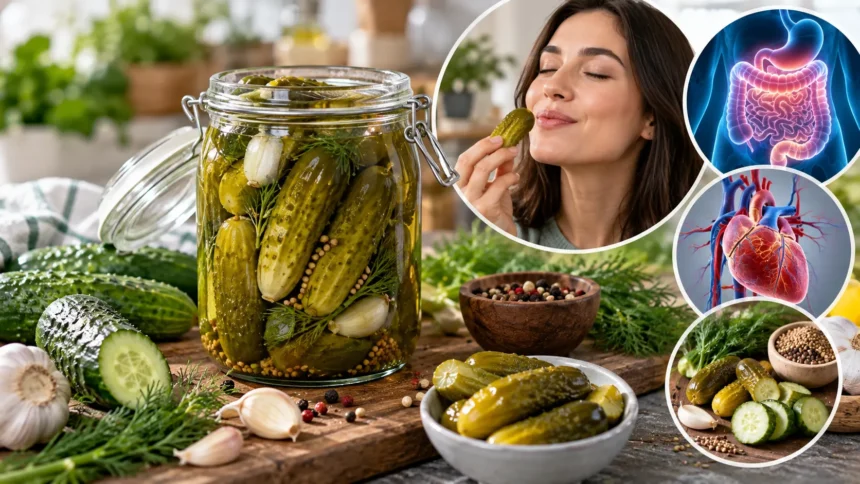
Are Pickles Good for You? Benefits & Nutrition Facts
Pickles can be a flavorful addition to meals, but whether they are “good for you” depends on the type you choose, how much you eat, and what the rest of your diet looks like. Most pickles begin as cucumbers that are preserved in vinegar, brine, salt, or through fermentation. They are usually low in calories and can provide small amounts of vitamin K, antioxidants, and other nutrients found naturally in cucumbers. Fermented pickles may also contain beneficial bacteria that support gut health, although not every jar on a supermarket shelf contains live probiotics. At the same time, many pickles are high in sodium, which can be an important consideration for people managing blood pressure or kidney conditions.
The nutritional value of pickles can vary considerably depending on how they are prepared. A naturally fermented pickle is different from a vinegar-based pickle that has been pasteurized, and a sweet pickle can contain much more added sugar than a standard dill pickle. Pickle juice has also become popular among athletes because of its sodium and vinegar content, but it is not necessary for everyone and can be excessively salty. Pickles can fit into a balanced diet when portions are reasonable and sodium intake is considered across the day. This guide explains pickle nutrition facts, possible health benefits, probiotics, sodium concerns, weight-loss considerations, pickle juice, different types of pickles, and how to choose healthier options.
What Are Pickles and How Are They Made?
Pickles are foods preserved in an acidic or salty environment that slows spoilage and changes flavor and texture. In many countries, the word “pickle” commonly refers to cucumbers preserved in brine or vinegar, although many other vegetables and fruits can also be pickled. Cucumbers are particularly popular because they absorb flavors easily while retaining a crisp texture when processed correctly. Garlic, dill, mustard seeds, peppercorns, chili, and other spices are frequently added. The preservation process can produce flavors ranging from sour and salty to sweet, spicy, or strongly fermented. The ingredients used directly influence both the taste and nutritional profile.
Vinegar pickles are typically made by placing cucumbers in a solution containing vinegar, water, salt, and seasonings. The acidity of vinegar creates an environment that discourages the growth of many harmful microorganisms. These pickles develop their sour flavor primarily from acetic acid rather than bacterial fermentation. Commercial products may also be heat-treated or pasteurized to improve shelf stability. This process can make the product safer and more consistent but also means it generally does not contain active probiotic cultures. A vinegar pickle can still be nutritious, but its benefits should not automatically be described as probiotic.
Fermented pickles are made differently. Cucumbers are placed in a salt brine and allowed to ferment as naturally occurring lactic acid bacteria multiply. These bacteria convert sugars into lactic acid, gradually lowering the pH and producing the characteristic sour taste. When fermented pickles are not pasteurized after fermentation, they may retain live microorganisms. These are the types of pickles most likely to provide probiotic benefits. However, the number and specific strains of live bacteria can vary from product to product, so fermented pickles are not standardized probiotic supplements.
Sweet pickles usually contain added sugar in addition to vinegar, salt, and spices. Bread-and-butter pickles are a common example and often taste noticeably sweeter than dill pickles. Their calorie and carbohydrate content can therefore be higher, particularly when the brine contains substantial amounts of sugar. This does not mean sweet pickles must be completely avoided, but serving size becomes more relevant. Someone eating pickles for a low-calorie snack may prefer unsweetened dill varieties. Comparing nutrition labels can quickly show how much sugar differs between products.
Homemade pickles can be prepared through either vinegar preservation or fermentation, but food safety matters. Proper acidity, salt concentration, cleanliness, refrigeration, and tested preservation methods help reduce the risk of harmful microbial growth. Simply placing vegetables in flavored water is not the same as safely pickling them. Fermentation also requires appropriate handling and storage to produce a safe final product. People new to home preservation should follow reliable food-safety methods rather than improvising ingredient ratios. When prepared correctly, homemade pickles allow greater control over sodium, sugar, spices, and overall flavor.
Pickle Nutrition Facts
Pickles are generally low in calories because fresh cucumbers are made mostly of water and contain relatively little carbohydrate, fat, or protein. A typical dill pickle may provide only a small number of calories per serving, depending on its size and preparation. This makes pickles an appealing option for people who want strong flavor without adding many calories to a meal. However, calorie content should not be the only nutritional consideration. Sodium can be relatively high even in a very low-calorie serving. A food can therefore be light in calories while still affecting another important part of the diet.
Vitamin K is one of the more notable micronutrients found in cucumber pickles. This vitamin contributes to normal blood clotting and bone metabolism. The amount varies by product because processing, cucumber variety, serving size, and preparation can influence nutrient retention. Pickles may also provide very small amounts of vitamin A, calcium, potassium, and other micronutrients. However, they should not be considered a major source of most vitamins and minerals. Fresh vegetables eaten in larger portions generally contribute a broader range of nutrients with less sodium.
Sodium is usually the most significant nutrient on a pickle label. Salt is traditionally used for flavor, preservation, and fermentation, so a small serving can contribute a meaningful percentage of a person’s daily sodium intake. People who eat several large pickles or drink pickle brine may consume much more sodium than they realize. This becomes especially important when the rest of the diet already includes processed meats, restaurant meals, packaged snacks, sauces, and other salty foods. Checking the nutrition label helps put the serving into the context of total daily intake.
Carbohydrate levels vary depending on whether the pickle is sweetened. Dill and sour pickles usually contain relatively little carbohydrate because cucumbers themselves are low in sugar. Sweet varieties can contain significantly more because sugar is added to the brine. People managing blood glucose or following lower-carbohydrate eating patterns may therefore prefer unsweetened varieties. The term “pickle” alone does not indicate whether a product is low in sugar. Reading both the ingredient list and the nutrition facts panel is the most reliable approach.
Pickles also contain water, which contributes to their crisp texture and volume. Because they are mostly water, they can add bulk and flavor to sandwiches, salads, burgers, and snack plates without greatly increasing energy intake. However, they are not a meaningful source of protein or healthy fats. A balanced snack may pair pickles with a protein-rich food such as eggs, yogurt, beans, tuna, or a small portion of cheese, depending on individual needs. Looking at pickles as a condiment or side rather than a complete food gives a more realistic picture of their nutritional role.
Potential Health Benefits of Eating Pickles
One practical benefit of pickles is that they provide intense flavor with relatively few calories. Sour, salty, and spicy flavors can make simple meals feel more satisfying without requiring large amounts of high-calorie sauces or fried toppings. This can be useful for people trying to improve the taste of vegetables, sandwiches, grain bowls, or protein-rich meals while keeping energy intake moderate. Pickles can also add crunch, which may make meals more enjoyable. Enjoyment matters because healthy eating is easier to maintain when food tastes appealing. Their low calorie content does not make them a weight-loss food by itself, but it can make them a useful ingredient.
Fermented pickles may support gut health because they can contain live lactic acid bacteria. These microorganisms are involved in fermentation and may contribute to microbial diversity in the digestive system. Some fermented foods are associated with beneficial effects on digestion and the gut microbiome when eaten regularly as part of a balanced diet. However, not every fermented pickle contains the same organisms or the same number of live cultures. Pasteurization after fermentation can destroy most active bacteria. Consumers looking specifically for probiotics should choose products labeled as fermented or containing live cultures and stored appropriately.
Pickles may also provide small amounts of antioxidant compounds naturally present in cucumbers, herbs, and spices. Plant foods contain compounds that help protect cells from oxidative processes, although the amount in a typical pickle serving is modest. Garlic, dill, mustard seed, chili, and other additions can contribute their own plant chemicals as well. It would be an exaggeration to describe pickles as a major antioxidant treatment. Still, they can contribute variety to a diet rich in vegetables and other plant foods. Dietary variety is generally more important than relying on one food for antioxidant protection.
The acidity of vinegar-based pickles has also attracted interest because vinegar can influence blood glucose responses after certain meals. Acetic acid may slow aspects of digestion or affect how the body handles carbohydrates in some situations. However, eating a few pickles should not be considered a treatment for diabetes or a reliable way to control blood sugar. Sweet pickles may also contain enough added sugar to work against that goal. People with diabetes should focus on the entire meal, total carbohydrate intake, medication, activity, and other established management strategies. Pickles can be included when they fit those needs.
Pickles may also help people include more vegetables in meals, especially when they enjoy strong savory flavors. Someone who dislikes plain cucumber or other vegetables may be more willing to eat them in pickled form. This can expand food variety, although fresh and cooked vegetables should still make up a larger share of vegetable intake because they generally contain less sodium. Pickling can also reduce food waste by extending the usable life of seasonal produce. From a practical perspective, having shelf-stable or refrigerated pickled vegetables available can make meals easier to assemble. Convenience can support better eating habits when the healthier option is also easy to use.
Are Fermented Pickles Good for Gut Health?
Fermented pickles differ from ordinary vinegar pickles because beneficial bacteria create the sour flavor during fermentation. Lactic acid bacteria naturally present on vegetables multiply in a salty environment and convert sugars into lactic acid. This process lowers the pH, changes the flavor, and helps preserve the cucumbers. If the product remains unpasteurized, some of those microorganisms may still be alive when the pickle is eaten. These live cultures are the reason fermented pickles are sometimes described as probiotic foods. Their potential gut benefits are therefore more plausible than those of pasteurized vinegar pickles.
Probiotics are live microorganisms that may provide health benefits when consumed in adequate amounts. However, the term is sometimes applied too broadly to all fermented foods. A fermented pickle can contain beneficial microbes, but the exact species, dose, and survival through digestion may not be clearly documented. This makes it different from a probiotic supplement with specifically identified strains. Even so, fermented foods can contribute to dietary microbial exposure and may complement other gut-friendly foods. Yogurt, kefir, kimchi, sauerkraut, and fermented vegetables are additional examples.
Gut health depends on more than probiotics alone. Dietary fiber is especially important because many beneficial gut bacteria feed on fibers and resistant starches from plant foods. Pickles themselves are relatively low in fiber when eaten in small portions, so they should not replace fruits, vegetables, beans, whole grains, nuts, or seeds. Combining fermented foods with fiber-rich meals provides a broader approach to supporting the gut microbiome. Sleep, stress, physical activity, medications, and overall diet also influence digestive health. No single fermented food can independently create a “perfect” microbiome.
People with sensitive digestion may not tolerate fermented pickles equally well. Their acidity, salt, garlic, spices, or fermentation byproducts can trigger symptoms in some individuals. People who experience reflux may find acidic foods uncomfortable, while those with certain digestive conditions may react to garlic or other ingredients. Fermented foods can also contain histamine and related compounds that some sensitive individuals report difficulty tolerating. These reactions are highly individual. A food that supports one person’s digestion may worsen bloating or discomfort in another.
When shopping for probiotic pickles, refrigerated products are often more likely to contain live cultures than shelf-stable jars, although refrigeration alone does not guarantee this. Look for labels that say naturally fermented, unpasteurized, or contain live cultures. Vinegar listed as the primary souring agent may indicate that the product was acidified rather than traditionally fermented. The label or manufacturer may provide additional details about processing. Consumers do not need fermented pickles to maintain a healthy gut, but they can be one enjoyable component of a diverse diet when tolerated.
Are Pickles Good for Weight Loss?
Pickles can fit well into a weight-loss diet because most unsweetened varieties are low in calories. A serving can add strong flavor, acidity, and crunch to meals without contributing the same calorie load as creamy sauces, fried toppings, or large amounts of cheese. This can make lower-calorie meals more appealing and easier to maintain. Pickles can also work as a light snack for people who enjoy salty foods. However, simply adding pickles to an otherwise excessive calorie intake will not cause weight loss. Fat loss still depends primarily on maintaining an appropriate energy deficit over time.
The strong flavor of pickles may help some people feel more satisfied with simpler meals. Adding chopped pickles to tuna, egg dishes, salads, sandwiches, or grain bowls can provide contrast without requiring a large serving. This can be particularly helpful when someone is reducing calorie-dense condiments. However, appetite response differs from person to person. Some people may find salty foods stimulate them to keep eating rather than feel satisfied. Paying attention to individual hunger and eating patterns is more useful than assuming pickles have a universal appetite-suppressing effect.
Sodium is the main concern when using pickles frequently during weight loss. A high-sodium meal can temporarily increase water retention, which may cause the number on the scale to rise even when body fat has not increased. This can confuse people who weigh themselves daily and assume their diet has stopped working. The change is usually related to fluid balance rather than sudden fat gain. Consistent eating patterns and longer-term weight trends provide more useful information. Reducing extremely salty foods may also make body-weight fluctuations easier to interpret.
Sweet pickles deserve additional attention because they can contain added sugar. Their calorie content may still be moderate in a small serving, but eating large amounts can contribute more carbohydrate and energy than expected. People choosing pickles specifically as a low-calorie snack should compare dill, sour, and sweet varieties. Nutrition labels make these differences easy to identify. The best option depends on personal taste and overall diet rather than a strict rule that one type is always unhealthy. Portion size remains important regardless of variety.
Pickles should ideally be used alongside foods that provide protein, fiber, and healthy fats. A meal containing vegetables, lean protein, whole grains, and a small amount of pickles is more nutritionally complete than a snack consisting only of several pickles. Protein and fiber are especially useful for fullness during weight loss. Relying heavily on low-calorie salty foods can leave nutritional gaps even when total calories are controlled. Pickles can support a weight-management plan, but they work best as a flavorful addition rather than the foundation of the diet.
Pickles, Sodium and Blood Pressure
Sodium is essential for normal nerve signaling, muscle function, and fluid balance, but many people consume more than they need. Pickles can be a significant sodium source because salt plays an important role in preservation and flavor. A single large pickle may contain several hundred milligrams of sodium depending on the brand and recipe. Eating multiple servings can therefore add up quickly. People who frequently consume restaurant meals, packaged foods, processed meats, sauces, or salty snacks may already have high sodium intake before pickles are included. Looking at total dietary sodium provides more useful information than judging one food alone.
High sodium intake can contribute to elevated blood pressure in people who are salt-sensitive. Over time, uncontrolled high blood pressure increases the risk of heart disease, stroke, kidney disease, and other health problems. Not everyone responds to sodium in exactly the same way, but reducing excessive intake is commonly recommended for cardiovascular health. People with hypertension should pay particular attention to pickle portions. Choosing lower-sodium products can help while still allowing the flavor of pickles in meals. Rinsing certain pickles briefly may also remove some surface brine, although it will not eliminate all sodium.
Low-sodium pickles are increasingly available and can be a useful alternative for people who enjoy pickled foods regularly. Manufacturers may reduce salt and use stronger vinegar, herbs, spices, or other flavoring ingredients to maintain taste. The term “reduced sodium” does not necessarily mean the product is low in sodium overall, so reading the actual milligram amount per serving remains important. Serving sizes can also be surprisingly small. Someone who eats three servings at once should multiply the listed sodium accordingly. This simple calculation can prevent underestimating intake.
People with kidney disease may need even more careful sodium management. The kidneys help regulate fluid and sodium balance, and impaired kidney function can make excess sodium more problematic. High intake may contribute to swelling, increased blood pressure, or fluid retention in susceptible individuals. People with heart failure may also follow specific sodium and fluid recommendations. In these situations, generic advice about “healthy fermented foods” should not override individualized medical guidance. A fermented pickle can contain beneficial bacteria while still being too salty for someone’s treatment plan.
For healthy people who eat a balanced diet and have no sodium-sensitive condition, moderate pickle consumption is unlikely to be a major concern by itself. Problems are more likely when pickles are combined with many other high-sodium foods throughout the day. Pairing them with fresh vegetables, minimally processed proteins, whole grains, and other lower-sodium foods can help maintain balance. Flavor does not need to be eliminated completely for a diet to be heart-conscious. Portion awareness and label reading allow people to enjoy pickles while keeping sodium within an appropriate range.
Is Pickle Juice Good for You?
Pickle juice is the liquid in which pickles are stored, usually containing water, vinegar or fermentation acids, salt, and seasonings. It has become popular as a sports drink alternative and a home remedy for muscle cramps. The high sodium content can help replace some salt lost through heavy sweating, particularly during prolonged exercise in hot conditions. Some athletes also report that small amounts of pickle juice help relieve muscle cramps quickly. Researchers have explored possible nervous-system mechanisms involving the strong acidic taste rather than simple electrolyte replacement. However, pickle juice is not necessary for ordinary workouts or daily hydration.
For people exercising for less than an hour under moderate conditions, water is usually sufficient for hydration. A balanced diet normally replaces the sodium and other electrolytes lost through routine activity. Drinking large amounts of pickle juice can provide far more sodium than needed. People with high blood pressure, kidney disease, or heart conditions should be especially cautious. Commercial electrolyte beverages may provide more balanced amounts of sodium, potassium, and carbohydrate for specific endurance situations. The best hydration strategy depends on exercise duration, climate, sweat rate, and individual health.
Vinegar in pickle juice is sometimes claimed to support blood sugar management. Acetic acid can influence glucose responses to certain carbohydrate-containing meals, but this does not mean pickle juice should be used as diabetes treatment. The sodium content may also make frequent consumption inappropriate for some individuals. Sweet pickle juice can contain added sugar, which further changes its nutritional profile. People interested in vinegar’s metabolic effects can obtain it from other foods without consuming a concentrated salty brine. Medication and overall meal composition remain far more important for diabetes management.
Pickle juice may also stimulate digestion because acidic flavors can increase saliva and influence digestive sensations. Some people enjoy a small amount with food, while others experience heartburn, nausea, or stomach irritation. Individuals with acid reflux may find vinegar-based brine particularly uncomfortable. Drinking large quantities on an empty stomach can also cause digestive upset. The fact that a food is associated with fermentation does not automatically mean its liquid is a therapeutic digestive drink. Individual tolerance should guide use.
In small culinary amounts, pickle juice can be useful as an ingredient rather than a beverage. It can add acidity and seasoning to salad dressings, marinades, potato salad, sauces, or savory dips. This approach provides flavor while limiting the amount of sodium consumed at one time. People who intentionally drink it after intense endurance exercise should consider how much sodium they actually need. For most individuals, pickle juice is best treated as a salty condiment rather than a daily wellness tonic. Its usefulness depends on context rather than broad claims that everyone should drink it.
Different Types of Pickles and Which Are Healthier
Dill pickles are among the most common varieties and are usually made with cucumbers, vinegar or fermented brine, salt, dill, garlic, and spices. Unsweetened dill pickles tend to be very low in calories and sugar. Their main nutritional drawback is sodium, which can vary widely between brands. Naturally fermented dill pickles may also contain live cultures when they are not pasteurized. For many people, an unsweetened lower-sodium dill pickle offers a practical balance between flavor and nutrition. The exact product label is still more important than the category name alone.
Sour pickles are often fermented rather than sweetened, giving them a strong acidic flavor. Traditional fermentation can produce beneficial lactic acid bacteria, making unpasteurized sour pickles an appealing choice for people interested in fermented foods. Their sodium content can still be high because salt is required for proper fermentation. Half-sour pickles are usually fermented for a shorter period and may have a fresher cucumber flavor. Both can be nutritious additions in small portions. People seeking probiotic benefits should confirm that the product contains live cultures rather than assuming sour taste automatically means probiotics are present.
Bread-and-butter pickles are sweeter and usually contain sugar along with vinegar, salt, onions, and spices. They can still be enjoyed as part of a balanced diet, but their added sugar makes them different nutritionally from dill or sour varieties. The serving size is often small, which can make the sugar amount appear modest on the label. Eating several servings increases both sugar and sodium intake. People watching carbohydrate intake may prefer unsweetened varieties more often. However, enjoying a small portion of sweet pickles occasionally does not make an otherwise healthy diet unhealthy.
Spicy pickles may contain chili peppers, red pepper flakes, jalapeños, or hot sauce ingredients. Capsaicin from hot peppers contributes heat and has been studied for various metabolic and sensory effects, but the amount in pickles varies. Spicy options can add substantial flavor without much additional calorie content. People with reflux, sensitive digestion, or mouth irritation may find them uncomfortable. Sodium can still be high regardless of spice level. Choosing spicy pickles should therefore be based on taste and tolerance rather than expecting unique weight-loss or metabolism benefits.
Other pickled vegetables can expand variety beyond cucumbers. Carrots, radishes, cauliflower, onions, cabbage, beets, peppers, and green beans can all be pickled. These vegetables provide different vitamins, pigments, fibers, and plant compounds. Naturally fermented mixed vegetables may also contain live microorganisms when handled and stored appropriately. However, sodium and added sugar remain important considerations across all pickled foods. A diet containing both fresh vegetables and a moderate amount of pickled vegetables generally provides more nutritional variety than relying heavily on one type.
How to Choose Healthier Pickles
Start by checking the sodium content per serving. Two similar jars can contain very different amounts even when both are labeled dill pickles. Compare products using the same serving size whenever possible. If you eat pickles frequently, choosing a lower-sodium option can significantly reduce cumulative intake. Remember to account for how many servings you actually eat rather than assuming one whole pickle equals the serving listed. Sodium is often the biggest nutritional difference between pickles and fresh cucumbers.
Next, check for added sugar. Sugar may appear in sweet pickles, bread-and-butter pickles, flavored varieties, or specialty brines. People who want a low-sugar option can choose products with little or no added sweetener. The ingredient list can reveal sugar, corn syrup, or other sweetening ingredients even when the front label emphasizes natural flavors. Small amounts are not necessarily problematic, but they should fit into the overall diet. Unsweetened pickles are usually the simplest choice when you want strong flavor with minimal calories and carbohydrates.
If probiotics are the main reason you are buying pickles, look for naturally fermented and unpasteurized products. Refrigerated pickles are often more likely to contain live cultures, though the packaging should ideally confirm this. Shelf-stable vinegar pickles may taste sour but typically do not offer the same live bacteria. The words “fermented” and “contains live cultures” are more meaningful than general marketing phrases such as “gut friendly.” Be aware that fermented products can still contain substantial sodium. Probiotic potential does not cancel out the need to consider the rest of the nutrition label.
Ingredient simplicity can also be helpful. Cucumbers, water, vinegar or fermented brine, salt, herbs, and spices are enough to make flavorful pickles. Additional ingredients may be used for texture, preservation, or coloring and are not automatically harmful. However, people with specific sensitivities may prefer simpler formulations. Those who experience digestive symptoms from garlic, certain sweeteners, or spicy ingredients can select varieties without those additions. The healthiest product is partly determined by individual needs, not simply by the shortest ingredient list.
Finally, consider how pickles fit into the entire meal. A lower-sodium pickle on a plate with vegetables, beans, lean protein, and whole grains is different nutritionally from several pickles served with processed meat, salty chips, and a high-sodium sauce. Foods should rarely be evaluated in isolation. Pickles can provide flavor, crunch, and enjoyment while helping make nutritious meals more appealing. Moderate portions allow these advantages without excessive sodium. The best choice is one you enjoy, tolerate well, and can fit comfortably into your overall eating pattern.
Frequently Asked Questions
Are pickles healthy to eat every day?
Pickles can be eaten regularly in moderate portions, especially unsweetened varieties. However, many are high in sodium, so people who eat them daily should consider their total sodium intake from other foods.
Do pickles have probiotics?
Naturally fermented, unpasteurized pickles may contain live beneficial bacteria. Vinegar-based or pasteurized pickles generally do not provide the same probiotic benefit.
Are pickles good for weight loss?
Unsweetened pickles are low in calories and can add flavor and crunch to meals without greatly increasing energy intake. They do not directly burn fat, so weight loss still depends on overall calorie balance and sustainable eating habits.
Are pickles bad for high blood pressure?
Pickles can be high in sodium, which may be a concern for people with high blood pressure or salt sensitivity. Lower-sodium varieties and smaller portions can make them easier to include in a heart-conscious diet.
Is pickle juice healthy?
Pickle juice can provide sodium and may be useful in specific situations such as prolonged heavy sweating, but it is not necessary for most people. Its high sodium and acidity mean large or frequent servings may be unsuitable for people with hypertension, kidney disease, heart conditions, or acid reflux.