
Hemorrhoids are swollen veins in or around the lower rectum and anus that can cause itching, soreness, pressure, or bleeding. They are common and often improve with simple home-care measures, especially when constipation or straining is the main trigger. The goal of hemorrhoid self-care is to reduce irritation, keep stools soft, and give swollen tissue time to settle.
Mild hemorrhoid symptoms can often be managed without complicated treatment. Warm baths, gentle cleaning, more fiber, adequate fluids, and healthier bathroom habits may provide noticeable relief. However, rectal bleeding and persistent pain should never automatically be assumed to come from hemorrhoids, so knowing when to seek medical advice is just as important as knowing what you can try at home.
Understand What Causes Hemorrhoid Symptoms
Hemorrhoids develop when increased pressure causes veins around the rectum or anus to swell. Constipation, repeated straining, sitting on the toilet for long periods, pregnancy, heavy lifting, and frequent diarrhea can all contribute. Some people have internal hemorrhoids inside the rectum, while others develop external hemorrhoids beneath the skin around the anus.
Symptoms vary depending on the type and severity. Internal hemorrhoids may cause bright red bleeding during bowel movements without much pain, whereas external hemorrhoids can produce itching, swelling, soreness, or a tender lump. A blood clot can occasionally develop inside an external hemorrhoid, creating sudden and sometimes intense pain that may require professional assessment.
Home care is most appropriate when symptoms are mild and you otherwise feel well. Do not rely entirely on self-diagnosis if bleeding is new, recurrent, heavy, or accompanied by abdominal pain, weakness, dizziness, unexplained weight loss, or changes in bowel habits. Other digestive conditions can produce similar symptoms and may need medical evaluation.
Try Warm Sitz Baths for Soothing Relief
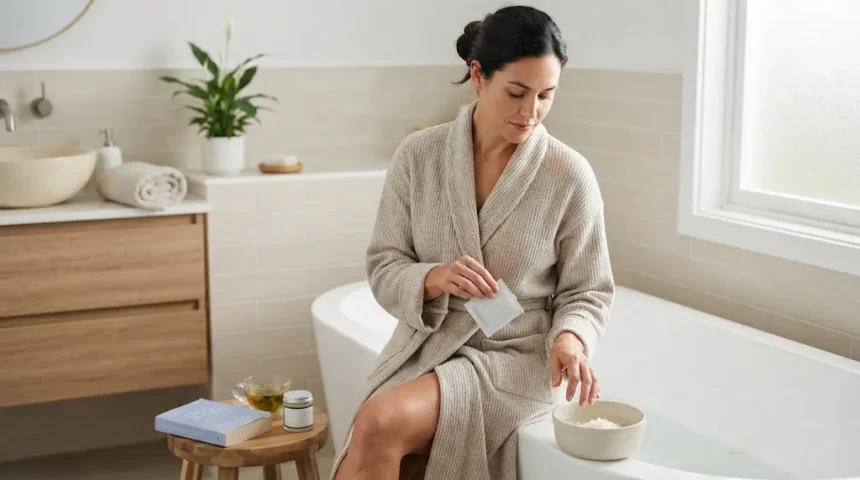
A warm sitz bath is one of the simplest ways to relieve hemorrhoid discomfort. Sitting in shallow warm water for about 10 to 15 minutes can relax the anal area, reduce irritation, and make cleaning more comfortable. You can use a clean bathtub or a sitz-bath basin designed to fit over a toilet.
The water should feel comfortably warm rather than hot. Plain water is usually enough, and strongly scented soaps, bath products, or harsh additives may irritate sensitive skin. After soaking, gently pat the area dry with a soft towel instead of rubbing, because friction can worsen itching and inflammation around swollen hemorrhoidal tissue.
You can repeat a warm bath several times a day if it feels helpful, particularly after bowel movements. Sitz baths do not cure the underlying pressure that caused hemorrhoids, so they work best when combined with stool-softening habits and less straining. Think of warm water as a comfort measure while other lifestyle changes address the source of irritation.
Use Cold Compresses for Swelling
Cold therapy can help when external hemorrhoids feel swollen, tender, or irritated. A cool compress or ice pack wrapped in a soft cloth may temporarily reduce swelling and numb discomfort. Apply it for short periods rather than holding ice directly against the skin, because prolonged cold exposure can damage delicate tissue.
Try using a wrapped cold pack for around 10 minutes, then allow the skin to return to its normal temperature before applying it again. Some people find alternating cool compresses with warm sitz baths especially soothing. Pay attention to how your body responds and stop if cold therapy increases pain, numbness, or skin irritation.
Cold compresses are mainly intended for temporary symptom relief. They will not correct constipation, prolonged straining, or other habits that may have contributed to the hemorrhoid. For longer-lasting improvement, combine short-term comfort measures with dietary fiber, regular hydration, gentle activity, and better bowel routines throughout the day.
Keep the Area Clean Without Irritation
Gentle hygiene can reduce itching and discomfort, but excessive cleaning often makes hemorrhoids worse. After a bowel movement, use soft unscented toilet paper or rinse gently with lukewarm water. Avoid scrubbing the area because inflamed skin and swollen veins can become more irritated when exposed to repeated friction.
Fragranced wipes, perfumed soaps, deodorizing sprays, and strongly scented personal-care products may sting or cause irritation. If you use moist wipes, choose an unscented option and avoid rubbing repeatedly. Keeping the area dry afterward is also important because prolonged moisture can contribute to skin irritation and make itching more noticeable.
Loose, breathable underwear can help keep the area comfortable throughout the day. Change damp clothing after exercise and avoid sitting for long periods in sweaty garments. Good hygiene does not mean trying to make the area completely sterile; the aim is simply to remove residue gently without damaging sensitive skin or creating additional inflammation.
Eat More Fiber to Make Stools Softer
Fiber is one of the most useful parts of hemorrhoid self-care because it helps stools become softer and easier to pass. Foods such as oats, beans, lentils, vegetables, fruits, whole grains, seeds, and nuts can increase daily fiber intake. Softer stools reduce the need for forceful straining, which helps lower pressure around hemorrhoidal veins.
Increase fiber gradually rather than making a dramatic change overnight. Adding too much too quickly can cause bloating, gas, or abdominal discomfort, especially if your normal diet contains little fiber. Spreading fiber-rich foods across meals and pairing them with adequate fluids usually makes the transition easier on your digestive system.
Some people use fiber supplements when dietary changes are not enough. Psyllium and other bulk-forming products can help improve stool consistency, but they need enough fluid to work safely. If you have swallowing problems, bowel obstruction concerns, significant digestive disease, or take several medications, ask a healthcare professional before starting a new supplement.
Drink Enough Fluids During the Day
Adequate hydration supports softer stools and makes dietary fiber more effective. Water is usually the easiest choice, but other fluids and water-rich foods can also contribute to daily intake. Your needs vary with body size, climate, activity, pregnancy, diet, and medical conditions, so there is no single amount that fits everyone.
A useful practical sign is avoiding persistent thirst and very dark urine, although these are not perfect measures of hydration. Keep water nearby if you frequently forget to drink during work or travel. Increasing fluids alone may not relieve hemorrhoids, but it can make constipation management easier when combined with fiber and regular movement.
People with heart failure, kidney disease, or other conditions requiring fluid restriction should follow their clinician’s advice rather than deliberately increasing water intake. Similarly, large amounts of alcohol are not a good hydration strategy. Focus on steady fluid intake throughout the day instead of drinking excessive quantities all at once.
Improve Your Bathroom Habits
Straining during bowel movements increases pressure around the rectal veins and can aggravate hemorrhoids. When you feel the urge to go, try not to delay for long periods because stool may become harder and more difficult to pass. Sit comfortably, breathe normally, and avoid forcing a bowel movement when nothing is happening.
Do not turn toilet time into extended phone or reading time. Remaining seated on the toilet for long periods keeps pressure concentrated around the anus even when you are not actively straining. If a bowel movement does not happen within several minutes, get up, walk around, drink some water, and try again later.
A small footstool may help some people achieve a more comfortable position by raising the knees slightly above the hips. This can change the angle of the rectum and sometimes make bowel movements easier. The goal is not to push harder but to create conditions that allow stool to pass with as little effort as possible.
Stay Active and Avoid Prolonged Sitting
Regular physical activity supports healthy bowel function and can reduce constipation for many people. Walking, light cycling, swimming, and other moderate activities encourage general movement without placing excessive pressure on irritated hemorrhoids. Even short walks throughout the day can be helpful if your work requires sitting at a desk for many hours.
Try to break up long periods of sitting by standing or walking briefly every hour. Sitting itself does not automatically cause hemorrhoids, but inactivity can contribute to constipation and prolonged pressure in the pelvic area. A supportive chair and regular movement breaks may also make existing soreness more manageable during workdays.
If an activity noticeably increases anal pain or swelling, reduce the intensity temporarily while symptoms improve. Heavy lifting can increase abdominal pressure, particularly when you hold your breath or strain during the movement. Use proper technique, breathe steadily, and avoid unnecessary heavy exertion during a painful hemorrhoid flare.
Consider Over-the-Counter Relief Carefully
Pharmacies sell creams, ointments, pads, suppositories, and other products marketed for hemorrhoid symptoms. Some provide temporary relief from itching, irritation, or discomfort, but they are not all intended for prolonged use. Read the label carefully and follow the recommended duration instead of repeatedly applying stronger products whenever symptoms return.
Products containing ingredients such as witch hazel or protective ointments may soothe irritation for some people. Short-term products containing hydrocortisone can reduce itching and inflammation, but excessive or prolonged use may thin or irritate sensitive skin. If you are pregnant, breastfeeding, taking medications, or have another medical condition, ask a pharmacist or clinician which options are appropriate.
Pain relievers may also help with discomfort, but they should be chosen according to your individual health situation. Certain medicines are unsuitable for people with stomach ulcers, kidney problems, bleeding risks, or particular medication interactions. If pain is severe enough to require frequent medication, it is better to obtain medical advice than continue treating the problem indefinitely at home.
Consider Constipation and Medication Changes
Some medicines and supplements can affect bowel habits by causing constipation or diarrhea, both of which may worsen hemorrhoid symptoms. If your symptoms began after starting a new medication, do not stop a prescribed treatment on your own. Instead, ask the prescriber or pharmacist whether bowel changes are expected and how they can be managed safely.
Weight-loss medications may also change appetite and digestion in some people, potentially affecting bowel regularity. Anyone using semaglutide who is researching other treatment-related changes may also find information about Ozempic face useful. The important point for hemorrhoid care is to address constipation or repeated diarrhea early rather than allowing prolonged straining and irritation to continue.
Keep track of bowel frequency, stool consistency, new supplements, and recent medication changes if symptoms repeatedly flare. This information can help a healthcare professional identify contributing factors more easily. Medication-related digestive changes can often be managed, but the best approach depends on the specific treatment and your overall medical history.
Know When Hemorrhoids Need Medical Care
Seek medical advice if rectal bleeding is new, persistent, recurrent, or difficult to explain. Bright red blood can occur with hemorrhoids, but bleeding can also come from anal fissures, intestinal inflammation, polyps, or other digestive conditions. A healthcare professional can determine whether an examination or additional testing is needed instead of assuming hemorrhoids are responsible.
Severe pain, significant swelling, fever, pus, dizziness, faintness, black or tarry stool, or heavy bleeding requires more urgent evaluation. Sudden intense pain from a firm external lump may indicate a thrombosed hemorrhoid, which sometimes benefits from prompt treatment. Do not continue home remedies for days while symptoms are rapidly worsening or interfering with normal activities.
You should also seek care when symptoms fail to improve after about a week of reasonable home treatment or keep returning frequently. Medical options can include prescription treatments, office procedures, or surgery depending on the type and severity of hemorrhoids. Getting assessed does not automatically mean you will need an invasive procedure.
Conclusion
Hemorrhoid self-care works best when it reduces irritation while addressing the pressure that caused symptoms in the first place. Warm sitz baths, cold compresses, gentle hygiene, fiber, adequate fluids, and healthier bathroom habits can provide meaningful relief for many mild cases. Regular movement and avoiding unnecessary straining can further support healing.
Over-the-counter products may provide short-term comfort, but they should not replace attention to constipation, diarrhea, medication effects, or recurring bleeding. Avoid harsh cleaning and prolonged sitting on the toilet, and give swollen tissue time to settle. Small changes maintained consistently often help more than repeatedly switching between temporary remedies.
Most importantly, do not assume every episode of rectal pain or bleeding is harmless hemorrhoids. Seek medical care when symptoms are severe, persistent, unusual, or accompanied by other concerning signs. Appropriate self-care can be effective, but professional evaluation remains important whenever the cause is uncertain or home treatment is not working.
FAQs
How long do hemorrhoids usually take to improve?
Mild hemorrhoid symptoms may begin improving within several days with proper home care. Larger or more irritated hemorrhoids can take longer, and symptoms lasting beyond about a week should be discussed with a healthcare professional.
What is the fastest way to soothe hemorrhoid pain at home?
Warm sitz baths, wrapped cold compresses, gentle cleaning, and avoiding straining can provide relatively quick comfort. Over-the-counter products may also help temporarily when used according to their directions.
Can hemorrhoids go away without treatment?
Yes, mild hemorrhoids can sometimes settle on their own when pressure and irritation decrease. Improving constipation, reducing straining, and keeping stools soft can help the swollen veins recover more comfortably.
What foods should I eat when I have hemorrhoids?
Choose fiber-rich foods such as vegetables, fruits, oats, beans, lentils, and whole grains. Increasing fiber gradually and drinking enough fluids can make stools softer and reduce uncomfortable straining.
When should I worry about bleeding from hemorrhoids?
Seek medical advice for new, repeated, heavy, or unexplained rectal bleeding. Black stools, dizziness, weakness, severe pain, or substantial blood loss require more urgent assessment because another condition may be responsible.