
Yarrow: Benefits, Uses & Possible Side Effects
Yarrow is a flowering herb with a long history of use in traditional herbal medicine, particularly for digestive discomfort, minor skin concerns, menstrual symptoms, and general wellness. Its botanical name is Achillea millefolium, and the plant belongs to the Asteraceae family, which also includes chamomile, daisies, and ragweed. Yarrow grows naturally across many parts of Europe, Asia, and North America and is recognizable by its clusters of small white or pale-colored flowers and finely divided leaves. Today, people commonly use yarrow as herbal tea, tinctures, capsules, extracts, and topical preparations. Interest in yarrow continues because the plant contains naturally occurring compounds with antioxidant and anti-inflammatory properties.
Although yarrow has been used for centuries, traditional use should not automatically be treated as proof that the herb can prevent or treat medical conditions. Laboratory and animal studies have identified several potentially useful plant compounds, but high-quality human research remains limited for many popular yarrow benefits. That makes it important to separate promising findings from established medical evidence. Yarrow may have a place in a wellness routine for some adults, particularly when used conservatively, but it can also cause allergic reactions and interact with certain medications. Pregnant people and individuals with particular health conditions may need to avoid it. Understanding its possible benefits, uses, limitations, and side effects can help you make a better-informed decision.
What Is Yarrow and Why Has It Been Used Traditionally?
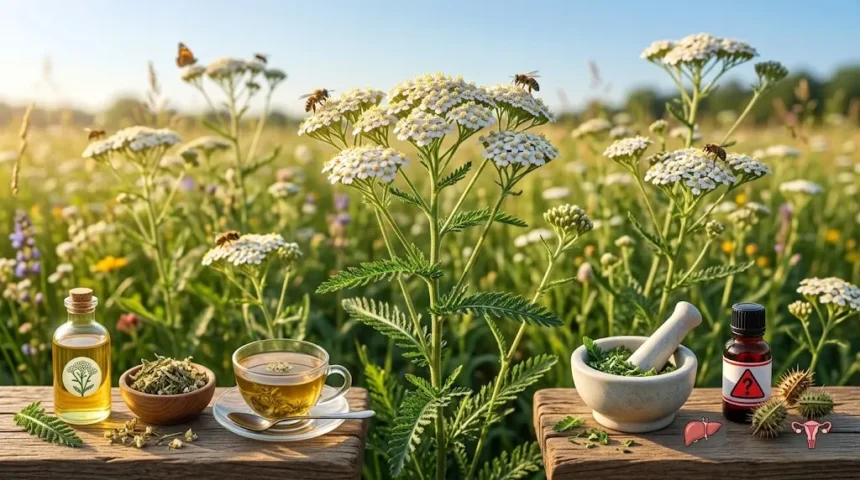
Yarrow is a perennial medicinal herb scientifically known as Achillea millefolium. The plant usually produces fern-like leaves and clusters of small flowers that may appear white, cream, pink, or occasionally other pale shades depending on the variety. It grows in fields, meadows, roadsides, gardens, and other open areas throughout much of the Northern Hemisphere. Herbal preparations generally use the aerial parts of the plant, including the flowers and leaves. Yarrow contains several naturally occurring compounds, including flavonoids, phenolic acids, volatile oils, and other plant chemicals that have attracted scientific interest. These compounds may help explain why yarrow became associated with digestive, skin, circulatory, and inflammatory uses in traditional medicine.
The history of yarrow use stretches back for centuries across different cultures. Herbal practitioners traditionally applied crushed yarrow leaves or preparations to minor wounds and used the plant internally for digestive discomfort, feverish feelings, menstrual concerns, and other common complaints. Its historical reputation for wound care became so strong that the botanical name Achillea is linked with Achilles from Greek mythology. Traditional European herbal medicine also used yarrow in teas and bitters intended to support digestion and appetite. However, historical use does not necessarily mean that every claimed benefit has been confirmed scientifically. Modern researchers continue studying whether traditional applications can be explained by specific biological effects found in the plant.
Yarrow’s potential activity appears to come from a mixture of different plant compounds rather than one single active ingredient. Flavonoids and phenolic compounds may contribute antioxidant activity, while certain volatile components have been investigated for antimicrobial and anti-inflammatory properties. Some compounds may also influence smooth muscle activity, which could help explain traditional use for digestive or menstrual discomfort. The chemical composition can vary depending on plant variety, growing conditions, harvesting time, and processing methods. As a result, two yarrow products may not contain exactly the same concentrations of active compounds. This variability is one reason herbal products can be harder to evaluate than standardized pharmaceutical medicines.
Modern yarrow products are available in several forms, including dried herb for tea, liquid extracts, tinctures, capsules, powders, and topical preparations. Herbal tea is one of the most traditional options because dried flowers and leaves can be steeped in hot water. Tinctures and extracts offer more concentrated preparations, although concentration can vary significantly between manufacturers. Some skin products contain yarrow alongside ingredients such as calendula, chamomile, or aloe. Essential oil made from yarrow is also sold, but concentrated essential oils require greater caution and generally should not be swallowed without qualified professional guidance. The appropriate form depends on how someone intends to use the herb and their individual health considerations.
Interest in yarrow fits into the broader trend toward traditional herbs and plant-based wellness products. Many people are interested in botanical ingredients because they want complementary approaches for mild everyday concerns rather than immediately relying on stronger interventions. However, natural does not automatically mean harmless, and medicinal herbs contain biologically active chemicals capable of producing both benefits and unwanted effects. Yarrow may be useful for certain people, but its role should remain realistic and evidence-aware. It should not replace medical evaluation for persistent pain, heavy bleeding, serious digestive symptoms, infected wounds, or other potentially significant health problems. The most practical approach is to view yarrow as a traditional herbal option rather than a proven cure.
Potential Yarrow Benefits and What the Evidence Suggests
One of the most frequently discussed yarrow benefits is its potential anti-inflammatory activity. Certain compounds found in the plant have shown effects on inflammatory pathways in laboratory and preclinical research. This has encouraged interest in yarrow for conditions involving mild irritation, digestive discomfort, or skin inflammation. However, these findings do not automatically mean drinking yarrow tea will treat inflammatory diseases in humans. The amount and type of compounds used in laboratory studies may differ substantially from what someone receives through an herbal product. For everyday wellness, yarrow may offer mild supportive effects, but claims that it can treat major inflammatory disorders go beyond the current level of reliable human evidence.
Yarrow also contains antioxidant compounds that may help neutralize unstable molecules known as free radicals. Antioxidants are important because oxidative stress can contribute to cellular damage when the body’s natural balance becomes disrupted. Flavonoids and other plant chemicals in yarrow appear to have antioxidant activity when studied under controlled conditions. This property is frequently used to support claims that yarrow promotes general health and cellular protection. Still, antioxidant activity in a laboratory does not necessarily translate into a measurable health outcome in people. A balanced diet rich in vegetables, fruits, whole grains, legumes, herbs, and other plant foods remains a more established strategy for obtaining a broad range of protective nutrients.
Another traditional benefit involves digestive health. Yarrow has historically been considered a bitter herb, meaning its taste and plant compounds may stimulate digestive secretions and appetite in some people. Herbalists have used it for occasional bloating, mild indigestion, cramping, and reduced appetite. Some experimental evidence suggests components of yarrow may influence smooth muscle activity in the digestive tract, potentially helping explain these uses. However, persistent abdominal pain, recurrent vomiting, unexplained weight loss, blood in stool, or severe digestive symptoms require medical attention rather than herbal self-treatment. Yarrow may be considered for occasional mild discomfort, but it should not delay diagnosis when symptoms are unusual or ongoing.
Yarrow is sometimes promoted for cardiovascular and circulatory wellness, although evidence in humans remains preliminary. Laboratory studies have examined whether plant compounds from yarrow may affect blood vessels, blood pressure mechanisms, or clotting-related processes. These findings are interesting but also create an important safety issue because herbs that influence circulation or clotting may interact with medications. Someone taking blood thinners, antiplatelet drugs, or medicines for blood pressure should not assume that yarrow is automatically compatible. The effects of herbal products can become more significant when combined with prescription drugs. People with cardiovascular conditions should therefore discuss yarrow supplements with a healthcare professional rather than experimenting with concentrated preparations independently.
Some research has also explored possible nervous-system effects of yarrow compounds, including activity related to relaxation or stress responses. Traditional herbal combinations occasionally include yarrow with other calming herbs, although it is not generally considered one of the strongest herbs for sleep or anxiety. Animal and laboratory observations cannot establish that yarrow effectively treats anxiety, depression, insomnia, or neurological disorders in people. Anyone experiencing significant emotional or neurological symptoms should seek appropriate professional support instead of relying on an herbal remedy. Yarrow’s most realistic potential benefits remain connected with traditional digestive, topical, and mild inflammatory uses. Future clinical studies may clarify additional applications, but current claims should stay proportionate to the available evidence.
Yarrow for Digestion, Bloating, and Menstrual Discomfort
Yarrow tea has long been used as a digestive herbal drink, particularly after meals or during periods of mild stomach discomfort. The herb’s bitter flavor is traditionally believed to encourage digestive processes, potentially supporting appetite and the production of digestive secretions. Some users drink yarrow tea when experiencing occasional fullness, gas, or mild bloating. The warm liquid itself may also contribute to comfort, just as many caffeine-free herbal teas can feel soothing after eating. Scientific evidence specifically proving yarrow tea relieves common digestive symptoms remains limited. Therefore, it is better viewed as a traditional digestive aid rather than a treatment for gastrointestinal disease.
Another traditional use of yarrow involves intestinal cramping and spasms. Certain compounds in the herb have been investigated for their potential effects on smooth muscles, including muscles found throughout the digestive tract. If these effects occur at practical doses in humans, they might partly explain why yarrow has been used for occasional abdominal discomfort. However, abdominal pain has many possible causes, ranging from temporary gas to serious conditions requiring urgent treatment. Severe pain, fever, persistent diarrhea, dehydration, black stools, bloody stools, or symptoms lasting several days should not be managed solely with herbal remedies. Using yarrow responsibly means recognizing the difference between mild temporary discomfort and symptoms that require medical evaluation.
Yarrow is also commonly associated with menstrual wellness in traditional herbal medicine. Herbalists have historically used yarrow preparations for menstrual cramping, irregular cycles, and other period-related discomforts. Some plant compounds may affect smooth muscle activity or inflammatory pathways, which creates a plausible explanation for why the herb might influence cramps. Nevertheless, evidence from well-designed human clinical trials remains too limited to consider yarrow a proven treatment for dysmenorrhea or menstrual disorders. People experiencing severe cramps, unusually heavy bleeding, persistent pelvic pain, or sudden changes in their cycle should seek healthcare advice. Conditions such as endometriosis, fibroids, infections, and hormonal disorders can produce symptoms that should not be dismissed as ordinary period discomfort.
Traditional descriptions of yarrow can sometimes appear contradictory because the herb has historically been discussed in relation to both bleeding control and menstrual stimulation. Such claims reflect centuries of herbal practice rather than a clearly established pharmacological effect in modern medicine. This uncertainty is particularly important for anyone who experiences abnormal bleeding or takes medication that affects blood clotting. Concentrated yarrow preparations should not be used as a substitute for medical treatment when bleeding is heavy, unexplained, or persistent. Excessive menstrual bleeding can lead to anemia and may indicate an underlying health problem. Anyone soaking through menstrual products unusually quickly, feeling faint, or experiencing severe pain should seek timely medical care.
For people who simply want to try yarrow tea for occasional digestive or menstrual comfort, moderation is important. Starting with a modest amount allows someone to observe whether the herb causes nausea, dizziness, skin symptoms, or other unwanted reactions. Products should be used according to manufacturer directions because strengths differ between teas, extracts, capsules, and tinctures. Combining several herbal products at once can make it difficult to identify which ingredient is causing an effect or side effect. Anyone taking regular medication should check for possible interactions before using concentrated yarrow. Herbal remedies are most useful when they complement sensible self-care rather than replacing appropriate medical evaluation.
Yarrow for Skin, Wounds, and Topical Care
Yarrow has perhaps its strongest historical reputation as a topical herb used on the skin. Traditional practices included applying crushed leaves, poultices, washes, or other preparations to minor cuts and irritated areas. Researchers have become interested in whether the plant’s flavonoids, volatile oils, and other compounds may support normal inflammatory responses or influence microorganisms on the skin. Some experimental studies suggest potential wound-related activity, but clinical evidence remains limited. Modern wound care standards are much more reliable for preventing infection and supporting proper healing. Yarrow should therefore be considered a complementary ingredient for minor skin care rather than a replacement for established first-aid practices.
Some cosmetic and herbal skin products include yarrow extract because of its potential soothing and antioxidant properties. It may appear in creams, serums, toners, balms, and botanical formulations marketed toward irritated or blemish-prone skin. Antioxidant plant compounds can be attractive in skincare because environmental stress can contribute to visible skin aging and irritation. However, the presence of yarrow in a product does not guarantee that it will reduce wrinkles, acne, redness, or other specific concerns. Results depend on concentration, formulation, skin type, and the other ingredients included in the product. People with sensitive skin should patch-test new botanical products because plant extracts can trigger irritation or allergic reactions.
Yarrow should not be placed into deep, heavily contaminated, or infected wounds without professional medical guidance. Serious wounds may require cleaning, closure, antibiotics, vaccination review, or other treatment that herbal remedies cannot provide. Warning signs of infection include increasing redness, warmth, swelling, worsening pain, pus, red streaks, and fever. Animal bites, puncture wounds, burns, and injuries involving significant bleeding also deserve appropriate assessment. Even minor cuts should first be cleaned properly with safe wound-care techniques. Historical use of an herb can be interesting, but modern infection prevention should always take priority when the skin barrier has been significantly damaged.
Allergic contact dermatitis is another concern when applying yarrow topically. Because yarrow belongs to the Asteraceae family, people who react to ragweed, chrysanthemums, daisies, marigolds, or related plants may have a higher chance of reacting to it. Symptoms can include itching, redness, swelling, rash, or blister-like irritation where the product was applied. A small patch test on intact skin may reduce the likelihood of applying a problematic product over a large area, although it cannot guarantee that a reaction will not occur. Stop using the preparation if irritation develops. Severe swelling, difficulty breathing, or widespread allergic symptoms require urgent medical attention rather than continued home treatment.
Yarrow essential oil deserves additional caution because essential oils are much more concentrated than teas or ordinary plant extracts. Applying concentrated essential oil directly to the skin may cause irritation, and appropriate dilution is generally necessary for topical use. Essential oils should also be kept away from the eyes, mouth, and other sensitive tissues. Swallowing essential oils can create different safety concerns than drinking a traditionally prepared herbal tea, so the two should not be treated as interchangeable. Children and pets may be particularly vulnerable to concentrated products. Anyone interested in using yarrow essential oil should follow reputable product instructions and seek professional guidance when uncertain about safe dilution or application.
How Yarrow Is Used: Tea, Tinctures, Capsules, and Extracts
Yarrow tea is one of the simplest and most traditional ways to use the herb. Commercial tea bags or loose dried yarrow flowers and leaves can be steeped in hot water according to product instructions. The resulting tea often has a bitter, earthy, slightly aromatic flavor that some people enjoy on its own while others combine it with milder herbs. People commonly drink yarrow tea for digestive comfort, relaxation, or general herbal wellness. Because dried herbs can vary in potency, there is no single universally appropriate preparation strength for every product. Following the manufacturer’s directions is usually safer than making highly concentrated homemade brews.
Liquid yarrow tinctures are more concentrated and are generally taken in small measured amounts. Traditionally, tinctures are made by extracting plant components into alcohol or another liquid medium over time. Their concentration depends on factors such as the herb-to-liquid ratio, extraction method, and manufacturer. Because of this variation, a dose from one tincture cannot automatically be applied to another brand. Liquid extracts may appeal to people who want a convenient preparation without drinking several cups of herbal tea. However, concentrated products can also increase the chance of side effects or medication interactions, making label directions and professional advice especially important.
Capsules and tablets provide another convenient way to take yarrow, particularly for people who dislike the herb’s bitter taste. These products may contain powdered plant material or concentrated extracts, meaning the amount of active plant compounds can differ substantially between formulations. Herbal supplements are not always standardized in the same way as prescription medications, so choosing a reputable manufacturer matters. Look for clear labeling that identifies the botanical name, plant part used, serving size, and other ingredients. Avoid assuming that a higher milligram number automatically means a better or more effective product. More concentrated supplementation can also increase biological effects and therefore increase the potential for unwanted reactions.
Topical yarrow preparations include creams, balms, salves, lotions, washes, and cosmetic products containing plant extract. These forms are generally intended for intact or mildly irritated skin rather than serious injuries. Some people also make traditional compresses by preparing herbal tea, allowing it to cool, and applying the liquid externally with clean material. Homemade products carry contamination risks if they are stored improperly or kept for too long. Commercial topical products often contain preservatives and carefully measured ingredients that improve stability. Regardless of the form, stop using yarrow on the skin if itching, burning, swelling, or worsening redness appears.
Yarrow is sometimes combined with herbs such as peppermint, chamomile, lemon balm, calendula, or elderflower in traditional formulas. Combining plants can change both the potential benefits and the side-effect profile of a preparation. For example, a blended digestive tea may feel soothing even when it is difficult to know which herb contributed most to the effect. Multi-ingredient supplements also make medication interaction checks more complicated because every component must be considered. People new to herbal products may find it easier to start with a simple single-herb preparation. That approach makes it easier to recognize both helpful effects and unwanted reactions before introducing additional botanicals.
Possible Yarrow Side Effects You Should Know
Yarrow is generally described as tolerable for many adults when used in modest amounts, but side effects can still occur. Digestive reactions such as nausea, stomach discomfort, or changes in appetite are possible, particularly when concentrated preparations are taken internally. Some people may also experience headaches, dizziness, or other nonspecific symptoms after using herbal supplements. Because herbal products vary significantly in potency, the likelihood of side effects may differ between teas, tinctures, capsules, and extracts. Taking more than the label recommends does not necessarily increase potential benefits. If symptoms appear soon after starting yarrow, discontinuing the product and monitoring your response is a sensible first step.
Allergic reactions are among the most important known concerns with yarrow. The plant belongs to the Asteraceae family, which includes ragweed, chrysanthemums, daisies, sunflowers, and several other common plants. People with known sensitivity to this botanical family may be more likely to develop itching, rash, swelling, or other allergic symptoms after exposure to yarrow. Reactions can occur after topical application or potentially after internal use. Mild skin irritation usually improves after stopping the product, but more significant allergic responses require medical attention. Difficulty breathing, throat tightness, facial swelling, or rapidly spreading hives should be treated as an emergency.
Yarrow may also increase skin sensitivity to sunlight in some people, although the significance of this effect varies. Certain plant compounds have been associated with photosensitivity, meaning skin could potentially react more strongly after sun exposure. Anyone using yarrow regularly and noticing unusual redness or sun sensitivity should reduce exposure and stop the herb while investigating the cause. Sunscreen, protective clothing, and sensible shade remain useful regardless of herbal use. People already taking medicines known to increase photosensitivity should be especially cautious with additional botanical products. Discussing combined risks with a healthcare professional can help prevent avoidable skin reactions.
The possibility that yarrow may affect blood clotting is especially important for anyone taking anticoagulant or antiplatelet medication. Traditional claims and experimental findings have created uncertainty about how different yarrow preparations might influence bleeding-related processes. Until better human research provides clearer guidance, combining concentrated yarrow supplements with medicines such as prescription blood thinners should be approached cautiously. People preparing for surgery should also tell their healthcare team about herbal supplements they use because some may influence bleeding or anesthesia. Supplements may need to be stopped before a procedure depending on professional advice. Unexpected bruising, nosebleeds, prolonged bleeding, or blood in urine or stool should receive medical assessment.
Another risk is assuming that an herbal product cannot cause problems because it is labeled natural. Yarrow contains pharmacologically active compounds, which is precisely why people are interested in its potential benefits. Those same compounds can produce unintended effects when combined with medications, alcohol, other herbs, or underlying medical conditions. Product contamination, misidentification, and inconsistent strength can add further uncertainty, particularly with poorly regulated or homemade products. Choosing reputable suppliers and avoiding unnecessary high-dose preparations lowers some of these risks. Anyone who develops significant symptoms after taking yarrow should stop using it and provide healthcare professionals with the exact product name and ingredient list whenever possible.
Who Should Avoid Yarrow and Possible Medication Interactions
Pregnancy is one of the clearest situations where yarrow should generally be avoided unless a qualified healthcare professional specifically recommends otherwise. Traditional herbal sources have associated yarrow with effects on menstruation and uterine activity, creating concerns about its use during pregnancy. Reliable safety data in pregnant people are also lacking, so there is little reason to accept unnecessary uncertainty. Herbal tea can sometimes appear harmless because it resembles an ordinary beverage, but medicinal herbs can still contain potent compounds. Anyone who is pregnant or trying to conceive should check herbal products carefully. Yarrow supplements, concentrated tinctures, and medicinal amounts should not be used casually during this period.
Breastfeeding also requires caution because there is insufficient reliable information about how yarrow compounds may pass into breast milk or affect nursing infants. A lack of evidence does not prove that an herb is unsafe, but it also does not establish safety. Infants process many substances differently from adults and can be more sensitive to active plant compounds. For that reason, people who are breastfeeding should discuss yarrow with a healthcare professional before using concentrated preparations. Similar caution applies when considering yarrow products for babies or young children. Pediatric herbal use should not be based simply on reducing an adult serving size.
People with allergies to ragweed or related plants should be particularly cautious. Because yarrow belongs to the same broad botanical family, cross-reactivity may occur in sensitive individuals. Someone who has experienced significant reactions to chamomile, chrysanthemums, marigolds, daisies, or similar plants may decide that avoiding yarrow altogether is the safer choice. Topical products are not automatically safer because skin contact itself can cause allergic dermatitis. Reading cosmetic and supplement labels carefully is important because yarrow may appear under its botanical name, Achillea millefolium. People with a history of severe allergic reactions should seek personalized guidance before experimenting with unfamiliar botanical products.
Potential medication interactions are another important consideration, especially when using concentrated supplements. Yarrow may theoretically interact with blood-thinning medicines, blood pressure drugs, sedatives, diuretics, and other treatments depending on the preparation and dose. Evidence for many specific interactions is limited, but limited data should not be interpreted as evidence that no interaction exists. People taking multiple prescriptions face greater complexity because even small effects can become important when several medicines act on similar pathways. A pharmacist is often a useful resource for checking supplement interactions. Bringing the exact supplement label helps the pharmacist identify ingredients and concentrations more accurately.
People scheduled for surgery or invasive procedures should also disclose yarrow use to their medical team. Surgeons and anesthesiologists commonly ask about herbs and supplements because some can alter bleeding, sedation, blood pressure, or medication metabolism. Stopping an herbal product shortly before surgery may or may not be sufficient depending on the supplement and procedure. Follow the healthcare team’s specific instructions rather than relying on a general internet timeline. People with chronic liver disease, kidney disease, bleeding disorders, or complex medical conditions should likewise seek professional advice before taking medicinal amounts of yarrow. Personalized health context matters far more than the fact that a product is plant-based.
How to Choose and Use Yarrow More Safely
Choosing a high-quality yarrow product begins with careful labeling. Look for products that clearly identify Achillea millefolium rather than simply using a vague term such as herbal blend. The label should ideally identify the plant part, serving size, ingredient list, and manufacturer contact information. Products from established companies that use independent quality testing may provide greater confidence about identity and contamination control. Be cautious with supplements making dramatic promises about curing infections, shrinking tumors, rapidly balancing hormones, or replacing prescription treatment. Legitimate herbal products should not need exaggerated disease claims to appear useful.
Dose is another area where restraint matters because there is no universally established therapeutic dose of yarrow for every health purpose. Herbal tea, dried powder, standardized extract, tincture, and essential oil can have very different concentrations. Following the directions on a reputable product is safer than copying a dose recommended for another preparation online. Using several yarrow products simultaneously can unintentionally increase total exposure. More is not necessarily better, particularly when human evidence for many benefits remains limited. People who choose to use yarrow should aim for the smallest reasonable amount that meets their intended wellness goal.
It can also be helpful to introduce one new supplement at a time. Starting multiple herbs simultaneously makes it difficult to determine which product caused a beneficial effect, side effect, or allergic reaction. Keeping a simple note of when you start a supplement and any symptoms that change can provide useful information. Stop the product if you develop unexpected rash, digestive symptoms, unusual bleeding, dizziness, or other concerning effects. Supplements that repeatedly produce unpleasant symptoms are unlikely to become safer simply by continuing them. Seek medical advice if symptoms are severe, persistent, or difficult to explain.
Quality becomes especially important when purchasing loose dried herbs because botanical identification is not always obvious to consumers. Yarrow can resemble other flowering plants, and wild-harvested herbs carry additional risks involving pesticides, road pollution, animal contamination, or incorrect species identification. Foraging should only be attempted by someone who can confidently identify the plant and understand local environmental risks. Buying dried yarrow from a reputable herbal supplier is generally more predictable than collecting unfamiliar plants from roadsides. The same principle applies to homemade tinctures and oils. Proper identification, hygiene, preparation, and storage all influence the safety of herbal products.
Finally, consider what you are actually hoping yarrow will accomplish before deciding whether to use it. If the goal is simply enjoying an occasional herbal tea or supporting mild digestive comfort, a modest preparation may be reasonable for an otherwise healthy adult. If the goal is treating persistent bleeding, chronic pelvic pain, serious digestive symptoms, infection, anxiety, hypertension, or another diagnosed condition, relying on yarrow alone is unlikely to be appropriate. Herbal products work best when expectations remain realistic and safety comes first. Yarrow has an interesting traditional history and promising biological properties, but it is not a substitute for diagnosis, evidence-based treatment, or individualized medical care when those are needed.
FAQs About Yarrow
What is yarrow mainly used for?
Yarrow has traditionally been used for mild digestive discomfort, menstrual symptoms, minor skin concerns, and general herbal wellness. Modern research has identified potentially useful antioxidant and anti-inflammatory compounds, but strong human evidence remains limited for many traditional claims.
Can you drink yarrow tea every day?
Some healthy adults use yarrow tea regularly, but long-term daily safety has not been established as clearly as it has for ordinary foods and beverages. Occasional or short-term use according to product directions is generally a more cautious approach, especially if you take medications.
Is yarrow good for inflammation?
Yarrow contains plant compounds that have shown anti-inflammatory activity in laboratory and preclinical research. However, there is not enough strong clinical evidence to consider yarrow a proven treatment for inflammatory diseases.
Can yarrow help with period cramps?
Yarrow has traditionally been used for menstrual cramping and period-related discomfort, possibly because certain compounds may influence inflammation and smooth muscle activity. Severe, worsening, or unusually painful periods should still be evaluated because underlying conditions may require treatment.
Is yarrow safe during pregnancy?
Yarrow is generally best avoided during pregnancy because its safety has not been established and traditional use raises concerns about effects on menstruation or uterine activity. Pregnant people should speak with a healthcare professional before using medicinal herbs.
Can yarrow interact with medications?
Yes, yarrow may potentially interact with certain medicines, particularly drugs affecting blood clotting, blood pressure, sedation, or fluid balance. People taking regular prescriptions should check with a healthcare professional or pharmacist before using concentrated yarrow supplements.
Does yarrow help wounds heal?
Yarrow has a long history of topical use for minor wounds, and experimental research suggests some compounds may support processes related to inflammation and skin repair. It should not replace proper wound cleaning or medical treatment for deep, infected, heavily bleeding, or serious injuries.
What does yarrow taste like?
Yarrow generally has a bitter, earthy, slightly aromatic taste. Because the flavor can be strong, some people combine yarrow tea with milder herbs such as peppermint or lemon balm.
Can yarrow cause an allergic reaction?
Yes, allergic reactions are possible, particularly in people sensitive to plants in the Asteraceae family such as ragweed, daisies, chrysanthemums, or chamomile. Stop using yarrow if itching, rash, swelling, or other allergy symptoms occur.
How long does yarrow take to work?
There is no established timeframe because yarrow’s effects depend on the preparation, dose, reason for use, and individual response. If symptoms are significant or continue despite self-care, medical evaluation is more appropriate than increasing the amount of yarrow.