

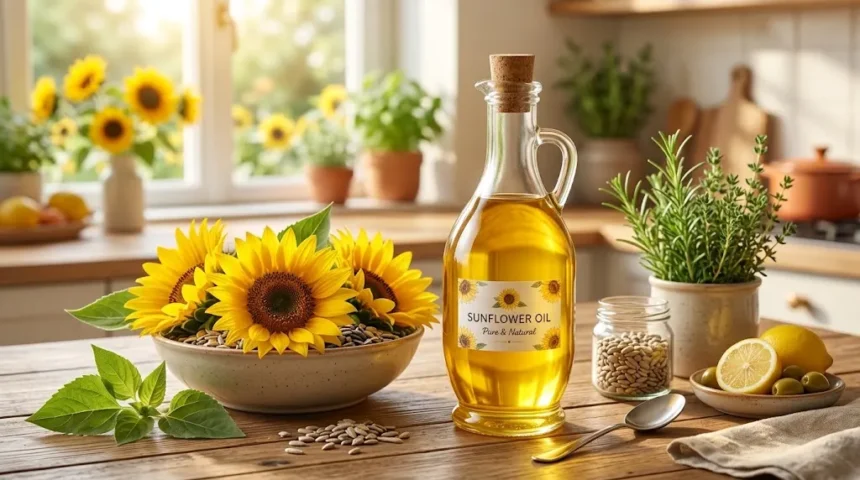
Is Sunflower Oil Bad for You? Benefits vs Risks
Sunflower oil is one of the most widely used cooking oils in homes, restaurants, packaged foods, and commercial kitchens, yet its health effects are often debated. Some people view it as a heart-friendly vegetable oil because it contains unsaturated fats and vitamin E, while others worry about its omega-6 fatty acid content, processing methods, and stability at high temperatures. The truth is more nuanced than labeling sunflower oil as simply healthy or unhealthy. Its effects can depend on the type of sunflower oil, how much you consume, what foods it replaces, and how it is used during cooking. Understanding those differences makes it easier to decide whether sunflower oil deserves a place in your diet.
Modern sunflower oils are not all nutritionally identical, which is one reason conflicting advice can be confusing. Traditional varieties are relatively high in linoleic acid, an omega-6 polyunsaturated fatty acid, whereas high-oleic sunflower oil contains considerably more monounsaturated fat. These oils behave differently when heated and may affect diet quality differently depending on the rest of a person’s eating pattern. Processing also matters because refined sunflower oil differs from cold-pressed or unrefined varieties in flavor, heat tolerance, and nutrient retention. Rather than focusing on a single ingredient in isolation, it is more useful to consider overall dietary patterns. This guide explores sunflower oil benefits, potential risks, cooking considerations, inflammation concerns, and practical ways to use it sensibly.
What Is Sunflower Oil and What Is It Made Of?
Sunflower oil is a plant-based cooking oil extracted from the seeds of the sunflower plant, scientifically known as Helianthus annuus. Producers obtain the oil by pressing sunflower seeds or using industrial extraction methods before filtering and, in many cases, refining the final product. The resulting oil has a mild flavor and relatively neutral aroma, making it suitable for frying, sautéing, baking, salad dressings, and packaged foods. Its nutritional profile consists almost entirely of fat, with little or no protein, carbohydrate, fiber, or naturally occurring sodium. Like other cooking oils, sunflower oil is calorie-dense because fat provides approximately nine calories per gram. A tablespoon therefore contributes a meaningful amount of energy even though the portion may appear small.
The type of fat in sunflower oil depends heavily on the variety of sunflower seeds used to produce it. Traditional linoleic sunflower oil contains a relatively high proportion of polyunsaturated fat, particularly linoleic acid, which is an essential omega-6 fatty acid. High-oleic sunflower oil, by contrast, contains much more oleic acid, the same type of monounsaturated fat found abundantly in olive oil. Mid-oleic varieties fall somewhere between these two profiles and are commonly used by the food industry. These differences are important because monounsaturated and polyunsaturated fats respond differently to heat and oxidation. Checking the product label can therefore provide more useful information than simply seeing the words “sunflower oil” on the bottle.
One notable nutrient naturally associated with sunflower oil is vitamin E, a fat-soluble antioxidant that helps protect cells from oxidative damage. Sunflower seeds are naturally rich in vitamin E, and some of this nutrient remains in the oil after processing, although amounts vary between products. Vitamin E also helps protect fats within the oil from oxidation to some extent. However, sunflower oil should not be viewed as a complete source of nutrition simply because it contains an antioxidant. It does not provide fiber, substantial protein, minerals, or the broad range of compounds found in whole sunflower seeds. Whole foods generally offer a more diverse nutritional package than isolated oils.
Refined sunflower oil is commonly processed to remove impurities, strong flavors, odors, waxes, and compounds that could reduce shelf stability. Refining creates an oil with a lighter taste and a higher smoke point, which makes it convenient for high-temperature cooking. Cold-pressed sunflower oil receives less intensive processing and may retain more naturally occurring flavor and minor plant compounds. However, unrefined oils are generally more sensitive to heat and may not be ideal for intense frying. Neither type is automatically good or bad simply because of its production method. The better option depends on how you plan to use the oil and what characteristics matter most to you.
Sunflower oil is frequently compared with olive oil, avocado oil, canola oil, soybean oil, and other vegetable oils. Each oil differs in fatty acid composition, flavor, smoke point, processing, price, and intended culinary use. High-oleic sunflower oil shares some characteristics with oils that are rich in monounsaturated fat, while traditional sunflower oil behaves more like other omega-6-rich seed oils. This variety explains why broad statements about sunflower oil can sometimes be misleading. A person’s overall dietary pattern also matters more than any single tablespoon of cooking oil. The most useful question is therefore not simply whether sunflower oil is bad, but which type is being used, how it is cooked, and what it replaces.
Is Sunflower Oil Bad for You?
Sunflower oil is not inherently bad for most people when consumed in reasonable amounts as part of a balanced diet. Like many vegetable oils, it contains a high percentage of unsaturated fats, which can be preferable to large amounts of saturated fat when used as a replacement. Problems are more likely to arise when sunflower oil is consumed excessively, repeatedly heated, or included mainly through heavily processed foods. The nutritional effect also changes depending on whether the oil is high in linoleic acid or high in oleic acid. Simply identifying sunflower oil on an ingredient list does not automatically tell you whether the overall food is healthy. Context remains essential when evaluating its effect on health.
One reason sunflower oil receives criticism is its concentration of omega-6 fatty acids, particularly in traditional linoleic varieties. Omega-6 fats are essential nutrients, meaning the body needs them but cannot produce them independently. They participate in cell function, skin health, growth, and numerous biological processes. Concerns arise when people consume very large quantities of omega-6-rich oils while eating relatively few foods that provide omega-3 fats. However, it is overly simplistic to claim that omega-6 fats are automatically inflammatory or harmful. What matters more is the overall quality and balance of the diet, including fish, nuts, seeds, vegetables, fruits, whole grains, and minimally processed foods.
Another concern involves oxidation, which occurs when fats react with oxygen and begin to degrade. Polyunsaturated fats contain multiple double bonds in their chemical structure, making them generally more susceptible to oxidation than monounsaturated or saturated fats. High temperatures, prolonged storage, exposure to light, and repeated heating can accelerate this process. For this reason, traditional high-linoleic sunflower oil may not be the best choice for repeated deep-frying over long periods. High-oleic sunflower oil is typically more stable because it contains more monounsaturated fat. Proper cooking practices can therefore make a meaningful difference when using sunflower oil.
Sunflower oil can also become part of an unhealthy eating pattern when most of it comes from fried snacks, fast food, baked goods, chips, sauces, and ultra-processed products. In these situations, blaming the oil alone ignores the larger nutritional picture. Such foods may also contain refined carbohydrates, excess sodium, added sugars, and high calorie levels while providing relatively little fiber or micronutrient density. Eating large amounts of these foods can make it easier to consume more calories than the body needs. Weight gain and poor metabolic health are influenced by the entire diet rather than one isolated ingredient. Sunflower oil should therefore be evaluated within the foods that deliver it.
For people choosing an everyday cooking oil, variety and purpose can be more useful principles than trying to identify one universally perfect option. Extra virgin olive oil works well for many meals and provides beneficial plant compounds, while avocado oil and high-oleic sunflower oil can be useful for higher-temperature cooking. Traditional sunflower oil can still fit into a balanced eating pattern when used appropriately and in moderate quantities. People with specific medical conditions or highly restricted diets may need individualized advice from a healthcare professional or registered dietitian. For most healthy adults, occasional or moderate sunflower oil use is unlikely to be the primary factor determining overall health. Dietary quality depends far more on long-term eating patterns.
Potential Health Benefits of Sunflower Oil
One potential advantage of sunflower oil is that it can provide unsaturated fats in place of fats that are higher in saturated fatty acids. Diets containing more unsaturated fats and less saturated fat may support healthier blood lipid levels when calorie intake and overall nutrition are also appropriate. This does not mean that adding extra sunflower oil to an already calorie-rich diet automatically improves cardiovascular health. The potential benefit comes primarily from substitution, such as using an unsaturated cooking oil instead of large quantities of butter, shortening, or certain animal fats. High-oleic sunflower oil may be particularly useful in this context because it contains substantial monounsaturated fat. The overall food pattern still determines the larger effect.
High-oleic sunflower oil contains oleic acid, a monounsaturated fatty acid associated with many heart-friendly dietary patterns. Monounsaturated fats can help replace saturated fats while providing energy and supporting normal cell function. They are also more resistant to oxidation than highly polyunsaturated oils, which can make high-oleic sunflower oil practical for cooking. Its neutral flavor is useful for people who do not enjoy the stronger taste of extra virgin olive oil in every recipe. It can work in stir-fries, roasting, baking, marinades, and other applications where a mild cooking fat is desirable. Choosing high-oleic varieties can therefore combine versatility with a favorable fatty acid profile.
Vitamin E is another nutritional feature of sunflower oil that may provide benefits when the oil is used sensibly. This antioxidant helps protect cell membranes against oxidative stress and supports normal immune function. Because vitamin E is fat soluble, dietary fats also assist with the absorption of certain vitamins and plant compounds from other foods. A small amount of oil added to vegetables, for example, can improve absorption of fat-soluble nutrients such as vitamins A, E, and K and certain carotenoids. However, using more oil than needed does not continuously increase those benefits. Modest amounts are usually enough to support nutrient absorption while keeping calorie intake reasonable.
Sunflower oil can also make nutritious foods easier and more enjoyable to prepare. Vegetables roasted with a small amount of oil often develop better texture and flavor, which may encourage people to eat a wider variety of plant foods. A light sunflower oil dressing can help turn leafy greens, beans, vegetables, and whole grains into satisfying meals. This practical benefit should not be overlooked because long-term nutrition depends partly on whether healthy foods are enjoyable and realistic to prepare. An oil does not need to possess extraordinary health properties to have a useful place in cooking. Sometimes its primary advantage is helping people prepare balanced meals consistently.
Another benefit is culinary flexibility for individuals who need a neutral-tasting oil that works across different cuisines. Sunflower oil does not dominate food with a strong flavor, making it useful in dishes where spices, vegetables, herbs, or other ingredients should remain the focus. Refined high-oleic sunflower oil may also tolerate moderately high cooking temperatures better than more delicate unrefined oils. Its availability and affordability in many regions can make it a practical alternative to more expensive specialty oils. Accessibility matters because a healthy eating pattern must be financially and culturally realistic. Used thoughtfully, sunflower oil can contribute to a balanced diet without needing to be treated as either a miracle food or something to fear.
Possible Risks and Downsides of Sunflower Oil
The calorie density of sunflower oil is one of its most practical downsides because even small portions contain significant energy. All oils provide roughly similar calories per gram regardless of whether they are marketed as healthy, natural, organic, or heart-friendly. Pouring oil freely while cooking can therefore add several hundred calories to a meal without dramatically increasing its volume. For people trying to manage body weight, this hidden energy can become important over time. Measuring oil with a spoon or using only enough to achieve the desired cooking result may help control portions. The concern is not unique to sunflower oil, but it is worth remembering when using any concentrated dietary fat.
High-linoleic sunflower oil is more vulnerable to oxidative damage than oils containing larger proportions of monounsaturated fat. When repeatedly heated at high temperatures, particularly during commercial deep-frying, polyunsaturated oils can form various oxidation products as they degrade. For home cooking, avoiding repeated reuse of frying oil can reduce unnecessary exposure to degraded fats. It is also sensible to discard oil that develops an unpleasant odor, excessive darkening, unusual thickness, or heavy smoking. Cooking below the oil’s practical smoke point reduces thermal stress as well. High-oleic sunflower oil generally offers better stability when higher heat is required.
Storage conditions can also influence the quality of sunflower oil before it ever reaches the frying pan. Light, oxygen, and heat gradually accelerate oxidation, particularly once a bottle has been opened. Keeping the oil tightly sealed in a cool, dark cupboard can help maintain freshness for longer. Storing it directly beside a hot stove or in strong sunlight may speed deterioration. Buying a bottle size that you can realistically use within a reasonable period can also reduce waste and prolonged storage. If the oil smells stale, bitter, paint-like, or otherwise unusual, replacing it is generally a better option than continuing to cook with it.
Another potential concern is that sunflower oil often appears in ultra-processed foods where it may be consumed in much larger quantities than people realize. Packaged snacks, fried foods, sauces, bakery products, and convenience meals can contain substantial amounts of refined oils. Eating these foods frequently may contribute to an overall dietary pattern high in calories and low in fiber, whole foods, and essential nutrients. The health concern in this situation is not necessarily sunflower oil alone but the combination of ingredients and eating habits surrounding it. Reading food labels can help identify how frequently refined oils appear in packaged foods. Focusing on minimally processed meals naturally reduces excessive reliance on added oils.
People with specific health concerns should also avoid assuming that changing one type of oil will solve a broader medical problem. Cholesterol levels, blood pressure, blood sugar control, inflammation, and cardiovascular risk are influenced by many factors including genetics, physical activity, smoking, sleep, body weight, medication use, and overall dietary patterns. Replacing one cooking oil may contribute to improvement, but it is unlikely to act as a complete solution. People with heart disease, diabetes, severe lipid disorders, or other medical conditions may benefit from personalized dietary guidance. An individualized approach can account for total fat intake and other important nutritional variables. This is more useful than eliminating sunflower oil based solely on online claims.
Does Sunflower Oil Cause Inflammation?
The claim that sunflower oil automatically causes inflammation usually comes from its omega-6 fatty acid content. Linoleic acid, the main omega-6 fat in traditional sunflower oil, can be converted through several metabolic pathways into other compounds within the body. Because some downstream compounds participate in inflammatory processes, people sometimes conclude that eating omega-6 fats necessarily produces harmful chronic inflammation. Human metabolism is considerably more complex than this simplified explanation suggests. Linoleic acid is also an essential nutrient required for normal biological function. The presence of omega-6 fat in a food should therefore not be treated as proof that the food is inflammatory.
A more useful way to think about inflammation is to consider the overall dietary pattern. Diets dominated by heavily processed foods, refined carbohydrates, excessive calories, low fiber intake, and few fruits or vegetables may contribute to poor metabolic health over time. Sunflower oil can be part of that pattern when consumed mainly through fried and packaged foods, but it can also appear in meals containing vegetables, legumes, whole grains, and lean proteins. These two situations are nutritionally very different despite containing the same oil. Focusing on a single fatty acid can distract from more meaningful dietary factors. Food quality and long-term eating habits usually deserve greater attention.
The relationship between omega-6 and omega-3 fatty acids also receives substantial attention in discussions about inflammation. Omega-3 fats are found in foods such as fatty fish, walnuts, chia seeds, flaxseeds, and certain fortified products. Many modern diets contain fewer omega-3-rich foods than nutrition experts typically encourage. Instead of trying to eliminate every source of omega-6 fat, a more practical strategy may be to increase foods that provide omega-3 fatty acids while maintaining a varied diet. Replacing some sunflower oil with olive oil may also diversify the types of fats consumed. Balanced dietary choices are generally easier to sustain than extreme restrictions based on a single nutrient ratio.
How sunflower oil is handled may matter as much as its original fatty acid composition when considering oxidative stress. Fresh oil used appropriately is different from oil that has been repeatedly heated for long periods during deep-frying. High temperatures can promote oxidation, particularly in oils rich in polyunsaturated fats. This is another reason high-oleic sunflower oil may be preferable when substantial heat is involved. At home, people can reduce degradation by avoiding repeated frying cycles and by using fresh oil in reasonable quantities. Sensible cooking practices provide a more practical response than assuming all sunflower oil is harmful.
People who notice digestive discomfort or other symptoms after eating foods containing sunflower oil should also consider what else was present in the meal. Fried foods can be difficult to digest because of their total fat content, large portion sizes, seasoning, or other ingredients. A reaction after eating fast food therefore does not necessarily indicate an intolerance to sunflower oil itself. True sunflower seed allergies exist, but reactions specifically to highly refined sunflower oil may differ depending on individual sensitivity and product processing. Anyone experiencing repeated allergic symptoms should discuss the issue with a qualified healthcare professional. Self-diagnosing inflammation based on vague symptoms can lead to unnecessary food restrictions.
Is Sunflower Oil Good for Cooking and Frying?
Sunflower oil can be used for cooking, but the best method depends on the particular variety. Refined high-oleic sunflower oil is generally a more suitable option for higher-temperature cooking because its monounsaturated fat content improves oxidative stability. Traditional linoleic sunflower oil contains more polyunsaturated fat, which makes it somewhat more vulnerable to degradation during prolonged heating. Both oils may still be used for common cooking methods when temperatures are controlled appropriately. The goal is not to avoid heat completely but to prevent unnecessary overheating and repeated thermal stress. Choosing the right oil for the cooking method can help preserve both flavor and quality.
For sautéing and pan cooking, sunflower oil’s neutral flavor can be useful when you want other ingredients to dominate the dish. A moderate amount can help vegetables brown evenly and prevent foods from sticking to the cooking surface. Keeping the temperature below the point where the oil produces heavy smoke is a straightforward way to reduce excessive breakdown. Occasional light smoking is not necessarily a catastrophe, but regularly pushing oil far beyond its heat tolerance is unnecessary. Adjusting burner temperature often matters more than obsessing over an exact smoke-point number. Home cooking temperatures can vary significantly depending on the pan, stove, and amount of food.
Deep-frying raises more concerns because oil remains at high temperatures for longer periods and may sometimes be reused. Repeated heating gradually changes the chemical composition of frying oils and can increase oxidation regardless of the plant source. Restaurants and commercial food operations often have procedures for monitoring frying oil quality because degradation increases with time and temperature. At home, it is generally better to avoid repeatedly reheating the same batch of sunflower oil many times. If frying is part of your cooking routine, a high-oleic version may offer better heat stability. Limiting fried food frequency can also improve overall dietary quality for reasons beyond the oil itself.
Cold-pressed or unrefined sunflower oil is better suited to situations where its flavor and less-processed character can be appreciated without intense heat. It can work in salad dressings, dips, marinades, grain bowls, or as a finishing oil for vegetables. Lower-temperature applications also reduce concerns about heat-driven oxidation. Unrefined sunflower oil may have a more noticeable nutty or seed-like flavor than refined products, so personal taste matters. Storage is especially important because minimally processed oils may have shorter optimal shelf lives. Keeping the bottle protected from heat and light helps maintain quality.
Baking is another common use because sunflower oil can provide moisture without contributing a strong flavor. Cakes, muffins, quick breads, and other baked foods often use neutral vegetable oils for texture and consistency. However, the nutritional quality of baked foods depends on far more than which oil is used. A dessert containing sunflower oil can still contain substantial sugar and refined flour, just as replacing the oil with another type does not automatically make it healthy. For everyday baking, high-oleic sunflower oil can be a practical option when a neutral liquid fat is needed. Portion size and overall recipe composition remain the more meaningful dietary considerations.
Sunflower Oil vs Other Popular Cooking Oils
Extra virgin olive oil is one of the most common alternatives to sunflower oil and offers a distinctly different nutritional profile. It is rich in monounsaturated fat and contains naturally occurring polyphenols and other plant compounds that contribute to its reputation in heart-healthy eating patterns. Olive oil works well for salad dressings, sautéing, roasting, and many forms of everyday cooking. Its flavor can range from mild to peppery depending on the variety and production method. Sunflower oil, particularly refined versions, is usually more neutral in taste. People who value flavor and minimally processed plant compounds may prefer extra virgin olive oil for many everyday meals.
Avocado oil is another monounsaturated-fat-rich option that has become popular for higher-temperature cooking. Refined avocado oil typically has a neutral flavor and good heat stability, making it useful for searing, roasting, and grilling. It can be more expensive than sunflower oil, which may limit its practicality for households using larger quantities of cooking oil. High-oleic sunflower oil can provide some similar functional advantages at a potentially lower cost. Nutritionally, neither oil needs to completely replace the other. Using different oils for different culinary purposes can create variety while avoiding unnecessary dietary rigidity.
Canola oil contains both monounsaturated and polyunsaturated fats and generally provides less saturated fat than many other common cooking fats. It also contains a modest amount of alpha-linolenic acid, a plant-based omega-3 fatty acid. Its neutral flavor makes it versatile for baking, sautéing, frying, and salad dressings. Like sunflower oil, canola oil is often highly refined, which leads some consumers to prefer less processed alternatives. Refining itself does not automatically make an oil harmful, although processing influences flavor and certain minor nutrients. Choosing between canola and sunflower oil may depend on fatty acid preferences, cooking method, availability, and taste.
Coconut oil differs significantly because it contains a much larger proportion of saturated fat. Although it has become popular in wellness communities, coconut oil should not automatically be considered healthier than oils rich in unsaturated fat. It can be useful in recipes where its texture, flavor, or resistance to oxidation is desirable. However, using large amounts as an everyday replacement for unsaturated oils may substantially increase saturated fat intake. Sunflower oil generally contains much less saturated fat, particularly high-oleic varieties. This illustrates why judging cooking oils solely by whether they are natural, traditional, or highly marketed can be misleading.
Butter also provides a different nutritional and culinary experience compared with sunflower oil. It contributes saturated fat along with a distinctive flavor that can be important in baking, sauces, and certain traditional dishes. Using small amounts of butter occasionally can fit into a balanced diet, especially when total saturated fat intake remains reasonable. For routine cooking, replacing some butter with unsaturated oils may improve the overall fatty acid profile of the diet. Sunflower oil can serve that purpose when chosen and used appropriately. Rather than declaring one fat universally superior, people can match oils and fats to cooking needs while prioritizing overall dietary balance.
How to Choose and Use Sunflower Oil in a Healthy Way
The first step when buying sunflower oil is to identify which type you are purchasing. Look for terms such as “high oleic,” “mid oleic,” or “linoleic” on the front or back label when this information is available. High-oleic sunflower oil is often a practical choice for regular cooking because it contains more monounsaturated fat and is generally more stable when heated. Traditional linoleic sunflower oil can still be used, particularly for lower-temperature cooking or cold applications. Labels may also indicate whether the oil is refined, expeller pressed, or cold pressed. Understanding these distinctions helps you choose an oil based on actual characteristics rather than marketing language.
Using moderate portions is another simple way to include sunflower oil without allowing added fats to dominate your diet. Instead of pouring directly from the bottle, measuring one or two teaspoons can make portions easier to judge. Nonstick cookware, baking paper, air frying, steaming, and roasting with small amounts of oil can also reduce the quantity needed for many recipes. The goal does not need to be eliminating dietary fat because healthy fats are an essential part of nutrition. Rather, it is about using concentrated oils intentionally. Most meals should still be built around nutrient-rich whole foods rather than large quantities of added fat.
It can also be helpful to rotate sunflower oil with other sources of unsaturated fat instead of relying on one cooking oil for every meal. Extra virgin olive oil, avocado oil, nuts, seeds, nut butters, olives, and fatty fish provide different fatty acids and beneficial nutrients. Dietary variety reduces the tendency to focus excessively on one nutrient while supporting a broader range of foods. Someone who uses sunflower oil for high-temperature cooking might choose olive oil for salad dressings and eat fish or walnuts for omega-3 fats. This approach creates balance without requiring complicated nutritional calculations. Simple variety is often more sustainable than attempting to achieve a perfect fatty acid ratio.
Storage and cooking technique should receive attention after you bring sunflower oil home. Keep the bottle tightly closed and store it away from direct sunlight and sources of heat. Avoid leaving it beside the stove if that area becomes warm for long periods. During cooking, use enough heat to achieve the desired result without allowing the oil to smoke heavily for extended periods. Do not repeatedly reuse old frying oil simply to avoid waste. These basic habits can reduce oxidation and maintain better flavor regardless of which cooking oil you choose.
Finally, judge sunflower oil based on what it replaces and how it fits into your entire eating pattern. Using a small amount to cook vegetables is nutritionally different from consuming large portions of deep-fried processed food every day. Replacing large amounts of butter or shortening with an unsaturated oil may be beneficial, while simply adding more oil to meals increases calorie intake without necessarily improving nutrition. Build most meals around vegetables, fruits, legumes, whole grains, quality protein sources, and minimally processed foods. Treat cooking oils as supporting ingredients rather than the foundation of the diet. With that perspective, sunflower oil can be used sensibly without fear or exaggerated health claims.
Frequently Asked Questions About Sunflower Oil
Is sunflower oil unhealthy?
Sunflower oil is not automatically unhealthy, especially when used in moderate amounts within a balanced diet. High-oleic sunflower oil may be a particularly practical choice because it contains more monounsaturated fat and has better heat stability than traditional high-linoleic varieties.
Is sunflower oil inflammatory?
Current nutritional understanding does not support the simple claim that sunflower oil or omega-6 fats automatically cause harmful inflammation in everyone. Overall diet quality, omega-3 intake, calorie balance, cooking methods, and consumption of ultra-processed foods are more useful factors to consider.
Is sunflower oil healthier than olive oil?
Both oils contain unsaturated fats, but extra virgin olive oil offers monounsaturated fat along with naturally occurring polyphenols and has strong associations with heart-healthy dietary patterns. High-oleic sunflower oil can still be a useful neutral cooking oil, particularly when flavor or higher-temperature performance matters.
Can you fry food in sunflower oil?
Yes, refined sunflower oil can be used for frying, and high-oleic sunflower oil is generally the more heat-stable option. Avoid overheating the oil or repeatedly reusing the same batch because prolonged high temperatures accelerate oxidation and deterioration.
Is sunflower oil safe to eat every day?
Moderate daily use can fit into a healthy diet for most people, particularly when sunflower oil replaces fats that are higher in saturated fat. It is still wise to vary your fat sources and emphasize whole foods, omega-3-rich foods, and minimally processed meals rather than relying heavily on any single cooking oil.