

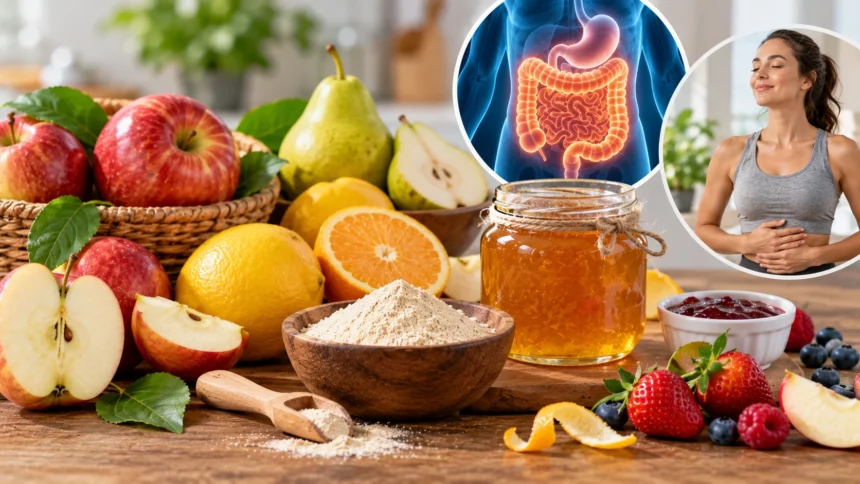
What Is Pectin? Uses, Benefits & Foods High in It
Pectin is a naturally occurring type of soluble fiber found in the cell walls of fruits and some vegetables. It is especially abundant in apples, citrus peels, quinces, plums, and certain berries, where it helps give plant tissues structure and firmness. In food production, pectin is widely used as a thickener, stabilizer, and gelling agent in products such as jams, jellies, fruit spreads, yogurt, beverages, and confectionery. Because pectin absorbs water and can form a gel, it also behaves like other soluble fibers inside the digestive tract. This has led to interest in pectin for digestive health, cholesterol management, blood sugar control, and feelings of fullness. However, its effects depend on the amount consumed and the rest of the diet.
Pectin can be obtained naturally from whole foods or used as a purified ingredient in cooking and supplements. Whole fruits provide pectin along with vitamins, minerals, antioxidants, and other fibers, making them the most practical source for most people. Commercial pectin is usually extracted from citrus peels or apple pomace and is commonly available as powder or liquid for home canning. Some people also take pectin supplements for digestive or metabolic reasons, although larger amounts can cause bloating or changes in bowel habits. Pectin is generally well tolerated, but it should not be treated as a cure for digestive disease, high cholesterol, or diabetes. This guide explains what pectin is, how it works, its major uses and potential benefits, foods high in pectin, side effects, and practical ways to add more soluble fiber to your diet.
What Is Pectin?
Pectin is a complex carbohydrate that belongs to a group of substances known as polysaccharides. It forms part of the cell walls and middle lamella of many plants, where it helps hold cells together and maintain structure. Chemically, pectin is made largely from chains of galacturonic acid along with several other sugar-related components. Its structure can vary depending on the plant source, maturity of the fruit, and processing method. These structural differences affect how easily a particular pectin forms a gel. This is important both for food manufacturing and for the way pectin behaves in the digestive system.
Pectin is classified as soluble fiber because it can dissolve or disperse in water and create a gel-like substance. Unlike starch or simple sugars, much of pectin is not digested by human digestive enzymes in the small intestine. It therefore travels into the large intestine, where gut bacteria can ferment at least part of it. This fermentation produces short-chain fatty acids and other compounds that may support the intestinal environment. The process is one reason pectin is often discussed in relation to gut health. However, individual tolerance varies, especially when intake rises quickly.
The amount of pectin in fruit changes as it ripens. Unripe fruit usually contains more protopectin, an insoluble precursor that contributes to firmness. As fruit matures, enzymes convert some of this material into more soluble forms, which is one reason ripe fruit becomes softer. With further ripening, pectin can break down even more and lose some of its gelling ability. This is why certain jam recipes work better when slightly underripe fruit is included. The stage of ripeness therefore influences both texture and the culinary usefulness of natural pectin.
Commercial pectin is usually extracted from plant byproducts such as citrus peel or apple pomace left after juice production. Manufacturers process these materials to isolate and standardize the pectin so that it performs predictably in food preparation. Different commercial forms are designed for different sugar and acidity conditions. High-methoxyl pectin generally requires sufficient sugar and acid to form a firm gel, while low-methoxyl pectin can gel with calcium and may work in lower-sugar recipes. This distinction is useful for home cooks and food manufacturers. It also explains why pectin products are not always interchangeable in recipes.
Pectin should not be confused with gelatin. Pectin is plant-based and comes from fruits or other plant material, while gelatin is a protein derived from animal collagen. Both can create gels, but they behave differently under heat, acidity, sugar, and cooling conditions. Pectin is therefore popular in vegan and vegetarian food products where gelatin would not be appropriate. Agar is another plant-based gelling ingredient, but it comes from algae and produces a different texture. Understanding these differences helps cooks choose the right thickener for a particular recipe.
How Does Pectin Work in the Body?
Because pectin is a soluble fiber, it attracts water as it moves through the digestive tract. This can create a thicker, gel-like mixture that influences how quickly food moves and how nutrients are absorbed. Soluble fiber generally helps increase stool softness while also adding structure, which can support more regular bowel movements. The exact effect depends on the amount consumed and how much fluid a person drinks. Small dietary amounts from fruit are usually well tolerated. Large supplemental doses can have a stronger impact on digestion and may cause temporary discomfort.
Pectin reaches the colon largely undigested, where intestinal bacteria can ferment it. During fermentation, bacteria produce short-chain fatty acids such as acetate, propionate, and butyrate. These compounds can serve as energy sources for colon cells and participate in signaling related to metabolism and immune function. This is one reason pectin is considered a fermentable fiber. The gut microbiome responds differently from person to person, so the degree of fermentation and gas production can vary. People who are sensitive to fermentable carbohydrates may notice more bloating when pectin intake increases quickly.
The gel-forming properties of pectin may also slow the movement of carbohydrates and other nutrients through the digestive system. This can reduce the speed at which glucose enters the bloodstream after some meals. The effect is generally modest and depends on the overall meal composition, the amount of fiber, and the individual’s metabolism. Pectin should therefore be viewed as one helpful component of a fiber-rich diet rather than as a treatment for high blood sugar. Whole foods containing pectin are particularly valuable because they also provide other nutrients and plant compounds.
Pectin can also interact with bile acids in the intestine. Bile acids are produced from cholesterol and released to help digest fats. Soluble fibers may bind some bile acids and increase their excretion, prompting the liver to use additional cholesterol to make more bile. This mechanism helps explain why certain soluble fibers can contribute to lower LDL cholesterol when consumed regularly in sufficient amounts. Pectin appears to have this type of effect, although the magnitude depends on dose and overall diet. It should complement, not replace, established cholesterol-lowering strategies.
The ability of pectin to absorb water and increase viscosity can also contribute to fullness after eating. Fiber-rich foods often slow digestion and create more volume without adding excessive calories. This can help some people manage appetite, especially when pectin is consumed as part of whole fruit rather than isolated supplements. However, satiety is influenced by protein, fat, meal size, sleep, hormones, and many other factors. Pectin is not a powerful appetite suppressant. Its main role is as one component of a balanced eating pattern that includes several types of fiber.
Common Uses of Pectin
The most familiar use of pectin is in jams and jellies. When combined under the right conditions with acid, sugar, and heat, pectin molecules form a network that traps water and gives fruit spreads their characteristic gel texture. Some fruits naturally contain enough pectin to set without much added commercial product, while others require extra pectin. Apples, citrus fruits, and quinces are particularly rich natural sources. Strawberries and some other berries may need additional pectin depending on the recipe. Home canning recipes specify exact ingredient ratios because gelling depends on chemistry as well as flavor.
Food manufacturers use pectin in many products beyond jam. It can thicken yogurt, stabilize dairy drinks, improve the texture of fruit preparations, and prevent ingredients from separating. Pectin is also used in confectionery, especially fruit gummies and gelled candies where a plant-based texture is desired. In beverages, it can help stabilize suspended particles or improve mouthfeel. Manufacturers choose specific types of pectin depending on acidity, calcium levels, sugar concentration, and processing temperature. Its versatility makes it one of the most widely used plant-based hydrocolloids in food technology.
Pectin is also used in reduced-sugar and no-sugar-added fruit spreads. Traditional high-methoxyl pectin relies heavily on sugar and acid to produce a firm gel, but low-methoxyl pectin can set using calcium. This allows manufacturers and home cooks to create products with much less added sugar. The final texture may differ slightly from traditional preserves, but the approach can be useful for people who prefer less sweetness. It is important to follow recipes developed for the specific pectin type being used. Substituting one form for another can lead to spreads that remain runny or become overly firm.
In pharmaceutical and supplement products, pectin may be included as a source of soluble fiber or as a functional ingredient. It can also be used as a coating, binder, or stabilizer in tablets, capsules, and oral formulations. Some digestive products combine pectin with other fibers to influence stool consistency or gut fermentation. Historically, pectin has also been included in certain diarrhea remedies, although modern treatment should focus on hydration and the underlying cause when symptoms are significant. Supplements should be evaluated based on their intended purpose rather than assuming all pectin products have the same effect.
Pectin also has non-food applications. Its biodegradable, plant-derived nature has made it interesting for packaging, edible films, biomedical materials, and controlled-release systems. Researchers have studied pectin-based gels for carrying drugs, probiotics, or other active compounds through the digestive system. These applications rely on the same structural and gel-forming characteristics that make pectin useful in food. However, experimental biomedical uses should not be confused with ordinary dietary pectin. The fact that pectin is versatile in technology does not mean consuming more of it produces every effect seen in laboratory materials.
Pectin Benefits for Digestive Health
One of the most practical benefits of pectin is its contribution to normal bowel function. Soluble fiber absorbs water and can help soften stool, which may make bowel movements easier for people with mild constipation. At the same time, gel-forming fiber can add structure to loose stool by holding water within the intestinal contents. This dual behavior is common among certain soluble fibers. The effect depends on hydration, total fiber intake, and the cause of bowel changes. Persistent constipation or diarrhea still requires evaluation when it is severe, prolonged, or accompanied by other concerning symptoms.
Pectin also serves as a fermentable substrate for gut bacteria. Beneficial microorganisms can break down parts of pectin and use them for energy, potentially influencing the composition and activity of the gut microbiome. For this reason, pectin is sometimes described as having prebiotic-like properties. However, not every fermentable fiber meets the strictest definition of a prebiotic, and research varies by pectin source and structure. Eating a variety of fibers is generally more useful than relying on one isolated type. Fruits, vegetables, legumes, whole grains, nuts, and seeds provide a broader range of substrates for gut bacteria.
Fermentation of pectin produces short-chain fatty acids that may support the health of colon cells. Butyrate in particular is an important fuel source for cells lining the colon, although different fibers produce different fermentation patterns. These compounds also participate in immune and metabolic signaling. This does not mean pectin cures inflammatory bowel disease or other gastrointestinal disorders. People with Crohn’s disease, ulcerative colitis, irritable bowel syndrome, or other chronic digestive conditions may respond differently to fermentable fibers. Individual tolerance and disease activity should guide intake.
Pectin-rich whole foods can also support digestive health because they provide water and other fibers alongside pectin. Apples, oranges, berries, and other fruits contain insoluble fiber, polyphenols, vitamins, and natural sugars within a food matrix. This combination influences digestion differently from taking a spoonful of isolated pectin powder. Whole foods are therefore usually the best starting point for increasing fiber. Supplements may be useful when dietary intake is insufficient or when a specific functional fiber is recommended. Increasing fiber gradually can reduce the chance of excessive gas and bloating.
People who suddenly increase pectin intake may experience abdominal fullness, gas, or cramping. These symptoms often occur because intestinal bacteria ferment the fiber and produce gases as byproducts. Gradual increases allow the digestive system and microbiome more time to adapt. Drinking enough fluid is also important because pectin absorbs water. Severe abdominal pain, vomiting, blood in stool, or unexplained weight loss should not be attributed simply to “fiber adjustment.” These symptoms require appropriate medical attention rather than continued supplementation.
Pectin and Cholesterol
Pectin has attracted considerable interest for heart health because soluble fiber can help lower LDL cholesterol. The mechanism involves interactions with bile acids in the digestive tract. When more bile acids are excreted instead of reabsorbed, the liver may draw cholesterol from the bloodstream to produce replacements. Over time, this can contribute to modest reductions in LDL cholesterol. The effect is more likely when pectin and other soluble fibers are consumed consistently. A single high-pectin meal will not create a meaningful long-term cholesterol change.
The amount of pectin required to produce a noticeable cholesterol effect is generally larger than what many people receive from one serving of fruit. This does not make fruit ineffective, because the benefits of whole foods extend beyond pectin alone. Eating several servings of fruits, vegetables, oats, legumes, and other fiber-rich foods can collectively increase soluble fiber intake. These foods may also replace saturated-fat-rich foods in the diet, creating additional cardiovascular benefits. The entire dietary pattern therefore matters more than chasing one specific fiber. Pectin should be seen as part of a broader heart-healthy approach.
Apples and citrus fruits are often highlighted because of their pectin content. Eating the whole fruit provides fiber along with potassium, vitamin C, flavonoids, and other plant compounds. Juice contains much less fiber because most of the structural material is removed. This is why a whole orange has a different metabolic effect from orange juice even when both contain similar vitamins. People trying to increase pectin intake should generally prioritize intact fruits or minimally processed forms. The peel and white pith of citrus fruits contain particularly high concentrations of pectin, although not all parts are usually eaten directly.
Pectin supplements may be marketed specifically for cholesterol support, but product quality and dosage can vary. Supplements can contribute additional soluble fiber, yet they should not be used as an excuse to ignore other major cardiovascular risks. Smoking, high blood pressure, diabetes, inactivity, and diets high in saturated fat all have important effects on heart health. People with significantly elevated LDL cholesterol may also need medication depending on overall cardiovascular risk. Fiber can support treatment but does not automatically replace prescription therapy.
Anyone using pectin to support cholesterol levels should evaluate results over time rather than relying on how they feel. High cholesterol usually causes no obvious symptoms, so subjective changes are not useful measures of effectiveness. A lipid panel provides objective information about LDL, HDL, triglycerides, and total cholesterol. Dietary improvements typically need several weeks or months before meaningful trends become clear. Combining pectin-rich foods with other evidence-based habits creates a more comprehensive strategy. These include regular activity, healthy body weight, adequate sleep, and choosing unsaturated fats more often than saturated fats.
Pectin and Blood Sugar Control
The viscosity created by soluble fibers such as pectin can slow the movement of food through parts of the digestive system. This may reduce how quickly carbohydrates are broken down and absorbed. As a result, glucose may enter the bloodstream more gradually after certain meals. This mechanism can contribute to improved post-meal blood sugar responses, especially when fiber-rich foods replace refined carbohydrates. The effect is not strong enough to make high-sugar foods harmless. Pectin works best as part of meals that also contain protein, healthy fats, and minimally processed carbohydrates.
Whole fruits provide a useful example of this effect. An apple contains natural sugar, but its fiber and intact cellular structure slow eating and digestion compared with apple juice. Pectin contributes to this difference, although it is not the only factor involved. The water content, chewing requirement, and other fibers also affect how quickly sugar is absorbed. This is one reason whole fruit is generally preferred over fruit juice for routine consumption. People with diabetes can often include fruit while still monitoring portions and total carbohydrate intake.
Pectin should not be considered a treatment for diabetes. Blood glucose management depends on medication when prescribed, physical activity, total carbohydrate intake, meal timing, sleep, weight, and several other factors. Taking pectin before a high-carbohydrate meal does not guarantee that blood sugar will remain normal. The effect can also vary based on the type and dose of fiber. Anyone using insulin or glucose-lowering medication should avoid making major dietary changes without considering how those changes may affect treatment needs.
Fiber-rich eating patterns are associated with better metabolic health for several reasons beyond slowing glucose absorption. High-fiber foods tend to be less energy-dense, more filling, and richer in micronutrients than heavily refined foods. They may also influence gut bacteria and short-chain fatty acid production. Pectin contributes to these effects as one of many dietary fibers. Focusing only on pectin can therefore miss the larger benefit of dietary variety. A combination of soluble and insoluble fibers is generally more useful than emphasizing one isolated ingredient.
People interested in improving blood sugar control can increase pectin naturally through apples, citrus fruits, pears, berries, and other plant foods. Pairing fruit with protein or healthy fat can also slow digestion and improve fullness. For example, an apple with yogurt or nuts provides a more balanced snack than juice alone. Pectin supplements may have a role for some individuals, but they are usually unnecessary when dietary fiber intake is already adequate. Regular blood glucose monitoring and medical guidance remain more important for anyone with diagnosed diabetes.
Foods High in Pectin
Apples are among the best-known dietary sources of pectin. Much of the pectin is concentrated in the peel and the tissue close to the skin, although the entire fruit contributes some. Slightly underripe apples generally contain more gelling pectin than very soft, fully ripe fruit. This is why apples are often added to homemade jams made with fruits that naturally contain less pectin. Eating apples with the skin provides more total fiber than peeling them. Apples also supply vitamin C, potassium, polyphenols, and other plant compounds alongside pectin.
Citrus fruits are another rich source, particularly the peel and white inner pith. Oranges, lemons, limes, grapefruits, and mandarins all contain significant amounts of pectin in these structural tissues. Commercial pectin is frequently produced from citrus peel left over from juice manufacturing. The juicy interior of citrus fruit still contains fiber, but the highest pectin concentration is usually outside the segments. Eating whole citrus fruit provides more fiber than drinking juice. Using zest or some pith in cooking can also add plant compounds, although the bitter taste limits how much most people consume.
Quinces are especially high in natural pectin and have traditionally been valued for preserves, jellies, and pastes. They become softer and more aromatic when cooked, and their high pectin content helps create thick textures without as much added commercial pectin. Plums and certain stone fruits also contribute useful amounts, although content varies by variety and ripeness. Slightly underripe fruit usually provides stronger natural gelling ability. This variation explains why the same jam recipe can produce different textures depending on the fruit used. Fruit chemistry changes naturally during storage and ripening.
Berries such as cranberries, blackberries, raspberries, and currants also contain pectin, though amounts vary widely. Some berries gel naturally when cooked, while strawberries typically contain less and often require added pectin in jam recipes. Berries also provide insoluble fiber and polyphenols that contribute additional nutritional benefits. Eating them whole is a practical way to increase total dietary fiber without focusing solely on pectin. Frozen berries can be nutritionally useful when fresh options are unavailable. Processing into juice or heavily strained sauces removes much of their fiber.
Carrots, tomatoes, potatoes, peas, and several other vegetables contain smaller amounts of pectin or related plant fibers. They may not be as concentrated as citrus peel or apples, but they still contribute to total fiber intake. Eating a varied plant-based diet naturally provides many different types of fiber with complementary effects. This is more beneficial than trying to obtain all soluble fiber from one food. A meal pattern containing fruits, vegetables, legumes, whole grains, nuts, and seeds will usually provide a broader range of fibers than a diet centered on isolated pectin products.
Pectin Supplements and How They Are Used
Pectin supplements are commonly available as powders, capsules, or blended fiber products. Apple pectin and citrus pectin are among the most frequently marketed forms. Powders may be stirred into water, smoothies, yogurt, or other foods, while capsules provide a measured amount without changing food texture. Supplemental pectin absorbs water, so adequate fluid intake is important. Taking large dry amounts without enough liquid can cause discomfort and potentially create swallowing difficulties. Following the specific product instructions is safer than guessing an appropriate serving.
Some people take pectin supplements to increase soluble fiber intake when their diet is low in fruits, vegetables, or other fiber-rich foods. Supplements can help bridge a gap, but they do not provide all the nutrients found in whole foods. An apple provides pectin along with water, vitamins, polyphenols, and other fibers, while isolated powder provides mostly one functional ingredient. This distinction matters when people assume fiber supplements can completely replace fruits and vegetables. They can complement a balanced diet but should not become a substitute for dietary variety.
Pectin supplements are also marketed for cholesterol management. Soluble fiber can support lower LDL cholesterol when consumed in adequate quantities, but individual results vary. People should consider how much total soluble fiber they consume from oats, barley, legumes, fruits, psyllium, and other sources. Taking several different fiber supplements at once may cause excessive gas or bowel changes without adding proportional benefit. A gradual approach is more comfortable. Cholesterol should also be monitored objectively rather than assuming a supplement is working.
Another area of interest is modified citrus pectin, a processed form designed to have smaller molecular fragments than ordinary dietary pectin. It is marketed for a wide range of purposes, including claims related to cancer, heavy metals, and immune function. These claims require much stronger evidence before they can be considered established treatments. Modified citrus pectin should not be confused with ordinary pectin used in jam or consumed naturally in fruit. People with serious health conditions should not replace proven medical treatment with pectin-based supplements. Marketing language can sometimes make preliminary research sound more conclusive than it is.
Anyone taking prescription medications should consider timing and potential absorption interactions when using high-dose fiber supplements. Soluble fiber can influence how quickly some medicines move through or are absorbed from the digestive tract. The exact interaction depends on the medication and supplement dose. A pharmacist can provide more reliable timing advice than a generic recommendation found online. People who take important daily medications should mention regular fiber supplements during medication reviews. This is particularly relevant when a medicine requires consistent absorption to remain effective.
Pectin Side Effects and Safety
Pectin from normal food sources is generally well tolerated and is part of an ordinary healthy diet. Side effects are more likely when people suddenly begin consuming large amounts through powders or concentrated supplements. Gas, bloating, abdominal fullness, and cramping are among the most common complaints. These symptoms occur partly because gut bacteria ferment pectin and produce gas. Starting with a smaller amount and increasing gradually can improve tolerance. People who already eat very little fiber may need more time to adjust than those with a fiber-rich diet.
Changes in bowel habits can also occur. Pectin can soften stool by retaining water, but larger quantities may produce loose stools in some people. Others may experience constipation if they consume substantial fiber without adequate fluid. The response depends on total diet, hydration, gut microbiome, activity, and individual digestive function. Persistent constipation should not automatically be treated by repeatedly increasing fiber, especially if severe abdominal pain or vomiting is present. Certain bowel obstructions or motility disorders can worsen with inappropriate fiber use.
Allergic reactions to commercial pectin products are uncommon but possible, especially when products are derived from citrus or other plant sources and contain residual proteins or additional ingredients. Reactions could include itching, swelling, hives, or respiratory symptoms in sensitive individuals. Anyone with a known severe allergy to the source material should review product labels carefully. Supplements may also contain flavorings, fillers, or other compounds unrelated to pectin itself. Severe breathing difficulty or throat swelling requires urgent medical care. A “natural” ingredient can still trigger an allergic reaction.
Pectin can potentially affect medication absorption because of its gel-forming properties. This does not mean every medicine will interact significantly, but high supplemental amounts deserve caution. People taking medications for thyroid disease, diabetes, seizures, heart conditions, or other chronic illnesses should ask a pharmacist about appropriate timing if they plan to use concentrated fiber regularly. Separating fiber and medication is sometimes advised, but the correct interval depends on the specific drug. Supplements should be considered part of the medication routine rather than taken without disclosure.
Most healthy adults can obtain pectin safely from ordinary foods without needing to track exact amounts. The broader recommendation is to increase total dietary fiber gradually and include several plant sources. People with chronic gastrointestinal diseases may need individualized advice because some fibers improve symptoms while others can worsen them. Anyone experiencing blood in stool, persistent diarrhea, severe pain, unexplained weight loss, or major changes in bowel habits should seek medical evaluation. Pectin can support digestive health, but it should not be used to mask symptoms that require diagnosis.
How to Add More Pectin to Your Diet
Eating whole apples is one of the simplest ways to increase pectin intake. Keep the peel on when tolerated because the skin and nearby tissues contribute a significant amount of fiber. Apples can be eaten as snacks, sliced into oatmeal, added to yogurt, or cooked into unsweetened fruit dishes. Pairing apples with nuts, seeds, or yogurt can create a more balanced snack with protein or healthy fats. Different apple varieties contain varying amounts of pectin, but there is no need to focus on one specific type. Regular fruit intake matters more than small differences between cultivars.
Citrus fruits provide another practical option. Eating an orange or grapefruit includes more fiber than drinking the same fruit as juice. The white pith surrounding the segments contains valuable pectin, so removing every trace of it also removes some fiber. Citrus zest can be added to salads, yogurt, oatmeal, marinades, and baked dishes for additional flavor. People taking medications that interact with grapefruit should still follow their medical guidance. Pectin content does not override known food-drug interactions.
Berries, pears, plums, and other fruits can add additional variety. Mixing several fruits across the week supplies different fibers and plant compounds instead of relying only on apples. Frozen fruit is convenient and can be nutritionally comparable to fresh options when no large amounts of sugar are added. Smoothies retain more fiber than filtered juice because the whole edible portion is blended rather than removed. However, chewing whole fruit may provide greater fullness for some people. Both forms can fit into a balanced diet depending on individual preference.
Vegetables also contribute smaller amounts of pectin and other fibers. Carrots, peas, tomatoes, potatoes, and many other plant foods contain structural carbohydrates that support total fiber intake. Eating several different vegetables each day provides soluble and insoluble fibers along with vitamins and minerals. Legumes and whole grains add additional fermentable fibers even if they are not especially high in pectin itself. The digestive system benefits from diversity rather than from one isolated fiber. A varied plant-rich pattern is therefore the most practical strategy.
If whole foods do not provide enough fiber, a pectin supplement can be considered, but it should be introduced gradually. Mix powder thoroughly according to product directions and drink enough fluid. Avoid starting with multiple high-dose fiber supplements at the same time because this can make side effects more likely. Pay attention to how your digestion responds over several days. The goal is not to consume the maximum amount possible. A comfortable, sustainable increase in fiber is more useful than forcing large doses that create bloating or interfere with daily life.
Frequently Asked Questions
What is pectin used for?
Pectin is commonly used as a gelling and thickening ingredient in jams, jellies, fruit spreads, yogurt, beverages, and other foods. It is also consumed as soluble fiber for digestive and cholesterol-related benefits.
What foods are highest in pectin?
Apples, citrus peels and pith, quinces, plums, cranberries, and certain berries are good sources of pectin. The amount varies depending on fruit variety and ripeness.
Is pectin good for your gut?
Pectin is a fermentable soluble fiber that can support bowel regularity and provide food for certain gut bacteria. Increasing it too quickly may cause gas or bloating in sensitive individuals.
Can pectin help lower cholesterol?
Pectin and other soluble fibers can contribute to modest reductions in LDL cholesterol by affecting bile acid recycling in the digestive tract. It works best as part of an overall heart-healthy diet rather than as a replacement for medical treatment.
Is pectin the same as gelatin?
No. Pectin is a plant-based carbohydrate fiber usually obtained from fruits, while gelatin is an animal-derived protein made from collagen. Both can form gels, but they behave differently in recipes and have different nutritional properties.