
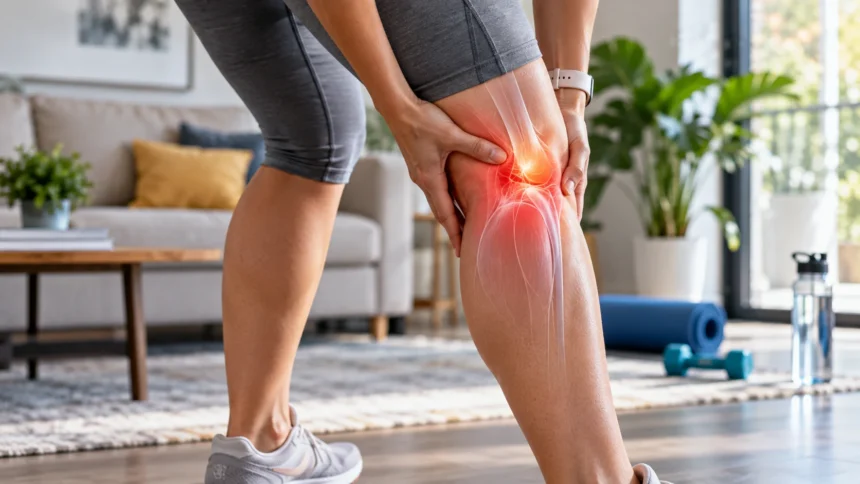
Pain behind the knee can feel like aching, tightness, pressure, pulling, or sharp discomfort that becomes more noticeable when walking, bending, running, or standing for long periods. The back of the knee contains muscles, tendons, ligaments, nerves, blood vessels, and fluid-filled structures, so several different problems can create pain in this area.
Some causes are minor, such as muscle strain or overuse, while others may require medical attention. The pattern of pain, swelling, activity level, and any recent injury can provide useful clues. Understanding the common causes of posterior knee pain can help you decide when simple self-care may be reasonable and when professional evaluation is a safer choice.
Hamstring Strain Can Cause Pain Behind the Knee
The hamstring muscles run along the back of the thigh and attach near the knee. A strain can occur when these muscles are overstretched or suddenly loaded during running, jumping, lifting, or quick direction changes. Pain may be felt in the lower hamstring or directly behind the knee, particularly when straightening the leg.
Mild hamstring strains may cause tenderness, tightness, or discomfort during activity without major swelling. More significant injuries can produce sudden pain, bruising, weakness, or difficulty walking normally. Symptoms often become worse when bending forward, sprinting, or performing movements that stretch the back of the thigh.
Relative rest, gentle movement, and gradual return to activity may help minor strains recover. Avoid aggressive stretching during the early stage if it clearly increases pain. If you heard a pop, developed significant bruising, or cannot walk comfortably, professional assessment may be needed to determine the severity of the injury.
Calf Muscle Strain May Be the Cause
The calf muscles cross the knee joint and can create pain near the back of the knee when strained. This often happens during running, jumping, climbing, or sudden acceleration. The discomfort may begin higher in the calf and extend upward toward the knee, making it difficult to identify exactly where the problem started.
A mild calf strain can feel like tightness or soreness when walking or pushing off the foot. More severe strains may cause sharp pain, swelling, bruising, or weakness. Activities that involve rising onto the toes or stretching the calf can make symptoms more noticeable.
Recovery usually involves temporarily reducing painful activities and allowing the tissue time to heal. Gentle walking may be appropriate when comfortable, while high-impact exercise should be reintroduced gradually. Persistent or severe pain should be checked, especially if swelling develops suddenly or symptoms do not improve as expected.
Baker’s Cyst and Fullness Behind the Knee
A Baker’s cyst is a fluid-filled swelling that develops behind the knee. It often forms when extra joint fluid is pushed into a small sac at the back of the knee, sometimes because of arthritis, inflammation, or another problem inside the joint. The cyst may create a sensation of pressure or fullness.
Some people notice a soft lump behind the knee, while others mainly feel stiffness when bending or straightening the leg. A larger cyst can limit movement or cause aching after activity. Symptoms may change depending on how much fluid is present and how irritated the underlying knee joint becomes.
Treatment often focuses on the condition causing excess joint fluid rather than the cyst alone. A clinician may recommend activity changes, rehabilitation, medication, or further evaluation depending on the cause. Sudden calf swelling after a cyst ruptures can resemble a blood clot, so rapid changes should be assessed promptly.
Arthritis Can Lead to Posterior Knee Pain
Arthritis can cause pain throughout the knee, including the back of the joint. Osteoarthritis develops when joint structures gradually change over time, while inflammatory forms of arthritis can produce swelling and stiffness. Pain may become more noticeable after long periods of activity or after sitting still for an extended time.
People with knee arthritis often report stiffness, reduced range of motion, swelling, or grinding sensations. The discomfort may be felt at the front, sides, or back of the knee depending on which structures are affected. Symptoms can fluctuate, with some days feeling much better than others.
Management often includes strengthening, regular low-impact movement, weight management where appropriate, and medical treatment when needed. Staying active within a comfortable range can support joint function. Persistent swelling or pain that significantly limits walking, sleep, or daily activities deserves professional evaluation.
Meniscus Injuries May Cause Pain at the Back of the Knee
The menisci are cartilage structures inside the knee that help distribute pressure and improve joint stability. A tear in the back portion of a meniscus can create pain that feels deep inside or behind the knee. Injuries may occur after twisting, squatting, sports activity, or gradual degenerative changes.
Meniscus-related pain may be accompanied by clicking, catching, swelling, or difficulty fully bending or straightening the knee. Some people feel as though the knee locks or gives way. These symptoms can vary depending on the size and location of the tear.
Not every meniscus tear requires surgery. Some improve with activity modification, strengthening, and rehabilitation, especially when the knee remains stable. However, persistent locking, significant swelling, or repeated giving-way episodes should be assessed so the correct treatment plan can be determined.
Tendon Problems Can Trigger Back of Knee Pain
Several tendons around the knee can become irritated from repetitive loading or sudden increases in activity. Tendons from the hamstrings and calf muscles attach near the back and sides of the knee. When these tissues become overloaded, they may cause localized aching, tenderness, or pain during specific movements.
Tendon-related pain often develops gradually rather than after one dramatic injury. Running more miles, adding hills, increasing workout intensity, or returning to sport too quickly can all contribute. The pain may ease during warm-up and then return later in the session or afterward.
Reducing the activity that clearly aggravates symptoms can allow the tendon to settle. Gradual strengthening is usually more helpful long term than complete rest alone. If the pain continues for several weeks, a physical therapist or other clinician can help identify which tendon is involved and how to load it safely.
Nerve Irritation Can Cause Pain Behind the Knee
Nerve-related pain can sometimes travel into the back of the knee from the lower back, hip, or thigh. The pain may feel burning, electric, tingling, or shooting rather than like a simple muscle ache. Numbness or weakness can also occur when a nerve is significantly irritated.
Sciatic nerve irritation is one possible source because nerves from the lower spine travel through the hip and down the leg. Problems affecting the back or hip can therefore create symptoms farther down the limb. Learning about back and hip pain can help explain why pain location does not always match the true source.
Nerve symptoms should not be repeatedly stretched or massaged without understanding what is causing them. Seek assessment if pain travels below the knee, numbness or weakness develops, or symptoms worsen with coughing, sitting, or certain spinal movements. Severe neurological symptoms require prompt medical attention.
Deep Vein Thrombosis Is an Important Warning Sign
A deep vein thrombosis, or DVT, is a blood clot that can form in a deep vein of the leg. It can cause pain behind the knee or in the calf along with swelling, warmth, tenderness, or changes in skin color. Symptoms may develop gradually or appear relatively suddenly.
Risk can increase after surgery, prolonged immobility, long travel, pregnancy, certain medications, or previous blood clots. Not everyone with a DVT has obvious symptoms, which is why unexplained one-sided leg swelling and pain should be taken seriously. It cannot be safely diagnosed based on appearance alone.
Seek urgent medical care if back-of-knee pain occurs with significant swelling, warmth, or unexplained calf tenderness. Emergency help is needed if leg symptoms occur with chest pain, shortness of breath, coughing blood, or sudden dizziness because a clot can sometimes travel to the lungs.
Overuse and Training Changes Can Cause Knee Pain
Rapid increases in running, walking, hiking, or gym activity can overload the tissues around the knee. The body needs time to adapt to changes in distance, speed, hills, resistance, or workout frequency. When several variables increase at once, the muscles and tendons behind the knee may become irritated.
Worn-out shoes, unfamiliar surfaces, and poor recovery can add to the problem. Someone who suddenly starts sprinting or performing heavy leg exercises may develop posterior knee discomfort even without a specific injury. Pain caused by overuse often worsens gradually rather than appearing with a single obvious event.
Temporarily reducing the activity that causes symptoms can help. Return gradually once everyday movement is comfortable, and increase only one training variable at a time. Consistent strength work, adequate recovery, and sensible progression are usually more effective than repeatedly pushing through worsening pain.
Simple Home Relief Tips for Mild Pain
For mild pain without significant swelling or injury, reducing aggravating activity is a reasonable first step. Gentle walking and comfortable movement can prevent unnecessary stiffness, while repeated deep squats, running, or jumping may need to be paused temporarily. Avoid forcing the knee through painful ranges of motion.
Cold therapy can help after recent irritation or strenuous activity. Apply a cold pack wrapped in cloth for a short period rather than placing ice directly on the skin. Some people prefer gentle warmth when stiffness is the main problem, particularly after the initial soreness has settled.
Over-the-counter pain medication may be appropriate for some people, but it is not safe for everyone. Other medical conditions, allergies, pregnancy, and current medications can affect which products are suitable. Ask a healthcare professional or pharmacist if you are unsure which option is appropriate.
Exercises That May Help Back of Knee Pain
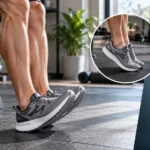
Strengthening the muscles around the hips, thighs, and calves can improve support around the knee. Glute bridges, controlled calf raises, and light hamstring exercises may be useful when performed without increasing symptoms. Begin with low resistance and focus on steady movement rather than trying to train through pain.
Gentle mobility can also help when stiffness is present. Slowly bending and straightening the knee within a comfortable range encourages movement without excessive loading. Calf and hamstring stretches may be helpful when true muscle tightness is involved, but stretching should never reproduce sharp or nerve-like pain.
The correct exercise depends on the cause of the pain. A routine suitable for mild overuse may not be appropriate for a meniscus injury, DVT, or significant tendon problem. If you are unsure what is causing symptoms, professional guidance can help prevent the wrong exercise from making the problem worse.
Common Mistakes That Can Make Pain Worse
One common mistake is continuing high-impact activity despite increasing symptoms. Training through pain can turn a mild irritation into a longer-lasting problem, particularly when tissues do not have enough time to recover. Temporarily adjusting the workload usually makes more sense than repeatedly testing the painful movement.
Another mistake is stretching aggressively because the back of the knee feels tight. Several nerves, tendons, and blood vessels pass through this area, so not every sensation should be treated as a tight muscle. Forceful stretching can worsen certain injuries or nerve-related symptoms.
People may also rely on pain relief without addressing the activity that triggered the problem. Medication, heat, or ice can reduce symptoms temporarily, but recurring pain may continue if training volume, footwear, or movement habits remain unchanged. Long-term improvement usually requires addressing both discomfort and the underlying cause.
When Should You See a Doctor?
Seek medical attention if pain behind the knee follows a significant injury, causes major swelling, or makes it difficult to bear weight. A sudden pop, rapid bruising, or inability to move the knee normally may indicate a more significant muscle, tendon, ligament, or joint injury.
Prompt evaluation is also important for one-sided leg swelling, warmth, redness, or calf tenderness because these symptoms can occur with a blood clot. Fever, severe pain, or a hot and swollen joint also deserves medical attention because infection or significant inflammation may be involved.
Schedule a professional assessment if milder pain does not improve after several weeks or keeps returning during normal activity. A doctor or physical therapist can evaluate strength, movement, swelling, and tenderness to narrow down the cause. Imaging may be recommended when the examination suggests a structural problem.
Conclusion
Back of knee pain can come from muscle strains, tendon irritation, Baker’s cysts, arthritis, meniscus injuries, nerve problems, or overuse. In some cases, vascular problems such as deep vein thrombosis must also be considered. The pattern of symptoms and presence of swelling or neurological changes can provide important clues.
Mild activity-related discomfort may improve with temporary activity modification, gentle movement, appropriate cold or heat, and gradual strengthening. Avoid forcing painful stretches or repeatedly training through worsening symptoms. The safest approach is to match treatment to the actual cause rather than assuming every pain behind the knee is muscular.
Seek medical care when symptoms are severe, follow a significant injury, or occur with major swelling, warmth, weakness, numbness, or difficulty walking. Sudden one-sided swelling with breathing symptoms requires urgent attention. Proper evaluation can help identify the cause and guide a safer return to normal activity.
FAQs
What is the most common cause of pain behind the knee?
Muscle strain, overuse, tendon irritation, arthritis, and Baker’s cysts are common causes. The exact cause depends on whether pain followed activity, developed gradually, or occurs with swelling or other symptoms.
Can tight hamstrings cause pain behind the knee?
Yes. Tight or strained hamstrings can create pulling or aching near the back of the knee, especially during walking, running, or leg straightening. Persistent pain should still be evaluated if it does not improve.
When should I worry about pain behind my knee?
Seek medical attention for severe pain, major swelling, warmth, redness, weakness, numbness, or inability to bear weight. Sudden swelling with chest pain or breathing difficulty requires emergency care.
Can a Baker’s cyst go away on its own?
Some Baker’s cysts improve when the underlying knee inflammation settles. Persistent, painful, or rapidly changing swelling should be evaluated because treatment may need to address the condition causing the excess joint fluid.
Should I exercise if the back of my knee hurts?
Light movement may be appropriate if it does not worsen symptoms. Avoid high-impact activity or exercises that increase pain, and seek guidance if the cause is unclear or symptoms continue.