

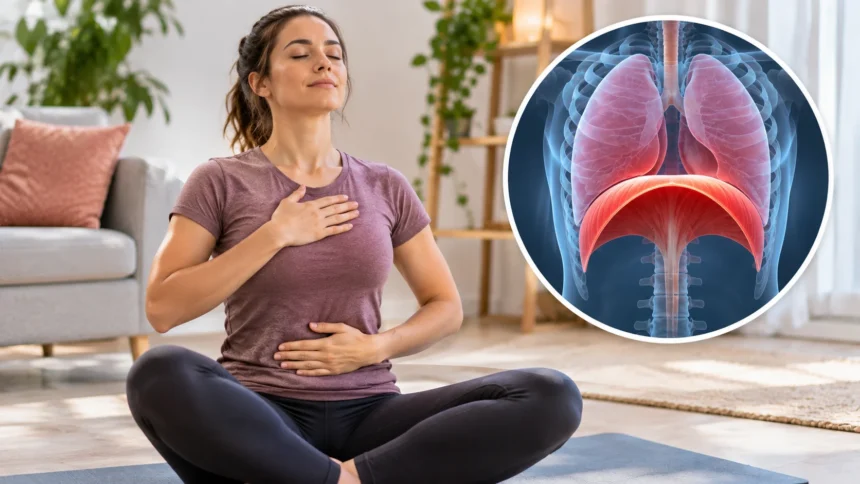
Diaphragmatic breathing is a simple technique that encourages slower, more controlled breathing by using the diaphragm effectively. It is commonly called belly breathing because the abdomen gently rises and falls during practice. Learning diaphragmatic breathing can help improve breathing awareness, encourage relaxation, and support comfortable respiratory movement during everyday activities.
Many people notice changes in their breathing when they feel stressed, tired, or physically uncomfortable. Breathing may become faster or involve greater movement through the upper chest and shoulders. Practicing a relaxed breathing pattern can help reduce unnecessary tension and make it easier to recognize how the body responds to different situations.
The technique does not require expensive equipment or complicated exercises, making it accessible to many beginners. However, diaphragmatic breathing is not a replacement for medical treatment or a guaranteed solution for respiratory problems. This guide explains how the technique works, its potential benefits, proper methods, common mistakes, and practical ways to include it in your daily routine.
What Is Diaphragmatic Breathing?
Diaphragmatic breathing is a breathing technique that emphasizes the natural movement of the diaphragm during inhalation and exhalation. The diaphragm is a dome-shaped muscle located beneath the lungs and above the abdominal organs. It plays a central role in normal breathing by changing the space available within the chest.
During diaphragmatic breathing, the abdomen usually moves outward gently as air enters the lungs. This happens because the diaphragm contracts and moves downward, allowing the lungs to expand. As you breathe out, the diaphragm relaxes and rises, while the abdomen naturally returns toward its resting position.
Although this technique is often called belly breathing, air does not enter the stomach. Instead, the movement reflects changes inside the chest and abdomen during respiration. The purpose is to encourage comfortable, efficient breathing without unnecessarily lifting the shoulders or forcing the abdominal muscles.
How Does Diaphragmatic Breathing Work?
The diaphragm is the primary muscle responsible for breathing during rest. When you inhale, it contracts and moves downward, increasing the volume of the chest cavity. This creates a pressure difference that allows air to flow into the lungs through the airways.
During exhalation, the diaphragm relaxes and returns toward its dome-shaped resting position. The lungs and chest wall naturally recoil, helping air move outward. At rest, exhalation usually requires little muscular effort, although breathing patterns can change during exercise, illness, or other physical demands.
Diaphragmatic breathing exercises encourage awareness of this normal process while reducing unnecessary effort. The goal is not to force the abdomen outward or take the largest possible breaths. Instead, practice focuses on allowing comfortable diaphragm movement while maintaining a relaxed breathing rhythm.
Understanding the Role of the Diaphragm
The diaphragm separates the chest cavity from the abdominal cavity and is essential for normal respiration. Its movements help control airflow and support the exchange of oxygen and carbon dioxide in the lungs. The diaphragm works continuously throughout the day, including while you are resting or sleeping.
Other muscles can also assist breathing when the body’s demands increase. During physical activity or respiratory difficulty, muscles around the ribs, neck, and upper chest may contribute more actively. This additional effort is not always abnormal because the body adjusts breathing to meet changing needs.
Diaphragmatic breathing practice encourages greater awareness of how breathing muscles work together. It may help some individuals reduce excessive upper-body tension during relaxed breathing. However, the technique does not mean chest movement should disappear completely, since normal breathing involves coordinated movement of the diaphragm and rib cage.
Benefits of Diaphragmatic Breathing
One potential benefit of diaphragmatic breathing is promoting a calmer and more controlled breathing pattern. Slow, comfortable breathing may support relaxation and help some individuals manage temporary stress. It can also encourage awareness of physical tension, making it easier to recognize changes in breathing during demanding situations.
The technique may help certain people improve breathing efficiency or reduce unnecessary breathing effort. Healthcare professionals sometimes include breathing retraining in rehabilitation programs for selected respiratory conditions. However, results vary depending on the individual, and diaphragmatic breathing is not suitable as a standalone treatment for every breathing disorder.
Another advantage is that breathing exercises can be practiced in different comfortable positions without specialized equipment. Short sessions may fit into morning routines, movement breaks, or relaxation activities. The most meaningful benefits usually come from gentle, consistent practice rather than attempting unusually deep or prolonged breaths.
How to Do Diaphragmatic Breathing Step by Step
Begin by lying comfortably on your back with your knees bent and your head supported if needed. Place one hand on your upper chest and the other hand on your abdomen, just below the rib cage. This position helps you notice how different parts of your body move while breathing.
Slowly breathe in through your nose, allowing your abdomen to rise gently beneath your lower hand. Your upper chest may move slightly, but try to keep your shoulders relaxed. Avoid forcing your stomach outward or inhaling more air than feels comfortable, since the movement should remain natural.
Exhale slowly and comfortably, allowing your abdomen to return toward its resting position. Continue for a few relaxed breaths while paying attention to the rhythm and movement. If you feel dizzy, uncomfortable, or short of breath, stop the exercise and return to your usual breathing pattern.
Diaphragmatic Breathing While Sitting
Sitting is a convenient position for practicing diaphragmatic breathing during daily activities. Choose a stable chair that supports your body and allows both feet to rest comfortably on the floor. Keep your shoulders relaxed and avoid holding your spine in an exaggerated or uncomfortable position.
Place one hand over your abdomen and breathe in slowly through your nose. Notice the gentle outward movement beneath your hand while allowing your chest and shoulders to remain relatively relaxed. As you breathe out, let your abdomen naturally move inward without squeezing or forcing the air out.
You can practice several comfortable breaths before returning to normal activities. Sitting exercises are useful during short breaks because they require little preparation. If you find it difficult to sense abdominal movement while seated, practicing while lying down may provide an easier starting position.
Practicing Diaphragmatic Breathing While Standing
Standing diaphragmatic breathing can help you become familiar with the technique outside a seated or lying position. Begin with your feet comfortably apart and your knees relaxed. Keep your shoulders loose and allow your arms to rest naturally beside your body.
Place a hand on your abdomen if it helps you recognize the breathing movement. Inhale gently through your nose, noticing how your lower ribs and abdomen expand. Exhale comfortably without tightening your shoulders, leaning backward, or deliberately forcing your stomach inward.
Standing practice may feel different because the body must also maintain balance and posture. Begin with a few slow breaths and avoid concentrating so intensely that you become tense. If standing makes you lightheaded, stop and sit comfortably before attempting additional breathing exercises.
Diaphragmatic Breathing vs. Chest Breathing
Diaphragmatic breathing emphasizes the movement of the diaphragm and lower rib cage during inhalation. Chest-focused breathing may involve more visible movement through the upper chest and shoulders. However, these patterns are not completely separate because normal respiration often combines several types of muscular movement.
Upper chest breathing may become more noticeable during physical exertion, emotional stress, or increased respiratory demand. This does not automatically indicate a harmful breathing pattern. The body naturally recruits additional breathing muscles when it needs more airflow or greater respiratory effort.
Breathing retraining focuses on encouraging comfortable movement rather than eliminating normal chest expansion. Diaphragmatic breathing can be useful during relaxation, while other patterns may be appropriate during demanding physical activities. The most effective breathing approach depends on the situation, individual needs, and any existing health conditions.
Diaphragmatic Breathing for Stress and Relaxation
Stress can influence breathing rate, muscle tension, and the body’s overall level of alertness. Some people begin breathing more quickly or notice greater tension around their chest and shoulders. Gentle diaphragmatic breathing may help create a calmer rhythm and provide a useful point of focus.
During practice, concentrate on allowing each breath to happen comfortably rather than controlling every movement. A quiet environment may help beginners recognize their breathing pattern without distraction. You can also combine breathing exercises with comfortable sitting, gentle relaxation, or a short break from demanding activities.
Although breathing techniques can support relaxation, they do not eliminate the causes of ongoing stress. Some people may also find deliberate breathing exercises uncomfortable or anxiety-provoking. If this happens, return to natural breathing and consider other supportive approaches rather than forcing yourself to continue.
Can Diaphragmatic Breathing Help With Anxiety?
Anxiety can sometimes affect breathing by increasing its speed or changing how strongly people notice respiratory sensations. Slow, comfortable breathing exercises may help some individuals manage temporary physical tension. Focusing gently on the breath can also provide a structured activity during periods of increased stress.
However, diaphragmatic breathing is not a guaranteed way to stop anxiety symptoms or prevent panic episodes. Attempting extremely deep breaths can sometimes increase dizziness or discomfort, particularly when someone is already breathing rapidly. The goal should be relaxed breathing rather than taking in as much air as possible.
People experiencing frequent or significant anxiety may benefit from professional mental health support alongside suitable self-management strategies. Breathing exercises can be one part of a broader approach, but they should not replace recommended treatment. Choose techniques that feel calming and stop if deliberate breathing increases distress.
Diaphragmatic Breathing for Better Sleep
A gentle breathing routine before bedtime may help some people transition from daily activities into a more relaxed state. Slower breathing can encourage attention toward comfortable physical sensations rather than stimulating tasks. This makes diaphragmatic breathing a practical option within an established evening routine.
Begin by lying in a comfortable position and allowing your breathing to settle naturally. Notice the movement of your abdomen without trying to maintain a strict rhythm. A few minutes of relaxed breathing may be sufficient, particularly when you are tired or preparing to sleep.
Diaphragmatic breathing does not treat every cause of sleep difficulty. Persistent insomnia, loud snoring, or possible sleep-related breathing problems may require medical evaluation. The technique is best viewed as a relaxation practice that can complement healthy sleep habits rather than a substitute for appropriate care.
Diaphragmatic Breathing During Physical Activity
The diaphragm works continuously during physical activity and adapts to increased oxygen demands. As exercise intensity rises, breathing naturally becomes faster and deeper to support the body’s needs. Attempting to maintain a very slow breathing pattern during demanding exercise may feel uncomfortable or interfere with normal respiratory adjustments.
Diaphragmatic breathing exercises are often easier to practice during rest or low-intensity activities. Gentle walking may provide an opportunity to notice relaxed breathing without forcing a particular rhythm. However, the breathing pattern should remain appropriate for the amount of physical effort involved.
Some athletes and exercise professionals use breathing awareness as part of general movement training. These practices may help individuals recognize unnecessary tension or improve coordination during selected activities. Breathing exercises should support comfortable movement rather than encourage breath-holding, excessive control, or restricted airflow.
How Long Should You Practice Diaphragmatic Breathing?
Beginners can start with approximately two to five minutes of gentle diaphragmatic breathing. Short sessions provide enough time to become familiar with abdominal and rib movement without creating unnecessary effort. The most important consideration is maintaining a comfortable breathing pattern throughout the practice.
Some people gradually increase their sessions as the technique becomes familiar. However, there is no requirement to practice for a fixed number of minutes to experience relaxation benefits. Several comfortable breaths may be more useful than a lengthy session that causes tension or lightheadedness.
Avoid treating breathing duration as a performance target. Breathing exercises should not involve prolonged breath-holding, deliberate oxygen restriction, or forcing unusually large inhalations. If you have a respiratory condition, follow the practice schedule recommended by your healthcare professional rather than relying on a general routine.
How Often Should You Practice Belly Breathing?
Diaphragmatic breathing can be practiced regularly when it remains comfortable and does not aggravate existing symptoms. Some people find a short daily session helpful for developing breathing awareness. Others prefer using the technique occasionally during relaxation breaks or before bedtime.
Consistency can make it easier to recognize the movement of your diaphragm without concentrating heavily. You might begin with one brief session each day and adjust according to your comfort. There is no need to complete multiple lengthy sessions or follow rigid breathing schedules.
People receiving respiratory rehabilitation may be given specific instructions about practice frequency and technique. These recommendations should take priority over general wellness advice. If exercises repeatedly produce dizziness, chest discomfort, or breathing difficulty, discontinue them and discuss the symptoms with a healthcare professional.
Common Diaphragmatic Breathing Mistakes to Avoid
One common mistake is taking excessively large breaths while attempting to make the abdomen rise dramatically. This can lead to uncomfortable overbreathing and may cause dizziness or tingling. The technique should involve relaxed, natural inhalations rather than trying to fill the lungs to their maximum capacity.
Another mistake is tightening the abdominal muscles or forcing the stomach outward. Diaphragmatic breathing should allow abdominal movement to occur naturally as the diaphragm contracts and relaxes. Holding the shoulders rigid or maintaining an uncomfortable posture can also make the exercise more difficult.
Some beginners become overly focused on counting breaths or controlling every part of the breathing cycle. This may create unnecessary stress and reduce the relaxing effect of the practice. A comfortable, unforced rhythm is generally more useful than attempting to follow complicated timing instructions.
Who Should Be Careful With Diaphragmatic Breathing?
Most healthy individuals can try gentle diaphragmatic breathing, but some people may need professional guidance. Individuals with significant respiratory conditions, recent chest or abdominal surgery, or unexplained breathing difficulties should ask a healthcare professional whether specific exercises are appropriate. The technique may need modification depending on medical circumstances.
People with chronic obstructive pulmonary disease or other breathing disorders sometimes receive breathing retraining as part of rehabilitation. However, different respiratory conditions require different strategies, and diaphragmatic breathing may not benefit everyone. A respiratory therapist can assess breathing mechanics and recommend suitable techniques when necessary.
Stop practicing if you develop significant dizziness, chest pain, or worsening breathlessness. Sudden severe difficulty breathing, fainting, or chest discomfort accompanied by concerning symptoms requires urgent medical attention. Breathing exercises should never delay appropriate assessment or emergency treatment for potentially serious health problems.
Diaphragmatic Breathing and Respiratory Health
Diaphragmatic breathing supports awareness of a muscle that is already essential for normal lung function. Practicing relaxed breathing may help certain individuals reduce unnecessary breathing effort or become more comfortable with their respiratory movements. However, the technique does not automatically increase lung capacity or cure respiratory disease.
Healthcare professionals may include breathing exercises in selected pulmonary rehabilitation programs. These programs often combine education, physical activity, breathing strategies, and individualized treatment recommendations. The benefits depend on the condition being treated and whether the exercise matches the person’s specific respiratory needs.
Good respiratory health also involves avoiding harmful exposures, maintaining appropriate physical activity, and following treatment recommendations for diagnosed conditions. Breathing exercises can complement these measures but cannot replace them. If you experience recurring breathlessness, wheezing, or unexplained respiratory symptoms, seek an appropriate medical evaluation.
Simple Diaphragmatic Breathing Routine for Beginners
A beginner-friendly routine starts with finding a quiet, comfortable position where your body can relax. Sit in a supportive chair or lie on your back with your knees comfortably bent. Place one hand on your chest and the other on your abdomen to help recognize the movement.
Breathe in gently through your nose and allow your abdomen to expand naturally. Then exhale slowly and comfortably without squeezing your stomach or holding your breath. Continue this pattern for several relaxed breaths while keeping your face, neck, and shoulders free from unnecessary tension.
You can repeat the exercise for a few minutes if it remains comfortable. Finish by allowing your breathing to return naturally to its usual rhythm. If you become dizzy or uncomfortable at any point, stop immediately and avoid forcing the technique simply to complete the routine.
How to Make Diaphragmatic Breathing a Daily Habit
Building a regular breathing practice is easier when it connects to an existing daily activity. You might practice a few comfortable breaths after waking, during a quiet afternoon break, or before going to bed. Choosing a familiar time reduces the need for complicated scheduling or reminders.
Keep expectations realistic and avoid treating the exercise as another demanding task. Some sessions may feel relaxing, while others may not produce any noticeable change. The purpose is to develop awareness and encourage comfortable breathing rather than achieve an immediate physical or emotional result every time.
As the technique becomes familiar, you may find it easier to recognize unnecessary tension during everyday activities. However, there is no need to consciously control your breathing throughout the day. Natural breathing should remain automatic, with structured exercises used only when they feel useful and appropriate.
Conclusion
Diaphragmatic breathing is a gentle technique that focuses on the natural movement of the diaphragm during inhalation and exhalation. It can support breathing awareness, encourage relaxation, and help some individuals develop a more comfortable respiratory pattern. The technique is simple to practice and usually requires no special equipment.
Successful practice depends on maintaining a relaxed posture, breathing naturally, and avoiding excessive effort. Beginners can start with short sessions while sitting or lying comfortably and gradually develop familiarity with the movement. Forcing deep breaths, holding the breath unnecessarily, or continuing despite dizziness can make the exercise uncomfortable.
Although diaphragmatic breathing may complement stress management and certain rehabilitation programs, it is not a treatment for every respiratory or medical condition. People with persistent breathing problems should seek appropriate professional guidance. With gentle practice and realistic expectations, this technique can become a useful part of everyday relaxation and breathing awareness.
Frequently Asked Questions
What is diaphragmatic breathing in simple terms?
Diaphragmatic breathing is a technique that emphasizes using the diaphragm during relaxed breathing. As you inhale, your abdomen gently rises, and as you exhale, it naturally returns toward its resting position.
What are the main benefits of diaphragmatic breathing?
Potential benefits include improved breathing awareness, relaxation, and reduced unnecessary breathing effort for some individuals. The results vary, and the technique should not replace medical treatment for respiratory conditions.
How long should beginners practice diaphragmatic breathing?
Beginners can start with approximately two to five minutes of comfortable breathing. Shorter sessions are also acceptable, especially when learning the technique or adjusting to the sensation of slower breathing.
Can diaphragmatic breathing help reduce anxiety?
Gentle diaphragmatic breathing may help some people manage temporary stress and physical tension. However, it does not eliminate anxiety disorders, and professional support may be necessary for persistent symptoms.
Is diaphragmatic breathing safe to do every day?
Gentle daily practice is generally suitable for many healthy individuals when it remains comfortable. Stop if dizziness, chest discomfort, or worsening breathlessness occurs, and seek medical advice when symptoms persist.