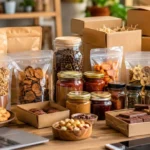


Preparing excellent food is only one part of building a successful food business. Customers must discover your brand, understand what makes it different, and feel confident enough to place an order. Effective food marketing connects these steps through clear messages and consistent customer experiences. It turns attention into sales rather than collecting views that produce no revenue.
Food businesses can now reach customers through local search, websites, social media, delivery platforms, email, events, and community partnerships. However, trying to use every channel at once can waste time and money. The right marketing strategy depends on your audience, products, location, and business model. A home bakery will not market itself exactly like a restaurant or packaged food company.
Successful marketing also continues after the first purchase. Repeat customers, referrals, reviews, and direct orders can become more valuable than constantly searching for new buyers. Your food quality and service must support the promises made in your advertisements. Marketing works best when the complete customer experience is reliable.
This guide covers practical food business marketing strategies that can attract relevant customers and increase profitable sales. It explains local SEO, social media, direct ordering, promotions, loyalty programs, partnerships, paid advertising, and performance tracking. Use the ideas that match your current resources and customer behavior. Test each strategy before investing heavily in it.
Why Food Business Marketing Matters
The food industry gives customers an enormous number of choices. A potential buyer may compare restaurants, bakeries, food trucks, meal services, and grocery products before deciding what to purchase. Good marketing helps your offer become visible during that decision. It also explains why your business is the better choice.
Marketing can create familiarity before customers taste your food. Consistent photographs, messages, reviews, and local visibility make the brand feel more trustworthy. People are often more comfortable ordering from a company they recognize. Familiarity can therefore reduce uncertainty around a first purchase.
An effective marketing plan also helps you attract the right customers. Reaching everyone is less useful than reaching people who value your food, prices, location, and service. These customers are more likely to order repeatedly and recommend you. Targeted marketing can produce better results with a smaller budget.
Finally, marketing provides information about customer behavior. Orders, reviews, website visits, email clicks, and promotional results reveal what attracts attention and produces revenue. You can use this evidence to improve products and campaigns. Decisions become more reliable when they are based on results rather than personal opinions.
Define Your Ideal Customer
Begin by identifying the specific people most likely to purchase your food. Consider their location, lifestyle, income, schedule, dietary preferences, and ordering habits. Your ideal customer might be a busy professional, student, parent, event planner, or health-conscious consumer. A clear audience makes every marketing decision easier.
Understand the problem your food solves for that person. Office workers may need convenient lunches, while parents may want family meals that reduce cooking time. Celebration customers may value customization and attractive presentation. Marketing should focus on these useful outcomes instead of listing product features alone.
Research where your customers discover and purchase food. Some people depend on local search and reviews, while others follow food creators or browse delivery apps. Ask current buyers how they found you. Their answers can show which marketing channels deserve more attention.
Create a simple customer profile that your team can understand. Include what the customer wants, what prevents a purchase, and what encourages trust. Use this profile when creating menus, photographs, promotions, and advertisements. A focused message usually performs better than content written for everyone.
Build a Clear Food Brand
Your brand is the complete impression people develop about your food business. It includes your name, logo, packaging, photography, communication, service, and product quality. Customers should recognize the same identity wherever they find you. Consistency makes a small business feel more established.
Choose a clear position for the brand. You might specialize in affordable office lunches, premium celebration cakes, healthy family meals, or authentic regional dishes. This position should reflect a genuine customer need. Avoid broad claims such as offering the best food for everyone.
Develop a recognizable visual style using a small set of colors, fonts, and photographic choices. Use the style across menus, packaging, websites, signs, and social media profiles. The design should support the personality of the business without making information difficult to read. Customers must still find prices and ordering details quickly.
Your tone of voice should also remain consistent. A family meal service may sound warm and helpful, while a premium dining brand may use more refined language. Keep the message natural and easy to understand. A memorable brand feels human rather than assembled from unrelated marketing trends.
Create a Strong Unique Selling Proposition
A unique selling proposition explains why customers should choose your business over alternatives. It should identify a specific benefit that matters to the intended audience. Claims such as “high-quality food” are too general because every competitor can say the same thing. A useful proposition is clearer and more distinctive.
Your difference might involve a special cuisine, faster service, dietary focus, customization, convenience, or preparation method. For example, you might offer protein-rich lunches delivered to local offices before midday. That statement identifies the product, audience, and benefit. Customers can immediately decide whether it is relevant.
The proposition must be realistic enough to deliver consistently. Do not promise fast delivery if your kitchen and transportation system cannot support it. Avoid promoting products as allergen-free unless your facility and procedures justify the claim. Marketing promises create expectations that operations must fulfill.
Use the main proposition across your website, social profiles, menus, packaging, and advertisements. Repeating a clear message strengthens customer memory. Changing your position every week can confuse the market. Keep the central promise stable while testing different ways of expressing it.
Improve Your Local Search Visibility
Local SEO helps nearby customers discover your business when searching for food. Create or claim an accurate business profile where eligible and complete every relevant field. Include your name, address or service area, telephone number, hours, category, website, and menu. Keep this information consistent across online platforms.
Add current food photographs, service details, and ordering links to your profile. Restaurants can also manage menu information and available ordering options through their Google Business Profile. Clear information helps customers decide without searching through several websites.
Google explains that local results are mainly influenced by relevance, distance, and prominence. You cannot change where a searcher is located, but you can improve the accuracy and usefulness of your business information. Reviews, website visibility, and consistent details can support your local presence.
Create website pages that accurately describe your food, services, and location. Use natural phrases customers might search, such as bakery delivery in a specific area or office catering near a business district. Avoid creating repetitive pages for locations you do not genuinely serve. Useful local content should help customers make a decision.
Build a Website That Converts Visitors
Your website should make ordering easier rather than acting only as a digital brochure. Display your menu, prices, location, service area, opening hours, and contact details prominently. Customers should quickly understand what you sell. Avoid hiding essential information behind unnecessary animations or complicated navigation.
Make the website easy to use on mobile devices. Many customers search for food while traveling, working, or deciding what to eat immediately. Buttons, menus, and checkout forms should work comfortably on a small screen. Test the complete ordering process on different devices.
Create separate pages for important products and services. A catering page should explain package options, event sizes, booking requirements, and how to request a quote. A bakery page might cover available flavors, sizes, customization, and ordering deadlines. Detailed pages can answer questions and attract relevant search traffic.
Google recommends creating helpful content for people while making it easy for search engines to understand. Use descriptive page titles, clear headings, relevant wording, and useful internal links. Do not force keywords into every sentence.
Encourage Direct Online Orders
Direct ordering can help you build stronger customer relationships and reduce dependence on third-party platforms. Make the process fast, reliable, and easy to understand. Customers should see accurate availability, customization options, delivery charges, and expected times. Unexpected fees can cause people to abandon their orders.
Place clear order buttons across your website and business profiles. Do not make customers search for instructions or send several messages before buying. A simple checkout process can convert interest into sales more effectively. Test every step regularly to identify technical problems.
Give customers a reason to choose direct ordering. You might offer loyalty points, exclusive bundles, easier customization, or access to a wider menu. Avoid using discounts that remove the financial benefit of receiving orders directly. Convenience and value can be more sustainable than constant price reductions.
Collect customer contact information only with appropriate permission. Direct orders can help you build an email or messaging audience for future marketing. Protect personal data and make promotional communication optional. Trust can be damaged when customer information is used carelessly.
Use Social Media With a Purpose
Social media allows food businesses to show products, people, and preparation visually. Choose platforms based on where your target customers are active. Maintaining two useful profiles is usually better than neglecting six. Each account should have a clear purpose connected to awareness, engagement, or sales.
Create a balanced content plan containing products, preparation, customer experiences, staff stories, and helpful food information. Avoid posting only discounts and sales messages. People follow food accounts because they enjoy the content. Promotional posts become more effective when the audience already finds the account valuable.
Short videos can show texture, preparation, packaging, or the final serving experience. Keep the opening visually interesting and show the food quickly. Add captions when they improve understanding. Meta currently supports advertising through vertical short-form placements such as Facebook and Instagram Reels.
Every post does not need professional production. Clear lighting, clean presentation, and honest food styling can produce attractive content. Customers often appreciate authentic kitchen and team moments. However, cleanliness and safety practices visible in the content should reflect professional standards.
Invest in High-Quality Food Photography
Food photography creates expectations before customers place an order. Images should make the product look appealing while representing its real portion, ingredients, and presentation. Misleading photographs may increase initial clicks but produce disappointment later. Customer trust matters more than temporary attention.
Use natural light or a consistent lighting setup where possible. Select a clean background and remove objects that distract from the product. Show texture, color, portion size, and important ingredients clearly. Different angles can be used for menus, social posts, websites, and advertisements.
Create a simple shot list before preparing food. Capture complete dishes, close-up details, packaging, ingredients, and people enjoying the product when appropriate. One photography session can supply content for several weeks. Planning reduces food waste and production time.
Update photographs when recipes, portions, or packaging change. Outdated images can cause complaints when customers receive something different. Organize files by product and intended channel. A searchable image library makes regular marketing much easier.
Turn Customer Reviews Into a Growth Channel
Reviews reduce uncertainty for people considering their first order. Ask satisfied customers to share honest feedback after receiving their food. Provide a direct review link when possible. Make the request polite and avoid pressuring customers to provide only positive comments.
Respond professionally to both positive and negative feedback. Thank customers for helpful comments and address genuine problems without becoming defensive. Google Business Profile allows businesses to read and reply to customer reviews. Google review management guidance
Negative feedback can reveal operational issues affecting several customers. Repeated complaints about delivery, packaging, portions, or service should be investigated. Correcting the cause is more valuable than writing a perfect public reply. Marketing cannot permanently hide a weak customer experience.
Share genuine reviews on your website and social channels when appropriate. Obtain permission before using customer photographs or identifying information. Do not purchase fabricated reviews or ask employees to pose as customers. Fake feedback can damage credibility and violate platform policies.
Build an Email and Messaging List
An email or messaging list allows you to communicate directly with people who already know your business. Unlike social media reach, access to your opted-in audience does not depend entirely on a platform feed. Direct communication can support repeat orders. It is particularly useful for weekly menus and seasonal launches.
Offer a useful reason to subscribe. Customers might receive preorder reminders, menu updates, event information, or access to limited products. Avoid promising constant discounts if that strategy is not financially sustainable. Convenience and early access can provide strong value.
Send messages at a frequency that matches your business. A weekly meal service may communicate more often than a wedding-catering company. Keep the subject and opening clear so customers understand why the message matters. Every communication should include an obvious next action.
Measure opens, clicks, orders, unsubscribes, and revenue where your system allows. High subscriber numbers mean little if messages do not generate engagement or sales. Test different offers, send times, and content types. Stop sending material that consistently provides no value.
Create Loyalty and Referral Programs
A loyalty program encourages customers to purchase repeatedly. It can reward visits, direct orders, subscriptions, or total spending. The reward should be simple enough to understand without a long explanation. Complicated systems often reduce participation.
Design the program around profitable customer behavior. You might reward direct orders more strongly than orders placed through a high-commission platform. Ensure the cost of the reward is lower than the value created by additional purchases. Monitor whether members actually order more frequently.
Referral programs turn satisfied customers into promoters. Offer a reasonable benefit to the existing customer and the person they refer. Use unique codes or links when possible so results can be measured. The referral experience should remain easy for both people.
Loyalty cannot be created through rewards alone. Customers must also receive consistent food, service, and communication. A free item will not repair repeated delivery problems. Treat the program as support for a strong experience rather than a replacement for one.
Partner With Local Businesses
Local partnerships can introduce your brand to an audience that already trusts another business. Choose partners serving similar customers without directly competing with your food. A healthy meal company might work with fitness studios, while a bakery could partner with event planners. The relationship should create value for both parties.
Possible collaborations include joint packages, corporate lunches, event catering, samples, or shared promotions. Clearly define who handles orders, payments, delivery, and customer concerns. Informal assumptions can lead to confusion. A written agreement is useful when money or ongoing responsibilities are involved.
Local offices can become valuable repeat customers. Offer meeting packages, employee lunches, celebration products, or scheduled delivery. Create a simple business menu that explains portions, prices, notice periods, and payment options. Reliability is especially important for workplace orders.
Review the results of every partnership. Measure orders, revenue, new contacts, and repeat purchases generated from the collaboration. A partnership that creates attention but no suitable customers may not deserve continued effort. Focus on relationships that produce mutual value.
Use Events and Sampling Strategically
Markets, festivals, pop-ups, and community events allow people to experience your products directly. Choose events attended by your ideal customers rather than selecting only the largest audience. A smaller relevant event may produce better sales. Request information about attendance, vendor fees, and competing food sellers.
Sampling can reduce hesitation around unfamiliar products or flavors. Offer portions large enough to demonstrate quality without creating excessive cost or waste. Make prices and purchasing options visible near the sample. Staff should know how to explain the product briefly.
Capture customer interest after the event. Display your social profiles, website, direct ordering information, or subscription option clearly. Encourage interested people to stay connected with permission. Event revenue alone may not represent the full marketing value.
Calculate the complete result after each event. Include registration, staff, transportation, ingredients, packaging, equipment, and unsold food. Compare total profit and new customer acquisition with the cost. Do not continue attending events simply because they feel busy.
Design Promotions That Protect Profit
Promotions can encourage trial, increase average order value, or fill quieter periods. Every offer should have one clear objective. Avoid launching a discount without knowing what customer behavior you want to change. Strong sales are not useful when the business loses money on every order.
Bundles can provide better value without reducing every product’s price. Combine complementary items that have healthy margins and improve the meal. Make the savings easy to understand. Ensure employees and ordering systems apply the offer correctly.
Limited-time products can create interest and test new ideas. Use genuine deadlines based on season, stock, or availability rather than creating false urgency. Track whether the item attracts new customers or shifts existing purchases. A popular promotion should still produce acceptable profit.
Measure the revenue, food cost, labor, new customers, and repeat orders generated by each promotion. Stop offers that attract only discount seekers who never return. Repeat successful campaigns when the evidence supports them. Marketing decisions should be based on complete results rather than order volume alone.
Use Delivery Platforms Carefully
Delivery platforms can expose your food to customers searching for immediate options. Complete your listing with accurate menus, prices, descriptions, hours, and photographs. Remove unavailable items quickly. An incomplete profile can lose sales even when customers are interested.
Calculate the net profit from platform orders after commissions, advertising, discounts, packaging, and refunds. Total platform revenue can look impressive while contributing little profit. Consider which menu items travel well and remain financially worthwhile. Not every product needs to appear on every channel.
Use delivery platforms as one part of your marketing mix rather than your entire customer relationship. When permitted, encourage customers to follow your brand or join an opted-in direct list. Do not make the direct experience less convenient than the platform. Customers choose the easiest reliable option.
Track each delivery platform separately. Compare order value, commissions, customer complaints, cancellations, and repeat behavior. Increase investment in channels that generate profitable demand. Reduce dependence on platforms that produce volume without sufficient return.
Run Paid Advertising With Clear Goals
Paid advertising can help you reach local customers quickly. Before spending money, choose a specific objective such as direct orders, reservations, catering inquiries, or brand awareness. Each objective requires different creative content and measurement. Avoid boosting posts without knowing the desired result.
Target the geographic area you can actually serve. Advertising to customers outside your delivery or travel range wastes money. Use audience information based on real customer behavior. Begin with a controlled budget and expand only after the campaign demonstrates value.
Advertisements should show the food clearly and communicate the offer quickly. Include the product, customer benefit, location, and action you want people to take. Ensure the landing page matches the advertisement. A strong ad cannot rescue a confusing or broken ordering page.
Measure cost per order, inquiry, reservation, or customer rather than views alone. Compare advertising cost with the profit generated from new customers. Consider whether those buyers return after the campaign. Long-term customer value can make a higher initial acquisition cost acceptable.
Track the Right Marketing Metrics
Marketing performance should be measured using business outcomes. Important metrics may include orders, revenue, average order value, repeat purchases, customer acquisition cost, and profit. Website visits and social engagement provide context but do not automatically represent success. Connect activity to customer behavior whenever possible.
Use unique promotional codes, order links, landing pages, or customer questions to identify where sales originate. Tracking will not always be perfect, particularly for offline recommendations. However, consistent methods can reveal useful patterns. Record results in a simple dashboard or spreadsheet.
Review performance by marketing channel. Local search, email, referrals, advertisements, and delivery apps may produce different customer values. One channel may create inexpensive first orders while another generates more repeat buyers. Compare quality as well as quantity.
Set a regular review schedule. Weekly checks can identify immediate problems, while monthly reviews show broader trends. Avoid changing campaigns after only a small amount of data. Give each test enough time and budget to produce meaningful evidence.
Create a Realistic Marketing Budget
Your marketing budget should match the size, goals, and financial capacity of the business. Include website costs, photography, software, advertising, printing, events, promotions, and employee time. Free channels still require labor. Treat time as a genuine business resource.
Separate ongoing marketing expenses from one-time launch costs. Branding, website development, and initial photography may require larger early payments. Email tools, advertising, content production, and local promotions continue after opening. Reserve enough money to maintain visibility beyond launch week.
Prioritize channels closest to customer action. Accurate local listings, strong reviews, direct ordering, and customer retention may deserve attention before broad awareness advertising. Build dependable foundations before increasing promotional spending. More traffic will not help if the ordering experience is poor.
Review the budget based on measurable performance. Increase spending where additional investment continues to produce profitable results. Reduce or redesign activities that consume money without achieving their objective. A marketing budget should remain flexible without becoming unplanned.
Common Food Marketing Mistakes
One common mistake is marketing to everyone. Broad messaging makes it difficult for customers to understand why the business is relevant to them. Define a target audience and a specific benefit. Focused positioning usually creates stronger recognition.
Another mistake is depending entirely on discounts. Constant promotions can reduce margins and train customers to avoid paying the regular price. Use bundles, loyalty benefits, and limited offers strategically. Quality, convenience, and service should remain the main reasons to purchase.
Inconsistent information also damages customer trust. Incorrect opening hours, outdated menus, unavailable products, and conflicting prices create frustration. Review your website, profiles, advertisements, and delivery listings regularly. Customers should receive the same essential information on every channel.
Finally, many owners measure visibility but ignore profitability. High follower counts, views, or platform sales can hide weak financial results. Track complete costs and repeat customer behavior. The strongest marketing strategy is the one that produces sustainable business growth.
Final Thoughts
Food business marketing works when it reaches the right customers with a clear and believable offer. Begin by defining your audience, brand position, and unique selling proposition. These foundations should guide every channel and campaign. Marketing becomes easier when people quickly understand why your business matters.
Build strong local visibility through accurate profiles, useful website pages, reviews, and direct ordering. Use social media and photography to show the real product experience. Maintain consistent information across every platform. A smooth path from discovery to purchase can improve conversion.
Focus on retention as well as customer acquisition. Email, loyalty programs, referrals, partnerships, and dependable service can turn first-time buyers into repeat customers. Repeat business reduces the pressure to find a completely new audience every day. Customer experience is one of your most powerful marketing tools.
Finally, measure orders, revenue, costs, profit, and repeat purchases. Test one meaningful change at a time and use the results to guide your budget. Strategies that work for another food company may not produce the same outcome for yours. Consistent testing will reveal the marketing mix that works for your customers.
Frequently Asked Questions
What is the best marketing strategy for a food business?
The best strategy depends on your customers, business model, and location. Local businesses often benefit from search visibility, reviews, social content, and direct ordering. Packaged brands may need retail partnerships and broader digital marketing. Choose channels based on customer behavior.
Begin with an accurate local business profile and a clear website. Make your menu, prices, location, and ordering process easy to find. These foundations support other campaigns. Advertising should not be the first solution to missing information.
Encourage reviews and repeat purchases after each successful order. Existing customers can provide referrals and valuable feedback. Retention is often more sustainable than constant discounting. The complete experience must remain consistent.
Measure results before declaring any strategy successful. Track orders, profit, repeat customers, and acquisition cost. Views alone do not prove business growth. Invest more in channels that generate profitable customers.
How can I promote my food business for free?
Create complete local business profiles and keep their information accurate. Post clear product photographs and respond to customer reviews. Share menus and ordering instructions through relevant community channels. These activities require time but may not require advertising spend.
Use social media to show food preparation, products, people, and customer experiences. Choose platforms where your ideal customers are already active. Post consistently instead of trying to publish every day. Useful content can build recognition gradually.
Develop partnerships with nearby businesses and community organizations. Joint promotions, samples, and workplace packages can introduce you to relevant audiences. Make sure the partnership benefits both sides. Track any orders it generates.
Encourage satisfied customers to recommend you. Provide excellent service and make your business easy to share. A simple referral system can support word-of-mouth growth. Never purchase fake reviews or engagement.
How often should a food business post on social media?
There is no universal posting frequency for every food company. Your schedule should depend on available content, audience behavior, and team capacity. Consistency is more useful than publishing heavily for one week and then disappearing. Choose a schedule you can maintain.
Start with a manageable number of useful weekly posts. Include products, preparation, team stories, customer experiences, and offers. Review which topics attract meaningful engagement and orders. Use the results to refine your schedule.
Short updates and stories can support more permanent posts. Avoid repeating the same sales message every day. Give people a reason to follow the account even when they are not immediately ordering. Valuable content strengthens future promotions.
Quality should not be confused with expensive production. Clear, honest, and attractive content can perform well. Maintain good lighting and clean presentation. Every post should represent your brand accurately.
How much should a food business spend on marketing?
The appropriate amount depends on revenue, growth goals, location, competition, and business stage. A new company may need higher launch spending than an established local brand. Create a budget from actual financial capacity. Do not copy another company’s percentage without context.
Include website costs, advertising, photography, promotions, software, and employee time. Some marketing activities are free financially but still require labor. Calculate the complete cost. This makes different channels easier to compare.
Begin with a controlled budget and clear objectives. Test local search, direct communication, partnerships, or advertising individually where possible. Measure the orders and profit each activity generates. Expand successful campaigns gradually.
Avoid spending money to attract demand the business cannot serve. Operations, packaging, and customer service must be ready first. A poor experience wastes the acquisition cost. Marketing growth should match production capacity.
How do I attract customers to a new food business?
Begin by creating a focused offer for a specific local audience. Clearly explain what you sell, how much it costs, and how customers can order. Test the products through preorders or a limited launch. Real purchases will reveal genuine interest.
Use high-quality photographs and accurate business listings to create trust. Ask early customers for honest feedback and reviews. Share their experiences with permission. Social proof can reduce uncertainty for new buyers.
Offer a launch bundle, tasting opportunity, or limited introductory promotion. Calculate the complete cost before advertising it. Avoid discounts that eliminate profit. The goal is to encourage trial and repeat purchases.
Stay connected with customers after the first order. Invite them to receive menus or updates with permission. Provide consistent food, packaging, and service. Strong retention can turn a small launch audience into sustainable growth.