
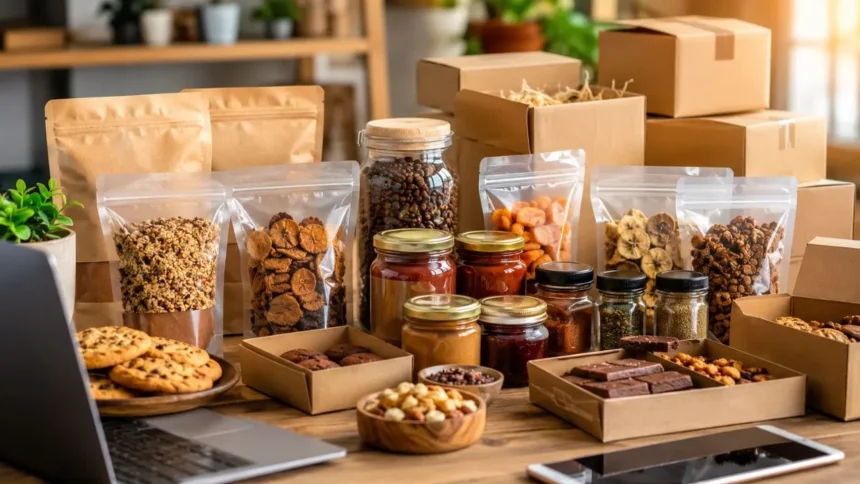
Selling food online allows you to reach customers beyond a physical shop or local market. You can receive orders through your website, online marketplaces, social media, or delivery platforms. However, not every food product is suitable for online selling. The best options balance customer demand, profit potential, shelf life, packaging, and shipping requirements.
Shelf-stable food products are often more manageable for beginners because they do not usually require refrigerated delivery. Products such as cookies, spices, candy, and baking mixes can also be produced in planned batches. This makes inventory and order fulfillment easier to control. Local regulations still determine what you can legally prepare and sell.
Your ideal product should solve a problem or offer something customers cannot easily find nearby. It might provide convenience, unique flavors, dietary suitability, attractive gifting, or an authentic cultural experience. Strong differentiation reduces the need to compete entirely on price. It also gives customers a memorable reason to choose your online food brand.
This guide examines ten of the best food products to sell online and explains their advantages, challenges, and target customers. It also covers product selection, packaging, pricing, legal requirements, shipping, and marketing. Use these ideas as starting points rather than guaranteed opportunities. Test real customer demand before making a large investment.
1. Cookies and Brownies
Cookies and brownies are popular online because they are familiar, giftable, and relatively easy to package. They can be sold individually, in assorted boxes, or through monthly subscriptions. Popular options include chocolate chip cookies, stuffed cookies, blondies, and brownie bites. Distinctive flavors can help your products stand out.
These baked goods generally travel more easily than delicate cakes and refrigerated desserts. However, you must test how they taste and look after several days inside their packaging. Texture, freshness, and appearance can change during transportation. Choose recipes that remain enjoyable throughout the expected delivery period.
Offer a focused selection instead of launching many flavors. You could begin with two classic options, one premium flavor, and a rotating seasonal product. This structure provides variety without creating excessive ingredient costs. Customer orders can then guide future menu decisions.
Calculate the cost of ingredients, packaging, labor, payment fees, and delivery materials before setting prices. Attractive gift boxes can support a higher order value, but they also increase expenses. Use secure internal packaging to prevent products from breaking or moving. The unboxing experience should feel appealing without creating unnecessary waste.
2. Spice and Seasoning Blends
Spice blends are compact, lightweight, and generally convenient to ship when properly prepared and packaged. You could sell barbecue rubs, curry blends, taco seasonings, baking spices, or regional mixtures. A distinctive recipe can separate your product from supermarket alternatives. Clear usage instructions can also increase its value.
Customers may hesitate to purchase a seasoning they have never tasted. Help them understand the flavor by describing its heat, aroma, suitable dishes, and recommended serving amount. You can also provide simple recipes showing how to use it. Useful education makes an unfamiliar product easier to buy.
Sell individual jars and themed collections for different cooking needs. A grilling set, beginner-cook collection, or regional spice box can increase average order value. Refill pouches may encourage repeat purchases and reduce packaging costs. Ensure every package protects the product from moisture and contamination.
Maintain exact recipes so every batch has the same flavor and strength. Record ingredient suppliers, quantities, batch dates, and packaging details. Clearly identify allergens and avoid unsupported health claims. Consistency is especially important when customers use your blend in a trusted recipe.
3. Hot Sauces and Condiments
Hot sauce, barbecue sauce, chutney, salsa, dressing, and other condiments can create strong repeat-purchase opportunities. Customers often enjoy trying flavors they cannot find in ordinary shops. A recognizable taste and brand story can make the product memorable. Multiple heat or flavor levels can attract different preferences.
Develop one excellent sauce before introducing a complete range. The product should have a clear purpose, such as grilling, dipping, marinating, or adding heat. Explain its flavor instead of relying only on terms such as mild or spicy. Customers want to know what foods it complements.
Sauces require careful attention to processing, packaging, storage, and shelf-life validation. A product that looks or smells acceptable may not necessarily be safe. Do not estimate shelf life or claim that refrigeration is unnecessary without suitable verification. Consult the relevant food authority or qualified specialist.
Glass bottles can feel premium but increase weight and breakage risk during shipping. Plastic or flexible packaging may reduce transportation problems when legally and practically suitable. Test seals, leakage, temperature exposure, and handling before launching. Damaged sauce can affect every item inside a customer’s parcel.
4. Jams, Jellies, and Fruit Preserves
Jams, jellies, marmalades, and fruit preserves can work well as online specialty products. Seasonal fruit, traditional recipes, and unusual flavor combinations provide opportunities for differentiation. Products can be sold alone or included in breakfast and gift collections. Attractive presentation may also support premium positioning.
Begin with a limited range that uses ingredients you can obtain consistently. Seasonal products can create excitement, but availability should be communicated clearly. Record recipes and processing steps for every batch. Consistency will help customers know what to expect when they reorder.
Preserved products require correct processing and reliable shelf-life information. Acidity, ingredients, container choice, sealing, and storage conditions can affect safety. Do not assume a family recipe is suitable for commercial sale without evaluation. Follow the requirements established by your local food authority.
Glass jars need protective shipping materials and durable outer packaging. Test parcels by sending them over realistic distances before accepting widespread orders. Include storage and opening instructions when required. Customers should know how to maintain quality after receiving the product.
5. Chocolates and Confectionery
Chocolates, caramels, fudge, brittle, and other sweets are highly suitable for gifts and celebrations. Customers often purchase them for birthdays, holidays, corporate events, and personal treats. Attractive boxes can increase perceived value. Personalized selections may support higher prices.
Choose products that can be produced consistently and packaged safely. Small variations in temperature, measurements, or cooking time can affect confectionery quality. Standard recipes reduce inconsistent texture and flavor. Production records can also help you identify the cause of failed batches.
Heat creates a significant shipping challenge for chocolate products. Warm weather can cause melting, discoloration, or changes in texture. You may need insulated packaging, cold materials, faster delivery, or seasonal shipping restrictions. Include those expenses when calculating profit.
Avoid building a product range entirely around one holiday. Develop everyday options alongside seasonal collections. Corporate gift packages, wedding favors, and subscription boxes can provide additional revenue. Test each offer on a small scale before purchasing large quantities of packaging.
6. Granola, Trail Mix, and Snack Packs
Granola, trail mix, roasted nuts, and snack packs can appeal to customers seeking portable food. They are suitable for individual portions, family bags, office boxes, and subscription packages. Different flavor combinations can serve a variety of preferences. However, avoid making nutritional claims that you cannot support.
These products are often relatively lightweight and less fragile than many baked goods. Proper packaging is still needed to protect freshness, texture, and flavor. Resealable pouches can improve convenience for larger packages. Test how the product changes after storage and shipping.
Nuts, sesame, dairy, wheat, soy, and other allergens may appear in snack products. Cross-contact can also occur when equipment is shared between recipes. Clearly identify ingredients and allergens according to applicable rules. Never describe a product as allergen-free unless your complete process supports that statement.
Bundles can help increase the average order value. You might offer a variety pack, workplace snack box, or recurring monthly delivery. Calculate portion sizes accurately so costs remain consistent. A reliable scale and standard recipe are essential for protecting margins.
7. Specialty Tea and Coffee
Tea and coffee are frequently purchased products with strong repeat-order potential. You could sell single-origin coffee, flavored blends, loose-leaf tea, traditional varieties, or curated sampler boxes. A focused niche can help you compete against established brands. Education and storytelling are particularly valuable in this category.
Explain each product’s flavor, aroma, origin, brewing method, and recommended serving style. Customers cannot smell or taste a product through a screen, so useful descriptions guide their decisions. Avoid using complicated language that beginners may not understand. Clear brewing instructions can improve the first experience.
Freshness and packaging are essential. Coffee and tea can lose quality when exposed to air, moisture, heat, or light. Choose packaging that suits the product and expected storage period. Test how the flavor changes before assigning a best-quality date.
Consider selling starter packs containing smaller amounts of several varieties. These collections reduce the risk customers feel when trying an unfamiliar product. Subscriptions can provide convenient repeat deliveries after buyers identify their favorites. Make cancellation and delivery terms clear before customers subscribe.
8. Baking and Cooking Mixes
Baking mixes allow customers to prepare products at home without purchasing and measuring every dry ingredient. Popular options include pancake mix, cookie mix, brownie mix, bread mix, and seasoning kits. Convenience is the main customer benefit. A good mix should produce reliable results with simple instructions.
Choose a recipe that requires only a few commonly available additions. Customers may lose interest if they must purchase several extra ingredients. Test the recipe with people who did not develop it. Their experience can reveal confusing instructions or unrealistic preparation times.
Use packaging that protects the dry mixture from moisture and contamination. Provide clear preparation, storage, ingredient, and allergen information. State the required equipment and expected number of servings. Customers should understand what they are purchasing before completing the order.
Gift-ready baking kits can increase the value of an ordinary mix. You might combine the product with decorations, toppings, recipe cards, or suitable tools. Calculate the cost and shipping weight of every addition. Extra components should improve the experience without removing your profit.
9. Dried Fruits and Dehydrated Foods
Dried fruits, vegetable chips, dried herbs, and dehydrated snacks can be suitable for online selling. Removing moisture can make certain products lighter and easier to store. However, safe dehydration requires proper equipment, processes, and packaging. Home drying methods should be evaluated before commercial use.
Focus on a clear niche, such as regional fruit, naturally flavored products, travel snacks, or cooking ingredients. Explain the texture, taste, serving size, and possible uses. Avoid implying that dried food automatically provides special health benefits. Marketing claims should remain accurate and supportable.
Packaging must protect dehydrated food from moisture and air. If the product absorbs moisture, its texture, quality, and safety may change. Test different packaging materials under realistic storage conditions. A strong seal is essential for products expected to travel long distances.
Standardize the thickness, preparation, drying time, and finished portion of every product. Inconsistent processing can create uneven quality. Record batch details and ingredient sources. These procedures become increasingly important as production volume grows.
10. Curated Food and Snack Boxes
Curated food boxes combine several complementary products into one convenient purchase. Possible themes include movie-night snacks, breakfast selections, regional foods, spicy products, or celebration gifts. A well-defined theme makes the box easier to market. Customers should immediately understand the occasion or experience it provides.
You can produce all items yourself or include approved products from other suppliers. If you use third-party products, verify their packaging, dates, storage conditions, and resale permissions. Keep supplier invoices and product information organized. Your brand reputation will be affected by every item inside the box.
Boxes can be sold as one-time gifts or recurring subscriptions. Subscription revenue may become more predictable, but customers expect variety and reliable delivery. Explain billing, shipping, renewal, and cancellation terms clearly. Do not make it difficult for customers to stop a subscription.
Calculate the combined product, packaging, assembly, payment, and delivery costs carefully. Heavy boxes may become expensive to ship even when the contents are affordable. Select products that provide variety without unnecessary weight. Test the complete box before launching it nationally.
How to Choose the Right Food Product
Begin with products that match your skills, equipment, budget, and permitted production environment. A popular product is not automatically suitable for your circumstances. Consider preparation time, storage, packaging, shipping, and customer support. Your operation must be able to deliver consistent quality.
Assess the product’s shelf life and transportation requirements. Shelf-stable food is generally simpler to distribute than food requiring continuous temperature control. USDA guidance states that perishable mail-order food should be shipped cold or frozen with an appropriate cold source. USDA mail-order food safety guidance
Study the competition and look for a specific customer need. You might focus on unique flavors, gifting, convenience, regional recipes, or special occasions. Avoid entering a crowded market with an identical product and no clear advantage. Customers need a reason to notice and remember your offer.
Test demand through a limited number of paid orders. Record which products sell, how much customers spend, and whether they return. Compliments are encouraging, but repeat purchases provide stronger commercial evidence. Use the results to improve the product before expanding.
Understand Food Laws and Labeling
Food laws depend on your location, product, facility, and sales method. You may need business registration, a food permit, kitchen approval, inspections, or food-safety training. Home-based operations may qualify for cottage food rules in certain locations. Confirm requirements before accepting online payments.
Packaged products may need labels showing ingredients, allergens, quantity, business details, and other information. In the United States, the FDA says labeling for most prepared foods must be truthful and not misleading. Nutrition and major-allergen requirements can also apply depending on the product and business. FDA food-business guidance
Review every ingredient, including flavorings, decorations, sauces, and processing aids. Supplier formulations can change, so examine updated labels when switching brands. Maintain recipe and batch records to improve traceability. Accurate information helps customers make safer choices.
Online marketplaces may have policies in addition to government regulations. Approval to create a listing does not prove that the food is legally compliant. You remain responsible for permits, safety, labeling, and shipping. Check marketplace and carrier policies before selecting a sales channel.
Package and Ship Food Safely
Packaging should protect food from contamination, moisture, air, impact, and temperature changes. The appropriate materials depend on the product and transportation period. A package that works for local collection may fail during national shipping. Test the complete journey before launching widely.
Use an inner package that protects freshness and an outer package that prevents physical damage. Fragile jars, bottles, and baked goods may need dividers or cushioning. Avoid excessive empty space that allows products to move. The parcel should arrive looking deliberate and professional.
Calculate shipping charges before setting product prices. Parcel dimensions, weight, distance, speed, insulation, and tracking can affect the cost. A low-cost food product may become difficult to sell when delivery costs exceed its value. Bundles can make shipping more economical by increasing order value.
Create a process for delays, damage, melting, leakage, and missing parcels. Explain customer responsibilities for receiving perishable deliveries when relevant. Monitor recurring shipping problems and change packaging or carriers when necessary. Refunds and replacements should be included in your financial planning.
Price Your Online Food Products for Profit
Calculate every ingredient used in one recipe and divide the total by the number of sellable portions. Include small amounts of oil, spices, decorations, and garnishes. These costs can become significant across many orders. Accurate recipe costing creates the foundation for pricing.
Add packaging, labels, labor, payment fees, marketplace commissions, marketing, and expected waste. Shipping materials should be included even when customers separately pay for postage. Your time spent preparing, packing, and handling orders also has value. Ingredient cost alone cannot determine a sustainable price.
Compare your calculated price with similar online products. Consider portion size, product quality, branding, convenience, and customer expectations. Do not automatically become the cheapest seller. A clear specialty and reliable experience can support stronger pricing.
Review margins separately for individual products, bundles, subscriptions, and sales platforms. A marketplace order may produce less profit than a direct website purchase. Update calculations whenever ingredient, packaging, or carrier prices change. Regular reviews prevent rising expenses from quietly removing your profit.
Market Your Online Food Store
High-quality photographs are essential because customers cannot inspect or taste the product before purchasing. Show the complete package, portion size, texture, ingredients, and serving ideas. Images should accurately represent what customers receive. Misleading styling can increase complaints and returns.
Write product descriptions that answer practical questions. Explain the flavor, quantity, ingredients, storage, intended use, and delivery expectations. Naturally include phrases customers use when searching for the product. Avoid repeating keywords in ways that make the description difficult to read.
Use social media to show preparation, packaging, customer experiences, and new products. Short videos can demonstrate texture and serving ideas more effectively than static advertisements. Ask customers for honest reviews after successful orders. Reviews can reduce uncertainty for future buyers.
Build an opted-in email or messaging list for product launches, seasonal collections, and reorder reminders. Repeat customers can become especially valuable for coffee, tea, sauces, snacks, and other frequently used products. Offer useful communication instead of constant discounts. Direct relationships reduce dependence on marketplace algorithms.
Common Mistakes to Avoid
The first mistake is selecting a product without testing whether customers will pay for it. Personal excitement does not prove commercial demand. Run a small preorder campaign or market test first. Use actual sales and repeat orders to guide your decision.
Another mistake is ignoring the effect of shipping. Fragile, heavy, or perishable products can become expensive and difficult to deliver. Test packaging, travel time, and total shipping cost before promoting the product widely. The customer experience continues until the parcel is opened.
Some sellers offer too many flavors and sizes at launch. A large range increases ingredients, packaging, preparation time, and inventory complexity. Start with a focused selection of strong products. Expand after identifying what customers regularly purchase.
Finally, avoid making unsupported health, nutrition, allergen, or shelf-life claims. These statements can affect customer safety and create regulatory problems. Ensure every label and product page is accurate. Professional guidance may be necessary for specialized claims or processing methods.
Final Thoughts
The best food products to sell online are desirable, distinctive, profitable, and practical to ship. Cookies, spice blends, sauces, confectionery, tea, snacks, and cooking mixes can provide strong starting points. However, no product becomes successful simply because it belongs to a popular category. Customer demand and execution determine its potential.
Begin with one focused product range and a clearly defined audience. Test recipes, packaging, pricing, and shipping through a limited launch. Record every cost and customer response. Improve the offer before spending heavily on inventory or custom packaging.
Follow the legal, food-safety, labeling, and allergen rules applying to your location and products. These obligations continue whether you sell through a website, marketplace, or social media page. Safe handling protects customers and your reputation. Compliance should be planned before the first order.
Build growth through quality, useful marketing, dependable delivery, and repeat purchases. Track profit rather than focusing entirely on total revenue or social media attention. Expand the product range only when existing items perform consistently. A focused online food brand can grow gradually into a sustainable business.
Frequently Asked Questions
What food is easiest to sell online?
Shelf-stable, lightweight products such as cookies, spice blends, tea, candy, granola, and baking mixes are often easier to package and ship. Always confirm local food-business and labeling requirements first.
Can I sell homemade food online?
You may be able to sell homemade food under local cottage food or home-business rules. Permitted products, sales channels, revenue limits, and licensing requirements vary by location.
What food products have good profit potential?
Spice blends, specialty snacks, confectionery, baking mixes, and gift boxes can offer good margins when costs are controlled. Actual profitability depends on pricing, labor, packaging, shipping, and demand.
Do I need a license to sell food online?
Most sellers need some form of business registration, food approval, or permit. Contact the relevant local authority because requirements depend on your product, kitchen, location, and sales method.
How do I keep food fresh during shipping?
Use packaging suitable for the food’s moisture, temperature, and travel time. Perishable products require a validated cold-shipping process, while shelf-stable products still need secure, moisture-resistant packaging.