

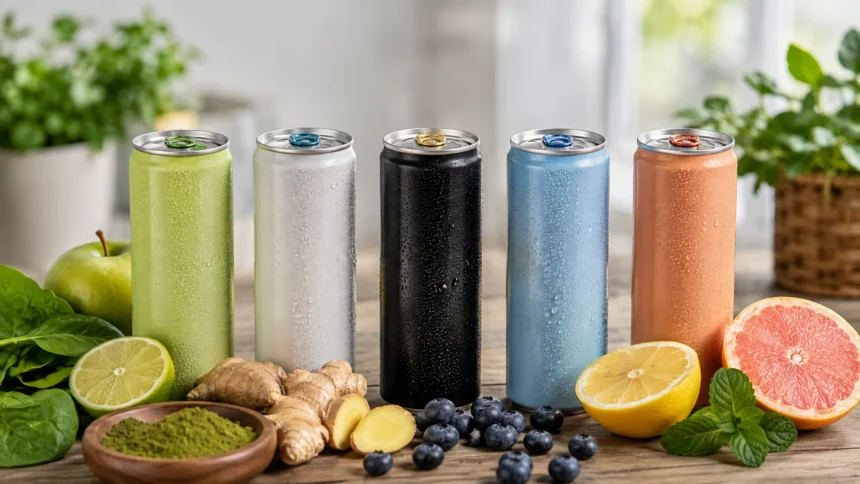
Healthiest Energy Drinks: Better Choices Explained
Meta description: Discover the healthiest energy drinks, what to look for on labels, caffeine limits, sugar concerns, and better options for steady energy and focus.
Energy drinks are designed to increase alertness, concentration, or physical performance, but not all products offer the same nutritional profile. Some contain large amounts of added sugar, very high doses of caffeine, multiple stimulants, artificial sweeteners, or herbal ingredients that can make it difficult to judge how stimulating the drink really is. Others are much simpler, providing moderate caffeine with little or no added sugar and clearly labeled ingredients. When people search for the healthiest energy drinks, the most useful question is therefore not which brand has the most impressive marketing, but which product provides the desired effect with the least unnecessary sugar, excessive caffeine, and poorly understood additives.
No energy drink is essential for good health, and ordinary foods, water, coffee, tea, sleep, and balanced meals can often provide a better foundation for energy. Still, an energy drink can fit into an otherwise healthy diet for many adults when chosen carefully and consumed in moderation. The best options tend to contain a moderate amount of caffeine, minimal added sugar, reasonable serving sizes, and transparent labeling. Understanding caffeine content, sweeteners, vitamins, electrolytes, and other ingredients can help you separate genuinely better choices from drinks that simply use words such as “clean,” “natural,” or “healthy” on the front of the can.
What Makes an Energy Drink Healthier?
A healthier energy drink usually starts with a sensible amount of caffeine. Caffeine is the main ingredient responsible for the alertness people expect from these beverages, but more is not automatically better. A product containing around 80 to 150 milligrams of caffeine per serving may be enough for many adults to feel more awake without creating the intense stimulation associated with extremely high-dose drinks. Individual sensitivity varies significantly, so even moderate amounts can cause jitters or palpitations in some people. Checking the exact caffeine content is therefore one of the most important steps before choosing an energy drink.
Added sugar is another major consideration. Traditional energy drinks can contain amounts of sugar comparable with or even greater than some soft drinks, making them a substantial source of rapidly absorbed calories. A drink with little or no added sugar is usually a better routine choice for someone who already consumes enough carbohydrates from food. However, sugar is not inherently inappropriate in every situation. During prolonged endurance exercise, carbohydrate can provide useful energy, but for someone sitting at a desk, large amounts of added sugar usually provide little nutritional advantage.
Ingredient transparency also matters. A healthier product should clearly state how much caffeine it contains rather than hiding stimulants inside a vague proprietary blend. Ingredients such as guarana can contribute additional caffeine, so the listed caffeine amount should ideally account for all sources. Products containing several herbal stimulants may create a stronger effect than expected. Clear labeling helps users understand what they are actually consuming and makes it easier to stay within a reasonable daily caffeine intake.
Serving size deserves attention because a can may contain more than one serving. Some products appear relatively moderate when nutrition information is viewed per serving but become much more stimulating when the entire container is consumed. A smaller can containing 100 milligrams of caffeine may be easier to manage than a large bottle containing 300 milligrams. Portion size can also influence sugar intake significantly. Reading the whole label prevents accidental overconsumption.
Finally, the healthiest energy drink is one that fits the person’s broader health needs. Someone with caffeine sensitivity, anxiety, reflux, high blood pressure, pregnancy, sleep problems, or certain heart conditions may be better off avoiding energy drinks entirely. A product that seems nutritionally reasonable for one person may be inappropriate for another. Healthfulness is therefore partly about the drink and partly about how, why, and when it is consumed.
How Much Caffeine Should an Energy Drink Have?
Caffeine content varies dramatically across energy drinks, ranging from amounts similar to a small cup of tea to several strong coffees in one container. For most healthy adults, moderate intake is generally better tolerated than very large doses. Many people find that around 50 to 150 milligrams can improve alertness without causing excessive stimulation. Drinks containing 200 milligrams or more in a single serving may be unnecessarily strong for casual use, especially if caffeine from coffee, tea, chocolate, pre-workout supplements, or medications is consumed the same day.
Daily caffeine intake matters more than the amount in one drink alone. Someone may have a 150-milligram energy drink in the morning and then consume several coffees later without realizing how quickly the total adds up. Caffeine remains in the body for hours, so doses can overlap. This can lead to restlessness, tremor, increased heart rate, irritability, headaches, or difficulty sleeping. Keeping track of total intake makes energy drink use more predictable.
Timing matters as well. Caffeine consumed late in the day can interfere with sleep even if the person feels able to fall asleep normally. Reduced sleep quality can then create greater fatigue the next day, encouraging more caffeine and creating a cycle of dependence. Choosing a lower-caffeine product earlier in the day is usually a better strategy than repeatedly using strong drinks to compensate for poor sleep. The best energy drink should support alertness without undermining nighttime recovery.
Caffeine sensitivity is highly individual. A person who rarely consumes caffeine may feel strongly stimulated by 80 milligrams, while someone accustomed to coffee may tolerate more. Genetics, body size, medications, liver function, and hormonal changes can all influence how caffeine is processed. This is why copying someone else’s energy drink routine can be misleading. Starting with the lowest amount that achieves the desired effect is generally the more sensible approach.
People who experience palpitations, chest discomfort, severe anxiety, dizziness, or persistent insomnia after an energy drink should stop using that product and reconsider their caffeine intake. These symptoms are not a sign that the drink is “working better.” They indicate that stimulation may be excessive for that individual. More caffeine does not equal more productive energy when side effects interfere with concentration or wellbeing.
Are Sugar-Free Energy Drinks Healthier?
Sugar-free energy drinks can be a better option for people who want caffeine without a large amount of added sugar. Removing sugar reduces calories and avoids the rapid rise in blood glucose that occurs after consuming a heavily sweetened beverage. For someone drinking energy drinks regularly, this difference can be meaningful because several cans per week can otherwise contribute a substantial amount of added sugar. Sugar-free products may therefore fit more easily into a balanced diet when the primary goal is alertness rather than exercise fueling.
These drinks usually rely on non-sugar sweeteners such as sucralose, acesulfame potassium, stevia, or other alternatives. These ingredients allow manufacturers to create a sweet taste without significant carbohydrate. Current evidence does not support the idea that approved low-calorie sweeteners are automatically dangerous when consumed within normal dietary amounts. However, some people dislike their taste or experience digestive discomfort with certain sweeteners. Personal tolerance can help determine whether a sugar-free drink is a good choice.
Sugar-free does not mean caffeine-free or automatically healthy. A zero-sugar energy drink may still contain 200 to 300 milligrams of caffeine, making it highly stimulating despite containing few calories. It may also contain multiple stimulants or large amounts of certain vitamins. People should therefore read the complete label rather than focusing on the “zero sugar” claim. Caffeine level remains one of the most important factors.
There are situations in which a small amount of carbohydrate may actually be useful. Long endurance training, prolonged cycling, or extended sports sessions can increase carbohydrate needs, and a beverage containing both caffeine and carbohydrate may support performance in some athletes. That is very different from using a sugary energy drink during sedentary work. Context determines whether sugar contributes useful fuel or unnecessary calories.
For most everyday consumers, choosing a low-sugar or sugar-free energy drink is usually the more practical option if they enjoy these beverages. The exception is someone who cannot tolerate the sweeteners used or needs carbohydrate during prolonged exercise. The healthiest choice remains the product that provides the desired effect without creating unnecessary nutritional or stimulant load.
Healthiest Energy Drinks With Simple Ingredients
Energy drinks with shorter, more transparent ingredient lists are often easier to evaluate. A simple formula might contain carbonated water, caffeine from coffee or tea, a flavoring, a small amount of sweetener, and perhaps a few vitamins. There is nothing inherently superior about having fewer ingredients, but simplicity makes it easier to understand what is providing the stimulant effect. It also reduces the chance of consuming multiple herbal compounds that have limited evidence or unclear interactions.
Coffee-based energy beverages can be one straightforward option. Caffeine derived from coffee is chemically the same stimulant whether it comes from a brewed cup or is added to a canned drink. The advantage of a canned coffee-style product is that caffeine content may be clearly stated and the drink may contain minimal additional ingredients. However, bottled coffee drinks can also be loaded with sugar, cream, and flavor syrups, so the nutrition label still matters.
Tea-based energy drinks may provide a gentler option. Green tea, black tea, and yerba mate naturally contain caffeine, and some products use these ingredients as their main stimulant source. The caffeine level can still vary widely, so “tea-based” should not automatically be interpreted as mild. A tea drink with 200 milligrams of caffeine is still a high-caffeine beverage. The source of caffeine is less important than the actual dose.
Some modern energy drinks emphasize sparkling water, natural flavors, and moderate caffeine. These can be reasonable options when they contain little or no added sugar and avoid extremely high stimulant doses. The front label may advertise plant-based caffeine, but this does not necessarily make the caffeine safer or healthier. Guarana, tea, and coffee all ultimately contribute caffeine that affects the nervous system in similar ways.
The simplest way to identify a better choice is to ignore marketing language and read the nutrition facts. Look for a caffeine amount you tolerate, minimal added sugar, a serving size you are likely to consume, and an ingredient list without unnecessary stimulant stacking. A simple drink does not need to promise detoxification, metabolism boosting, or dramatic mental performance to be useful.
Better Energy Drink Choices for Everyday Use
For everyday use, a moderate-caffeine, low-sugar beverage is generally preferable to a high-dose performance formula. Someone using an energy drink while studying or working usually does not need the same stimulant level marketed to competitive athletes. A drink containing around 80 to 120 milligrams of caffeine can provide noticeable alertness for many people. Pairing it with food and water can also help avoid the uncomfortable empty-stomach feeling some people experience after caffeine.
Unsweetened canned tea can be one of the simplest options. It provides caffeine in a familiar beverage without the high sugar content found in many conventional energy drinks. Green tea or black tea may contain less caffeine than many energy drink products, making them useful for people who want a lighter effect. They also provide naturally occurring plant compounds without requiring an elaborate supplement blend.
Cold brew coffee can also function as an energy drink even though it is not marketed that way. Unsweetened cold brew provides caffeine with very few calories, but caffeine concentration can be surprisingly high. Some bottles contain multiple servings, making label reading important. Diluting strong cold brew with water or milk can help moderate caffeine exposure while still providing a noticeable boost.
Low-sugar sparkling caffeinated waters are another option. These drinks often contain caffeine with few additional calories and can feel lighter than traditional syrupy energy drinks. Their simplicity can make them easier to use occasionally. However, they can still interfere with sleep if consumed late in the day. A zero-calorie beverage does not eliminate the physiological effects of caffeine.
The best everyday option is often whichever beverage allows the lowest effective caffeine dose. If one cup of tea or coffee provides enough alertness, there may be no advantage to choosing a stronger energy drink. More stimulation can feel productive initially but often creates nervousness, a later energy crash, or sleep disruption. Consistent moderate intake tends to be easier to manage.
Energy Drinks With Vitamins: Are They Better?
Many energy drinks contain B vitamins because these nutrients are involved in normal energy metabolism. This marketing can create the impression that large doses of B vitamins directly provide a burst of energy. In reality, vitamins do not function like caffeine or calories. They help the body carry out metabolic processes, but consuming extra amounts above nutritional needs does not automatically make a healthy person feel more energetic. The caffeine is usually responsible for the immediate stimulant effect.
People with a genuine vitamin deficiency can experience fatigue, and correcting the deficiency can improve symptoms. This is different from drinking a highly fortified energy beverage when no deficiency exists. Some energy drinks contain several times the daily requirement of certain B vitamins. Water-soluble vitamins can often be excreted when consumed in excess, but very large long-term intakes of some nutrients are not automatically beneficial.
Vitamin B12 is particularly common in energy drink marketing. It plays important roles in red blood cell production and nervous-system function, and deficiency can cause fatigue and neurological symptoms. However, people with normal B12 status generally do not gain extra energy simply from consuming very high doses. Someone who suspects B12 deficiency should be properly evaluated rather than relying on energy drinks as treatment.
Niacin, or vitamin B3, can cause flushing, warmth, or tingling in high amounts. Some people may interpret that sensation as evidence that an energy supplement is “kicking in.” In reality, it is a known physiological effect of niacin and not proof of improved energy metabolism. The total vitamin dose should therefore be considered when comparing products.
A healthier energy drink does not need extremely high vitamin levels. Moderate fortification is fine, but vitamins should not distract from more important factors such as caffeine and sugar. A balanced diet remains the primary source of essential nutrients, while the energy drink’s main practical purpose is usually stimulation rather than nutritional correction.
What About Taurine in Energy Drinks?
Taurine is an amino acid-like compound naturally found in the human body and in foods such as meat and seafood. It plays roles in cell function, fluid balance, nervous-system activity, and muscle tissue. Energy drinks frequently include taurine, sometimes in amounts around one gram or more per serving. Its inclusion has led to many myths, including false claims about unusual animal sources. Commercial taurine used in beverages is generally synthesized.
Taurine is not a stimulant like caffeine. It does not independently create the rapid alertness people associate with energy drinks. Research has explored whether taurine influences exercise performance, cardiovascular function, or the physiological response to caffeine, but findings vary depending on the context. The amount in a typical energy drink is not the main reason someone feels more awake after drinking it.
The combination of caffeine and taurine has been studied because both appear together frequently. Some research suggests possible effects on attention or physical performance, but separating the influence of each ingredient can be difficult. A product that contains taurine is therefore not automatically healthier or more effective. The overall dose of caffeine remains more important for most consumers.
For healthy adults, taurine in typical beverage quantities is generally not the biggest safety concern compared with excessive caffeine or sugar. However, energy drinks can combine taurine with several other active ingredients, making the complete formulation more relevant than one compound. People should avoid assuming that one familiar ingredient guarantees the whole product is safe.
If you prefer a simple energy drink, there is no requirement that it contain taurine. A beverage based primarily on moderate caffeine can achieve the same basic goal of increasing alertness. Taurine can be part of an acceptable formula, but it should not be the deciding factor when choosing the healthiest option.
Are Natural Energy Drinks Really Healthier?
The word natural has little value by itself when evaluating an energy drink. A beverage may contain caffeine derived from green tea, guarana, or coffee and market that source as cleaner than synthetic caffeine. Chemically, caffeine affects the body through the same basic mechanisms regardless of whether it originated from a plant or was produced for use in food. The dose determines stimulation more than the marketing language surrounding its source.
Natural products can also contain strong stimulant combinations. Guarana naturally contains caffeine, while yerba mate and tea contain additional caffeine as well. A product may list several plant extracts without making it obvious that the total stimulant dose is substantial. This is why transparent labeling is more important than whether each ingredient sounds natural. A plant-derived stimulant can still cause insomnia, anxiety, or palpitations.
Some naturally marketed energy drinks contain fruit juice, honey, agave, or coconut sugar instead of refined sugar. These ingredients can make the label sound healthier, but they still contribute sugar and calories. The body does not treat honey or agave as calorie-free simply because they are less processed. The total amount of added sugar remains the useful measurement.
Natural flavors and botanical extracts are not automatically harmful either. The problem arises when marketing encourages consumers to assume that these ingredients provide proven health benefits they may not actually deliver. A simple caffeinated tea beverage may indeed be a reasonable option, but not because “natural” guarantees superior safety. Its caffeine and sugar profile still determine much of its nutritional value.
A better strategy is to judge each product objectively. Ask how much caffeine it contains, how much added sugar is present, what the serving size is, and whether the ingredient list includes unnecessary stimulants. These questions are more informative than deciding between “natural” and “artificial” based purely on packaging.
Energy Drinks With Electrolytes: When They Make Sense
Electrolytes such as sodium, potassium, and magnesium are often added to drinks marketed for exercise. These minerals play important roles in fluid balance, muscle contraction, and nerve function. For someone exercising for a long period, especially in hot conditions with substantial sweating, replacing sodium and fluid can be useful. An energy drink that includes moderate caffeine and electrolytes may therefore make sense in certain athletic situations.
Most people working at a desk or performing a short gym session do not need large amounts of electrolyte replacement. A normal diet and water usually provide enough for everyday needs. Adding electrolytes to an energy drink does not make it inherently healthier if the drink also contains excessive caffeine or sugar. The context of use matters.
Sodium can be particularly useful during long endurance activity because significant amounts are lost in sweat. However, people with certain blood pressure or kidney concerns may need to monitor sodium intake. An electrolyte drink designed for marathon training may not be appropriate as a casual afternoon beverage. Labels should be read with the intended purpose in mind.
Potassium and magnesium are commonly highlighted on packaging but may be included in relatively small amounts. Their presence can make the drink appear more nutritionally complete even when the actual contribution is minor. People should not rely on energy drinks as their main source of these minerals. Foods such as fruits, vegetables, legumes, dairy, nuts, and whole grains provide much more meaningful nutrition.
Electrolyte-containing energy drinks are therefore most useful during prolonged exercise, heavy sweating, or certain outdoor activities. For everyday alertness, they usually offer little advantage over a simpler caffeinated beverage. Matching the drink to the situation prevents unnecessary ingredients from being mistaken for essential ones.
Healthiest Energy Drinks for Work and Studying
The ideal energy drink for studying should improve alertness without making concentration worse. Too much caffeine can produce restlessness, racing thoughts, tremor, or repeated trips to the bathroom, all of which can interfere with focused work. A moderate dose is often more useful than an aggressive stimulant blend. Around 50 to 120 milligrams may provide a noticeable effect for many people without pushing stimulation too far.
Low- or no-sugar drinks can also help avoid consuming unnecessary calories during sedentary work. Sugar may briefly raise blood glucose and contribute to a sense of quick energy, but it is not required for concentration when someone has eaten normally. A balanced meal containing protein, fiber, and carbohydrates provides more sustained nutritional energy than a sweetened beverage alone. The caffeine can then be used specifically for alertness.
Hydration should not be forgotten. People sometimes replace water entirely with coffee or energy drinks during long study sessions. Caffeinated beverages still contribute fluid, but relying on them exclusively can make it easier to ignore ordinary hydration. Keeping water nearby helps separate thirst from the desire for another stimulant.
Timing can improve usefulness. A small caffeine dose early in a long work period may be more effective than repeatedly drinking strong beverages throughout the day. If the work continues into the evening, switching to caffeine-free beverages protects sleep. Productive study depends heavily on memory consolidation during sleep, so late-night caffeine can undermine the very performance it is intended to improve.
Food also matters. Caffeine on an empty stomach can cause nausea, shakiness, or reflux in some people. Having the drink alongside breakfast or lunch may feel smoother and provide more sustainable energy. An energy drink should support a functioning routine rather than replace meals, hydration, and sleep.
Healthiest Energy Drinks for Exercise
For exercise, the best energy drink depends on the duration and intensity of activity. Someone performing a 45-minute strength workout may only need water and perhaps a moderate amount of caffeine before training. A long-distance runner or cyclist may need carbohydrates, sodium, and fluids in addition to caffeine. One product therefore cannot be considered healthiest for every athlete.
Caffeine can improve endurance and reduce perceived effort in some people. It may also support performance during repeated high-intensity efforts. However, excessive amounts can create nausea, elevated heart rate, anxiety, or gastrointestinal discomfort. Using a smaller dose during training first is safer than experimenting with a highly caffeinated product on competition day.
Carbohydrate-containing energy beverages can be useful during prolonged endurance activity because muscles depend heavily on carbohydrate for fuel. In this context, sugar is not merely an empty ingredient; it can contribute to performance. The same drink may be unnecessary for someone doing light recreational exercise. Nutritional context changes the meaning of the label.
Electrolytes are useful when sweat losses are significant. Sodium is particularly important during prolonged activity in warm conditions. Athletes who sweat heavily or train for several hours may benefit from drinks that combine fluid, sodium, and carbohydrate. The caffeine portion should still be moderate enough to avoid side effects.
For ordinary gym training, a low-sugar drink with moderate caffeine is usually sufficient if an energy drink is desired at all. Water, food, and adequate recovery remain more important for performance than any canned stimulant beverage. A product should support training, not compensate indefinitely for inadequate sleep or poor nutrition.
Energy Drinks and the “Energy Crash”
People often describe experiencing an energy crash after consuming a highly caffeinated or sugary beverage. Several factors can contribute to this sensation. Caffeine temporarily blocks adenosine receptors in the brain, which reduces the perception of tiredness, but it does not eliminate the underlying need for rest. As caffeine wears off, accumulated fatigue may become more noticeable. This can feel like a sudden drop even when the body is simply returning toward baseline.
Large amounts of sugar may also contribute to changing energy perception. A high-sugar drink rapidly increases blood glucose and insulin, followed by a decline later. In healthy people, this does not necessarily produce dangerous low blood sugar, but some may experience hunger, sluggishness, or renewed cravings. Choosing a lower-sugar drink can reduce this component of the crash.
Using caffeine while severely sleep deprived can create a stronger rebound. The drink temporarily masks fatigue but cannot replace the restorative processes that occur during sleep. Once the stimulant effect decreases, the sleep debt remains. This explains why repeatedly adding caffeine often becomes less effective across a long day.
Tolerance can also develop with regular use. A person may gradually require more caffeine to produce the same alerting effect and may experience headaches or tiredness when they skip it. This can create the impression that caffeine is providing energy when it is partly relieving withdrawal symptoms. Occasional lower-caffeine days can help reveal whether dependence is developing.
The best way to reduce energy crashes is to use caffeine strategically rather than constantly. Moderate doses, adequate food, water, and consistent sleep produce a steadier pattern than alternating intense stimulation with exhaustion. A healthier energy drink can help, but behavior around the drink matters just as much as the ingredients.
Who Should Avoid Energy Drinks?
Children and younger teenagers should generally avoid conventional energy drinks because their smaller bodies and developing nervous systems can be more sensitive to caffeine. These beverages can contribute to sleep disruption, anxiety, rapid heartbeat, and excessive stimulant intake. Marketing may make them appear similar to soft drinks, but the caffeine content can be substantially higher. Water, milk, and ordinary food are more appropriate sources of hydration and nutrition for children.
Pregnant people should be cautious because caffeine crosses the placenta and recommended daily intake is lower during pregnancy than for the general adult population. An energy drink can provide a large portion of that daily limit in one serving. Coffee, tea, chocolate, and medications can add additional caffeine. Total daily exposure should therefore be considered carefully.
People with certain heart rhythm disorders, uncontrolled blood pressure, or significant cardiovascular symptoms may also need to avoid highly caffeinated beverages. Stimulants can increase heart rate and temporarily raise blood pressure. Anyone who has been told by a clinician to restrict caffeine should not assume a natural energy drink is exempt.
Those with panic disorder, severe anxiety, or chronic insomnia may find that energy drinks worsen symptoms. Caffeine stimulates the nervous system and can create physical sensations similar to anxiety, including trembling, rapid heartbeat, and restlessness. Even if the drink improves alertness, the overall effect may be negative. Lower-caffeine alternatives may be more appropriate.
People taking stimulant medications or other drugs that affect heart rate and the nervous system should also discuss caffeine intake with a healthcare professional when needed. Combining several stimulant sources can amplify effects. The fact that energy drinks are sold without a prescription does not mean they are physiologically insignificant.
Healthier Alternatives to Energy Drinks
Coffee is one of the simplest alternatives. Plain coffee provides caffeine with very few calories and has been studied far more extensively than many energy drink formulas. The main drawback is that specialty coffee drinks can contain large amounts of sugar, syrups, and cream. A simple coffee with minimal added sugar is often a more transparent caffeine source.
Tea provides another option with generally lower caffeine levels. Black tea, green tea, oolong, and yerba mate can all improve alertness while offering a more moderate stimulant profile. Tea also contributes fluid and naturally occurring plant compounds. Unsweetened versions avoid the added sugar found in many bottled tea products.
Water and food may solve the problem when tiredness comes from dehydration or hunger rather than lack of caffeine. A snack containing protein and carbohydrate, such as yogurt and fruit or nuts with a banana, can provide actual metabolic energy. Caffeine cannot replace calories when the body is under-fueled. People often reach for stimulants when a meal would be more useful.
A short walk can also increase alertness temporarily. Movement increases circulation, changes sensory input, and breaks prolonged sedentary periods. Exposure to bright daylight, especially earlier in the day, can support wakefulness and circadian rhythm. These strategies do not produce the same immediate stimulation as a strong energy drink, but they can reduce dependence on caffeine.
Ultimately, sleep remains the most powerful energy strategy. No beverage can reproduce the cognitive, hormonal, and physical recovery that occurs during sufficient sleep. If energy drinks are required every day simply to function normally, it may be worth examining sleep duration, sleep quality, stress, nutrition, or possible medical causes of fatigue.
How to Read an Energy Drink Label
Start with caffeine. The label should ideally state the amount per can or bottle rather than forcing you to calculate it from multiple servings. Look for additional sources such as guarana, coffee extract, green tea extract, or yerba mate. These ingredients may contribute caffeine even if they are marketed separately. Knowing the total stimulant dose prevents accidental overconsumption.
Next, check added sugar. A drink containing 30 to 50 grams of sugar can make a major contribution to daily intake. If the beverage is being used for routine alertness rather than endurance exercise, a lower-sugar version is generally more practical. Sugar alcohols or alternative sweeteners may be listed instead in reduced-calorie drinks.
Examine serving size carefully. Some large containers contain two servings, which means caffeine, sugar, and calories double when the whole bottle is consumed. Manufacturers increasingly provide full-container information, but it is still worth checking. People naturally tend to drink an entire can rather than stop halfway.
Look at other active ingredients. Taurine, ginseng, L-carnitine, B vitamins, electrolytes, and herbal extracts are common. None automatically makes the product healthier. The more active ingredients included, the more useful it becomes to understand why they are there and whether amounts are clearly listed.
Finally, ignore exaggerated promises. Terms such as clean energy, metabolic boost, focus matrix, natural performance, and superfood energy are marketing language rather than nutritional measurements. Caffeine, sugar, calories, serving size, and ingredient transparency tell you much more about the product’s practical value.
Common Energy Drink Mistakes to Avoid
The biggest mistake is combining several caffeinated products without tracking the total. An energy drink, coffee, pre-workout powder, and caffeinated gum can quickly add up. Because caffeine’s effects last for hours, spacing products out does not necessarily prevent overlap. Keeping a rough daily total can prevent unintended high intake.
Another mistake is using energy drinks instead of food. Caffeine can suppress fatigue temporarily but does not provide protein, essential fats, or adequate nutrients. Someone who skips breakfast and drinks a zero-calorie energy drink may feel alert while remaining physically under-fueled. This often leads to stronger hunger and fatigue later.
Mixing energy drinks with alcohol is also a poor strategy. Caffeine can make someone feel more alert without reversing alcohol-related impairment. This can create a misleading sense of control and may encourage additional drinking. Stimulation does not make alcohol disappear from the bloodstream or restore normal judgment.
Using energy drinks late at night is another common problem. People often focus only on whether caffeine prevents them from falling asleep. Even when sleep onset seems normal, late caffeine can reduce sleep quality and contribute to tiredness the next day. This creates a cycle where more caffeine becomes necessary.
Finally, avoid assuming that tolerance means safety. Someone who can drink 300 milligrams of caffeine without feeling shaky may still experience disrupted sleep or increased physiological stimulation. Tolerance mainly changes how noticeable the effects feel. The goal should be using the minimum amount that works rather than proving how much caffeine you can handle.
The Bottom Line on the Healthiest Energy Drinks
The healthiest energy drinks are generally those with moderate caffeine, little or no added sugar, transparent labeling, and a reasonable serving size. For many adults, a beverage containing roughly 50 to 150 milligrams of caffeine is enough to improve alertness without the unnecessary intensity of very high-dose products. Individual tolerance still matters, so the ideal amount can be lower for someone who rarely uses caffeine.
Sugar-free options can be a sensible choice for everyday work, studying, or casual use because they avoid the large sugar load found in traditional energy drinks. That does not make every zero-sugar product healthy, since caffeine content can still be excessive. The whole label should guide the decision rather than one front-of-can claim.
Tea-based drinks, unsweetened coffee, caffeinated sparkling waters, and simpler energy beverages can all serve as better options. “Natural” caffeine is not inherently safer than synthetic caffeine, and added vitamins do not automatically turn an energy drink into a nutritious beverage. The most useful features are moderation and transparency.
Athletes may have different needs. Carbohydrates and electrolytes can be useful during prolonged endurance exercise, whereas a sedentary person may not benefit from those extra calories. Matching the beverage to the situation creates a much more sensible definition of healthy than trying to rank every energy drink on one universal scale.
Most importantly, energy drinks should supplement rather than replace sleep, food, water, and recovery. If you need multiple cans every day just to feel functional, the issue may be insufficient sleep, poor nutrition, stress, medication effects, or another cause of fatigue. The healthiest energy strategy is usually the one that reduces the need for constant stimulation rather than increasing it.
Frequently Asked Questions
What is the healthiest type of energy drink?
A healthier energy drink generally contains moderate caffeine, little or no added sugar, and a short, clearly labeled ingredient list. Products around 50 to 150 milligrams of caffeine per serving are often easier for healthy adults to manage than very high-dose options.
Are zero-sugar energy drinks healthy?
Zero-sugar drinks can be a better routine choice than heavily sweetened versions because they provide fewer calories and less added sugar. However, they may still contain large amounts of caffeine, so the caffeine content remains important.
Is coffee healthier than an energy drink?
Plain coffee is often a simpler option because it provides caffeine without the multiple additives found in some energy drinks. Sweetened specialty coffees, however, can contain just as much or more sugar than some energy drinks.
How much caffeine is too much in an energy drink?
Tolerance varies, but single drinks containing 200 to 300 milligrams can be very stimulating for many people. Total caffeine from all beverages, supplements, and foods across the day matters more than one product alone.
Can I drink an energy drink every day?
Some healthy adults can tolerate a moderate-caffeine energy drink daily, but regular use can contribute to caffeine dependence and sleep problems. If daily energy drinks are necessary to overcome persistent fatigue, it is worth addressing sleep, nutrition, stress, and possible medical causes.