
Ice Plant Care: How to Grow Colorful Blooms Easily
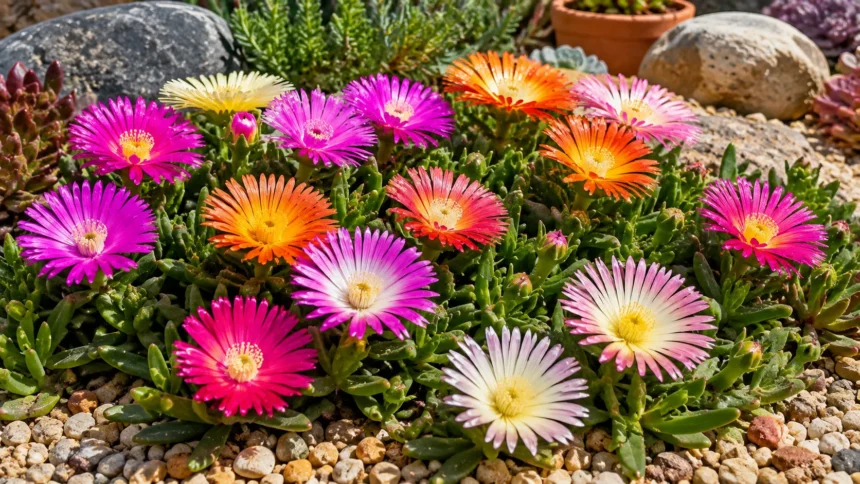
Ice plants are eye-catching succulents known for their vivid flowers, low-growing habit, and shimmering foliage that seems to sparkle in sunlight. Depending on the species and cultivar, the blooms may appear in shades of pink, purple, magenta, yellow, orange, red, or white. These plants are especially popular in rock gardens, dry borders, containers, slopes, and sunny landscapes where ordinary plants may struggle with heat or poor soil. Once established, many ice plants are drought tolerant and require relatively little maintenance. Their ability to spread across the ground also makes them useful as colorful ground covers. With the right conditions, they can produce impressive carpets of flowers during their blooming season.
Successful ice plant care begins with understanding that these plants prefer conditions very different from moisture-loving garden plants. Most ice plants perform best in full sun, fast-draining soil, and relatively dry conditions once their roots are established. Excessive water is usually a greater problem than temporary dryness because constantly wet soil can encourage root and crown rot. Gardeners living in humid or rainy climates therefore need to pay particular attention to drainage. Containers can be especially useful in challenging conditions because soil composition and watering are easier to control. Choosing a suitable species for your climate is equally important because cold tolerance varies significantly among different ice plants.
Although the name ice plant is used for several related succulent plants, many commonly grown landscape forms belong to genera such as Delosperma and Lampranthus. Hardy ice plants are especially valued in cooler gardens, while more tender types thrive in warm climates or containers protected from frost. Their succulent leaves store moisture, helping them survive dry periods once established. Bright sunlight encourages dense growth and abundant flowering, while shade may cause weaker plants and fewer blooms. These plants are generally easy to manage once their basic needs are met. The following guide explains how to plant, water, feed, prune, propagate, and troubleshoot ice plants for colorful, healthy growth.
What Is an Ice Plant?
Ice plant is a common name applied to several succulent species that produce bright, daisy-like flowers and fleshy leaves. Many popular garden varieties belong to the Aizoaceae family, a large group of plants adapted to sunny and often dry environments. Their leaves may appear smooth or slightly textured and can contain tiny reflective cells that create a sparkling appearance. This shimmering effect helped inspire the name “ice plant,” even though the plants themselves have nothing to do with ice. Some varieties form tight mats close to the ground, while others develop a somewhat taller, spreading habit. Their growth form makes them useful for decorative ground coverage.
One of the most widely grown groups is Delosperma, commonly called hardy ice plant. Many Delosperma varieties are valued because they can tolerate colder winter temperatures than more tender ice plants. Their flowers often open during bright daylight and close later in the day or under cloudy conditions. Blooming usually begins during spring or early summer and may continue intermittently into fall under favorable conditions. Plants can spread outward across rocks, walls, gravel, or dry garden soil. This combination of long flowering and drought tolerance makes hardy ice plant popular in water-conscious landscapes.
Lampranthus species are another group commonly called ice plants, particularly in warmer climates. These plants also produce brilliant flowers and succulent foliage but may be less tolerant of freezing conditions than hardy Delosperma. They work especially well in frost-free gardens, Mediterranean-style landscapes, coastal settings, and containers. Their growth may be more shrub-like or trailing depending on the particular species. Because common names can refer to several different plants, checking the botanical name before buying is useful. Knowing the exact species helps you determine winter hardiness, mature size, flower color, and ideal growing conditions.
Ice plants are naturally suited to environments where water drains away quickly rather than remaining around their roots. Their succulent foliage stores moisture, reducing the need for constant irrigation. This adaptation explains why they often perform well in rock gardens, sandy soils, gravel beds, raised beds, and sunny slopes. Heavy clay or compacted soil can create serious problems because water may remain around the root system for too long. Improving drainage before planting is therefore one of the most important steps in ice plant care. In the right soil, the plants generally require far less attention than many traditional flowering ground covers.
Another attractive feature is the contrast between the plant’s modest foliage and unusually intense flowers. A low mat of green succulent leaves can suddenly become covered with dozens of bright blooms during peak flowering. Pollinators may also visit the flowers, adding movement and ecological interest to the garden. Because ice plants spread horizontally, they can soften stone paths, edges, retaining walls, and dry landscape features. They are especially effective when planted in groups rather than as isolated specimens. Their combination of color, texture, resilience, and relatively simple care makes them appealing to both beginner and experienced gardeners.
Best Light and Location for Ice Plants
Full sun is one of the most important requirements for strong ice plant growth and abundant flowering. Most varieties perform best when they receive at least six hours of direct sunlight each day, and many appreciate even more. Bright light encourages compact growth, healthy leaf color, and generous flower production. Plants grown in insufficient light may stretch, develop weaker stems, or produce far fewer blooms. A south-facing or west-facing garden area often works well when the location provides good drainage. In very hot regions, some afternoon protection may be acceptable, but heavy shade should generally be avoided.
When planting outdoors, choose a location where rainwater drains away quickly after storms. Low areas where water naturally collects are usually poor choices, even if the site receives strong sunlight. A slope, raised bed, rock garden, or elevated border can provide much better drainage. Ice plants also look attractive when allowed to spill over stone edges or spread between larger drought-tolerant plants. Make sure neighboring vegetation will not eventually shade them as it grows. A sunny site that remains open throughout the season helps the plants flower more reliably.
Containers offer another excellent option, particularly in regions with wet winters or uncertain cold hardiness. A pot can be positioned in the sunniest available location and moved if conditions become excessively rainy or cold. Containers also allow gardeners to use a gritty, fast-draining soil mix that may be difficult to create in the ground. Pots should always have drainage holes because standing water around succulent roots can quickly cause damage. Unglazed terracotta containers can be helpful because they allow moisture to evaporate more readily. Hanging baskets and elevated planters can also highlight trailing ice plant varieties.
Indoor cultivation is possible for some ice plants, but providing enough light can be difficult. A very bright south-facing window is usually preferable, and supplemental grow lighting may be necessary in darker homes or during winter. Indoor plants that receive insufficient sunlight often become thin and produce few flowers. Air circulation should also be reasonable because cool, wet, stagnant conditions can encourage disease. Indoor watering must be particularly cautious because pots dry more slowly than exposed outdoor soil. For most gardeners, ice plants perform more naturally outdoors during the growing season.
Climate should be considered alongside sunlight because different ice plant species have very different levels of frost tolerance. Hardy Delosperma varieties may survive significant winter cold when planted in dry, well-drained soil, while tender types can be damaged by frost. Interestingly, winter moisture can sometimes be more damaging than cold alone. A plant may tolerate freezing temperatures in dry soil but rot when its crown remains wet through winter. Checking the hardiness range of the exact variety before planting can prevent disappointment. Matching species, sunlight, drainage, and climate gives ice plants their best chance of long-term success.
How to Plant Ice Plant Correctly
The best planting time for ice plants is usually spring, once the danger of severe frost has passed and the soil begins warming. Early planting gives roots time to establish before summer heat or winter cold arrives. In mild climates, planting may also be successful during other seasons as long as extreme heat or heavy winter rainfall is avoided. Before placing the plant, inspect the site for drainage by observing whether water remains after irrigation or rain. A location that stays soggy should be improved or replaced. Preparing the growing environment correctly is far easier than trying to save a plant from root rot later.
Soil should be loose, gritty, and fast draining rather than rich and moisture-retentive. Sandy or rocky garden soil often suits ice plants naturally, while clay-heavy soil usually needs modification. Gravel, coarse mineral material, or other drainage-improving components can help reduce water retention when incorporated appropriately. Raised beds are often a better solution than repeatedly amending extremely heavy soil. Avoid planting in deep pockets of compost that hold excessive moisture around the roots. Ice plants generally prefer leaner conditions than many flowering garden plants.
When removing an ice plant from its nursery container, handle the succulent stems gently because they can break under rough pressure. Dig a hole only large enough to accommodate the root ball and position the crown at approximately the same level it was growing previously. Burying the crown too deeply can increase the risk of moisture-related problems. Firm the surrounding soil lightly without compacting it heavily. Water after planting to settle the soil around the roots. Afterward, allow the surface to begin drying before providing additional water.
Spacing depends on the expected mature spread of the chosen variety. Small ground-cover types may be placed relatively close together when fast coverage is desired, while vigorous varieties require more room to expand. Crowding plants too tightly can reduce airflow and create excessive competition. Leaving gaps also allows each plant to display its natural spreading shape. Over time, the mats can grow together and create a continuous carpet of foliage and flowers. Checking the plant label for mature width provides a better guide than using one universal spacing rule.
Mulching around ice plants requires more caution than it does around moisture-loving garden plants. Thick layers of organic mulch can trap water against the crown and reduce the rapid drainage these succulents prefer. Gravel or small stone mulch is often a better visual and functional match because it keeps the surface relatively dry. Stone also complements rock gardens and helps prevent soil from splashing onto the foliage. Keep any mulch slightly away from the central crown. The overall goal is to create a sunny, airy, dry environment rather than a rich and heavily mulched planting bed.
How Often to Water Ice Plants
Newly planted ice plants need more regular watering than established plants because their roots have not yet spread into the surrounding soil. Water deeply enough to moisten the root zone, then allow the soil to dry partially before watering again. Constantly adding small amounts of water can keep the surface damp without encouraging deeper root development. The exact schedule depends on temperature, rainfall, soil type, wind, and whether the plant is growing in a container. Rather than following a rigid calendar, check the soil before watering. If it remains damp around the roots, additional water is probably unnecessary.
Once established, many ice plants are impressively drought tolerant. Their fleshy leaves store moisture that helps the plant survive periods without rainfall. Mature plants growing in well-drained ground may need supplemental irrigation primarily during extended hot, dry periods. Overwatering is a much more common mistake than underwatering in many gardens. Yellowing, soft growth, collapsing stems, or a mushy crown can indicate excessively wet conditions. Reducing irrigation will not repair roots that have already rotted, so prevention is especially important.
Container-grown ice plants usually require more frequent watering than those growing in the ground because pots contain a limited volume of soil. However, container watering should still follow the soak-and-dry principle rather than keeping the mix constantly moist. Water thoroughly until excess moisture drains from the bottom, then wait until the mix has dried significantly before watering again. Small pots may dry rapidly during hot weather, while large containers remain moist longer. Never allow a saucer beneath the pot to remain filled with water. Good drainage is essential for healthy container roots.
Winter watering should generally be reduced, especially in cold climates where growth slows substantially. Ice plants use less moisture during cool weather and the soil also dries more slowly. Excess winter moisture combined with low temperatures can cause crown or root damage. Established outdoor plants may need little or no supplemental water during winter if natural precipitation is adequate. Container plants stored under cover should receive occasional water only when the mix has become dry. Keeping winter conditions relatively dry can improve cold survival for many hardy varieties.
Learning to read the plant and soil is more useful than relying entirely on scheduled watering. Slight wrinkling of succulent leaves can indicate that the plant is becoming dry, while translucent or unusually soft leaves may point toward excess moisture. Soil should feel dry near the surface and should never smell sour or remain waterlogged for long periods. Weather changes also require adjustments because plants need more water during hot, windy conditions than during cool, cloudy weeks. A flexible watering routine protects against both drought stress and rot. Proper moisture management is one of the biggest keys to successful ice plant care.
Soil and Fertilizer Requirements
Ice plants perform best in soil that drains rapidly and contains plenty of mineral material. Sandy loam, gravelly soil, and succulent-style planting mixes are generally more appropriate than dense garden soil. Good drainage allows oxygen to remain around the roots and prevents water from collecting around the crown. In heavy clay, water may remain after rainfall even when the surface appears dry. Raised beds or mounded planting areas can improve conditions significantly. The ideal soil does not need to be highly fertile because ice plants are adapted to relatively lean environments.
For containers, a commercial cactus or succulent potting mix can provide a useful starting point. Some gardeners increase drainage further with additional mineral ingredients such as pumice, perlite, or coarse grit. The goal is a mixture that absorbs enough moisture for the roots but drains quickly after watering. Ordinary moisture-retentive potting soil may remain wet for too long when used alone. Repotting is usually needed only when the plant becomes root-bound or the growing medium breaks down. Choose containers with drainage openings regardless of the soil mix used.
Ice plants generally do not require heavy fertilization to produce healthy growth. In fact, excessive feeding can encourage soft, leafy growth at the expense of compact form and flowering. Garden plants growing in reasonable soil may need little supplemental fertilizer. If growth appears weak and other problems such as insufficient sunlight or poor drainage have been ruled out, a light feeding during spring may help. A balanced or flowering-plant fertilizer used at reduced strength is often sufficient. Always avoid applying more fertilizer than the product directions recommend.
Container plants can require slightly more nutritional support because repeated watering gradually removes nutrients from the limited soil volume. A diluted fertilizer applied during active spring or summer growth may support flowering without overwhelming the plant. Stop or reduce feeding as growth slows later in the season. Fertilizing during winter dormancy usually provides little benefit and can encourage weak growth. If you recently repotted into fresh commercial mix, additional fertilizer may not be needed immediately. Observing the plant’s growth is more useful than fertilizing simply because a calendar says it is time.
Soil pH is usually less important than drainage for most home gardeners growing ice plants. Slightly acidic to neutral or mildly alkaline conditions may be tolerated depending on the species. Problems are far more likely to result from waterlogged soil than from small pH differences. Avoid overcomplicating soil management unless testing reveals a serious imbalance. Concentrate first on sunlight, drainage, sensible irrigation, and suitable winter conditions. Ice plants often thrive precisely because they do not require the rich soil and frequent feeding demanded by many ornamental flowers.
How to Encourage More Ice Plant Blooms
Abundant flowering begins with sunlight because ice plants are naturally adapted to bright, open environments. A plant receiving only a few hours of weak light may remain alive but produce disappointing flower numbers. Moving container plants into stronger sun can sometimes produce a noticeable improvement. Outdoor beds should be protected from increasing shade caused by shrubs, trees, fences, or nearby buildings. If a location has become significantly shadier over time, relocating the plant may be worthwhile. Strong light supports the compact, floriferous growth gardeners expect from healthy ice plants.
Avoid overwatering if your ice plant grows vigorously but produces relatively few flowers. Constant moisture can encourage excessive vegetative growth and reduce the dry conditions that many ice plants naturally prefer. Allowing the soil to dry appropriately between waterings supports a more balanced growth pattern. This does not mean intentionally allowing newly planted specimens to become severely dehydrated. Instead, provide enough water for health without keeping the root zone continuously wet. Mature plants are generally capable of handling short dry periods well.
Fertilizer should also be used sparingly when flowering is the goal. High-nitrogen fertilizers can promote leaf and stem growth while reducing the plant’s incentive to flower heavily. If feeding is necessary, avoid repeatedly applying strong lawn-style fertilizers or concentrated nitrogen products. A light, balanced feed during active growth is normally enough. Plants already growing strongly in garden soil may not need fertilizer at all. More nutrients do not automatically produce more blooms in drought-adapted succulents.
Deadheading requirements vary among ice plant species and cultivars. Many plants continue flowering without regular removal of every faded bloom, making them relatively low maintenance. However, trimming spent flowers or lightly cutting back untidy growth can improve appearance and encourage fresh growth in some varieties. Avoid severe pruning during periods of extreme heat or immediately before cold weather. Use clean cutting tools to reduce the chance of introducing disease. A light shaping after a major flowering flush can keep spreading plants neat around paths or container edges.
Plant maturity and seasonal timing also affect flower production. Newly planted ice plants may focus more energy on establishing roots before producing their best display. Some varieties bloom heavily during one main seasonal period and then produce smaller flushes later. Weather can also influence flowering, with cloudy conditions causing some flowers to remain closed. If the plant looks healthy and receives excellent sunlight, patience may be all that is required. Healthy roots, lean soil, sensible watering, and full sun create the conditions in which ice plants are most likely to produce colorful blooms consistently.
Pruning and Maintaining Ice Plants
Ice plants generally require less pruning than many traditional flowering shrubs or perennials. Their natural spreading habit allows them to form dense mats without constant shaping. However, stems can occasionally grow beyond the intended border or become uneven after flowering. Light trimming helps maintain a tidy outline and prevents the plant from covering pathways or neighboring specimens. Use sharp, clean scissors or pruning shears and remove only as much growth as necessary. Avoid cutting excessively into old woody portions unless the specific species responds well to harder pruning.
Spring is often a good time to remove winter-damaged or dead material after the risk of severe cold has passed. Inspect the plant and cut away stems that are clearly dry, blackened, or rotting. Healthy succulent tissue should feel firm rather than mushy. Removing damaged growth improves appearance and allows better airflow through the plant. It also makes it easier to see whether the central crown survived winter. Wait for signs of new growth before assuming a plant has completely died after cold weather.
During the growing season, occasional trimming can prevent spreading ice plants from becoming too invasive within a small garden bed. Some types can expand quickly when conditions are ideal. Cutting back stems along edging keeps pathways visible and reduces competition with slower-growing neighbors. The removed healthy pieces may sometimes be used for propagation rather than discarded. Avoid allowing trimmings to remain in damp piles around the plant. Keeping the crown clear improves air circulation and reduces excess moisture.
Container ice plants benefit from similar maintenance, especially when trailing stems become excessively long. Pinching or lightly cutting selected stems can encourage a denser appearance. Rotate containers occasionally if light reaches them primarily from one direction, because the plant may otherwise grow unevenly toward the sun. Remove dead leaves that collect on the soil surface. Check drainage holes to make sure they have not become blocked by roots or debris. Simple routine maintenance can keep container plants attractive for a long growing season.
Regular inspection is one of the easiest ways to prevent small problems from becoming serious. Look for unusual softness, discoloration, insect activity, damaged stems, and changes in flowering. Pay particular attention after prolonged rainfall because moisture-related problems can develop rapidly in succulent plants. Correcting drainage or reducing irrigation early is more effective than treating advanced rot. Ice plant maintenance should focus on observation rather than constant intervention. When the location and soil are appropriate, these plants often perform best when gardeners resist the temptation to overmanage them.
Propagating Ice Plants From Cuttings and Division
Stem cuttings provide one of the simplest ways to propagate many ice plant varieties. Choose healthy, non-flowering or lightly flowering stems and cut short sections using clean scissors. Allowing the cut end to dry briefly can help reduce the risk of rot, particularly with very succulent material. Insert the cutting into a small container filled with fast-draining succulent mix. Keep the medium slightly moist but never saturated while roots begin forming. Bright indirect light is usually suitable initially before the young plant is gradually exposed to stronger sun.
Cuttings should be monitored carefully because excessive moisture is the biggest risk during propagation. A waterlogged potting mix can cause the stem base to rot before roots develop. Small containers with excellent drainage are usually easier to manage than oversized pots filled with wet soil. Once gentle resistance indicates that roots have formed, watering can be reduced toward the normal ice plant routine. New growth is another positive sign of establishment. Gradually acclimate the cutting to full sun so the tender young growth does not scorch suddenly.
Division works well for mature ice plants that have formed broad mats with multiple rooted sections. Carefully lift part of the plant and separate a healthy piece containing both roots and stems. Replant the division immediately into prepared, well-draining soil at the same depth it was growing previously. Water lightly after planting to settle the roots. Dividing plants is particularly useful when an established clump has become too large for its location. It allows gardeners to control spread while creating additional plants at the same time.
Propagation is often most successful during active growth when temperatures are moderate. Spring and early summer provide young plants with enough time to develop roots before winter in colder climates. Avoid propagating immediately before freezing weather unless the new plants will be protected indoors. Extremely hot midsummer conditions can also stress fresh cuttings before roots become established. Providing bright light without severe heat can improve early success. Timing is less restrictive in mild climates where growing conditions remain favorable for much of the year.
Seed propagation is possible for some ice plants, although it usually takes longer than cuttings or division. Seeds are generally sown in a fine, well-drained growing medium and kept under suitable light and temperature conditions. Tiny seedlings should be protected from overwatering because their developing roots are vulnerable to rot. As they become stronger, they can be transplanted into individual containers. Seed-grown plants may show more variation than vegetatively propagated cultivars. For gardeners who simply want more copies of a favorite existing plant, cuttings are usually the faster and easier method.
Common Ice Plant Problems and How to Fix Them
Root rot is one of the most serious problems affecting ice plants and usually develops when the soil remains wet for too long. Affected plants may become yellow, soft, collapsed, or loose in the soil as roots decay. The crown can also turn mushy or dark. Mild cases may improve when irrigation is reduced and drainage conditions are corrected, but advanced rot can destroy the plant. Healthy surviving stems can sometimes be cut away and propagated separately. Preventing prolonged moisture is much easier than attempting to restore severely rotted roots.
Poor flowering is another common complaint and is often linked to insufficient sunlight. A plant growing in shade may produce healthy-looking leaves yet very few flowers. Overfertilizing or keeping the plant constantly moist can also encourage foliage rather than blooms. Evaluate the growing location before adding more fertilizer. If possible, move containers to stronger sunlight or transplant garden plants during an appropriate season. Correcting environmental conditions generally provides better long-term results than trying to force flowers with additional feeding.
Winter damage can affect both tender and hardy varieties when temperatures fall below their tolerance. Symptoms may include blackened leaves, collapsed stems, or sections that fail to regrow in spring. Tender varieties should be protected from frost or moved indoors before freezing conditions arrive. Hardy types benefit from excellent winter drainage because wet crowns are more vulnerable to cold damage. Avoid applying heavy moisture-retaining mulch directly over the plant. Choose varieties specifically rated for your climate when reliable overwintering is important.
Aphids, mealybugs, and other sap-feeding insects may occasionally attack ice plants, particularly when they are grown in protected containers. Inspect stem joints and new growth for clusters of insects, sticky residue, or distorted leaves. Small infestations can often be managed by physically removing pests or using an appropriate horticultural treatment. Indoor or greenhouse plants may require closer monitoring because natural predators are less abundant. Avoid applying strong treatments during extreme heat unless the product specifically permits it. Identifying the pest correctly helps prevent unnecessary spraying.
Leggy or sparse growth generally indicates that the plant is not receiving ideal conditions. Too little light can make stems stretch, while excessive water or fertilizer may produce soft growth. Aging plants can also become less dense in the center after several years. Light pruning, division, or replanting healthy cuttings can refresh the display. Evaluate sunlight and soil drainage before assuming the plant simply needs more nutrients. Ice plants look their best when growth remains compact, firm, and exposed to strong sunlight rather than when pushed rapidly with water and fertilizer.
FAQs About Ice Plant Care
How much sun does an ice plant need?
Most ice plants grow and flower best with at least six hours of direct sunlight each day. Full sun generally produces denser growth and significantly more flowers than partial shade.
How often should I water an ice plant?
Water newly planted ice plants regularly enough to support root establishment, but allow the soil to dry between waterings. Established plants are drought tolerant and usually need additional water mainly during extended dry periods.
Why is my ice plant not blooming?
Insufficient sunlight is one of the most common reasons an ice plant produces few flowers. Overwatering, excessive fertilizer, immature plants, or seasonal timing can also reduce blooming.
Can ice plants survive winter?
Some hardy Delosperma varieties can survive cold winters, especially when planted in extremely well-drained soil. Other ice plants are frost tender and may need to be grown as annuals or moved indoors during cold weather.
Do ice plants spread quickly?
Many ice plants spread outward and form low mats, making them useful as flowering ground covers. Growth rate depends on the species, climate, sunlight, soil, and watering conditions.