

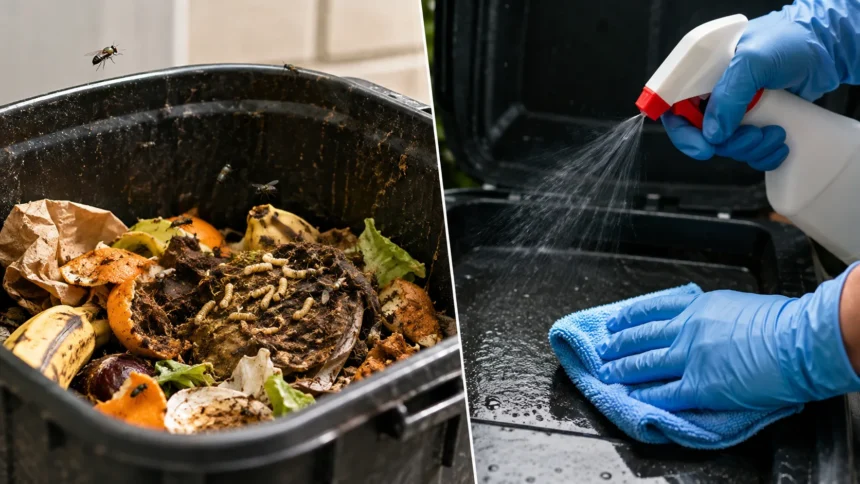
Maggots: Where They Come From and How to Get Rid of Them
Finding maggots in a trash can, kitchen, garage, or outdoor bin can be unpleasant and surprisingly alarming. These small, pale larvae often seem to appear overnight, which leads many people to wonder where they came from and whether they indicate a serious infestation. In most cases, maggots are simply the immature stage of certain flies that have found a suitable place to lay eggs. Food waste, spoiled meat, pet waste, dead animals, and other decaying organic material can provide exactly the environment they need.
Maggots do not spontaneously appear from rotten food or garbage. Adult flies must first reach the material and deposit eggs, which can hatch relatively quickly when conditions are warm and moist. Because fly eggs are tiny and difficult to notice, people often see the larvae before realizing flies have been breeding nearby. A garbage bag that was left open or food scraps forgotten under an appliance may be enough to create a temporary problem. Finding the breeding source is therefore more important than simply killing the visible larvae.
The good news is that most household maggot problems can be controlled with straightforward cleaning and sanitation. Removing contaminated material, disposing of it securely, washing the affected area, and keeping waste containers clean can interrupt the fly life cycle. Household insecticides are not always necessary when the source can be physically removed. In fact, cleaning often provides more lasting control because it eliminates the food and moisture that attracted the flies in the first place.
Repeated infestations deserve closer attention because they can indicate a hidden source of decay. A dead rodent in a wall cavity, accumulated pet waste, leaking garbage, neglected food, or poorly maintained waste containers can continually support fly reproduction. Maggots appearing in unusual places may therefore act as a clue that something organic is decomposing nearby. Solving the underlying problem is the most effective way to prevent new larvae from appearing.
This guide explains what maggots are, where they come from, how quickly they develop, and why they may appear in different parts of your home. It also covers practical methods for getting rid of maggots in trash cans, kitchens, carpets, and outdoor areas. Most importantly, it focuses on prevention so you can stop the fly breeding cycle rather than repeatedly dealing with the same problem.
What Are Maggots?
Maggots are the larval stage of flies. They develop after adult female flies lay eggs in environments that provide enough food and moisture for the emerging larvae. Depending on the species, this may include decomposing meat, garbage, animal waste, rotting vegetables, or dead wildlife. The larvae are typically soft-bodied, pale, and legless, although their exact size and appearance vary. Their main purpose at this stage of life is to feed and grow before transforming into pupae and eventually adult flies.
Several types of flies can produce larvae commonly described as maggots. Houseflies, blowflies, bottle flies, and flesh flies are among the groups frequently associated with decaying organic material. Different species prefer slightly different breeding environments, but most are attracted by strong odors produced during decomposition. Adult flies can detect suitable breeding material quickly, which is why improperly stored food or exposed waste can become infested within a short period.
The fly life cycle includes several distinct stages: egg, larva, pupa, and adult. After eggs hatch, the larvae begin feeding intensively on the surrounding material. As they grow, they pass through several developmental stages before leaving the food source to find a relatively dry place to pupate. An adult fly later emerges from the hardened pupal case. Warm temperatures can speed up this entire cycle, allowing fly populations to increase rapidly.
Maggots play an important ecological role outdoors because they help break down dead organic material. In nature, this decomposition contributes to nutrient recycling and removes animal remains that would otherwise persist much longer. The problem begins when flies use household waste, food, or animal remains around buildings as breeding sites. In these locations, maggots become a sanitation concern rather than a useful part of natural decomposition.
Seeing maggots does not automatically mean your entire home is infested. Sometimes one forgotten food item or one contaminated garbage bag is enough to create dozens of larvae. Once that material is removed and the surrounding area is cleaned, the problem may disappear completely. The challenge is making sure you locate every possible breeding source instead of cleaning only the larvae you can immediately see.
Where Do Maggots Come From?
Maggots come from eggs laid by adult flies. A fly searches for material that will provide food for its larvae and deposits eggs directly on or very close to that source. Because the eggs can be extremely small, they are easy to miss on garbage, food scraps, or animal remains. Once the eggs hatch, the pale larvae become much more noticeable. This creates the impression that maggots appeared suddenly even though the process began earlier.
Garbage is one of the most common household breeding sites. Food scraps, meat packaging, bones, spoiled leftovers, and other organic waste release odors that attract flies. A trash can without a tight-fitting lid gives adult flies easy access to these materials. Warm conditions inside a bin can also accelerate egg and larval development. This is why maggots are particularly common in outdoor garbage containers during hot weather.
Animal waste can provide another breeding source. Dog feces, litter box waste, decomposing animal feed, and poorly cleaned pet areas can attract flies. Dead rodents, birds, or other animals around the property can also produce sudden fly and maggot activity. Sometimes the animal is hidden beneath decking, inside a wall, in an attic, or behind stored items. A strong unexplained odor combined with increasing fly activity may suggest a hidden carcass.
Rotting food inside the home can cause similar problems. Potatoes, onions, fruit, meat, or other forgotten foods may fall behind appliances or remain unnoticed in a cupboard. A small spill or leaking package can also create enough organic material for certain flies to breed. Kitchens should therefore be inspected carefully when maggots appear indoors without an obvious source.
Compost piles and outdoor organic waste can attract flies as well, particularly when they contain meat, dairy products, pet waste, or other materials not suited to certain home compost systems. Properly managed compost usually breaks down without causing severe fly problems, but poorly balanced piles can become attractive breeding environments. Covering fresh scraps and maintaining appropriate moisture can reduce fly access while allowing decomposition to continue.
Why Maggots Can Appear So Quickly
Maggots seem to appear suddenly because many fly species develop rapidly under favorable conditions. Adult flies may find exposed food or garbage within hours, lay eggs, and leave before anyone notices them. The eggs themselves are tiny and can blend into pale or moist material. By the time the larvae hatch and begin moving, the infestation becomes much easier to see.
Warm temperatures speed up development because flies are cold-blooded organisms whose metabolism depends strongly on environmental conditions. During hot summer weather, eggs may hatch and larvae may grow faster than they would during cooler periods. This is one reason outdoor trash bins can develop visible maggots between garbage collection days. Heat, moisture, and abundant food create nearly ideal breeding conditions.
Large numbers can also appear from relatively few adult flies. A female fly may lay many eggs during her lifetime, and multiple flies can use the same food source. If garbage remains accessible for several days, several batches of eggs may be deposited. The resulting larvae can then appear as a moving mass rather than a few isolated insects.
Another reason infestations feel sudden is that maggots often remain hidden inside the food source initially. They may be feeding under garbage bags, inside meat packaging, beneath decaying material, or within cracks around the contaminated area. As they mature, some species leave the wet food source and crawl toward drier places where they can pupate. This is when homeowners may suddenly notice larvae moving across floors or surfaces.
Rapid development makes early sanitation especially important. Leaving a breeding source untouched for several days gives larvae time to mature and potentially create another generation of flies. Removing the source as soon as it is discovered interrupts this cycle. Waiting until adult flies become numerous usually makes the problem harder to manage.
Why Are There Maggots in My Trash Can?
Trash cans provide nearly everything fly larvae need: food, moisture, warmth, and protection. Household garbage often contains meat scraps, fruit, vegetables, sauces, food packaging, and other organic material. If flies can reach these items before the bag is tied or the lid is closed, they may lay eggs directly on the waste. The inside of a warm bin then becomes an ideal environment for those eggs to hatch.
Liquids accumulating at the bottom of a garbage can can make the problem worse. Leaking bags release food residue that may remain even after the main trash has been collected. If the bin is not washed, this layer continues producing odors that attract flies. New bags placed into a dirty container do not remove the underlying breeding material.
Outdoor bins are especially vulnerable because adult flies are already present in the surrounding environment. A lid that does not close completely, cracked container, or overflowing bag provides easy access. Hot sunlight can raise the temperature inside the bin considerably, further accelerating the fly life cycle. Summer garbage management therefore requires more attention than waste storage during cooler months.
The best immediate response is to remove all waste and inspect the container carefully. Dispose of contaminated bags according to local waste rules and keep the bin away from living areas while cleaning. Once empty, scrub the inside surfaces with hot water and household detergent or another appropriate cleaner. Pay attention to corners, hinges, and the underside of the lid where residue may accumulate.
Prevention depends on keeping food waste contained and the bin clean. Tie garbage bags securely, avoid placing loose food directly into the container, and keep the lid closed between uses. Rinsing food containers before disposal can reduce odors, while freezing particularly smelly food waste until collection day can help in some households. Regular bin cleaning removes the residue that makes repeated infestations more likely.
How to Get Rid of Maggots Safely
The first step is identifying and removing whatever the maggots are feeding on. Killing larvae without removing rotten food, garbage, or animal remains will only provide temporary relief. Wear disposable gloves when handling contaminated waste and place the material inside a strong, securely sealed garbage bag. Follow local waste disposal rules, particularly when dealing with animal remains or large amounts of spoiled food.
Once the breeding material has been removed, collect any remaining visible larvae. Small numbers can often be swept or vacuumed up, depending on the surface. If you use a vacuum cleaner, empty the contents immediately into a sealed outdoor trash bag so larvae do not remain inside the machine. Wash or disinfect reusable cleaning tools afterward according to their care instructions.
Hot water can be effective for cleaning many durable surfaces after visible larvae have been removed. Soap or household detergent helps remove grease, food residue, and odors that continue attracting adult flies. For garbage bins, scrubbing is often more important than simply pouring liquid over the surface. Physical cleaning removes material hidden in corners where fly eggs or small larvae could remain.
Household disinfectants can be used when appropriate for the surface, but they should be applied according to label instructions. Avoid mixing cleaning chemicals, particularly bleach with ammonia, acids, or other products, because dangerous gases can result. Stronger chemical treatment is not automatically better. Removing organic matter and drying the area thoroughly usually provides the foundation for successful control.
After cleaning, monitor the area for several days. A few additional larvae may appear if some had already moved away from the original food source before you discovered the infestation. Check cracks, floor edges, and nearby dry spaces for pupae, which may look like small brown capsules. Removing these can help reduce the number of adult flies that emerge later.
How to Get Rid of Maggots in the Kitchen
Maggots in a kitchen usually mean there is an accessible organic food source nearby. Start by inspecting the trash can, recycling containers, food-storage areas, and space beneath or behind appliances. Look for spoiled fruit, potatoes, onions, meat packaging, spilled food, pet food, or leaking garbage bags. The actual breeding source may be surprisingly small.
Empty the kitchen trash immediately and move contaminated material outdoors. Wash the bin thoroughly rather than simply replacing the liner. Food residue may be stuck beneath the bag or around the rim where flies can continue breeding. Let the container dry before adding a fresh liner because persistent moisture can help maintain favorable conditions.
Next, clean floors and hidden spaces. Pull movable appliances away from walls if it is safe to do so and check underneath them for dropped food. Clean beneath cabinets, around stove edges, and near pet feeding stations. Even a piece of meat or wet food that fell unnoticed can produce substantial fly activity after several days.
Inspect stored produce carefully. Potatoes, onions, and fruit can rot from the inside while appearing relatively normal from certain angles. Remove anything soft, leaking, moldy, or producing an unusual odor. Clean the shelf or container where spoiled produce was stored before adding fresh food.
Finally, reduce adult fly access. Use window screens, keep doors closed when possible, cover food, and clean spills promptly. If adult flies remain numerous after all breeding sources are removed, fly traps may help reduce the remaining population. Traps work best as a supporting measure rather than a substitute for sanitation.
How to Get Rid of Maggots in Outdoor Bins
Outdoor trash bins often become infested during warm weather because organic waste sits for several days between collections. Wait until the bin has been emptied if possible, then remove any remaining bags or debris. Wear gloves and avoid direct skin contact with decaying material. Large infestations are easier to manage when the container is completely empty.
Rinse loose debris from the inside of the bin, then scrub surfaces with hot soapy water. A long-handled brush makes it easier to reach the bottom and corners. Pay attention to the lid and rim because food splashes and residue can accumulate there. Rinse after cleaning and allow the container to dry thoroughly.
Drying matters because flies prefer moist breeding environments. Leave the lid open only while the bin is in a secure location where new waste or rain will not enter. Once dry, close the lid tightly. If the container has cracks or a damaged lid, replacement may be worthwhile because flies can continue gaining access through small openings.
Future food waste should be sealed securely before being placed in the bin. Double-bagging especially wet or strong-smelling waste can help prevent leakage. Some households freeze meat scraps or seafood waste and place them in the bin shortly before collection. This reduces the amount of time the material spends decomposing outdoors.
Place bins away from doors and windows when practical. Even when maggots remain confined to the waste container, the adult flies that produce them can enter the home. Keeping the area around the bin free from spilled garbage also reduces attraction. Regular cleaning during hot weather is one of the most reliable long-term prevention measures.
What to Do if Maggots Are Crawling on the Floor
Maggots crawling away from a food source are often mature larvae looking for a dry location where they can pupate. This behavior can make an infestation seem larger because larvae spread beyond the original garbage or decaying material. Start by tracing their movement back toward the most likely source. Finding the origin is more important than killing individual larvae one by one.
Sweep, vacuum, or collect visible maggots and dispose of them in a sealed bag outside the home. Avoid crushing large numbers into carpets or porous flooring because cleanup becomes more difficult. If using a vacuum, empty or discard the collection bag promptly. Clean the vacuum nozzle and affected surfaces afterward.
Inspect the edges of rooms, baseboards, cracks, cupboards, and spaces under furniture. Mature larvae may travel some distance before pupating, so small brown pupal cases may already be present. Removing these prevents adult flies from emerging indoors. Pay particular attention to quiet, dry, protected corners.
Clean hard flooring with an appropriate household cleaner after the larvae are removed. For carpet, vacuum thoroughly and clean any contaminated organic material according to the carpet manufacturer’s recommendations. If rotten food or animal material has soaked deeply into flooring, professional cleaning may be needed to remove the odor and residue completely.
Continue checking the room for several days. If new maggots repeatedly appear after thorough cleaning, there is probably another breeding source you have not found. Persistent unexplained larvae may justify pest-control assistance, especially when you suspect something is decomposing inside a wall, ceiling, or inaccessible crawl space.
Can Maggots Come From a Dead Animal?
Dead animals are a common source of blowflies and other flies whose larvae feed on decomposing tissue. A mouse, rat, bird, squirrel, or other small animal that dies inside or near a building can attract flies quickly. Adult flies lay eggs on the remains, and large numbers of maggots may develop as decomposition progresses. The animal itself may remain hidden while insects provide the first obvious clue.
A strong or unusual odor often accompanies this type of infestation, although smell intensity depends on the animal’s size and location. Flies may gather around one window or room, while maggots may eventually crawl away from the carcass. If the activity seems unrelated to garbage or food, inspect attics, garages, basements, crawl spaces, and accessible voids where an animal might have entered.
Removing the carcass is the most effective solution when it can be located safely. Wear protective gloves and follow local guidance for disposal. Avoid handling wildlife bare-handed because dead animals can carry pathogens, parasites, or contaminated fluids. If the carcass is inaccessible or located inside a wall, professional pest or wildlife removal may be safer.
After removal, clean and disinfect contaminated surfaces when accessible. Organic fluids can continue producing odors and attracting insects even after the remains are gone. Porous insulation or other heavily contaminated material may need replacement. Improving sanitation also helps determine whether remaining flies are simply emerging from existing pupae or whether another source remains.
Prevent future problems by sealing entry points used by rodents or wildlife. Repair holes, vents, damaged screens, and gaps around roofs or foundations where appropriate. Rodent control should focus on exclusion and sanitation as well as trapping. Preventing animals from entering the structure reduces both wildlife problems and the fly infestations that can follow when an animal dies indoors.
Are Maggots Dangerous to People?
Household maggots are unpleasant, but simply seeing them does not usually mean someone is in immediate danger. The greater concern is the decaying material that attracted the flies. Garbage, spoiled meat, feces, and animal remains can contain microorganisms that should not come into contact with food-preparation surfaces or hands. Good hygiene is therefore essential during cleanup.
Flies themselves can mechanically carry microorganisms from contaminated material onto other surfaces. A fly moving between garbage and uncovered food may transfer bacteria on its body. Keeping kitchens clean and food covered reduces this risk. Removing breeding sources also decreases the overall fly population around the home.
Avoid eating food that has visible maggots, fly eggs, or obvious signs of decomposition. Discard contaminated food securely rather than trying to remove the affected portion. This is particularly important with meat, dairy products, prepared meals, and other foods that can support harmful bacterial growth. Spoilage can extend beyond the portion that looks visibly damaged.
Rarely, certain fly larvae can infest living human or animal tissue, a condition known as myiasis. This is very different from finding maggots in household garbage and requires medical or veterinary care. Persistent larvae in a wound, ear, nose, or other body site should never be treated as an ordinary household pest problem. Professional evaluation is necessary.
For routine household cleanup, basic precautions are usually enough. Wear gloves, wash your hands thoroughly, avoid splashing contaminated liquids, and clean affected surfaces before preparing food nearby. People with open wounds or weakened immune systems may want to be especially careful around heavily contaminated waste. Good sanitation removes both the maggots and the conditions that made them possible.
How to Prevent Maggots From Coming Back
The most effective prevention strategy is denying adult flies access to organic waste. Keep garbage bags tied securely and use bins with lids that close completely. Do not leave meat scraps, pet food, or other strong-smelling waste exposed. Removing garbage frequently during hot weather can make a major difference because it shortens the time flies have to lay eggs.
Keep trash containers clean rather than treating the bag as the only barrier. Leaks happen, and small amounts of food residue can accumulate unnoticed underneath liners. Wash indoor and outdoor bins regularly and allow them to dry before replacing the bag. A clean container is far less attractive to flies than one coated in old organic material.
Kitchen sanitation is equally important. Wipe up food spills promptly, clean beneath appliances periodically, and inspect stored produce before it begins decomposing. Avoid leaving dirty dishes containing food residue overnight when flies are present. Pet feeding areas should also be cleaned because wet food can become attractive to insects relatively quickly.
Control adult flies entering the home by maintaining window and door screens. Repair tears and gaps that allow insects inside. Avoid leaving doors open unnecessarily during periods of heavy fly activity. Fly traps can reduce occasional adults, but they are most effective when sanitation has already removed potential breeding sites.
Finally, investigate recurring problems instead of repeatedly treating the symptoms. If maggots keep returning despite clean garbage and good food storage, look for pet waste, compost issues, plumbing-related organic buildup, or dead animals. A pest-control professional can help locate hidden breeding sources when the origin remains unclear. Long-term maggot control is ultimately about breaking the fly life cycle at its source.
Common Mistakes That Make a Maggot Problem Worse
One common mistake is killing visible maggots while leaving the breeding material behind. You may remove hundreds of larvae, but adult flies will continue laying eggs if spoiled food or garbage remains accessible. Always treat the food source as the primary problem. Visible insects are simply evidence of what is happening underneath.
Another mistake is relying entirely on insecticide sprays. These products may kill individual flies or larvae but do not remove decomposing material. Spraying strong chemicals around kitchens, food-storage areas, pets, or children can also create unnecessary exposure when simple cleaning would solve the problem. Follow label directions carefully whenever pesticides are actually needed.
Mixing household cleaning chemicals is particularly dangerous. Combining bleach with ammonia, vinegar, acids, or certain other products can release toxic gases. People sometimes experiment with increasingly strong mixtures because they want to kill maggots instantly. Use one properly labeled cleaning product at a time and follow its directions rather than improvising chemical combinations.
Ignoring adult flies is another mistake. Maggots cannot appear without flies or another suitable adult insect depositing eggs. If large numbers of flies remain after cleanup, they may indicate that breeding is still occurring somewhere nearby. Investigate rather than assuming the problem ended when visible larvae disappeared.
Finally, poor waste-storage habits can cause infestations to repeat. Leaving bags open, overfilling bins, allowing food liquids to leak, or keeping waste beside warm doors and windows makes fly access easier. Small sanitation changes usually provide more lasting control than repeated emergency treatments. Prevention is less unpleasant and less work than cleaning another mature infestation.
When Should You Call Pest Control?
Most small maggot infestations can be handled without professional pest control when the breeding source is obvious. A contaminated trash can or forgotten food item can usually be cleaned and removed safely. Professional help becomes more useful when larvae continue appearing after all visible organic material has been eliminated. Persistent activity often suggests a hidden breeding location.
A sudden increase in large flies indoors can also justify investigation. Blowflies or bottle flies appearing repeatedly may indicate that an animal has died somewhere inside the building. If you cannot access wall cavities, roof spaces, or other suspected areas safely, a pest-control or wildlife-removal professional may be able to locate the source.
Commercial kitchens, restaurants, healthcare facilities, and food-processing environments should generally treat fly breeding more seriously because sanitation standards and food-safety risks are higher. A professional pest-management plan may be appropriate when infestations occur in these settings. Staff sanitation practices, waste handling, drains, and building entry points may all need inspection.
Call for help when the infestation involves an inaccessible location or unusually large amount of contaminated material. Attempting to remove a dead animal from a dangerous crawl space or handling heavily decomposed waste without proper equipment can create unnecessary exposure. Professionals may have protective equipment and specialized cleaning procedures suited to these situations.
The goal of professional pest control should still be source removal rather than simply applying chemicals. Ask what breeding material is attracting the flies and how the problem can be prevented from returning. A good treatment plan combines sanitation, exclusion, waste management, and targeted pest control. Eliminating the conditions that support the life cycle provides the most reliable result.
Conclusion: Getting Rid of Maggots Starts With Removing the Source
Maggots are fly larvae, and their presence usually means adult flies have found decaying organic material suitable for laying eggs. Garbage, spoiled food, animal waste, and dead animals are among the most common sources. They can appear quickly because fly eggs are difficult to see and may hatch rapidly under warm conditions. What looks like a sudden infestation usually started before the larvae became visible.
The first priority is always finding and removing the breeding material. Seal contaminated waste, dispose of it safely, collect remaining larvae, and clean the surrounding surfaces thoroughly. Hot soapy water and appropriate household cleaners are enough for many routine infestations. Strong chemicals are rarely a substitute for proper sanitation.
Trash cans require particular attention because food liquids and residue can remain even after garbage bags are removed. Regular washing, tightly sealed bags, and secure lids make bins much less attractive to flies. During warm weather, removing food waste more frequently can prevent larvae from having enough time to develop.
If maggots repeatedly appear without an obvious food or garbage source, investigate for hidden organic material. A dead rodent or bird inside a wall, attic, or crawl space can produce both maggots and increasing numbers of flies. Persistent unexplained infestations may require professional pest or wildlife assistance.
The most effective way to get rid of maggots permanently is to break the fly life cycle. Keep food covered, clean spills promptly, manage waste carefully, maintain screens, and remove sources of decay. Once flies can no longer find a suitable breeding environment, recurring maggot problems become far less likely.
Frequently Asked Questions
Where do maggots suddenly come from?
Maggots hatch from eggs laid by adult flies on garbage, spoiled food, animal waste, or other decaying organic material. The eggs are tiny, so the larvae can appear to show up suddenly.
What kills maggots quickly?
Removing the contaminated material and cleaning the area thoroughly is the most important step. Hot water and detergent can help remove larvae and organic residue from many durable household surfaces.
Can maggots appear without flies?
No. Maggots develop from eggs or larvae produced by adult flies or related insects. You may not notice the adult fly because it can lay eggs and leave before the larvae become visible.
Why do maggots keep coming back?
Recurring maggots usually mean a breeding source remains nearby, such as leaking garbage, spoiled food, pet waste, or a dead animal. Finding and removing that source is essential.
Are maggots harmful in the house?
Maggots themselves are usually more of a sanitation warning than an immediate danger. However, the decaying material and flies associated with them can contaminate surfaces and food, so prompt cleanup is important.