
Sunburned Eyes: Spot the Signs and Protect Your Vision
Sunburned Eyes can develop after your eyes receive too much ultraviolet radiation from sunlight or an artificial UV source. The medical term is photokeratitis, which describes temporary damage to the cornea and conjunctiva at the front of the eye. It is often compared to sunburn because UV rays injure exposed eye tissue in a similar way.
Unlike a skin sunburn, an eye sunburn may not become noticeable immediately. Pain, watering and light sensitivity can begin several hours after exposure, making it difficult to connect the symptoms with time spent outdoors. The condition commonly affects both eyes because both are usually exposed to the same source of ultraviolet light.
Most uncomplicated cases improve as the surface of the eye repairs itself. However, severe pain, significant blurred vision or symptoms that continue beyond the expected recovery period should not be ignored. Several other eye conditions can resemble photokeratitis, and some require urgent treatment to prevent infection or lasting damage.
This guide explains eye sunburn symptoms, common causes, safe relief and the warning signs that need professional attention. It can help you make sensible decisions after sun exposure, but it cannot replace an examination by an optometrist, ophthalmologist or emergency healthcare professional.
What Are Sunburned Eyes?
Sunburned eyes occur when ultraviolet rays damage cells on the surface of the cornea and conjunctiva. The cornea is the clear front layer that helps focus light, while the conjunctiva covers the white part of the eye and the inner eyelids. Irritation of these sensitive tissues can create intense discomfort even when no visible injury is obvious.
The medical name, photokeratitis, combines words relating to light and inflammation of the cornea. You may also hear the condition called ultraviolet keratitis, snow blindness, arc eye or welder’s flash. These terms describe similar injuries but reflect different sources of UV exposure, such as reflected sunlight or welding equipment.
Photokeratitis is not the same as ordinary dry eyes, seasonal allergies or infectious conjunctivitis. Those conditions can also cause burning, redness and watering, but they do not necessarily follow intense UV exposure. The timing, affected eye, pain severity and presence of visual changes help an eye professional distinguish between possible causes.
An eye sunburn is also different from solar retinopathy. Photokeratitis affects the front surface of the eye, whereas staring directly at the sun can damage the light-sensitive retina at the back of the eye. Retinal injury may cause central blur, blind spots or lasting vision loss and requires prompt specialist assessment.
Sunburned Eyes Symptoms
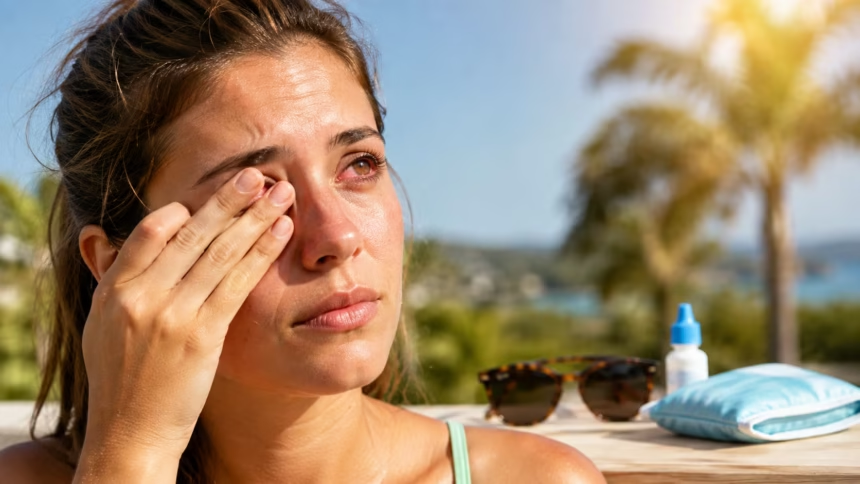
Common sunburned eyes symptoms include burning or aching pain, redness, excessive tears and strong sensitivity to light. The eyes may feel gritty, as though sand or dust is trapped beneath the eyelids. Some people also struggle to keep their eyes open because blinking and exposure to light increase the discomfort.
Blurred vision can occur when the damaged corneal surface temporarily disrupts the way light enters the eye. Other possible signs include swollen eyelids, headaches, eyelid twitching and halos around lights. Temporary vision loss or changes in colour perception are less common and should be treated as reasons to seek medical advice promptly.
Symptoms may develop six to twelve hours after UV exposure rather than appearing while you are outdoors. Someone may spend an afternoon skiing, boating or working near a welding arc and feel normal until that evening. This delay is a characteristic pattern of photokeratitis and can cause the discomfort to seem sudden or unexplained.
The severity of symptoms usually relates to the intensity and duration of exposure. Mild cases may feel like irritated, watery eyes, while stronger exposure can produce severe pain and temporary difficulty seeing. Because pain levels cannot reliably show how much damage has occurred, concerning vision changes should always be professionally assessed.
What Causes UV Eye Damage?
Direct sunlight can cause UV eye damage, but reflected sunlight is often a greater risk than people realise. Snow, ice, water, sand and pale concrete can redirect ultraviolet rays toward the face and eyes. Exposure is possible even when you are not looking directly at the sun or when the weather feels cool.
Snow blindness is a type of photokeratitis associated with UV rays reflecting from snow and ice. The risk can increase in mountainous locations, where the atmosphere provides less protection from ultraviolet radiation. Skiers, snowboarders, climbers and people working on snow-covered land should therefore use properly fitted UV-protective goggles.
Artificial sources can also cause a corneal UV burn. Welding arcs, tanning beds, germicidal UV lamps, medical UV equipment, photographic floodlights and some powerful electrical sparks may expose unprotected eyes to harmful radiation. A welding flash burn can occur after even brief exposure when the correct face shield or protective eyewear is not used.
Clouds do not eliminate the need for eye protection because UV radiation can still reach the eyes on overcast days. Reflected glare may also enter from the sides, above or below ordinary sunglasses. Wraparound frames, side protection and a brimmed hat provide more complete coverage than small fashion lenses with open edges.
Who Is Most at Risk?
People who spend long periods outdoors face a higher risk, especially during skiing, hiking, mountain climbing, swimming, boating or beach activities. Workers in construction, fishing, snow maintenance and other exposed settings may receive substantial UV exposure throughout the day. Risk rises when protective eyewear is absent, damaged or poorly fitted.
Welders and people working near welding equipment are vulnerable to arc eye. Bystanders can also be injured if they glance toward an active arc without protection. Workplace barriers, warning procedures and approved welding helmets are essential because ordinary sunglasses are not designed to protect against the intensity of welding radiation.
Tanning-bed users are also at risk because tanning equipment produces ultraviolet light. Closing the eyelids does not provide adequate protection, as eyelid tissue is thin and UV rays may still reach the eye. Approved protective goggles should always be used, although avoiding artificial tanning remains the safer choice for overall UV protection.
Children may be especially vulnerable because they often spend substantial time outdoors and may not consistently wear sunglasses. People who take photosensitising medicines or have had certain eye procedures should ask their clinician about additional precautions. Anyone with previous eye disease should seek individual advice rather than relying only on general sun-protection guidance.
Sunburned Eyes or Sunburned Eyelids?
Photokeratitis affects the surface of the eyeball, while sunburned eyelids involve the surrounding skin. Both may occur during the same period of excessive sun exposure. Eyelid sunburn usually causes tender, warm, red or swollen skin, while photokeratitis more often produces deep eye pain, gritty sensations, tearing and severe light sensitivity.
Swollen eyelids do not automatically mean the cornea has been burned. Allergies, insect bites, infections and skin irritation can also cause puffiness around the eyes. However, swelling accompanied by eye pain, blurred vision or difficulty tolerating light raises greater concern for an injury involving the eye itself.
Treat the eyelid skin gently and avoid applying ordinary sunburn creams, essential oils or medicated skin products close to the eyeball. Products that are safe for other parts of the body can irritate the eye or damage the corneal surface. Seek advice from a pharmacist or clinician before applying any treatment near the eyelid margin.
Urgent assessment is appropriate when eyelid swelling becomes severe enough to close the eye, continues to worsen or occurs with fever, discharge or changes in vision. These signs may indicate infection, a more significant burn or another condition unrelated to sunlight that requires specific treatment.
Immediate Eye Sunburn Relief
Move indoors or into a shaded environment as soon as symptoms begin. Rest in a dimly lit room and reduce exposure to bright screens, lamps and sunlight. Limiting further UV and visible-light exposure can make the eyes more comfortable while the damaged surface begins to recover.
Remove contact lenses carefully and do not wear them again until all symptoms have resolved or an eye professional says it is safe. Contact lenses may increase irritation and interfere with recovery. Wearing glasses instead also makes it easier to monitor redness, swelling and discharge during the healing period.
Place a clean, cool washcloth over your closed eyes for short periods. The compress should feel comfortably cool rather than painfully cold, and pressure should not be applied to the eyeballs. Resting with the eyes closed and wearing UV-blocking sunglasses indoors when necessary may also reduce painful light sensitivity.
Preservative-free artificial tears may help lubricate the eye surface and ease the gritty feeling. Oral pain relief may be appropriate for some adults, but follow the label and consult a pharmacist if you have kidney, stomach, heart or bleeding problems or take other medication. Never place skin pain creams inside or around the eye.
What Not to Do
Do not rub sunburned or irritated eyes. Rubbing places additional pressure on the already damaged corneal surface and may worsen pain or create further abrasions. When the eyes feel gritty, use recommended artificial tears or keep them gently closed rather than repeatedly touching the eyelids.
Do not use leftover antibiotic, steroid or redness-relief drops without professional advice. Different eye drops serve very different purposes, and an unsuitable product may delay diagnosis or create complications. Steroid eye drops in particular should only be used under the supervision of a qualified eye-care professional.
Never use topical anaesthetic eye drops at home unless they were specifically administered or prescribed under medical supervision. Although numbing drops may briefly remove pain, repeated use can interfere with corneal healing and hide worsening symptoms. Severe discomfort should be assessed rather than repeatedly numbed.
Do not cover both eyes tightly with patches or bandages unless a clinician recommends it. Avoid driving while your vision is blurred or light sensitivity prevents you from keeping your eyes comfortably open. Arrange for someone else to take you to an appointment when pain or vision problems affect safe travel.
How Long Do Sunburned Eyes Last?
People commonly ask, “How long do sunburned eyes last?” Symptoms may continue from several hours to approximately two days in uncomplicated cases. The corneal surface usually repairs quickly, so pain, redness and light sensitivity should show steady improvement rather than becoming progressively worse.
The College of Optometrists notes that symptoms often begin six to twelve hours after exposure and usually resolve within twenty-four to forty-eight hours. Cleveland Clinic similarly reports that most cases improve within a few hours to a couple of days. Recovery can vary according to the intensity and duration of UV exposure.
Mild dryness or sensitivity may remain briefly after the strongest pain has settled. Continue avoiding contact lenses, bright sunlight and the activity that caused the exposure until the eyes feel normal. Returning immediately to strong UV conditions without proper protection may irritate the recovering surface again.
Pain lasting more than two days, worsening symptoms or continued visual disturbance needs medical assessment. A clinician can check whether the original diagnosis is correct and look for a corneal abrasion, infection or deeper eye injury. Do not assume prolonged symptoms are simply a slow-healing sunburn.
When to Worry
Seek urgent help if you experience significant vision loss, a dark or blank area in your sight, distorted central vision or worsening blur. These symptoms may indicate more than surface photokeratitis, especially after staring directly at the sun, an eclipse, laser equipment or a powerful welding arc.
Severe eye pain, an inability to open or move the eye, blood, pus or a major headache after an eye injury also requires urgent evaluation. The NHS advises immediate emergency care for vision changes, severe pain and difficulty keeping an injured eye open. Do not drive yourself when your sight is affected.
Arrange prompt assessment when only one eye is severely affected, symptoms began after impact or debris exposure, or you feel that something remains trapped in the eye. Typical photokeratitis often affects both eyes, so pronounced one-sided symptoms may point toward a scratch, foreign object, infection or another injury.
You should also get help when symptoms fail to improve within twenty-four to forty-eight hours, become more painful or produce thick discharge. Children, contact-lens users and people with previous corneal disease may need earlier assessment. When uncertain, contacting an optometrist or ophthalmologist is safer than waiting for significant visual symptoms.
How Doctors Diagnose Photokeratitis
An eye professional will ask about recent sunlight exposure, outdoor activities, tanning equipment, welding work and UV lamps. Mention the time of exposure and when symptoms started because the delayed onset may support a diagnosis of photokeratitis. Also explain whether one or both eyes are painful.
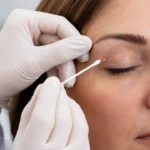
The clinician will examine your vision, eyelids, pupils, conjunctiva and corneal surface. A slit-lamp microscope allows the front of the eye to be viewed under magnification. Fluorescein dye may be placed in the eye to highlight areas where the corneal surface has been damaged.
This examination helps separate UV keratitis from dry eye, infection, allergic conjunctivitis, chemical injury and a corneal foreign body. It can also identify complications that cannot be seen by looking in a mirror. Accurate diagnosis matters because treatment differs greatly between these conditions.
Most photokeratitis treatment focuses on symptom relief while the cornea heals. A clinician may recommend lubricating drops, oral pain relief or other prescription treatment based on the examination. Antibiotic drops are sometimes considered when infection risk or surface injury makes them appropriate, but they should not be self-prescribed.
Preventing UV Eye Damage
Choose sunglasses labelled as blocking or absorbing 99% to 100% of UVA and UVB rays. Darkness of the lens does not prove adequate protection, so check the product label rather than judging sunglasses by colour. Poor-quality dark lenses without UV protection may reduce visible light without providing the protection your eyes need.
Wraparound sunglasses or frames with side panels offer better coverage by reducing rays that enter around the edges. Combine sunglasses with a wide-brimmed hat or visor when spending extended time outside. Children should receive properly fitting UV-protective eyewear rather than toy sunglasses with no verified protection.
Use snow goggles during winter sports and specialist safety equipment around welding arcs, UV lamps and industrial light sources. Protective gear must match the specific hazard; ordinary sunglasses are not a substitute for a certified welding helmet. Inspect lenses, shields and side guards regularly for damage.
Wear protection on cloudy days and around reflective surfaces such as water, snow, sand and concrete. UV-blocking contact lenses may add protection but do not cover the whole eye or surrounding tissue, so they should be combined with sunglasses. Consistent protection also helps reduce the cumulative effects of long-term ultraviolet exposure.
Sunburned Eyes: Symptoms, Relief & When to Worry
Sunburned Eyes usually result from excessive UV exposure that inflames the cornea and conjunctiva. Redness, watering, gritty discomfort, blurred vision and sensitivity to light may begin several hours after sunlight, snow glare, welding or another strong ultraviolet source.
Immediate relief involves leaving the UV source, resting in low light, removing contact lenses and placing a clean, cool compress over closed eyes. Artificial tears and suitable oral pain relief may improve comfort, but medicated eye drops should only be used when recommended by a professional.
Most cases improve within twenty-four to forty-eight hours. During recovery, avoid rubbing the eyes, driving with blurred vision and returning to bright outdoor conditions without protection. Symptoms that worsen rather than improve should not be managed repeatedly with home remedies.
Seek urgent care for severe pain, vision loss, central blind spots, inability to open the eye, discharge or symptoms following direct sun-gazing. Protecting your eyes with verified UV-blocking sunglasses, a brimmed hat and activity-specific safety equipment is the most reliable way to prevent another painful episode.
Frequently Asked Questions
Can your eyes really get sunburned?
Yes. Excess ultraviolet exposure can damage the cornea and conjunctiva, causing photokeratitis. It is often described as sunburn of the eyes and may produce pain, redness, watering and light sensitivity.
What do sunburned eyes feel like?
They may feel painful, burning, gritty or extremely sensitive to light. Other signs include watery red eyes, swollen eyelids, headaches, halos and temporarily blurred vision.
Can I use regular eye drops for sunburned eyes?
Preservative-free artificial tears may provide lubrication, but medicated or redness-relief drops should not be used without professional advice. Avoid leftover antibiotics, steroids and numbing eye drops.
Can sunburned eyes cause permanent damage?
Uncomplicated photokeratitis is generally temporary and usually heals without permanent damage. Directly staring at the sun can injure the retina, however, and may cause longer-lasting or permanent visual changes.
Should I go to a doctor for sunburned eyes?
Seek help for severe pain, vision changes, one-sided symptoms, discharge or symptoms lasting longer than one to two days. Urgent assessment is essential after direct sun-gazing or sudden loss of vision.