
How to Start a Food Business with No Money
Starting a food business with no money may sound impossible because ingredients, packaging and permits all have a cost. However, you do not need a restaurant, commercial storefront or expensive equipment to test a food idea. You need a focused product, paying customers and a plan that protects every small amount of cash.
The realistic goal is not to build a completely cost-free business. Instead, you can create a model where customer deposits, pre-orders or service payments fund the first production cycle. This approach reduces personal investment and helps you confirm demand before making larger financial commitments.
Many profitable food businesses begin with equipment already available at home, a limited menu and a small local audience. Home baking, lunch subscriptions, catering assistance and made-to-order snacks can often be tested without purchasing specialised machinery. The owner gradually reinvests early profits into packaging, licenses and improved production.
This guide explains how to start a food business with little or no personal money. You will learn how to choose an affordable idea, validate demand, collect pre-orders, calculate prices, market for free and grow without taking unnecessary financial risks.
Key Takeaways
Choose a food business idea that uses equipment, skills and space you already have. A product requiring imported ingredients, commercial machinery or a permanent shop will be difficult to launch without capital. Simplicity is your biggest advantage during the early stage.
Sell before producing whenever possible. Pre-orders and customer deposits allow you to purchase ingredients after demand has been confirmed. This model reduces food waste and prevents your limited cash from becoming trapped in unsold inventory.
Begin with one signature product or a very small menu. A focused offer requires fewer ingredients, less packaging and simpler marketing. It also helps you learn which customers are willing to pay before you expand the operation.
Reinvest the first profits instead of treating early sales as personal income. Use the money to improve food safety, packaging, equipment and production capacity. Slow, sales-funded growth can create a stronger foundation than borrowing heavily for an untested idea.
Understand What “No Money” Really Means
Starting with no money usually means avoiding a large personal investment rather than operating without any expenses. Ingredients, transportation, packaging and legal requirements may still require payment. The challenge is to design the business so those expenses are covered by confirmed sales.
A pre-order business can receive payment before the food is prepared. For example, a customer may pay a deposit for a birthday cake or purchase a weekly lunch package in advance. You can then use part of that payment to buy the ingredients required for the order.
A service-based model may also generate startup cash. You could prepare food in a customer’s kitchen, help with event cooking or provide menu-planning assistance. These services can use the customer’s ingredients and equipment, reducing your immediate production costs.
Be honest with yourself about the resources you already possess. Your time, cooking ability, phone, kitchen tools, personal network and local knowledge all have value. A no-money startup succeeds by using these resources strategically rather than pretending that expenses do not exist.
Assess the Skills and Resources You Already Have
Write down the foods you can prepare consistently without additional training. Focus on recipes people already compliment, request or purchase from you. A familiar product is safer to launch than an unfamiliar food that requires repeated testing and expensive mistakes.
Next, list the equipment you can legally and safely use. You may already have an oven, refrigerator, blender, pans, storage containers or decorating tools. Choose a business idea that fits this equipment instead of buying machinery before you have customers.
Consider the space available for preparation, storage and packaging. A small kitchen may support cookies or spice blends but struggle with large catering orders. Starting within your current capacity protects food quality and reduces stress.
Your relationships are another important resource. Friends, neighbours, colleagues, office workers and community groups may become early customers or referral partners. You do not need a large audience, but you do need access to people who genuinely match your target market.
Choose a Food Idea That Requires Minimal Capital
The best zero-budget food business ideas use a small number of affordable ingredients. Products such as cookies, brownies, sandwiches, lunch boxes, spice blends and snack packs can often begin on a limited scale. The ideal choice depends on local demand and your existing skills.
Avoid products that require expensive equipment, unusual packaging or complicated storage. A frozen-food operation may need additional freezer capacity, while bottled sauces may require careful shelf-life testing. These ideas can work later, but they may not suit a no-money launch.
Look for foods that can be made only after an order is confirmed. Custom cakes, event trays, weekly meal plans and dessert boxes naturally support pre-orders. Made-to-order production means you do not need to keep large quantities of finished food in stock.
Choose something customers may purchase repeatedly. A celebration cake can provide a profitable order, but office lunches or weekly snacks can create more regular income. A combination of occasional high-value orders and repeat products may eventually produce a stable business.
Start With One Signature Product
A single-product food business is easier to launch because it limits the ingredients and packaging you need. Instead of selling ten desserts, you could begin with one brownie box in two flavours. This makes costing, purchasing and production much easier.
A focused product also creates a clearer marketing message. Customers quickly understand what you specialise in and why they should remember you. Being known for one excellent item is more powerful than offering many average products.
Select a product that can be prepared consistently in batches. Batch production saves time and may reduce the cost per item. It also makes it easier to handle several orders without creating a completely different preparation process for each customer.
You can expand after repeat customers and reliable profit appear. Add one variation at a time and measure whether it increases sales or simply creates more complexity. Growth should be guided by customer demand rather than your desire to display a large menu.
Identify a Specific Target Customer
A food business with limited money cannot market effectively to everyone. Choose a specific group with a clear need, such as office workers seeking affordable lunches or parents ordering snacks for school events. A narrow audience makes free marketing more effective.
Think about where these customers spend time and how they currently purchase food. Office workers may respond to workplace group messages, while local families may use neighbourhood social media communities. Meeting customers where they already gather reduces advertising costs.
Understand what matters most to the audience. Some customers value price, while others prioritise convenience, portion size, presentation or dietary options. Your product should solve one important problem better than the available alternatives.
Create a simple customer description before developing the offer. Include their location, typical budget, ordering frequency and reason for purchasing. This profile will guide your product size, price, delivery method and promotional message.
Validate Demand Before Buying Ingredients
Validation means proving that real people are willing to pay for your food. Compliments from friends are encouraging, but they are not the same as confirmed orders. Ask potential customers whether they would purchase the product at a realistic price.
Show a small sample, photograph or menu concept to people in your target audience. Explain the portion, ingredients, delivery area and price clearly. Vague questions such as “Would you buy this?” usually produce less useful feedback than a specific offer.
Collect expressions of interest before selecting a production date. You might announce that ten boxes will be available on Friday and ask customers to reserve by Wednesday. A limited quantity creates a manageable test without requiring large inventory.
Measure paid orders rather than likes or comments. Social engagement may indicate curiosity, but money confirms demand. If customers hesitate, investigate whether the issue is the product, price, timing, location or presentation before spending more.
Use Pre-Orders to Fund Your First Batch
A pre-order model allows customers to place and pay for orders before production begins. You announce the product, price, collection or delivery date and ordering deadline. Once payments are received, you purchase only the ingredients required for confirmed demand.
Set a minimum number of orders needed to run the batch. If the target is not reached, you can return payments or move the order to another date with customer agreement. This protects you from producing too little to cover your costs.
Be transparent about payment and cancellation rules. Customised items may require a non-refundable deposit because they cannot easily be sold to another customer. Standard products may allow more flexible cancellation before ingredients are purchased.
Keep customer money organised and use it only for fulfilling the related orders. Spending deposits on unrelated personal costs can leave you unable to purchase ingredients. Financial discipline is essential when pre-orders are funding production.
Collect Customer Deposits for Custom Orders
Deposits are particularly useful for cakes, party trays, catering and personalised desserts. A customer usually confirms the order by paying part of the total amount in advance. The deposit can cover ingredients and protect you if the customer cancels.
Explain the required deposit before beginning any work. Include the final price, design, quantity, delivery date and remaining payment deadline in writing. A simple order confirmation can prevent expensive misunderstandings.
Calculate the deposit based on your actual risk. It should usually cover non-recoverable ingredients, customised packaging and preparation work completed before final delivery. Do not choose an amount randomly because another business uses the same percentage.
Avoid purchasing special ingredients until the deposit has been received. Verbal promises are not confirmed sales. A professional payment policy may feel uncomfortable at first, but it protects both your time and the sustainability of the business.
Consider Service-Based Food Businesses
Food services can sometimes be launched with almost no inventory because the customer provides the kitchen or ingredients. You could offer in-home meal preparation, event cooking assistance or weekly meal-planning support. Your primary investment is your time and skill.
An in-home cook may prepare several meals in a customer’s kitchen using an agreed shopping list. The customer can purchase the groceries directly, allowing you to charge for preparation and cleanup. This model avoids the cost of maintaining your own inventory.
You could also assist established caterers, bakers or food stalls during busy periods. These paid opportunities generate income, improve your experience and introduce you to potential future customers. They may eventually fund your independent food business.
Service-based work still requires clear agreements and appropriate legal compliance. Define what you will provide, what the customer must supply and how payment will work. Professional boundaries help prevent confusion and unpaid extra work.
Offer Weekly Lunch Subscriptions
A lunch subscription creates predictable demand because customers order several meals at once. You might offer three or five lunches per week to office workers, students or busy professionals. Advance payment can fund ingredients and reduce daily selling pressure.
Begin with one small delivery area or workplace. Grouped deliveries save transportation costs and time compared with delivering individual meals across a city. A central collection point can make the model even more affordable.
Create a fixed weekly menu with limited choices. Too much customisation increases ingredient requirements and makes production difficult. You can still rotate meals each week to provide variety while keeping the process manageable.
Ask customers to order and pay before a clear deadline. Use the confirmed quantity to plan purchasing and preparation. Subscription income can later help you invest in larger equipment, better packaging and reliable delivery support.
Sell Baked Goods Through Pre-Order Boxes
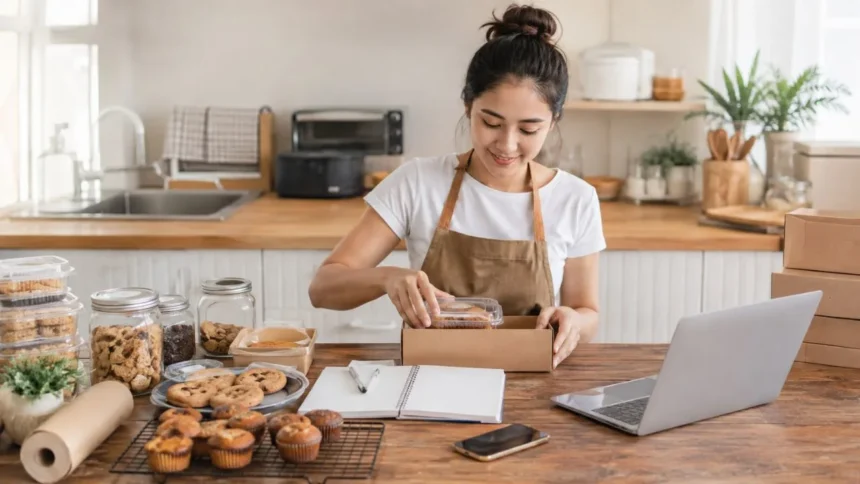
Baked goods are suitable for a low-cost launch when you already own basic baking equipment. Brownies, cookies, cupcakes and loaf cakes can often be produced in batches. They also photograph well, which makes them easier to promote online.
Sell boxes instead of individual pieces whenever possible. A box of six cookies or brownies produces a higher order value and makes delivery more economical. It also gives customers a product that feels suitable for sharing or gifting.
Use a weekly or twice-monthly baking schedule rather than accepting orders every day. Limited production days allow you to combine orders, purchase ingredients efficiently and manage the business around other responsibilities.
Choose recipes with ingredients that can be used across several flavours. One basic cookie dough may support chocolate, nut or caramel variations. Shared ingredients give customers some choice without forcing you to buy a large range of supplies.
Build a Small Catering Model
You can start catering with small office lunches, family gatherings or community events rather than large weddings. Smaller events require less equipment and are easier to manage with limited experience. They also provide useful photographs and testimonials.
Create two or three fixed packages with clear quantities and prices. Standard packages reduce custom planning and help you calculate ingredient requirements. Customers can still request small changes, but the core offer remains controlled.
Require a deposit before confirming the event. Use that payment to purchase ingredients and any disposable serving materials. The remaining balance should be collected according to a written schedule, preferably before or at delivery.
Borrow or rent nonessential serving equipment instead of buying it immediately. Friends, community organisations or rental providers may have trays, warmers or tables available. Purchase your own equipment only when regular catering income justifies it.
Use Free or Borrowed Equipment Carefully
Borrowing equipment can reduce startup costs when you need an item for a specific paid order. You may borrow baking trays, coolers, tables or serving utensils from trusted contacts. Confirm that each item is clean, suitable and safe for food use.
Discuss when the equipment will be returned and who is responsible if it is damaged. Informal arrangements can harm relationships when expectations are unclear. Treat borrowed tools with the same care you would give rented professional equipment.
Do not borrow equipment that you do not know how to operate safely. Commercial mixers, fryers and heating appliances can create serious risks. Use only equipment that matches your skills, available power supply and production environment.
Keep a record of frequently borrowed items. When an item is needed for several profitable orders, purchasing it may become a sensible reinvestment. Let actual business demand determine which equipment you buy first.
Explore Shared and Community Kitchens
A shared commercial kitchen allows several food businesses to use an approved production space at different times. You may be able to rent by the hour rather than paying for a permanent facility. This can reduce one of the largest food startup expenses.
Community centres, religious organisations, training institutes and restaurants may also have licensed kitchens that are unused during certain hours. A respectful partnership proposal could create an affordable arrangement that benefits both parties.
Before agreeing, confirm whether the kitchen is legally approved for your intended products and sales channels. Ask about storage, cleaning, insurance, access hours and inspection responsibilities. A low rental price is not useful if the facility cannot support your activity.
Use pre-orders to schedule kitchen time only when sufficient sales have been confirmed. Combining production into one organised session controls rental costs. As order volume grows, you can negotiate recurring access or consider a dedicated space.
Barter Skills Instead of Paying Cash
Bartering allows two businesses or individuals to exchange useful services without immediate cash payment. For example, you might provide food for a photographer in exchange for product images. A designer may create a simple logo in exchange for a catering tray.
Choose exchanges that solve a genuine business need. You do not need an expensive brand package when you have no customers, but clear product photography or a basic menu may directly support sales. Focus on assets that help generate revenue.
Agree on the value and deliverables before beginning. State exactly what food you will provide and what service you expect in return. Bartering becomes problematic when one person assumes the exchange includes unlimited revisions or additional work.
Record barter transactions as required by the tax rules in your location. An exchange may still have financial or reporting implications even when no money changes hands. Treat the arrangement professionally rather than as an informal favour.
Keep Your Initial Menu Extremely Small
A small menu limits how many ingredients you must purchase and store. It reduces the possibility of spoilage and makes each production session easier to organise. This is especially important when customer payments are funding your first batches.
Choose items that share core ingredients. A chicken filling, for example, might be used in sandwiches and meal boxes without requiring separate inventory. Shared ingredients improve purchasing efficiency and reduce unused leftovers.
Remove items that require unique, expensive ingredients unless customers are willing to pay enough for them. A menu product should earn its place through demand, profit or strategic value. Variety alone is not a sufficient reason to keep it.
Review the menu after every few sales cycles. Expand only when customers request something repeatedly or when an addition uses your current ingredients efficiently. Controlled growth protects the cash you have worked to generate.
Calculate the True Cost Before Setting Prices
List every ingredient used in one complete recipe and calculate its cost. Include small items such as cooking oil, seasoning, sauces and garnishes. Ignoring these ingredients can make your profit appear larger than it actually is.
Add the cost of packaging, labels, bags, delivery and payment fees. Even inexpensive containers become a significant expense when multiplied across many orders. Your customer payment must cover the full cost of fulfilling the sale.
Your time should also influence the price. A customised dessert that requires several hours cannot be priced like a simple batch product. Record how long preparation, cooking, packaging and communication take.
Set a price that covers direct costs and leaves money for business growth. The first orders do not need to generate enormous profit, but they should not create a loss. A business cannot survive by continuously selling below its true cost.
Avoid Competing Only on Low Prices
New food entrepreneurs often charge very low prices because they feel inexperienced. However, underpricing can prevent you from replacing ingredients, improving equipment or paying yourself. It may also attract customers who care only about discounts.
Compete through convenience, quality, reliability or specialisation instead. A simple product delivered consistently may justify a fair price. Customers often value an easy ordering process and dependable service more than the lowest possible amount.
Explain what the customer receives. Mention portion size, freshness, ingredients, customisation or delivery details clearly. Strong value communication helps people understand why your price differs from cheaper alternatives.
Use limited introductory offers carefully. A launch package can encourage trials, but the normal price should remain visible. Avoid creating expectations that every future order will include a large discount.
Use Free Marketing Channels First
You do not need paid advertising to find your first customers. Start with personal contacts, local online communities, workplace groups and neighbourhood pages. A small number of relevant people can produce more sales than thousands of uninterested followers.
Create a simple message that explains what you sell, the price, order deadline and delivery or collection details. Include one clear product photo. Customers should be able to understand the complete offer without asking several basic questions.
Post consistently without overwhelming people with repeated sales messages. Share preparation updates, customer feedback, serving ideas and limited availability. Helpful and honest content builds familiarity before customers decide to order.
Ask satisfied customers for referrals and permission to share their feedback. Personal recommendations are powerful for a local food startup because buyers want reassurance about taste, hygiene and reliability. Delivering a good experience is therefore part of your marketing strategy.
Take Better Food Photos With a Phone
Natural window light can make food look more attractive without professional equipment. Place the product near a bright window and turn off harsh indoor lights. Avoid direct sunlight that creates strong shadows and unrealistic colours.
Use a clean, uncluttered background. A plain table, tray or sheet of paper can keep attention on the product. You do not need expensive decorations that may make the image look artificial or hide the portion size.
Photograph the food from several angles, including an overhead view and a close-up. Show the inside of baked or filled products when texture is important. Customers want to understand what they will actually receive.
Edit brightness and cropping lightly, but do not change the food’s colour or apparent size. Misleading photos can create disappointment and complaints. Accurate, appetising images build stronger long-term trust.
Create a Simple Free Ordering System
A messaging app can serve as your first ordering system. Create a standard format requesting the customer’s name, product, quantity, delivery location and payment status. Consistent information reduces forgotten details and incorrect orders.
Use a free spreadsheet to record every order. Include the production date, customer, amount paid, balance due and fulfilment status. This simple system can prevent confusion when several people order at the same time.
Send each customer a written confirmation. Restate the product, quantity, total price, payment received and collection or delivery time. Ask them to correct any mistake before the ordering deadline.
Separate business messages from casual conversations when possible. A dedicated phone number or business account can improve organisation later. At the beginning, clear labels and records are more important than purchasing expensive ordering software.
Offer Collection Before Adding Delivery
Customer collection can remove one of the largest costs from a small food order. Set a clear pickup location and time window. Grouping collections into a short period helps you avoid waiting throughout the day.
Choose a safe, accessible collection point that does not create problems for neighbours or other businesses. Provide directions only to confirmed customers when operating from home. Privacy and local rules should be considered carefully.
Package and label every order before the customer arrives. A smooth collection experience makes the business appear more professional. It also prevents customers from waiting while you search for their items.
Add paid delivery after you understand the real cost. Delivery fees should cover fuel, travel time and courier expenses. Free delivery can quickly eliminate the profit from a small order.
Partner With Local Businesses
Local cafés, offices, salons, gyms and shops may already serve the audience you want to reach. A partnership can give you access to customers without paying for advertising. The offer should also provide clear value to the partner.
You might supply snack boxes for office meetings or desserts for a café that does not bake. A gym may refer customers to a suitable meal-preparation service. Begin with a small test rather than requesting a long-term commitment immediately.
Prepare a concise proposal showing the product, wholesale or partnership price, minimum quantity and delivery schedule. Business owners are more likely to respond when the offer is clear and easy to evaluate.
Protect your profit when selling through another business. Wholesale prices are usually lower than direct customer prices, but they must still cover your costs. Do not accept high volume that creates a larger financial loss.
Reinvest Every Early Profit
Early profit is the money remaining after ingredients, packaging, delivery and other order expenses have been paid. Keep this money separate from the revenue used to fulfil current orders. Accurate records help you understand what is genuinely available.
Create a reinvestment priority list. Food-safety needs, essential equipment and reliable packaging should come before decorative upgrades. Purchase items that increase capacity, reduce waste or improve customer experience.
You might first buy reusable measuring tools, additional baking trays or better storage containers. Later profits can support a refrigerator, mixer or shared-kitchen rental. Gradual reinvestment allows the business to fund its own growth.
Set aside money for permits, taxes and emergencies as sales increase. Spending every dollar on new equipment can leave the business unable to handle a repair or regulatory fee. Financial stability is also a form of growth.
Explore Grants and Community Support
Local governments, charities, business centres and development organisations may offer training, competitions or small startup grants. Program availability and eligibility differ widely, so research opportunities in your own region.
Some programmes provide resources rather than cash. Free workshops, mentoring, shared workspace or market-stall access can reduce startup expenses. These benefits may be as useful as a small financial award.
Prepare a clear explanation of your concept, target customer and expected use of funds. Grant providers usually want to see a practical plan rather than a general desire to open a food business. Evidence from paid test orders can strengthen your application.
Never pay large upfront fees to access a supposed guaranteed grant. Genuine funding opportunities do not promise automatic approval. Read every condition carefully and protect personal and financial information.
Use Crowdfunding Only With a Clear Offer
Crowdfunding allows supporters to contribute money toward a business idea, often in exchange for rewards. It can work when you already have an engaged community and a convincing reason for people to support the launch.
Create specific rewards such as prepaid product boxes, tasting invitations or launch vouchers. The reward cost must be included in your funding target. Raising money is not helpful if fulfilling the promises consumes the entire amount.
Explain exactly how the funds will be used. Customers are more likely to support equipment, licensing or a clear production goal than an undefined request for startup money. Transparency helps build trust.
Do not rely on crowdfunding as your only plan. Successful campaigns require promotion, communication and fulfilment. Pre-orders on a smaller scale may be easier when you are still building an audience.
Ask Family or Friends for Orders, Not Donations
Support from friends and family can help, but asking them to purchase your product creates more useful validation than requesting donations. A paid order tests your price, packaging and fulfilment process.
Encourage honest feedback rather than automatic praise. Ask whether they would reorder at the same price and what part of the experience needs improvement. Constructive criticism can protect you from larger public mistakes.
Avoid pressuring people to buy simply because they know you. Your business needs customers who genuinely want the food. Personal support should help you reach the market rather than temporarily hide weak demand.
Keep money arrangements professional. Record payments and deliver orders as promised. Treating early supporters like real customers establishes habits that will help when the business grows.
Follow Food Safety Rules From the Beginning
A small budget does not reduce your responsibility to provide safe food. Learn correct storage, cooking, cooling, reheating and cleaning practices for your products. Unsafe shortcuts can harm customers and permanently damage your business.
Separate raw ingredients from ready-to-eat food and use clean equipment. Monitor refrigeration and cooking temperatures where necessary. Do not sell food that has been stored under uncertain or unsafe conditions.
Identify allergens in each recipe and communicate them accurately. Check labels whenever an ingredient brand changes because the allergen information may also change. Never promise that a product is completely allergen-free unless your process can support that claim.
Do not use damaged packaging, expired ingredients or unsuitable containers to save money. Low-cost production should come from efficient planning, not reduced safety. Customer health must remain more important than completing an order.
Check Home Food Business Regulations
Many locations allow certain foods to be prepared and sold from home, but the rules vary. Some areas permit low-risk baked goods while restricting meat, dairy, cooked meals or products requiring refrigeration.
Contact the relevant local authority and describe exactly what you intend to sell. Ask about registration, food-handler training, inspections, labelling, zoning and permitted sales channels. General advice from another food seller may not apply to your product.
Do not sign a large contract or accept hundreds of orders before confirming compliance. A business can lose customers and money if authorities require it to stop operating unexpectedly.
Include regulatory costs in your growth plan. Customer deposits should fund ingredients, but early profits may need to cover licenses or approved production space. Compliance is an investment in the future of the business.
Keep Personal and Business Money Separate
Even when the business is small, record every payment and expense. A simple spreadsheet or notebook can show whether sales are producing profit. Without records, you may mistake incoming customer money for personal earnings.
Use a separate bank account or digital wallet when possible. This makes it easier to track customer payments, ingredient purchases and business savings. It also reduces the chance of spending money needed for confirmed orders.
Pay yourself only after order costs and required reserves have been covered. During the earliest stage, you may choose to reinvest most of the profit. Record this decision so you understand the value the business is creating.
Review your numbers after each sales cycle. Identify which product generates the best profit and which expense is increasing. Financial visibility helps you make decisions without depending on guesswork.
A Seven-Day No-Money Food Business Test
On the first day, choose one food product that matches your skills and available equipment. Define the ideal customer, portion size and reason they would buy. Avoid spending money on logos, packaging designs or equipment.
During the next two days, calculate the product cost and create one sample using ingredients already available when practical. Take clear photographs and ask target customers for specific feedback about the offer and expected price.
On days four and five, announce a limited pre-order batch with a payment deadline. Accept only the quantity you can safely manage. Purchase ingredients after enough paid orders have been confirmed.
Use days six and seven to prepare, package and fulfil the orders. Ask customers whether they would purchase again and record every expense. This one-week test will provide more useful information than months of planning without sales.
A 30-Day Bootstrapped Launch Plan
During the first week, research customer needs and choose one product. Calculate costs, confirm legal requirements and test the recipe. Your goal is to create a clear offer rather than a complete brand.
In the second week, collect a small number of paid pre-orders. Deliver the product, request feedback and measure profit. Fix any problem involving taste, portions, packaging or communication.
During the third week, repeat the improved offer and ask satisfied customers for referrals. Approach one local organisation or business that serves your target audience. Continue using advance payments to fund production.
In the final week, review sales, repeat orders and expenses. Reinvest the profit in the most important operational improvement. Decide whether to continue, adjust the product or test another audience based on evidence.
Common Mistakes When Starting Without Money
The first mistake is offering too many products. A large menu increases ingredient costs and makes pre-order production difficult. Begin with a small range that you can price and prepare accurately.
Another mistake is accepting orders without deposits or advance payment. Customers may cancel after you have purchased ingredients. Clear payment terms reduce this risk and help you protect limited cash.
Some owners confuse revenue with profit and spend customer money too soon. Every order must first pay for ingredients, packaging and delivery. Only the remaining amount can support growth or personal income.
Finally, many people delay selling because they want perfect branding. A basic name, clear photo and reliable product are enough for an early test. Customers care more about taste, value and service than an expensive logo.
How to Know When You Are Ready to Grow
Growth becomes appropriate when customers reorder, referrals increase and your current capacity is regularly full. One successful batch is encouraging, but consistent demand is a stronger reason to invest.
Review whether a purchase will solve an actual bottleneck. A larger oven may increase profitable production, while decorative furniture may not create additional sales. Spend money where it improves efficiency or customer experience.
Confirm that your pricing remains profitable at higher volume. More orders can increase waste, labour and delivery complexity. Growth should improve the business rather than simply make you busier.
Expand gradually by adding production days, increasing batch size or introducing one new product. Measure the results before taking the next step. Sustainable growth is easier to control than a sudden expansion financed by debt.
Final Thoughts
You can start a food business with no money by using customer-funded production rather than purchasing inventory in advance. Pre-orders, deposits and food services allow you to test demand with limited personal financial risk.
The strongest starting point is one product, one audience and one clear sales channel. Use equipment you already have, market through free local platforms and keep production within your current capacity.
Food safety, legal compliance and accurate costing must still be taken seriously. No-money startup methods should remove unnecessary expenses, not encourage unsafe or unprofessional shortcuts.
Use each profitable order to fund the next stage. With consistent quality, careful records and disciplined reinvestment, a small pre-order experiment can gradually become a sustainable food business.
Frequently Asked Questions
Can I really start a food business with no money?
You can begin without a large personal investment by collecting pre-orders or deposits before buying ingredients. Some legal, packaging or production costs may still need to be covered.
What food business is cheapest to start?
Pre-order baking, lunch subscriptions, snack boxes and in-home meal preparation can have low startup costs. The best option uses skills and equipment you already possess.
How can I buy ingredients without startup money?
Collect advance payment from confirmed customers and use part of it to purchase the required ingredients. Keep clear records and never spend customer funds on unrelated expenses.
Can I sell food from my home?
Home food sales may be allowed, but local rules determine which products and sales methods are permitted. Check registration, zoning, labelling and food-safety requirements first.
How do I find my first food customers for free?
Start with local contacts, workplace groups, community pages and referrals. Present one clear offer with a price, ordering deadline, product photo and collection or delivery details.