
Shelf Decor Ideas for a Beautiful Styled Display
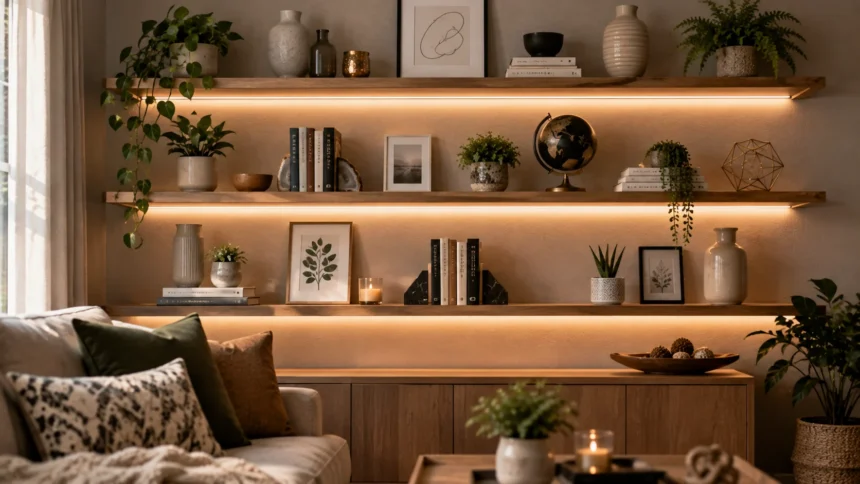
Shelves can easily become one of the most attractive features in a room when they are styled with intention rather than filled randomly. Whether you are decorating floating shelves, a bookcase, built-in shelving, or a small wall ledge, the right arrangement can add personality without making the room feel cluttered. Successful shelf decor combines function, color, shape, texture, and negative space so every object has room to contribute to the overall look.
The most appealing shelf styling often feels effortless, but there is usually careful thought behind the placement. Books, ceramics, framed photos, plants, candles, baskets, and decorative objects need to relate to one another in size and visual weight. Instead of focusing on individual items, it helps to think of the shelf as one complete composition. This approach creates a display that feels balanced rather than like a collection of unrelated accessories.
Modern shelf decor trends increasingly favor personal, layered displays instead of perfectly matched accessories. Vintage finds can sit beside contemporary objects, natural materials can soften clean shelving, and meaningful pieces can be mixed with practical storage. Warm neutrals, sculptural shapes, textured ceramics, greenery, and curated books are especially effective because they create interest without overwhelming the room.
The best shelf decor ideas also reflect how the room is actually used. Living room shelves may combine books and decorative objects, while kitchen shelves might display attractive everyday essentials. Bedroom shelves can feel softer and more personal, while office shelves can blend storage with professional style. The goal is not to copy a showroom but to create a beautiful styled display that feels connected to your home and lifestyle.
Start With a Clear Shelf Before Decorating
Before adding any shelf decor, remove everything and start with a completely clear surface. This allows you to see the actual proportions of the shelf and understand how much space is available. It is much easier to create a balanced arrangement when you are not trying to work around objects that have accumulated over time. Starting fresh also helps you decide which pieces genuinely deserve to remain on display.
Once the shelf is empty, review the objects you are considering and separate them by type, size, and color. Group books together, place ceramics in one area, collect framed pieces, and identify decorative objects with similar materials. This makes it easier to see whether you have too many small items or not enough visual variety. You may discover that some pieces work better elsewhere in the room.
Avoid feeling that every object you own needs to appear on the shelf. A successful styled display depends as much on editing as it does on adding decor. Choose items that are attractive, meaningful, useful, or connected to the overall design. If something does not contribute visually or functionally, storing it elsewhere can make the remaining arrangement feel much stronger.
Cleaning the shelf itself is also important before styling begins. Dust, marks, and clutter can reduce the impact of even beautiful accessories. Wipe the surface, clean any glass, and check the condition of brackets or shelf edges. A clean foundation helps the final arrangement feel polished and makes every object look more intentional once it is returned.
Choose a Simple Color Palette for Shelf Decor
A consistent color palette is one of the easiest ways to make shelf styling look cohesive. You do not need every object to match, but repeating two or three dominant colors can connect different items visually. Neutral shades such as cream, beige, black, brown, white, and muted green often work well because they create a calm foundation that can support more decorative pieces.
Look at the colors already present in the room before deciding what to display. If the furniture includes warm wood tones, repeating those tones through frames, baskets, or ceramics can create continuity. If the room has blue or green accents, introducing similar colors through books, artwork, or decorative glass can help the shelves feel naturally integrated into the surrounding design.
Strong colors can still work beautifully when used in smaller amounts. A bright vase, colorful book spine, or bold artwork can become a focal point when the surrounding decor is quieter. Limiting the number of saturated colors prevents the shelves from becoming visually chaotic. The eye should notice a few deliberate accents rather than several unrelated competing shades.
You can also use tonal styling, where several shades of the same color family appear across the display. Cream, taupe, caramel, and warm brown can create a sophisticated neutral shelf, while olive, sage, and deep green can produce an organic look. Tonal arrangements feel layered and interesting without requiring dramatic contrast.
Mix Objects of Different Heights
One of the most common shelf styling mistakes is using objects that are all roughly the same height. When everything sits at one level, the display can feel flat and predictable. Mixing tall, medium, and short objects creates movement and encourages the eye to travel across the shelf. This variation makes even a small collection feel more visually interesting.
Use taller items such as vases, framed artwork, candlesticks, or plants as anchors. Medium-height objects can include stacked books, bowls, or decorative containers, while smaller pieces fill controlled gaps. The goal is to create a gentle visual rhythm rather than a perfectly even line. Uneven heights help the composition feel natural and professionally styled.
Avoid placing all the tall items on one side unless you are intentionally creating an asymmetrical design. Spread visual weight across the shelf so one area does not feel excessively heavy. A tall vase on the left can be balanced by stacked books and a framed piece on the right. Balance does not require identical objects, only a similar sense of visual presence.
Height can also be created by stacking. A small decorative object may look insignificant when placed directly on the shelf but become more noticeable when positioned on top of two or three books. This technique allows you to vary elevation without purchasing new decor and creates a more layered, collected appearance.
Use Books as Decorative Anchors
Books are one of the most versatile elements in shelf decor because they provide color, height, texture, and structure. They can be arranged vertically for a traditional look or stacked horizontally to create platforms for smaller objects. A combination of both directions usually creates a more relaxed and interesting composition than lining up every book in the same way.
Choose books that you actually enjoy or that relate to your interests whenever possible. Design books, travel books, novels, photography collections, and cookbooks can all contribute visually while remaining meaningful. Shelves feel more authentic when the books reflect the people who live in the home rather than serving only as color-coordinated accessories.
Horizontal stacks are especially useful for elevating smaller decorative pieces. Place a candle, bowl, small sculpture, or framed photo on top to create height and define a little vignette. Keep stacks relatively controlled so they remain stable and do not dominate the shelf. Two to four books are often enough to create the desired effect.
Do not feel required to turn all book spines backward simply to create a neutral appearance. While this technique may look minimal, it makes books harder to identify and can remove some personality. A better approach is to select books with visually compatible spines or mix neutral covers with a few stronger colors for a natural, practical display.
Add Greenery for Freshness and Texture
Plants can immediately make shelf decor feel more alive because they introduce natural color and organic shapes. Small potted plants work well on bookcases, floating shelves, kitchen shelving, and office displays. Greenery also softens straight shelf edges and hard materials, which can help a room feel warmer and more comfortable.
Choose plants according to the actual light available around the shelf. Some houseplants need bright indirect light, while others tolerate lower-light conditions. Selecting the right plant reduces maintenance and prevents the display from becoming disappointing when greenery struggles to survive. Artificial plants can also work when natural light is extremely limited.
Trailing plants are particularly effective on higher shelves because their stems create movement and soften the structure of the shelving. Place them near an edge where they can fall naturally without covering important objects. Upright plants can work as taller anchors and provide visual balance when paired with shorter books or decorative pieces.
Keep plant containers consistent with the overall color palette. Ceramic, terracotta, stone, or woven planters can introduce additional texture without distracting from the greenery. Avoid placing too many plants on every shelf, since this can make the display feel repetitive. One or two carefully positioned plants are often enough to create freshness.
Style Shelves With Decorative Ceramics
Ceramics are ideal for shelf styling because they introduce shape, texture, color, and handcrafted character. Vases, bowls, pitchers, jars, and sculptural vessels can add interest even when they are not being used functionally. Their curved forms are particularly useful for softening shelving dominated by rectangular books, frames, and boxes.
Mix ceramic pieces with slightly different shapes rather than choosing an entire matching set. A rounded vase can sit beside a low bowl or a narrow bottle-shaped vessel to create visual variation. Repeating a similar glaze or color across several pieces keeps the collection cohesive without making it feel overly coordinated.
Handmade or irregular ceramics can create additional character because small imperfections make the display feel more personal. Matte finishes, subtle texture, and natural glazes work especially well in warm modern, rustic, Scandinavian, and organic interiors. Highly polished or colorful ceramics can create stronger contrast in more contemporary spaces.
Avoid placing several ceramic pieces directly beside one another unless they are intentionally grouped as a collection. Breaking them up with books, artwork, or greenery helps each item stand out more clearly. A few well-positioned ceramics often create greater visual impact than an entire shelf filled with similar objects.
Use Framed Art to Add Personality
Framed artwork does not always need to hang on the wall. Leaning smaller frames against the back of a shelf creates depth and allows artwork to become part of the display. This method works especially well with floating shelves, built-in bookcases, picture ledges, and deep shelving where frames can sit securely behind other objects.
Choose artwork that introduces color, texture, or subject matter that relates to the room. Abstract prints, botanical illustrations, landscapes, photography, and sketches can all work effectively. Mixing one or two artistic styles is usually enough to create interest without making the shelving feel like a crowded gallery wall.
Layer smaller objects in front of framed art to create dimension. A ceramic bowl, candle, or stack of books can partially overlap the lower edge without hiding the main image. This layered approach makes the shelf feel collected and creates a sense of depth that flat, evenly spaced arrangements often lack.
Frame finishes should connect with other elements in the room. Wood frames can complement natural furniture, black frames provide modern definition, and brass or metallic frames add warmth. You do not need every frame to match, but repeating one or two finishes helps maintain visual consistency across the entire shelf display.
Create Small Groups Instead of Spreading Everything Out
Grouping objects into small clusters can make shelf decor feel more organized. Rather than placing one accessory every few inches, create distinct arrangements of two or three items. These small groups give the eye clear areas to focus on and prevent the shelf from feeling like a random line of unrelated decorative pieces.
A simple group might include a stack of books, a small ceramic object, and a framed print. Another could combine a vase, candle, and decorative bowl. Vary the height, shape, and texture within each grouping so the pieces complement rather than duplicate one another. The group should feel connected but not perfectly matched.
Leave some open space between groups. This negative space separates one arrangement from another and helps individual objects become more noticeable. If every section is filled, the shelf loses visual rhythm and can quickly become tiring to look at. Empty space is an important design element rather than unused room.
Odd-numbered groupings often feel natural because they create asymmetry without appearing unbalanced. Groups of three are particularly easy to style, although pairs can work well when the objects differ in scale. The goal is not to follow a strict numerical rule but to create compact compositions that feel intentional.
Leave Negative Space Between Objects
One of the simplest ways to make shelves look more sophisticated is to leave parts of them empty. Negative space gives decorative pieces room to stand out and prevents the display from becoming visually exhausting. It also creates a stronger sense of order because the eye can distinguish individual groups instead of seeing one continuous line of clutter.
The amount of open space depends on the size of the shelving and the style you want to achieve. Minimalist shelves may leave large areas completely clear, while more eclectic displays can use smaller gaps between groups. Even richly layered shelves benefit from some breathing room around important pieces.
Negative space is particularly important when the shelf contains bold artwork, colorful books, or sculptural objects. These items already create strong visual interest and do not need additional accessories placed directly beside them. Allowing space around a statement piece makes it feel more significant and intentional.
Do not assume an empty area means the shelf is unfinished. A balanced display should feel complete even when every inch is not occupied. Editing a shelf often improves it more than adding another object. When in doubt, remove one or two pieces and see whether the arrangement becomes easier to appreciate.
Decorate With Baskets and Decorative Boxes
Baskets and decorative boxes can keep shelves organized while still contributing to the overall design. They are especially useful for hiding small items that would otherwise create visual clutter, such as chargers, paperwork, toys, craft supplies, or miscellaneous household objects. Functional storage can become part of the decor when materials and colors are chosen carefully.
Woven baskets bring natural texture and work particularly well with wood shelves, neutral interiors, and relaxed decorating styles. Fabric bins can create a softer look, while structured boxes suit modern offices and minimalist spaces. Choose containers that fit comfortably on the shelf without appearing squeezed into the available area.
Use similar containers for repeated storage areas to create visual consistency. A row of matching baskets along a lower shelf can look intentional while hiding less attractive belongings. Upper shelves can then remain more decorative, creating a balance between practical storage and styled display.
Avoid using too many different basket styles or boxes with unrelated patterns. Even organized storage can look cluttered when every container has a different color, shape, and material. Repeating one or two finishes creates a calmer background and allows decorative objects elsewhere on the shelves to receive more attention.
Mix Old and New Decor Pieces
Combining vintage and contemporary pieces can make shelf decor feel collected rather than newly purchased as a matching set. An old ceramic vessel, vintage camera, antique book, or inherited object can sit beside a modern vase or minimalist sculpture. This contrast gives the shelving more character and prevents the display from looking overly staged.
Look for a connecting detail when mixing different periods. Similar colors, materials, or proportions can help unrelated pieces feel compatible. A vintage brass object may coordinate with a modern brass frame, while an old wooden box can relate naturally to contemporary wood shelving. These subtle relationships keep the arrangement cohesive.
Vintage pieces are particularly useful for introducing unusual shapes and patina. Objects that show age often bring warmth to newer interiors and can soften sleek furniture. Flea markets, thrift shops, antique stores, and family collections can all provide unique items that make the shelf feel more personal.
Do not force vintage objects into the arrangement simply because they are old. Every piece should still contribute to the display. A meaningful object that looks visually awkward may work better somewhere else. The strongest styled shelves combine sentiment and design without sacrificing either one.
Use Sculptural Objects as Focal Points
Sculptural objects add three-dimensional interest and can become focal points within shelf decor. Abstract forms, carved wood, stone objects, metal pieces, and small artistic figures can break up predictable arrangements of books and frames. Their unusual shapes help create movement and make a display feel more distinctive.
Use sculptural pieces selectively so they remain special. One strong object on a shelf can have more visual impact than several smaller sculptures competing with one another. Position it where there is enough open space around it and avoid surrounding it with accessories of similar size.
Texture can make sculptural decor especially effective. Matte stone, rough wood, polished metal, and smooth ceramic each reflect light differently and add depth. Mixing one strong texture with quieter materials nearby helps create contrast without making the shelf feel overly complicated.
A sculptural object does not need to be expensive or purely decorative. A uniquely shaped vase, vintage tool, handmade bowl, or architectural fragment can serve the same purpose. The important factor is that the shape adds something visually different from the rectangular forms usually created by books and shelving.
Add Candles for Warmth and Atmosphere
Candles can bring warmth to shelves through both their shape and the atmosphere they create. Decorative candles, candle holders, and lantern-style pieces can soften bookcases and floating shelves, particularly in living rooms and bedrooms. They also provide an opportunity to introduce subtle color or metallic finishes without adding large objects.
Vary candle heights to prevent the display from looking too uniform. A tall taper holder can balance stacked books, while a low candle can sit beside a ceramic bowl. Grouping two candle forms with a third contrasting object often creates a simple and effective shelf vignette.
Safety should always influence placement. Avoid burning candles directly beneath shelves, near books, plants, fabric, or other flammable decor. In many shelf arrangements, using candles as decorative objects without lighting them may be the safer option. Flameless LED candles can provide a similar evening glow where open flames are unsuitable.
Choose fragrances carefully if scented candles are part of the display. Strong competing scents can become overwhelming, particularly in smaller rooms. One subtle fragrance is usually enough. Unscented candles can provide the same visual warmth when scent is unnecessary or household members prefer a neutral environment.
Style Living Room Shelves With Balance
Living room shelves are often highly visible, so they should complement the larger furniture rather than compete with it. Start by repeating colors or materials already present in the sofa, rug, coffee table, or lighting. This creates visual continuity and makes the shelf feel integrated into the room rather than treated as a separate display.
Use a combination of books, artwork, ceramics, plants, and personal objects to create variety. Avoid repeating the exact same arrangement on every shelf. One level might feature books and a vase, while another contains framed art and a sculptural object. Variation keeps the overall display interesting.
Consider the visual weight of the entire bookcase, not just individual shelves. If one side contains several large dark objects, balance the opposite side with items of similar presence. The objects do not need to match, but the overall shelving should feel stable rather than heavily weighted toward one area.
Keep heavily used items within easy reach and reserve higher shelves for purely decorative objects. This makes the display both attractive and practical. Living room shelf decor is most successful when it looks styled without becoming inconvenient for everyday life.
Decorate Kitchen Shelves With Useful Objects
Open kitchen shelves work best when practical objects are treated as part of the decor. Plates, bowls, mugs, glassware, cookbooks, jars, and wooden cutting boards can create a beautiful display while remaining accessible for daily use. This approach keeps shelving useful instead of turning valuable kitchen space into purely decorative storage.
Group similar items together to create visual order. Stacks of white dishes, rows of clear glasses, or several wooden boards can look intentional when arranged neatly. Repeating materials and colors prevents functional objects from appearing messy and makes the shelving easier to maintain.
Add one or two decorative elements to soften the practical display. A small plant, ceramic vase, framed print, or bowl of frequently used produce can introduce personality. Avoid adding too many fragile or unnecessary objects because kitchen shelves often need regular cleaning and easy access.
Place heavier or frequently used items on lower shelves where they are easier to reach. Decorative objects and less frequently used serving pieces can sit higher. Styling kitchen shelves around actual cooking habits helps maintain the display over time instead of creating an arrangement that looks good only immediately after decorating.
Create Calm Bedroom Shelf Decor
Bedroom shelf decor should support a restful atmosphere rather than adding excessive visual stimulation. Use a restrained palette and choose objects that feel personal but calming. Books, framed photographs, small plants, candles, ceramics, and simple artwork can create warmth without making the bedroom feel crowded.
Keep the number of objects relatively limited, particularly on shelves close to the bed. Clutter can make a sleeping space feel less peaceful, even when the items themselves are attractive. Leaving visible gaps between groups creates a calmer visual rhythm and makes the room easier to maintain.
Soft textures and warm materials work particularly well in bedrooms. Woven baskets, pale wood, matte ceramics, linen-covered boxes, and muted artwork can create a comfortable atmosphere. These elements feel softer than highly reflective surfaces or bright decorative objects and work well with bedding and textiles.
Use shelves to display a few meaningful items rather than turning them into general household storage. A favorite photograph or book can make the room feel personal without creating clutter. If additional storage is necessary, use matching boxes or baskets to keep miscellaneous items hidden from view.
Style Bathroom Shelves Beautifully
Bathroom shelves need to balance decoration with practical storage. Towels, toiletries, skincare products, and grooming essentials often need to remain accessible, but they can still be arranged attractively. Grouping similar items and using coordinated containers immediately creates a more organized and intentional appearance.
Fold or roll towels neatly and place them in small stacks or baskets. Matching jars and dispensers can hold frequently used products without creating visual clutter. Removing unnecessary packaging from appropriate items can also make open shelving look calmer, provided products remain clearly identifiable and safely stored.
Add a few moisture-tolerant decorative elements such as a small plant, ceramic tray, candle, or framed print. These details help the bathroom feel less purely functional. Avoid using delicate materials that may deteriorate in humidity or placing valuable objects where they may be exposed to water.
Keep shelves easy to clean by limiting the total number of objects. Bathrooms naturally collect dust, moisture, and product residue, so heavily decorated shelves can become difficult to maintain. A simple combination of attractive necessities and a few decorative pieces often creates the best result.
Decorate Home Office Shelves Professionally
Home office shelves can combine professional organization with personal style. Start with practical items such as books, folders, and storage boxes, then add a limited number of decorative objects. The result should support work while making the space feel more inviting than a purely corporate environment.
Coordinate storage containers so paperwork and office supplies do not create visual chaos. Similar boxes, magazine files, and folders create consistency even when their contents differ. Closed storage is particularly useful for hiding items that are necessary but not attractive enough to remain visible.
Add personality through artwork, framed photographs, plants, or objects connected to your profession and interests. These details can make the office feel more motivating and provide an appealing background for video calls. Keep highly personal or distracting items controlled if the shelves regularly appear on camera.
Leave enough empty shelf space for future work materials. An office display that is completely full becomes difficult to use as projects and documents accumulate. Maintaining some flexibility allows the shelving to remain functional while still looking professionally styled.
Style Floating Shelves Without Overcrowding Them
Floating shelves naturally create a light and modern look, but they can lose that advantage when overloaded with decor. Begin with fewer objects than you think you need and gradually add pieces only where the arrangement feels incomplete. This helps maintain the open appearance that makes floating shelves appealing.
Use the length of the shelf to create one or two main groups rather than distributing many small objects evenly. A framed print leaning behind books on one side can be balanced by a plant or vase on the other. The center does not always need to contain another accessory.
Check the weight limits before adding large books, ceramics, or planters. Floating shelves depend on secure installation and appropriate wall anchors, so practical safety matters as much as appearance. Heavy objects should be distributed carefully and positioned where the shelf structure can support them.
When several floating shelves are stacked vertically, avoid repeating the same arrangement on each one. Vary the position of tall objects and open spaces so the overall display feels dynamic. The shelves should relate to one another while still having individual visual character.
Decorate Built-In Shelves Like a Designer
Built-in shelves can dominate a room, so the entire unit needs to be treated as one large composition. Start by distributing larger objects and books across the shelving before filling smaller gaps. This establishes visual balance and prevents one side from appearing much heavier than the other.
Use a combination of horizontal and vertical book arrangements to break up repetitive lines. Place artwork or decorative objects in some sections to create breathing room. If every shelf contains tightly packed books, the built-ins can feel like storage rather than an intentional design feature.
Consider painting or wallpapering the back of the shelves for additional depth. A darker background can make lighter ceramics and books stand out, while subtle wallpaper can introduce pattern. This technique can transform basic built-ins without requiring significant structural changes.
Maintain consistency through repeated colors, materials, or object types. A few wood pieces, black frames, and cream ceramics distributed throughout the unit can create cohesion. Repetition helps the eye move across a large built-in display and makes varied objects feel connected.
Style Corner Shelves Effectively
Corner shelves can turn an awkward or unused part of the room into a useful decorative feature. Because these shelves are usually smaller, each object needs to be chosen carefully. A compact plant, small stack of books, vase, or framed photo may be enough to create interest without making the corner feel crowded.
Use vertical height to make the corner feel intentional. Place taller objects on one shelf and shorter groups on another to create movement. If every level looks identical, the display can feel repetitive. Variation helps the shelving feel more connected to the rest of the room.
Keep objects relatively light in visual weight, especially in very small corners. Large dark accessories can make the area appear cramped. Neutral ceramics, greenery, glass, or pale wood can maintain an open feeling while still adding decoration.
Corner shelves work particularly well in bathrooms, kitchens, bedrooms, and small apartments where floor space is valuable. Because they combine function and decoration, they can provide useful storage without requiring an additional cabinet or table.
Use Seasonal Decor Without Redesigning Everything
Seasonal shelf styling can refresh a room without requiring a complete decorating change. Instead of replacing every object, switch only a few small elements such as greenery, candles, artwork, or decorative textiles. Keeping the main books, frames, and ceramics in place makes seasonal updates easier and more affordable.
During warmer months, lighter colors, fresh greenery, simple glass pieces, and botanical artwork can make shelves feel brighter. In cooler seasons, textured objects, darker tones, warmer woods, and candles can create a cozier atmosphere. These changes can be subtle while still making the display feel refreshed.
Avoid using too many obvious seasonal decorations if you prefer a timeless look. A small number of well-placed accents usually feels more sophisticated than covering every shelf with themed items. Seasonal styling works best when it complements the existing decor instead of replacing it.
Store seasonal accessories together so they are easy to rotate throughout the year. This prevents new decorations from accumulating permanently on the shelves. Rotating a limited collection can keep the room interesting while maintaining the clean and balanced appearance of the original arrangement.
Make Small Shelves Look Stylish
Small shelves need careful editing because limited space can become cluttered quickly. Instead of trying to display several objects, choose one strong piece or a compact group of two or three items. A small shelf often looks more intentional when it has a clear focal point rather than multiple competing accessories.
Scale the objects to the shelf rather than using items designed for a large bookcase. Small framed art, compact ceramics, short book stacks, and miniature plants can work well. Avoid objects that extend too far beyond the shelf edges or make the arrangement feel unstable.
Use vertical layering where possible. Lean a small frame behind a candle or place a decorative object on a short stack of books. Layering creates depth without requiring additional horizontal space, making a small shelf feel more thoughtfully styled.
Leave at least some visible shelf surface around the objects. Empty space keeps the display from looking overcrowded and makes cleaning easier. Small shelves can create strong visual impact precisely because their limitations encourage a more focused and edited arrangement.
Style Shelves on a Budget
Beautiful shelf decor does not require expensive accessories. Start by shopping your own home and looking for books, bowls, jars, frames, baskets, or objects that could work in a new location. Moving familiar items between rooms can completely change how they look and cost nothing.
Thrift stores and secondhand markets can be excellent sources for shelf decor. Vintage ceramics, old books, wooden boxes, candlesticks, small artwork, and interesting containers often cost less than new decorative accessories. Mixing these finds with modern items can create a more personal and collected look.
DIY projects can also add character. Paint old frames, cover storage boxes with fabric or paper, create simple artwork, or update small decorative objects with a new finish. Simple changes can make inexpensive items coordinate more closely with your preferred color palette.
Spend selectively on one or two pieces that create significant visual impact rather than purchasing many small inexpensive accessories. A beautiful vase, artwork, or sculptural object can anchor the display while more affordable pieces support it. Thoughtful composition matters more than the total cost of the items.
Create a Minimalist Shelf Display
Minimalist shelf decor focuses on fewer objects, strong shapes, and intentional negative space. Instead of filling each level, select a limited number of pieces that have visual or personal value. This creates a calm appearance and allows individual objects to receive more attention.
Choose accessories with simple forms and a restrained color palette. Neutral ceramics, a small number of books, sculptural objects, and greenery work particularly well. Repeating similar materials creates cohesion without requiring identical pieces.
Scale becomes especially important when fewer objects are used. One substantial vase may work better than several tiny accessories because it can hold visual space independently. Larger pieces also help prevent minimalist shelving from appearing unfinished or accidentally empty.
Minimalism does not mean removing personality. A meaningful artwork, favorite book, or travel object can still become part of the display. The difference is that each piece is given enough surrounding space to feel intentional rather than becoming one object among many.
Create an Eclectic Shelf Display
Eclectic shelf styling allows more variety in color, texture, age, and object type. Books can sit beside vintage finds, modern ceramics, framed art, souvenirs, and plants. The challenge is creating enough connection between these objects that the display feels collected rather than chaotic.
Use repeated colors or materials to tie different pieces together. A brass frame can relate to a vintage candlestick, while green artwork can connect visually with plants and book covers. These small repetitions help create order even when the individual objects come from very different styles.
Vary height and shape more freely than you would in minimalist styling. Eclectic displays benefit from unexpected combinations, such as placing an antique object beside a contemporary sculpture. However, negative space remains important because even richly layered shelves need areas where the eye can rest.
Personal meaning is particularly valuable in eclectic interiors. Travel objects, inherited pieces, books, and handmade items can become part of the story of the room. When the display reflects real interests rather than random trends, the eclectic style feels more authentic and visually engaging.
Avoid Common Shelf Styling Mistakes
One of the most common mistakes is using too many small objects. A shelf filled with miniature decor can look cluttered even when every item is attractive. Mixing larger objects with smaller pieces creates better visual hierarchy and reduces the feeling that the shelf is simply storing miscellaneous accessories.
Another mistake is placing objects at equal distances from one another. Perfectly even spacing often makes the arrangement feel stiff and unnatural. Grouping some items together while leaving larger areas open creates more interesting rhythm and makes the shelf feel intentionally styled.
Using the same height throughout the display can also make shelving look flat. Tall artwork, medium vases, short book stacks, and low bowls provide variation and movement. Different heights help guide the eye from one section to another instead of creating one repetitive horizontal line.
Finally, avoid decorating entirely according to trends. A shelf filled with generic accessories may look fashionable for a short period but lack personality. Mixing current design ideas with meaningful books, photographs, and collected objects creates a display that feels more distinctive and remains relevant longer.
How to Style Shelves Like an Interior Designer
Begin by placing the largest objects first because they establish the visual structure of the shelf. Large artwork, baskets, vases, and substantial book stacks can act as anchors. Once these pieces are positioned, smaller objects can be added around them to create supporting groups.
Step back frequently instead of styling only from close range. Shelves need to work as part of the whole room, so check how the arrangement looks from the doorway, sofa, dining table, or other normal viewing positions. This makes it easier to spot areas that feel too heavy, crowded, or empty.
Repeat colors, textures, and materials throughout the shelving rather than concentrating similar objects in one section. If you use brass, wood, greenery, and cream ceramics, distribute those elements across different levels. Repetition creates visual movement and ties the display together.
Finish by removing at least one item from any area that feels uncertain. Shelf styling often improves through editing rather than continued addition. When the remaining objects have clear space around them and the overall composition feels balanced, the display will appear more polished and intentional.
Keep Shelf Decor Easy to Maintain
Beautiful shelf decor should remain practical enough to clean and organize regularly. Extremely crowded displays collect dust and require significant effort to maintain. Leaving space between objects makes wiping surfaces easier and reduces the need to move dozens of accessories during normal cleaning.
Choose materials appropriate for the room. Bathroom shelves need moisture-resistant objects, kitchen shelving should tolerate grease and frequent cleaning, and children’s rooms may require durable or unbreakable decor. Designing for the actual environment prevents the display from becoming inconvenient over time.
Avoid constantly adding new accessories without removing older pieces. Shelves can slowly become cluttered because each new object feels insignificant on its own. Periodically review the display and rotate items that no longer contribute to the arrangement.
A practical shelf can still be beautifully styled. When storage, decorative objects, and empty space are balanced, the display becomes easier to live with every day. Good shelf styling should enhance the room without creating another area that requires constant attention.
Final Thoughts on Shelf Decor
Beautiful shelf decor comes from balance rather than simply owning attractive accessories. Books, artwork, greenery, ceramics, baskets, and personal objects can all work together when their colors, shapes, and proportions relate to one another. Creating a successful display requires thinking about the shelf as one composition instead of styling each item independently.
Start with fewer pieces and build gradually. Large objects can create visual anchors, while smaller accessories add detail. Mixing different heights and textures keeps the arrangement interesting, and leaving negative space prevents the shelves from feeling overcrowded. These basic principles can work with almost any interior style.
Personal objects are what ultimately make shelves feel unique. Travel souvenirs, meaningful books, family photographs, vintage finds, and handmade pieces can give the display character that generic accessories cannot replicate. The goal is to combine these items thoughtfully rather than hiding everything behind a perfectly matched decorative scheme.
Whether you prefer minimalist, modern, traditional, rustic, or eclectic interiors, the best shelf decor ideas balance beauty with everyday practicality. A well-styled shelf should enhance the room, provide useful storage where needed, and reflect the personality of the home. With careful editing and thoughtful placement, even a simple shelf can become a beautiful focal point.
Frequently Asked Questions
How do you make shelves look professionally styled?
Mix different heights, group objects in small arrangements, repeat colors or materials, and leave negative space. Start with larger anchor pieces before adding smaller accessories.
What should I put on decorative shelves?
Books, framed art, ceramics, plants, candles, baskets, photographs, and sculptural objects all work well. Choose a balanced mix instead of filling the shelves with one type of item.
How many items should be placed on a shelf?
There is no fixed number, but avoiding overcrowding is important. Use a few intentional groups and leave enough visible space so each object can stand out.
How do you decorate shelves without making them cluttered?
Limit your color palette, use larger objects, hide small belongings in boxes or baskets, and leave open areas between groups. Regular editing also prevents clutter from building up.
Should shelf decor match the rest of the room?
It does not need to match exactly, but repeating colors, materials, or textures from the room creates cohesion. Personal and contrasting pieces can still be added for character.