

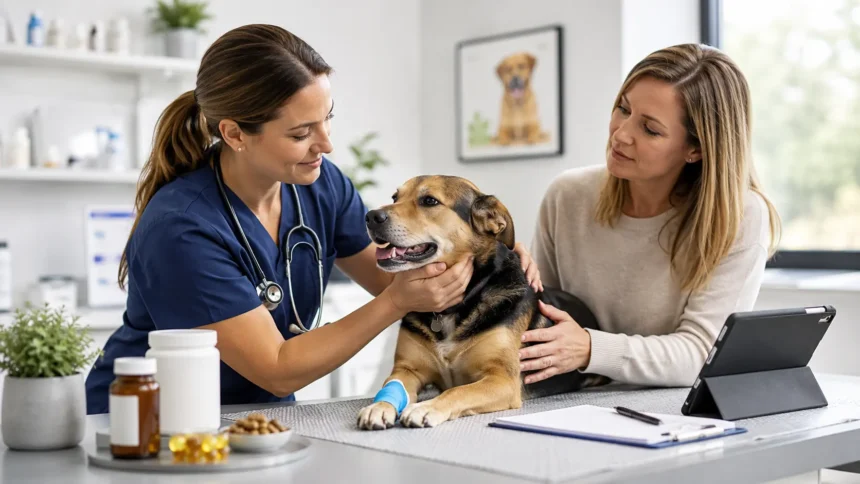
What Can You Give a Dog for Pain? Safe Options
When a dog appears sore, limps, struggles to stand, or suddenly avoids normal activities, it is natural to want to give something that provides fast relief. However, dogs process medications differently from people, and several common human pain relievers can cause serious poisoning even when they seem harmless in a household medicine cabinet. The safest pain-relief options for dogs are generally medications selected and prescribed by a veterinarian after considering the cause of pain, the dog’s weight, age, health history, and other medications. Veterinary options can include dog-approved nonsteroidal anti-inflammatory drugs, certain medications used for nerve or chronic pain, and other treatments selected for specific conditions. Pain management may also include weight control, rehabilitation, exercise modification, and environmental changes.
The right treatment depends on why the dog hurts. Arthritis pain requires a different strategy from a broken bone, abdominal emergency, surgical wound, dental infection, spinal problem, or torn ligament. Giving medication before understanding the cause can temporarily mask symptoms and sometimes complicate diagnosis. Human ibuprofen, naproxen, and similar over-the-counter drugs should not be given unless a veterinarian has specifically directed otherwise, and acetaminophen can also cause serious toxicity in dogs. Even leftover veterinary medicine prescribed for another pet may be inappropriate. The FDA advises owners to contact a veterinarian before giving any pain reliever because safe treatment needs to be chosen for the individual animal.
How to Tell if Your Dog Is in Pain
Dogs cannot explain where they hurt, and many instinctively hide discomfort until it begins interfering with everyday behavior. Limping is an obvious pain sign, but pain can also appear as reluctance to climb stairs, jump onto furniture, enter a car, or stand after resting. A dog that once ran eagerly may begin walking slowly or stopping frequently. Older dogs with arthritis may seem stiffest after sleeping and loosen up somewhat after moving. Dogs with back or neck pain may hold the head differently or avoid turning quickly. Merck Veterinary Manual emphasizes that behavioral changes often provide important clues because pets do not express pain in the same way people do.
Changes in personality can also signal discomfort. A normally social dog may hide, avoid being touched, become unusually quiet, or growl when someone approaches a painful area. Other dogs become restless and repeatedly change positions because they cannot get comfortable. Panting when the environment is not hot and exercise has not occurred can sometimes accompany pain, although anxiety and medical conditions can cause panting as well. A painful dog may sleep more or seem unable to sleep normally. Owners who know their pet’s ordinary behavior often notice these subtle changes before a visitor would. Sudden behavioral changes deserve attention because pain is only one possible explanation and illness can produce similar signs.
Eating habits can change when pain becomes significant. Dental pain may cause a dog to chew on one side, drop food, avoid hard kibble, or hesitate before taking treats. Abdominal pain can reduce appetite entirely and may be accompanied by vomiting, diarrhea, or a tense abdomen. Musculoskeletal pain can make walking to the food bowl uncomfortable even when appetite itself remains normal. A dog that refuses food should not simply be given pain medication without considering why eating has stopped. Loss of appetite can occur with kidney disease, pancreatitis, gastrointestinal obstruction, infection, and numerous other conditions. When poor appetite appears with pain, weakness, vomiting, or marked lethargy, veterinary assessment becomes especially important.
Posture can provide additional clues. Dogs experiencing abdominal discomfort may stretch repeatedly, assume a prayer-like position with the front end down and hindquarters raised, or protect the abdomen. Dogs with orthopedic pain may shift weight away from one leg or sit unevenly. Spinal discomfort can cause a stiff gait, rounded back, trembling, or reluctance to lower the head. None of these signs identifies the exact diagnosis by itself. A torn ligament, arthritis, muscle injury, spinal disease, and fracture can sometimes produce similar lameness. Watching how the dog moves is useful, but a physical and orthopedic examination may be needed before treatment can be chosen safely.
Pain should also be considered in the context of how suddenly it started. Mild stiffness developing gradually over months in an older dog suggests a very different problem from sudden screaming after jumping off a sofa. Acute severe pain after trauma may indicate fracture, dislocation, spinal injury, or internal damage and deserves prompt veterinary care. Chronic pain often develops more subtly and can become normalized by owners who think the dog is simply “getting old.” Aging itself should not cause untreated suffering. Arthritis and other chronic conditions can often be managed more effectively once pain is recognized and assessed rather than accepted as an unavoidable part of old age.
Safe Pain Medications Veterinarians May Use
Veterinary nonsteroidal anti-inflammatory drugs, commonly called NSAIDs, are among the most widely used medications for canine pain associated with inflammation. The FDA currently lists prescription dog NSAIDs including carprofen, deracoxib, firocoxib, grapiprant, meloxicam, and short-term robenacoxib for approved indications. These medications are commonly used for osteoarthritis and pain associated with certain surgeries. They are not interchangeable with human ibuprofen or naproxen simply because all belong to broad pain-relief categories. A veterinarian determines whether a particular NSAID is appropriate based on the dog’s condition and medical history. All currently marketed FDA-approved NSAIDs for dogs are prescription medications rather than over-the-counter products.
NSAIDs can be particularly effective for osteoarthritis because inflammation contributes to joint pain and reduced movement. A dog that becomes more comfortable may walk more normally, sleep better, and participate more easily in appropriate exercise. Pain relief does not reverse the underlying cartilage damage, however, so arthritis management usually involves more than medication alone. Weight control, controlled activity, rehabilitation, and home modifications can remain important even when medication works well. The veterinary goal is usually to improve comfort and function while using the lowest effective medication strategy suitable for that patient. Monitoring becomes particularly important during long-term treatment because older arthritic dogs may also have kidney, liver, gastrointestinal, or other health problems.
Veterinarians may use additional medications when pain is neuropathic, chronic, severe, or poorly controlled by a single drug. Gabapentin is commonly used in veterinary medicine for certain chronic or nerve-related pain conditions, although evidence is stronger for some applications than others. AAHA’s pain-management guidance notes that gabapentin use is widespread but that it has not demonstrated effectiveness for acute pain in dogs in available studies. Merck Veterinary Manual discusses gabapentin as an option particularly relevant to neuropathic and chronic pain. Other medications such as amantadine may sometimes be added within a multimodal pain plan. These medicines require veterinary dosing and monitoring rather than experimentation with a human prescription left in the home.
Opioid medications can also play an important role in veterinary pain control, particularly around surgery, severe trauma, hospitalization, or other intensely painful conditions. These drugs are typically selected and monitored closely because sedation, gastrointestinal effects, respiratory effects, legal restrictions, and species differences can influence their use. They are not generally the first choice for routine long-term arthritis management in dogs. AAHA guidance notes concerns about relying on long-term oral opioids for chronic canine pain and emphasizes multimodal approaches. A veterinarian may instead combine medications from different classes so each addresses a different part of the pain pathway. This can sometimes improve comfort while reducing reliance on a single high-dose drug.
For osteoarthritis, another veterinary option is bedinvetmab, sold as Librela, a prescription monoclonal antibody injection that targets nerve growth factor involved in arthritis pain signaling. The FDA approved Librela for controlling pain associated with canine osteoarthritis, but its safety labeling was updated after post-approval adverse-event reports involving neurological, urinary, gastrointestinal, and other problems. The current FDA information advises veterinarians to discuss risks and benefits with owners before each injection and to monitor dogs carefully. This illustrates why even approved veterinary pain treatments should be individualized rather than treated as universally risk-free. Owners should discuss their dog’s medical history and changes in mobility, balance, urination, or behavior with the prescribing veterinarian.
Human Pain Medicines You Should Not Give a Dog
Ibuprofen is one of the most common household pain relievers and one of the medications owners may consider when a dog suddenly starts limping. It should not be given without veterinary direction. Dogs absorb and metabolize NSAIDs differently from people, and exposure can produce gastrointestinal irritation, ulcers, bleeding, kidney injury, and other serious complications. The FDA specifically warns that an NSAID considered safe for people may remain in a dog’s body differently or reach higher blood concentrations. This means simply reducing the human dose according to the dog’s weight does not make the drug predictably safe. A dog in pain should receive veterinary advice rather than a fraction of an Advil or Motrin tablet.
Naproxen is another human NSAID that should not be used casually in dogs. It can remain in a dog’s body for considerably longer than owners may expect and can cause severe gastrointestinal and kidney toxicity. Products containing naproxen may be sold under familiar human brand names, making them seem less dangerous than prescription medications. Household accessibility is not an indication of veterinary safety. Accidental ingestion can also occur when dogs chew bottles, bags, or medication organizers. If a dog has swallowed naproxen, contacting a veterinarian or animal poison service promptly is preferable to waiting for vomiting or other symptoms to develop because toxicity can become serious.
Aspirin occupies a more confusing position because veterinarians have historically used it in selected dogs, yet this does not make over-the-counter aspirin a good home treatment choice. Aspirin can irritate the gastrointestinal tract, affect blood clotting, and interact with other NSAIDs and corticosteroids. Giving aspirin before a veterinary appointment can also delay the safe transition to a different anti-inflammatory drug because combining or closely overlapping these medications can increase adverse-effect risk. Merck lists aspirin among NSAIDs that may be used in veterinary medicine under specific circumstances, but FDA guidance still advises owners not to select human pain relievers independently. The safest rule is to use aspirin only when the dog’s own veterinarian has recommended it for that dog.
Acetaminophen, commonly known as Tylenol in the United States, is not an NSAID but can still cause serious harm when used incorrectly. FDA information states that acetaminophen can cause dose-related liver damage in dogs and can also damage red blood cells. Veterinarians may occasionally use acetaminophen in dogs under controlled circumstances, but that is very different from an owner choosing a human dose at home. Combination cold, flu, or prescription pain products can introduce additional dangerous ingredients alongside acetaminophen. Cats are even more sensitive, and acetaminophen can be fatal to them. Because household products vary widely in concentration and formulation, medication should never be given based simply on a familiar brand name.
Leftover medication from another dog is not automatically safe either. Veterinary drugs are prescribed according to the individual dog’s weight, diagnosis, organ function, current medications, and previous reactions. A dog with kidney disease may not be an appropriate candidate for a medication that worked well for a younger healthy pet. A drug intended for a previous surgery may also be wrong for abdominal pain, neurological disease, or a new injury. FDA guidance specifically warns owners against using medicine intended for another pet unless directed by a veterinarian. Safe treatment requires knowing both what the medication does and what condition is actually causing the pain.
Pain Relief for Arthritis, Injuries and Other Conditions
Osteoarthritis is one of the most common reasons dogs require long-term pain management. It develops as joint structures degenerate over time, leading to stiffness, inflammation, reduced mobility, and chronic discomfort. Veterinary NSAIDs are commonly used because they reduce inflammatory pain, while other medications or therapies may be added when necessary. Keeping an arthritic dog lean is also extremely important because excess body weight increases mechanical stress on painful joints. Low-impact exercise helps preserve muscle and mobility when tailored to the dog’s abilities. Merck recommends lean body condition, regular low-impact activity, and physical rehabilitation as important elements of managing lameness and joint-related discomfort.
Acute injuries require a different approach because pain may signal tissue that needs stabilization or repair. A dog that suddenly refuses to use a leg could have a ligament injury, fracture, dislocation, torn nail, paw wound, muscle injury, or another condition. Pain medication alone cannot determine which of these problems is present. Strict activity restriction may be appropriate until the dog can be examined, especially if movement appears to worsen the injury. Swelling, abnormal limb position, severe pain, or trauma from a vehicle or fall deserves prompt veterinary assessment. Owners should avoid repeatedly bending or squeezing a painful leg in an attempt to identify the exact injured structure themselves.
Back and neck pain can be particularly important because spinal disease may affect nerves as well as comfort. A dog with a painful back may tremble, walk stiffly, avoid stairs, cry when lifted, or suddenly become reluctant to move. Weakness, dragging limbs, knuckling paws, or loss of bladder control can indicate neurological involvement and require urgent veterinary attention. Pain medication may be part of treatment, but the dog could also need imaging, strict rest, rehabilitation, or surgery depending on the cause. Human medications should not be used to delay assessment when neurological signs are present. The speed of treatment can matter when spinal cord function is deteriorating.
Dental pain is often underestimated because dogs may continue eating despite significant oral disease. Broken teeth, tooth-root infections, severe periodontal disease, and oral wounds can all cause persistent pain. A dog may drool, chew slowly, avoid hard food, paw at the face, or develop bad breath. Pain medication may make the dog temporarily more comfortable, but an infected or fractured tooth usually requires dental treatment rather than medication alone. Antibiotics may sometimes be necessary for specific infections but do not permanently solve many diseased teeth either. Treating the source of dental pain provides more meaningful relief than repeatedly masking symptoms.
Abdominal pain should be approached with even greater caution because it can signal emergencies such as intestinal obstruction, gastric dilation-volvulus, pancreatitis, internal bleeding, or other serious diseases. A dog may appear restless, repeatedly stretch, vomit, have a swollen abdomen, or resist being touched around the belly. Giving pain medicine at home can mask progression and wastes time when emergency intervention is needed. A distended abdomen combined with unproductive retching, weakness, or collapse requires immediate veterinary attention. Likewise, repeated vomiting and severe abdominal discomfort should not be treated as ordinary muscle soreness. The safest pain option is sometimes rapid diagnosis and treatment rather than any medication available at home.
Non-Medication Ways to Help a Dog With Pain
Weight management can provide substantial long-term benefit for dogs with arthritis or mobility problems. Excess weight increases the force placed on joints during every step and can make climbing, rising, and walking more difficult. A dog does not need to become extremely thin, but maintaining an appropriate lean body condition can reduce unnecessary mechanical strain. Weight loss should usually occur through a controlled feeding plan rather than severe calorie restriction. Veterinarians can help owners establish an appropriate target weight and monitor muscle preservation during weight loss. This strategy does not produce instant relief, yet it can become one of the most valuable parts of chronic joint-pain management.
Controlled exercise is another important tool. Complete inactivity can cause muscle loss, stiffness, and reduced joint stability in dogs with many chronic musculoskeletal problems. At the same time, high-impact exercise can aggravate painful joints or healing injuries. Walking on level surfaces, carefully controlled strengthening exercises, and gradual activity progression may help selected dogs. Merck lists rehabilitation exercises such as sit-to-stand work, balance exercises, range-of-motion activities, and cavaletti exercises as examples used in musculoskeletal rehabilitation. A veterinarian or canine rehabilitation professional can tailor the program to the diagnosis because an exercise suitable for arthritis may be inappropriate immediately after surgery.
Home modifications can reduce pain every day without adding another medication. Nonslip rugs help dogs with weak or arthritic legs maintain traction on tile or hardwood floors. Ramps or shallow steps can reduce repeated jumping into vehicles or onto furniture. A supportive bed can make resting more comfortable, while raised or strategically positioned food bowls may help certain dogs with neck or mobility problems when advised appropriately. Keeping nails trimmed can improve footing because overly long nails change how paws contact the ground. These changes may look simple, but reducing dozens of painful movements throughout each day can meaningfully improve quality of life.
Warmth or cold may occasionally help certain musculoskeletal problems, but timing matters. Cold packs are commonly used during the early period after some acute injuries to limit discomfort and swelling, while gentle warmth may help chronic stiffness or tight muscles. Direct extreme temperatures can injure skin, so packs should be wrapped and used cautiously. Dogs cannot always communicate that something feels too hot or cold until skin damage occurs. Heat should also not be placed over unexplained swelling or an area that may contain infection. A veterinarian or rehabilitation professional can advise whether heat or cold is appropriate for the specific diagnosis.
Supplements are often marketed for canine joint pain, but evidence varies significantly. Glucosamine, chondroitin, green-lipped mussel, cannabidiol, turmeric, and numerous other products are promoted for arthritis, yet quality and clinical evidence are inconsistent across formulations. Merck notes that robust evidence for several commonly marketed joint modifiers remains limited, although omega-3 fatty acids have some evidence for improving weight bearing in dogs with osteoarthritis. Supplements can also interact with medications or add calories and should be disclosed to the veterinarian. “Natural” does not automatically mean proven or harmless. A supplement is most useful when chosen as part of a structured pain-management plan rather than as a substitute for diagnosis.
NSAID Safety and Monitoring in Dogs
Veterinary NSAIDs can provide excellent pain relief, but they also have potential side effects involving the gastrointestinal tract, kidneys, and liver. Reported problems include vomiting, diarrhea, reduced appetite, lethargy, gastrointestinal ulcers, kidney injury, and liver abnormalities. Most dogs using an appropriate NSAID do not develop severe complications, but monitoring helps identify problems early. FDA guidance recommends that veterinarians consider blood and urine testing before starting treatment because underlying organ disease can influence safety. Periodic monitoring can also be appropriate during long-term use, particularly in older dogs. Owners should never increase the dose because the dog appears more painful without first contacting the prescribing veterinarian.
Medication combinations require particular care. Giving two NSAIDs together can substantially increase adverse-effect risk and is generally avoided unless a veterinarian is managing a specific transition. Combining an NSAID with a corticosteroid such as prednisone can also increase gastrointestinal and other complications. Owners sometimes forget that an old medication, aspirin product, or supplement may affect the treatment plan. A complete list of prescription drugs, over-the-counter products, flea medications, supplements, and recent medications should therefore be shared before a new pain drug is started. AAHA guidance emphasizes medication history because interactions can turn an otherwise reasonable treatment into a much riskier one.
Dehydration can increase NSAID-related kidney risk because these medications affect pathways involved in maintaining kidney blood flow. A dog that is vomiting, has severe diarrhea, is refusing water, or is otherwise dehydrated may need its medication plan reconsidered. Owners should contact the prescribing veterinarian rather than automatically giving the next dose when a dog becomes acutely ill. Kidney and liver disease also require additional caution because drug metabolism and elimination may be altered. This is why a medication that was previously tolerated should not be restarted months later without considering whether the dog’s health has changed. Chronic pain patients often age into new medical problems that affect treatment choices.
Owners should know which side effects require stopping a medication and contacting the veterinary team. Loss of appetite, repeated vomiting, diarrhea, dark or bloody stool, marked lethargy, yellowing of the eyes or gums, unusual drinking, or changes in urination can be important warning signs. FDA-approved oral veterinary NSAIDs come with Client Information Sheets describing safety information and symptoms owners should watch for. Asking for and keeping this information is useful, especially when medication is given for months rather than days. The absence of visible symptoms does not completely replace periodic laboratory monitoring because early organ changes may sometimes appear on testing first.
The goal of monitoring is not to make owners afraid of effective veterinary pain medicine. Untreated chronic pain has significant consequences for mobility, sleep, behavior, muscle condition, and overall quality of life. Veterinary NSAIDs have helped many dogs remain active and comfortable for years when appropriately selected and monitored. Safe use means balancing genuine benefits against individual risks rather than assuming every medicine is either perfectly harmless or too dangerous to consider. Dogs differ in age, organ function, medications, and disease severity, so their pain plans should differ too. Regular communication with the veterinarian allows treatment to evolve as the dog’s condition changes.
When Dog Pain Requires Urgent Veterinary Care
Sudden severe pain should generally be treated as more urgent than mild chronic stiffness. A dog crying continuously, unable to settle, refusing to walk, or reacting aggressively when moved may have a significant injury or internal problem. Trauma from a vehicle, fall, animal attack, or other major accident deserves veterinary assessment even when there is no obvious wound. Internal injuries can cause considerable pain before external signs become dramatic. A fractured bone or dislocated joint also requires stabilization rather than home pain medication alone. Moving an injured dog gently and minimizing unnecessary activity can help prevent additional damage while arranging care.
Difficulty breathing, collapse, pale gums, severe weakness, or a swollen abdomen with repeated unsuccessful attempts to vomit can indicate life-threatening conditions. Pain medication should never delay emergency care in these situations. A dog with gastric dilation-volvulus, internal bleeding, respiratory distress, or shock may deteriorate rapidly. Severe abdominal pain, repeated vomiting, or sudden collapse also warrants immediate veterinary attention. When symptoms suggest an emergency, calling the clinic while preparing to leave can allow staff to provide transport instructions and prepare for arrival. The priority is stabilizing the underlying condition rather than determining what painkiller can be given at home.
Neurological problems are another urgent category. A dog that suddenly cannot stand, drags one or more legs, loses coordination, or develops paralysis may have spinal cord or brain disease requiring rapid assessment. Loss of bladder or bowel control combined with back pain can also be significant. These dogs should be moved carefully because excessive twisting can worsen some spinal injuries. Owners should avoid repeatedly testing whether the dog can walk if the legs are clearly weak. Medication may eventually be used as part of treatment, but neurological examination and diagnosis determine which medications and interventions are appropriate.
Eye pain should also receive prompt veterinary attention because some eye conditions can threaten vision quickly. Squinting, keeping the eye closed, pawing at the face, severe redness, cloudiness, or sudden swelling can indicate corneal injury, glaucoma, infection, or another painful eye problem. Human eye drops and pain relievers should not be used unless specifically directed by a veterinarian. A dog may rub the eye vigorously and create additional damage while waiting. An Elizabethan collar can sometimes reduce self-trauma during transport if one is already available and can be applied safely. Veterinary treatment needs to address the specific eye condition rather than simply reducing discomfort.
If pain is mild and there are no emergency signs, owners can keep the dog quiet and comfortable while arranging veterinary advice. Restrict running, jumping, rough play, and stairs if movement appears painful. Provide water, a comfortable resting area, and easy access to toileting without forcing exercise. Do not give human pain medicines or another pet’s prescription while waiting. Note when symptoms started, what activity preceded them, whether the dog is eating and drinking, and whether vomiting or other symptoms are present. This information helps the veterinarian choose the safest next step and often provides more value than attempting to medicate the dog before the cause is known.
Frequently Asked Questions About Pain Relief for Dogs
What is the safest thing to give a dog for pain?
The safest medication is one selected specifically for your dog by a veterinarian after evaluating the cause of pain and the dog’s health. FDA-approved prescription NSAIDs such as carprofen, deracoxib, firocoxib, grapiprant, and meloxicam are common options for appropriate dogs, but they still require veterinary supervision.
Can I give my dog ibuprofen for pain?
No, you should not give a dog ibuprofen unless a veterinarian specifically directs you to do so. Human NSAIDs can cause gastrointestinal ulcers, kidney injury, and other serious toxicity because dogs process these medications differently from people.
Can dogs take Tylenol or acetaminophen?
Veterinarians may occasionally use acetaminophen in selected dogs, but owners should not give it on their own. Incorrect exposure can cause liver damage and red-blood-cell injury, and combination human products may contain additional dangerous ingredients.
What can help an old dog with arthritis pain?
Veterinary treatment may include a dog-approved NSAID or another prescription pain therapy combined with weight management, controlled low-impact exercise, rehabilitation, and home modifications such as nonslip flooring or ramps. The best plan depends on the dog’s kidney and liver health, mobility, age, and other medications.
When should a dog in pain see a veterinarian immediately?
Seek urgent veterinary care for severe or sudden pain, inability to stand, major trauma, difficulty breathing, repeated vomiting, a swollen abdomen, collapse, pale gums, paralysis, or significant neurological changes. These symptoms can indicate emergencies in which treating the underlying cause is far more important than attempting home pain relief.