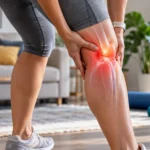


Golfer’s elbow is a painful condition that affects the inside of the elbow, usually where the forearm tendons attach to the bony area known as the medial epicondyle. Despite its name, you do not need to play golf to develop it. Repetitive gripping, lifting, throwing, or wrist movement can all place stress on the same tendon area.
The condition is commonly associated with overuse and repeated strain rather than one sudden injury. Symptoms may include tenderness, aching, weakness, and discomfort when gripping objects or bending the wrist. Understanding what golfer’s elbow means, why it develops, and how it is commonly managed can make the condition easier to recognize.
What Is Golfer’s Elbow?
Golfer’s elbow is a common name for medial epicondylitis, a condition involving the tendons that connect forearm muscles to the inside of the elbow. These tendons help control wrist flexion, gripping, and certain forearm movements. Repeated loading can irritate the tendon attachment and make everyday hand and arm movements uncomfortable.
The pain usually develops near the bony bump on the inner side of the elbow. It may remain localized or spread slightly into the forearm. Some people notice tenderness only during activity, while others experience aching after repetitive work, exercise, or tasks that require forceful gripping.
Golfer’s elbow is considered an overuse problem because repeated stress can exceed the tendon’s ability to recover. The condition may develop gradually, which means people sometimes continue the irritating activity for weeks before recognizing a pattern. Early changes to workload can help prevent symptoms from becoming more persistent.
Why Is It Called Golfer’s Elbow?
The condition received its name because the movements used during a golf swing can place considerable stress on the wrist flexor and forearm tendons. Repeated gripping of the club combined with forceful wrist movement may irritate the inner elbow. However, golfers represent only one group of people who can develop the condition.
Many non-golf activities involve the same muscles. Racquet sports, throwing, weight training, construction work, gardening, and repetitive tool use can all load the forearm tendons. Even repeated computer or manual tasks may contribute when they involve prolonged gripping or forceful wrist positioning.
The name can therefore be misleading if people assume they cannot have the condition because they never play golf. The underlying issue relates more to repeated tendon loading than to one specific sport. Recognizing the movement pattern is usually more useful than focusing entirely on the activity label.
What Does Golfer’s Elbow Feel Like?
Golfer’s elbow often causes tenderness or aching on the inside of the elbow. The discomfort may increase when gripping, lifting, turning a doorknob, shaking hands, or bending the wrist forward against resistance. Some people also notice soreness after activity rather than during the movement itself.
Pain can range from mild irritation to discomfort that limits everyday tasks. The area may feel sensitive when pressed, and the forearm can feel tired or weak during repeated use. Symptoms often become more noticeable when the same movement is performed many times without enough recovery.
Not everyone experiences symptoms in exactly the same way. Some people have a dull ache, while others notice sharper discomfort during specific actions. Persistent pain, significant weakness, numbness, or symptoms extending farther down the arm may need professional assessment to rule out other causes.
What Causes Golfer’s Elbow?
The most common cause is repeated stress on the muscles and tendons that bend the wrist and help with gripping. When these tissues are loaded more frequently or intensely than they can tolerate, irritation and tendon changes may develop. Sudden increases in activity are especially common triggers.
Poor technique can also contribute in sports or strength training. Gripping too tightly, using excessive wrist movement, or working with loads that exceed current capacity can increase stress around the inner elbow. Tool size, equipment setup, and repetitive occupational tasks may create similar problems.
Age, previous injuries, training volume, and recovery habits can also influence tendon tolerance. Golfer’s elbow does not always result from one obvious mistake. Often, several small factors combine until the tendon becomes sensitive enough to produce pain during movements that were previously comfortable.
Who Is Most at Risk?
People who perform repetitive gripping or wrist-flexion movements are more likely to experience golfer’s elbow. Golfers, tennis players, baseball players, climbers, mechanics, construction workers, and weightlifters may all place repeated stress on the same tendon region. Risk depends more on movement demands than on the job or sport itself.
Beginners can also develop symptoms when they increase activity too quickly. Someone starting strength training, gardening, or a new sport may suddenly expose the forearm to much greater load than usual. Even experienced athletes can experience problems after increasing training volume, changing equipment, or returning after a long break.
People with physically demanding jobs may face similar challenges because the irritating movement occurs throughout the workday. Repeated lifting, twisting, hammering, or carrying can limit recovery between sessions. Adjusting technique, workload, or equipment may therefore be just as important as doing rehabilitation exercises.
Golfer’s Elbow vs Tennis Elbow
Golfer’s elbow and tennis elbow both involve tendon pain around the elbow, but the location is different. Golfer’s elbow affects the inner side of the elbow, while tennis elbow usually affects the outer side. The involved muscle groups and aggravating movements are also somewhat different.
Golfer’s elbow is commonly associated with wrist flexion and gripping, while tennis elbow is often aggravated by wrist extension and similar repetitive forearm activity. Both can develop in people who do not play the sports named in the condition. Everyday work and exercise can create the same tendon-loading patterns.
Because pain location can overlap with nerve, joint, or muscle problems, self-diagnosis is not always straightforward. If symptoms persist or do not match the expected pattern, a healthcare professional can examine strength, tenderness, range of motion, and nerve function to help identify the likely cause.
How Golfer’s Elbow Is Diagnosed
Diagnosis usually begins with a conversation about symptoms, activities, work, sports, and when the pain started. A clinician may ask which movements increase discomfort and whether symptoms improve with rest. This history often provides important clues about repeated loading and tendon irritation.
During the physical examination, the inside of the elbow may be checked for tenderness. The clinician may also test grip strength, wrist movement, forearm rotation, and resistance against specific motions. Pain reproduced during resisted wrist flexion can support the diagnosis, although it is not the only factor considered.
Imaging is not always necessary. X-rays, ultrasound, or other tests may be considered when symptoms are unusual, severe, persistent, or associated with trauma. These tests can help rule out other problems rather than being required for every straightforward case of golfer’s elbow.
Golfer’s Elbow Treatment Options
Treatment usually begins by reducing or modifying the activities that repeatedly irritate the tendon. This does not necessarily mean stopping all movement. The goal is to lower the workload enough for symptoms to settle while maintaining as much comfortable activity as possible.
Gradual strengthening is often part of recovery. Exercises for the wrist flexors, forearm, grip, and surrounding muscles can help the tendon tolerate load more effectively over time. The exact progression should match the severity of symptoms and the demands of the sport, job, or activity the person wants to return to.
Other approaches may include temporary activity changes, cold or heat for comfort, and guidance from a physical therapist or healthcare professional. Some people may also use pain medication when appropriate. Treatment should focus on restoring function rather than simply masking symptoms and returning immediately to the same irritating workload.
Exercises That May Help
Gentle wrist-flexor strengthening can be useful once symptoms are manageable. A light dumbbell or resistance band can provide gradual load while the forearm remains supported. The movement should stay controlled and should not produce sharp or rapidly increasing pain.
Grip exercises can also be added carefully. Squeezing a soft ball or using light resistance may help improve forearm endurance, but excessive gripping can aggravate symptoms if introduced too soon. Start with low intensity and increase resistance only when the elbow tolerates the current level well.
Forearm mobility and stretching may feel helpful for some people, but stretching alone is rarely the entire solution. Tendons generally need an appropriate level of strengthening and load progression. If exercise consistently makes symptoms worse, reduce the intensity or seek guidance before continuing.
Can Poor Technique Make It Worse?
Yes, poor technique can increase stress on the inner elbow. In golf, excessive wrist action or gripping the club too tightly may increase tendon load. Similar problems can occur during weight training when someone compensates with the wrists instead of controlling the movement through larger muscle groups.
Lifting mechanics can matter throughout the body because poor movement patterns can shift stress toward smaller joints. For example, learning proper patterns for the back and hips can reduce unnecessary strain elsewhere during lifting. Understanding related movement issues, such as lower back hip pain, can also help create a more balanced approach to strength and technique.
Technique changes should be specific rather than based on vague ideas of “perfect form.” The goal is to reduce unnecessary stress while still performing the activity effectively. Coaches, trainers, or therapists can help identify which adjustments matter most for a particular sport or exercise.
How Long Does Golfer’s Elbow Take to Heal?
Recovery time varies depending on symptom severity, how long the condition has been present, and whether aggravating activities can be modified. Mild cases may improve over several weeks, while longstanding tendon pain can require a longer and more gradual rehabilitation process.
Tendons generally adapt more slowly than muscles, so improvement may not happen immediately even when the correct approach is used. Symptoms can also fluctuate, with some days feeling better than others. This does not necessarily mean the condition is getting worse if overall function is gradually improving.
Trying to rush recovery by returning to heavy gripping too early can lead to repeated flare-ups. A better approach is to increase activity progressively while monitoring symptoms. The goal is to rebuild tolerance so the tendon can handle the same demands without repeatedly becoming irritated.
When Should You See a Doctor?
Medical evaluation is reasonable when pain is severe, persists despite activity modification, or interferes significantly with work or daily tasks. A healthcare professional can help confirm whether the symptoms fit golfer’s elbow or whether another condition may be responsible.
Seek attention sooner if pain follows a major injury, swelling is substantial, or you cannot use the arm normally. Numbness, tingling, or significant weakness may suggest nerve involvement or another issue that should be assessed rather than treated as ordinary tendon irritation.
Persistent night pain, unexplained swelling, or worsening symptoms also deserve evaluation. Most golfer’s elbow cases are not medical emergencies, but getting the diagnosis right can prevent months of ineffective self-treatment. A clear plan can also make return to activity safer and more predictable.
How to Prevent Golfer’s Elbow
The most useful prevention strategy is managing workload. Increase training, lifting, or repetitive activity gradually so the forearm tendons have time to adapt. Sudden jumps in volume or intensity can create more stress than the tissue is prepared to handle.
Technique and equipment also matter. Use appropriately sized tools, avoid gripping harder than necessary, and review form during sports or strength training. Small changes in hand position, grip pressure, or equipment setup can sometimes reduce repeated stress considerably.
Strengthening the forearms, shoulders, and upper body can also improve overall capacity. Recovery time, sleep, and sensible training progression matter as well. Prevention is less about avoiding all stress and more about exposing the tendon to enough load to build resilience without repeatedly exceeding its tolerance.
Conclusion
Golfer’s elbow, or medial epicondylitis, is a tendon-related condition that causes pain on the inner side of the elbow. It commonly develops from repetitive gripping, wrist flexion, lifting, sports, or occupational activity. You do not need to play golf to experience the condition.
Management usually involves reducing aggravating activity, rebuilding strength gradually, improving technique, and allowing enough recovery time. Stretching may help with comfort, but progressive loading is often an important part of restoring tendon capacity and returning to normal activity.
Persistent or severe symptoms should be professionally evaluated, especially when numbness, weakness, major swelling, or trauma is involved. Most people can improve with appropriate management, but recovery may take time. A gradual return to activity is usually more effective than repeatedly pushing through increasing pain.
FAQs
What is golfer’s elbow?
Golfer’s elbow is a tendon-related condition causing pain and tenderness on the inside of the elbow. It often develops from repetitive gripping, wrist flexion, lifting, or sports activity.
Can you get golfer’s elbow without playing golf?
Yes. Weightlifting, racquet sports, throwing, manual work, gardening, and repetitive gripping can all stress the same tendon area. Golf is only one possible cause.
Where does golfer’s elbow hurt?
Pain usually occurs around the bony area on the inner side of the elbow and may extend slightly into the forearm. Gripping or bending the wrist can make symptoms worse.
Should I stretch golfer’s elbow?
Gentle stretching may feel comfortable, but it should not cause sharp pain. Strengthening and gradual load progression are also important because flexibility alone usually does not address the tendon’s capacity.
How long can golfer’s elbow last?
Recovery varies widely. Mild cases may improve within weeks, while persistent tendon symptoms can take longer. Gradual strengthening and reducing repeated aggravating loads can support a more reliable recovery.