

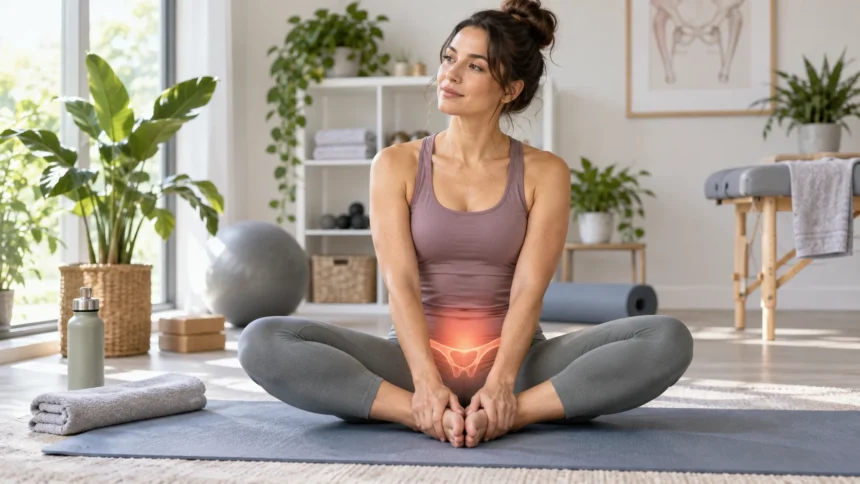
A tight pelvic floor happens when the muscles at the bottom of the pelvis stay overly tense or have difficulty relaxing when they need to. These muscles support the bladder, bowel, and reproductive organs while also helping with urination, bowel movements, sexual function, and core stability. When they remain contracted, everyday activities can become uncomfortable or difficult.
Pelvic floor tightness can affect people of any sex and may develop for several reasons. Stress, persistent muscle guarding, prolonged sitting, pain conditions, exercise habits, constipation, or previous injury can all contribute. Symptoms vary widely, so someone may notice pelvic pressure while another experiences urinary urgency, painful bowel movements, or discomfort during sexual activity.
Relief often involves learning how to relax and coordinate the pelvic floor rather than simply trying to make it stronger. Gentle breathing, mobility, changes in daily habits, and pelvic floor physical therapy can all be helpful depending on the cause. This guide explains common symptoms, possible causes, and practical strategies for managing a tight pelvic floor safely.
What Is a Tight Pelvic Floor?
The pelvic floor is a group of muscles and connective tissues that form a supportive layer at the base of the pelvis. These muscles normally tighten and relax throughout the day depending on what your body is doing. They contract during certain movements but also need to lengthen and release during urination, bowel movements, and other activities.
A tight or overactive pelvic floor occurs when some of these muscles remain contracted more than necessary or do not relax efficiently. This does not necessarily mean the muscles are strong. A muscle can be tight, fatigued, poorly coordinated, and still lack useful strength when it needs to perform a specific task.
Pelvic floor dysfunction can therefore involve more than simple weakness. Some people may actually make symptoms worse by performing repeated strengthening exercises without first learning how to relax. Understanding whether the pelvic floor is tight, weak, poorly coordinated, or a combination of these factors is important when deciding which exercises may be appropriate.
Common Symptoms of a Tight Pelvic Floor
Pelvic floor tightness can cause a wide range of symptoms because these muscles influence several body systems. Common complaints include pelvic pressure, aching, difficulty starting urination, incomplete emptying, urinary urgency, constipation, or discomfort during bowel movements. Some people also notice pain that increases after sitting for long periods.
Sexual symptoms can occur as well. A tight pelvic floor may contribute to pain with penetration, discomfort during or after orgasm, or a feeling that the pelvic muscles cannot relax. Symptoms can differ between individuals and may overlap with bladder, digestive, gynecological, urological, or musculoskeletal conditions.
Pain can also be felt outside the pelvis. Some people experience discomfort in the lower abdomen, hips, tailbone, lower back, groin, or inner thighs. Because these areas share muscles, nerves, and movement patterns, pelvic floor tension may sometimes occur alongside broader hip or trunk stiffness.
What Causes Pelvic Floor Muscles to Become Tight?
There is rarely one single cause of pelvic floor tightness. The muscles may gradually become overactive due to repeated stress, pain, posture habits, heavy exercise, constipation, or unconscious muscle clenching. In other cases, tension develops after surgery, childbirth, injury, or another painful experience involving the pelvis.
Muscles often tighten protectively when the body expects pain. If discomfort continues for a long time, this guarding pattern may remain even after the original trigger improves. The nervous system can become more sensitive, making ordinary sensations feel threatening and encouraging the pelvic muscles to stay braced.
Lifestyle factors may also contribute. Long periods of sitting, repeatedly delaying urination or bowel movements, frequent straining, and constantly holding the stomach tight can influence pelvic muscle behavior. These factors do not affect everyone in the same way, but reducing unnecessary tension may help some people feel more comfortable.
Can Stress and Anxiety Tighten the Pelvic Floor?
Stress can influence muscle tension throughout the body, including the jaw, shoulders, abdomen, and pelvic floor. During periods of stress, people may unconsciously brace or clench muscles without realizing it. If this happens repeatedly, the pelvic floor can have difficulty returning fully to a relaxed resting position.
Breathing patterns can also change during stress. Quick, shallow breathing may reduce the natural movement between the diaphragm and pelvic floor. Slower diaphragmatic breathing encourages the abdomen and lower ribs to expand, which can help people become more aware of pelvic muscle relaxation.
Stress management is not meant to suggest that pelvic pain is simply psychological. Physical symptoms are real and may involve several contributing factors. However, calming the nervous system can be one useful part of a broader treatment plan when muscle guarding and heightened sensitivity are involved.
Can Constipation Contribute to Pelvic Floor Tightness?
Constipation and pelvic floor dysfunction can sometimes influence each other. Passing stool requires the pelvic floor muscles to relax while abdominal pressure increases appropriately. If these muscles remain tight or contract when they should release, bowel movements may become difficult and require more effort.
Repeated straining can further increase pressure around the pelvic floor and reinforce an unhelpful pattern of tension. Some people feel as though stool is present but cannot pass it easily, even when it is not particularly hard. This type of difficulty may require more than simply increasing fiber.
Supporting regular bowel habits may reduce unnecessary pelvic floor strain. Adequate hydration, appropriate dietary fiber, regular movement, and a comfortable toilet position may help. Persistent constipation, significant pain, or ongoing difficulty emptying should be evaluated so the underlying cause can be identified.
How Diaphragmatic Breathing May Help
Diaphragmatic breathing is one of the simplest techniques used to encourage pelvic floor relaxation. Lie down or sit comfortably and place one hand around your lower ribs or abdomen. As you inhale slowly, allow the abdomen and rib cage to expand rather than holding the stomach tightly.
The pelvic floor naturally moves slightly downward as the diaphragm descends during a relaxed inhale. You do not need to force this movement or push downward. Instead, imagine the muscles at the base of the pelvis softening and widening while you breathe into the lower abdomen.
Exhale slowly and let the body return naturally without squeezing the pelvic floor aggressively. Try several minutes of relaxed breathing once or twice a day if it feels comfortable. This exercise is intended to improve awareness and coordination rather than produce an intense stretch or immediate symptom change.
Gentle Stretches for Pelvic Floor Relaxation
Hip and lower-body mobility can sometimes help people who feel generalized tension around the pelvis. Gentle positions such as child’s pose, supported deep squats, happy baby, and knee-to-chest stretches may create a feeling of opening around the hips and pelvic floor. Move slowly and stay within a comfortable range.
The pelvis also connects functionally with the trunk, hips, and upper body, so overall mobility can be useful rather than focusing only on one small area. If your broader routine includes upper-body stiffness, gentle lat stretches can complement whole-body mobility work while you address tension in multiple regions.
Stretching should never create sharp pelvic pain, numbness, burning, or a strong sense of pressure. More intensity is not always better when muscles are already guarding. Short, comfortable stretches combined with slow breathing are generally more useful than forcing deep positions that make the body tense further.
Should You Do Kegels With a Tight Pelvic Floor?
Kegels involve voluntarily contracting the pelvic floor muscles and are often recommended for pelvic floor weakness. However, they may not be the right starting point when the muscles are already overactive or unable to relax properly. Repeated contractions can sometimes increase the sensation of tightness in people with this pattern.
This is why pelvic floor treatment should not automatically focus on strengthening. Some people need relaxation and coordination work first, while others eventually need a combination of lengthening and strengthening exercises. The correct approach depends on symptoms and how the pelvic floor functions during an assessment.
If you are unsure whether Kegels are appropriate, consider speaking with a pelvic floor physical therapist or another qualified healthcare professional. They can help determine whether your muscles are weak, tight, poorly coordinated, or showing a mixed pattern. This can prevent you from repeatedly performing an exercise that does not match your needs.
Daily Habits That May Reduce Pelvic Floor Tension
Pay attention to whether you frequently clench your abdomen, glutes, or pelvic muscles throughout the day. Some people hold tension while working, driving, exercising, or concentrating without noticing it. Periodically checking your body and allowing these areas to soften can help reduce unnecessary muscle guarding.
Avoid spending long periods in one position when possible. Taking short walking or movement breaks can reduce stiffness around the hips, lower back, and pelvis. You do not need intense exercise every hour; simply standing, walking, or changing position can help your body avoid remaining rigid for long periods.
Bathroom habits also matter. Try not to strain aggressively during bowel movements or repeatedly urinate “just in case” when you do not feel a genuine urge. Give yourself enough time, use comfortable positioning, and allow the pelvic floor to relax rather than forcing elimination through excessive pushing.
Pelvic Floor Physical Therapy for Tight Muscles
Pelvic floor physical therapy can be helpful when symptoms are persistent, painful, or difficult to understand. A trained therapist can evaluate breathing, hip movement, posture, muscle coordination, and pelvic floor function. Treatment may include education, relaxation training, mobility exercises, manual techniques, and gradual strengthening when appropriate.
An important part of therapy is identifying which activities increase symptoms and what patterns may be maintaining muscle tension. Someone with pain during sitting may need a different plan from someone whose main concern is constipation or urinary urgency. Individual assessment helps avoid using the same generic exercises for every pelvic floor problem.
Progress can take time because long-standing muscle guarding and nervous system sensitivity do not always change immediately. The goal is usually improved function rather than forcing the muscles to become completely relaxed at all times. A healthy pelvic floor should be able to contract when needed and relax when the task requires it.
When Should You See a Healthcare Professional?
Seek medical advice if pelvic symptoms are persistent, worsening, or interfering with urination, bowel movements, sexual activity, sleep, or everyday life. Pelvic pain can have many causes, and not every symptom comes from muscle tension. A professional evaluation can help rule out bladder, bowel, reproductive, neurological, or other medical conditions.
You should also seek prompt care for symptoms such as unexplained bleeding, fever, severe abdominal or pelvic pain, inability to urinate, or sudden neurological changes. These symptoms require assessment rather than attempts to manage the problem solely through stretching or relaxation exercises at home.
Even without urgent symptoms, getting help can be worthwhile when self-care is not improving the problem. Pelvic floor physical therapists and other qualified clinicians can provide individualized guidance. Early assessment may also prevent months of experimenting with exercises that do not address the actual cause of your symptoms.
Conclusion
A tight pelvic floor occurs when the muscles at the base of the pelvis remain overly active or have difficulty relaxing appropriately. Symptoms can include pelvic discomfort, urinary urgency, constipation, difficulty emptying, pain with sexual activity, and tension around the hips or lower back. The exact experience can vary significantly between individuals.
Relief often focuses on restoring relaxation and coordination rather than simply strengthening the pelvic floor. Diaphragmatic breathing, gentle mobility, comfortable bathroom habits, regular movement, and reducing unnecessary muscle clenching may help. Kegels should not automatically be used when tightness is suspected because additional contractions may not match what the muscles need.
Persistent symptoms deserve professional evaluation because pelvic pain and bladder or bowel changes can have many possible causes. A pelvic floor physical therapist can help identify muscle patterns and create an individualized plan. With the right approach, many people can gradually improve pelvic comfort, movement, and confidence in everyday activities.
FAQs
What does a tight pelvic floor feel like?
A tight pelvic floor may feel like pressure, aching, muscle clenching, urinary urgency, constipation, or difficulty relaxing. Some people also experience pain with sitting, bowel movements, or sexual activity.
Can a tight pelvic floor cause urinary problems?
Yes. Overactive pelvic floor muscles can sometimes contribute to urinary urgency, difficulty starting urination, or a feeling of incomplete emptying. Similar symptoms can have other causes, so persistent problems should be evaluated.
How do you relax a tight pelvic floor?
Slow diaphragmatic breathing, gentle hip mobility, reducing unnecessary clenching, and comfortable bathroom habits may help. Pelvic floor physical therapy can provide more individualized techniques when symptoms persist.
Can Kegels make pelvic floor tightness worse?
They can in some people with an already overactive pelvic floor. Repeated contractions may increase tension when relaxation is the main problem, so proper assessment is helpful before beginning strengthening exercises.
How long does it take to relax a tight pelvic floor?
There is no fixed timeline. Improvement depends on the cause, symptom duration, muscle coordination, and treatment approach. Some people notice gradual changes within weeks, while long-standing problems may require longer-term management.