
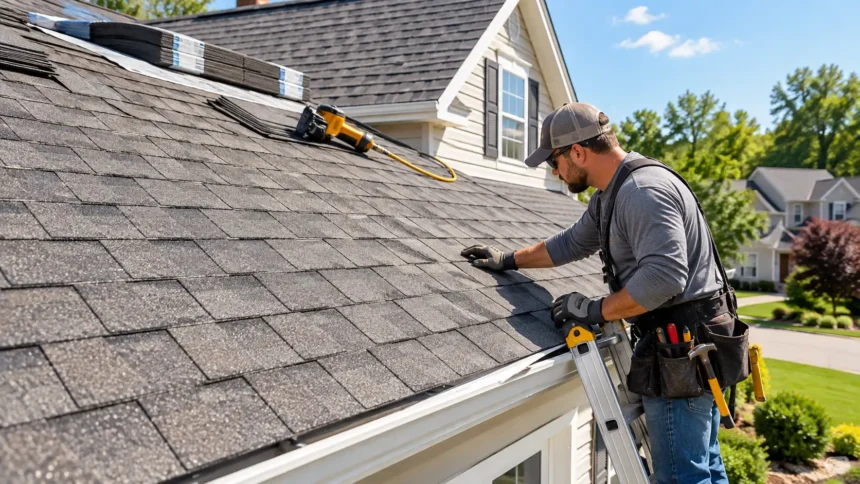
Choosing the right roofing material is an important decision for homeowners who want to protect their property while managing installation and maintenance costs. Asphalt shingles remain a popular roofing option because they are relatively affordable, widely available, and suitable for many residential roof designs. Among the traditional asphalt roofing options, 3 tab shingles are known for their simple appearance, lightweight construction, and relatively low upfront cost.
Three-tab asphalt shingles have been used on residential roofs for decades. They feature a flat design with cutouts that create the appearance of three separate tabs along the lower edge. Although these shingles may cost less than architectural shingles, they generally offer lower wind resistance and a shorter expected service life. Understanding these differences is important when planning a roofing project.
This guide explains what 3 tab shingles are, their advantages and disadvantages, expected lifespan, installation considerations, and maintenance requirements. It also explores typical material and installation costs, compares 3 tab shingles with architectural shingles, and provides practical tips for choosing the right roofing material.
What Are 3 Tab Shingles?
Three-tab shingles are traditional asphalt roofing shingles designed with three visible tabs along the lower portion of each strip. The tabs are separated by cutouts that create a consistent pattern across the roof. This construction produces a relatively flat and uniform appearance. Three-tab shingles are commonly associated with older residential roofs and budget-conscious roofing projects.
Most 3 tab asphalt shingles contain a fiberglass reinforcement mat covered with asphalt and protective mineral granules. The granules help protect the asphalt from sunlight and contribute to the roof’s appearance. Individual shingles overlap to form a weather-resistant roofing system. Their performance depends on proper installation, roof design, and environmental conditions.
Three-tab shingles differ from architectural shingles in both appearance and construction. Architectural shingles typically contain multiple laminated layers that create a more dimensional profile. Three-tab products have a simpler structure and are generally lighter. These differences influence material cost, durability, wind ratings, and expected service life.
How Do 3 Tab Shingles Work?
Three-tab shingles function as part of an overlapping roof covering that helps direct rainwater toward the roof edges and drainage system. Each course overlaps the shingles below it, creating a layered surface. This arrangement helps protect the underlying roof deck from ordinary weather exposure. However, the shingles work alongside several other roofing components.
A complete asphalt shingle roof also includes appropriate underlayment, flashing, ventilation, and other protective materials. These components help manage moisture and support roof performance. Shingles alone cannot prevent every type of leak. Proper roof design and installation are essential for long-term reliability.
The protective granules on the shingle surface help reduce ultraviolet exposure and weather-related deterioration. Over time, aging and environmental conditions can cause granule loss, cracking, or curling. These changes may affect roof performance. Regular professional inspections can help identify concerns before they become more serious.
Advantages of 3 Tab Shingles
One of the main advantages of 3 tab shingles is their relatively affordable initial price. They generally cost less than many architectural asphalt shingles when comparable products are available. This makes them appealing for projects where controlling immediate roofing expenses is important. However, the total cost should also consider expected service life and future maintenance.
Three-tab shingles also offer a simple, uniform appearance that suits certain traditional home designs. Their flat profile creates consistent horizontal rows across the roof. Homeowners who prefer a straightforward roofing style may appreciate this appearance. Available colors vary by manufacturer and local product availability.
Another benefit is their relatively lightweight construction compared with many laminated asphalt shingle products. Their simpler design can also make material identification and certain replacement tasks straightforward for qualified roofing professionals. However, installation quality remains essential. Lightweight construction does not automatically make three-tab shingles suitable for every roof.
Disadvantages of 3 Tab Shingles
The main disadvantage of 3 tab shingles is their generally shorter expected lifespan compared with many architectural shingles. Their simpler construction often provides less resistance to severe weather and prolonged environmental exposure. Wind damage can be a particular concern in regions that experience frequent storms. Product ratings vary, so manufacturer specifications remain important.
Three-tab shingles also provide a relatively flat appearance that may not appeal to homeowners seeking dimensional roof designs. Architectural shingles often offer greater variation in color, shadow, and texture. This is primarily an aesthetic difference rather than an indication of basic roof functionality. Personal preferences and neighborhood design requirements may influence the choice.
Availability is another consideration because some major manufacturers have reduced or discontinued certain three-tab product lines. This can make exact color and model matching more difficult during future repairs. Replacement availability also varies by location. Buyers should check current local supply before planning a project around a particular shingle product.
How Much Do 3 Tab Shingles Cost?
The cost of 3 tab shingles depends on material quality, location, roof size, and local availability. In the United States, a general budgeting estimate for three-tab shingle materials is approximately $70 to $150 per roofing square. One roofing square covers 100 square feet of roof area. These figures are illustrative rather than current contractor quotations.
A complete installed three-tab shingle roof may cost approximately $300 to $550 per roofing square for certain straightforward residential projects. Actual costs can fall outside this range depending on labor rates, roof access, tear-off work, and additional materials. Steep or complicated roofs generally cost more to complete. Regional pricing differences can also be substantial.
Homeowners should request written estimates from qualified roofing contractors before making decisions. Each quotation should explain materials, labor, underlayment, flashing, disposal, and warranty provisions. Comparing complete project costs is more useful than comparing only shingle prices. A lower initial estimate may not include every necessary component.
3 Tab Shingles Cost Per Square Foot
Roofing costs are sometimes quoted per square foot rather than per roofing square. Converting the estimates into square-foot values can make budgeting easier. However, the roof’s actual surface area may be larger than the building’s interior floor area. Roof pitch, design, and overhangs influence material quantities.
The following table provides approximate US-dollar budgeting ranges for three-tab asphalt shingles. Actual market prices, contractor charges, and product availability should be verified locally.
| Cost Component | Approximate Cost |
|---|---|
| Shingle materials | $0.70–$1.50 per sq. ft. |
| Installed roofing system | $3.00–$5.50 per sq. ft. |
| Materials for 10 squares | $700–$1,500 |
| Installed cost for 10 squares | $3,000–$5,500 |
| Materials for 20 squares | $1,400–$3,000 |
| Installed cost for 20 squares | $6,000–$11,000 |
These estimates assume the stated number of roofing squares and do not guarantee a complete project price. Roof deck repairs, special flashing, permits, and other work can add expenses. Contractors may also include different items in their quotations. A detailed inspection provides a more accurate basis for budgeting.
How Long Do 3 Tab Shingles Last?
The typical lifespan of 3 tab shingles is approximately 15 to 20 years under reasonably favorable conditions. However, actual longevity depends on climate, installation quality, ventilation, roof slope, and maintenance. Some roofs deteriorate earlier, while others remain functional longer. Manufacturer warranty periods should not be confused with guaranteed service life.
Constant sunlight, extreme temperature changes, high winds, and severe storms can accelerate shingle deterioration. Poor attic ventilation may also contribute to roofing problems under certain conditions. Roofs surrounded by overhanging branches may experience additional wear from debris and moisture. These environmental factors influence how quickly roofing materials age.
Regular professional inspections can help homeowners identify damaged shingles, deteriorating flashing, and potential moisture problems. Addressing minor concerns early may prevent more extensive damage. However, maintenance cannot indefinitely extend the life of worn-out roofing materials. A qualified roofing contractor can assess whether repairs or replacement are appropriate.
3 Tab Shingles vs. Architectural Shingles
Three-tab and architectural shingles are both asphalt roofing products, but their construction and performance characteristics differ. Three-tab shingles usually have a relatively flat, single-layer profile with a uniform appearance. Architectural shingles generally feature laminated layers that create additional thickness and visual depth. These differences influence durability, cost, and appearance.
Architectural shingles often provide higher wind resistance ratings and longer expected service lives than traditional three-tab products. However, performance depends on the specific manufacturer and product line. Three-tab shingles typically have lower upfront material costs. Homeowners should compare the total ownership cost rather than focusing only on the initial purchase price.
The following table summarizes the main differences between these roofing options.
| Feature | 3 Tab Shingles | Architectural Shingles |
|---|---|---|
| Appearance | Flat and uniform | Dimensional and textured |
| Construction | Typically single-layer | Laminated layers |
| Typical lifespan | 15–20 years | 20–30 years or longer |
| Upfront cost | Generally lower | Generally higher |
| Wind resistance | Usually lower | Often higher |
| Weight | Generally lighter | Generally heavier |
| Design options | More limited | More varied |
| Availability | Can be limited | Generally widespread |
Architectural shingles may offer better long-term value for homeowners planning to remain in their properties for many years. Three-tab products can still be suitable where permitted and available. However, roof conditions, local building requirements, and individual budgets should guide selection. A professional roofing assessment can help determine which product is appropriate.
Are 3 Tab Shingles Good for High Winds?
Wind resistance is an important consideration when comparing roofing materials. Traditional three-tab shingles commonly have lower wind warranty limits than many architectural products. For example, some widely sold three-tab shingles have wind coverage rated at 60 mph under specified warranty conditions. These ratings vary by product and should be reviewed individually.
High winds can lift shingle tabs, damage sealing strips, and expose underlying roofing materials. Aging shingles may also become more vulnerable as their condition deteriorates. Proper installation and compatible roofing components contribute to wind performance. However, even correctly installed shingles can experience damage during severe weather.
Homeowners in hurricane-prone or frequently stormy regions should consider products that meet applicable local wind requirements. Architectural shingles or other approved roofing systems may provide more suitable performance. Local building codes can impose specific installation and material standards. A qualified contractor can explain which roofing systems are appropriate for the area’s weather conditions.
Common Problems With 3 Tab Shingles
One common problem with aging 3 tab shingles is curling along the edges or corners. Curling may develop because of weather exposure, material deterioration, or other roofing conditions. Raised tabs can become more vulnerable to wind-related damage. A professional inspection can help determine whether isolated repairs or broader replacement are necessary.
Cracking and granule loss are additional signs of possible deterioration. Asphalt shingles rely on protective granules to help shield their surfaces from sunlight and environmental exposure. Some granule shedding can occur during normal aging, but extensive loss may indicate declining material condition. Visible cracks or exposed asphalt deserve closer assessment.
Missing shingles, damaged flashing, and persistent moisture problems can also affect roof performance. These issues may lead to leaks or damage to underlying components. However, not every roofing leak originates from a damaged shingle. Accurate inspection helps identify the source before unnecessary repairs are attempted.
Are 3 Tab Shingles Still Worth Buying?
Three-tab shingles may still be worth considering when initial affordability is a major priority. Their simple appearance can suit certain traditional homes and straightforward roofing projects. They may also be useful for matching an existing roof when compatible replacement products remain available. However, the decision should account for long-term costs.
For a complete roof replacement, architectural shingles may offer greater value when the price difference is relatively small. Their typically longer service life and improved wind resistance can influence ownership costs. Nevertheless, product quality and installation standards remain essential regardless of shingle type. The most expensive roofing option is not automatically the best choice.
Homeowners should compare local material availability, warranty conditions, climate suitability, and contractor estimates before deciding. A cheaper roofing system may require earlier replacement, affecting overall financial value. In some locations, three-tab options may also be difficult to source. Reviewing these factors helps determine whether the initial savings justify potential trade-offs.
How to Choose the Best 3 Tab Shingles
Choosing suitable three-tab shingles begins with checking whether the product meets local roofing requirements. Climate, wind exposure, roof slope, and building specifications can influence compatibility. Buyers should review the manufacturer’s approved applications and relevant performance ratings. Not every asphalt shingle is appropriate for every residential roof.
Material quality and warranty coverage are also important considerations. A longer advertised warranty does not necessarily mean a roof will last for that entire period. Coverage may be limited by installation requirements, exclusions, and other conditions. Understanding these terms helps homeowners compare products more accurately.
Finally, select a qualified roofing contractor familiar with the intended roofing system. Professional assessment can identify problems involving ventilation, flashing, or existing roof components. These factors may influence performance regardless of the shingle brand. Choosing compatible materials and professional installation supports more reliable long-term results.
Tips to Maintain a 3 Tab Shingle Roof
Regular roof inspections can help identify deterioration before it causes more extensive damage. Homeowners should look for obvious problems from safe ground-level locations, including visible missing shingles or damaged roof sections. Professional inspections are particularly useful after significant storms. Avoid climbing onto roofs or attempting repairs without appropriate qualifications and safety equipment.
Keeping gutters and drainage systems properly maintained can help reduce water-related roofing problems. Overhanging branches may also require professional attention when they threaten the roof. Appropriate attic ventilation and moisture control contribute to overall roof system performance. These maintenance considerations should follow manufacturer recommendations and local building requirements.
When roof damage is discovered, timely professional repairs may help prevent additional deterioration. However, widespread curling, cracking, or granule loss may indicate that replacement is more practical than repeated repairs. A roofing contractor can assess overall condition and remaining service life. Preventive care supports roof performance but cannot eliminate normal material aging.
Conclusion
Three-tab shingles are traditional asphalt roofing products known for their affordability, lightweight construction, and uniform appearance. They can be suitable for certain residential roofing projects, particularly when initial cost is an important consideration. However, they generally offer lower wind resistance and shorter expected lifespans than many architectural shingles. Understanding these differences helps homeowners evaluate their options.
The cost of 3 tab shingles depends on roof size, product availability, installation complexity, and local labor rates. Although material prices may be relatively low, the complete roofing project includes additional components and professional labor. Long-term expenses should also be considered when comparing roofing materials. A slightly higher upfront investment may provide better overall value in some situations.
Before choosing three-tab shingles, consider the local climate, roofing requirements, warranty coverage, and expected service life. Obtain detailed quotations from qualified contractors and compare complete roofing systems rather than individual material prices. Professional installation and regular inspections can help maintain roof performance. An informed choice supports both property protection and realistic financial planning.
Frequently Asked Questions
How long do 3 tab shingles last?
Three-tab shingles typically last around 15 to 20 years, depending on weather exposure, installation quality, and maintenance. Actual service life can be shorter or longer under different conditions.
Are 3 tab shingles cheaper than architectural shingles?
Yes, three-tab shingles generally have lower upfront material costs. However, architectural shingles may offer better long-term value because they often provide greater durability and longer expected service lives.
How much do 3 tab shingles cost per square?
Three-tab shingle materials may cost approximately $70 to $150 per roofing square, while certain installed roofing projects may cost around $300 to $550 per square. Local quotations are essential.
What is the biggest disadvantage of 3 tab shingles?
Their main disadvantages are generally shorter service life and lower wind resistance compared with many architectural shingles. Limited product availability can also make future repairs more difficult.
Are 3 tab shingles still available?
Yes, some manufacturers continue offering three-tab shingles, but selection and availability vary by region. Certain product lines have been discontinued, so buyers should confirm local supply before planning installation.