

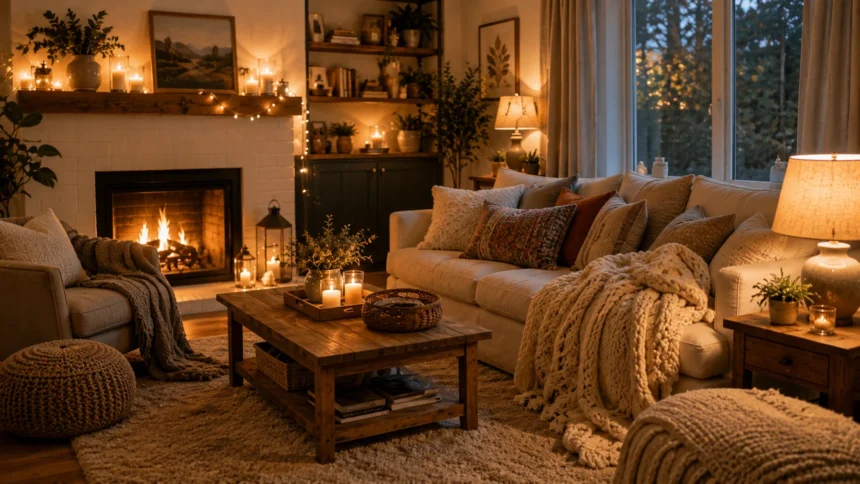
Cozy Home Decor Ideas for a Warm and Inviting Space
A cozy home is not defined by one decorating style, expensive furniture, or a perfectly coordinated color scheme. It is created through comfort, warmth, thoughtful lighting, soft textures, and details that make everyday life feel more relaxing. The best cozy interiors feel welcoming as soon as you enter because the furniture invites you to sit down, the lighting feels gentle, and the room has enough personality to feel lived in rather than staged. Creating this atmosphere is less about adding more things and more about choosing the right elements carefully.
One reason cozy home decor ideas are so popular is that they can work with almost any interior style. Modern, Scandinavian, farmhouse, bohemian, traditional, minimalist, and vintage homes can all feel cozy when they include warm materials, layered fabrics, natural textures, and comfortable seating. You do not need to redesign your entire home to create a warmer atmosphere. Small changes such as replacing harsh lighting, adding a rug, rearranging furniture, or introducing heavier curtains can make a noticeable difference.
Comfort also needs to support the way the household actually lives. A room can look warm in photographs while still feeling uncomfortable if the sofa is too formal, storage is inconvenient, or surfaces are covered with decorative objects. A genuinely inviting interior should be easy to use and easy to maintain. Furniture placement, storage, lighting, and textiles should work together so the room feels calm rather than visually or physically crowded.
This guide explores practical ways to create a warm and inviting home through color, lighting, furniture, rugs, fabrics, natural materials, artwork, and personal objects. You will also find ideas for living rooms, bedrooms, kitchens, bathrooms, entryways, dining spaces, and smaller homes. Whether you are working with a large budget or making gradual updates, these ideas can help you create a home that feels softer, more personal, and more comfortable throughout the year.
Start With a Warm and Comfortable Color Palette
Color has a major influence on whether a room feels cozy because some tones naturally create more visual warmth than others. Warm white, cream, beige, taupe, camel, soft brown, muted terracotta, olive green, dusty rose, and warm gray can all create a comfortable foundation. These shades feel softer than extremely bright white or very cool gray and work particularly well with wood, linen, wool, and other natural materials.
Instead of choosing only one neutral, layer several related shades throughout the room. Cream walls can sit beside a beige sofa, camel cushions, a taupe rug, and natural wood furniture without making the space feel monotonous. Subtle differences in tone create depth and keep a neutral interior from looking flat. This approach also makes it easier to add seasonal colors later without changing the entire room.
Deeper shades can make selected areas feel even more intimate. Forest green, chocolate brown, burgundy, navy, charcoal, or burnt orange can be introduced through an accent chair, cushions, artwork, curtains, or a feature wall. You do not need to use dark colors everywhere. A few richer tones can provide enough contrast to make lighter materials feel warmer.
Always consider the existing flooring, furniture, and natural light before choosing paint. Warm paint can look different beside cool stone floors than it does beside oak or walnut. Test samples at different times of day and under artificial lighting before committing. A thoughtful color palette creates the foundation for every other cozy decorating decision.
Layer Soft Textures Throughout the Room
Texture is one of the easiest ways to make a room feel more comfortable because it adds both visual and physical softness. Wool, cotton, linen, velvet, bouclé, knit fabrics, faux fur, jute, and woven fibers can all create a warmer atmosphere. Layering several materials gives a room depth without requiring many additional colors or patterns.
Start with large textile surfaces such as rugs, curtains, sofas, and bedding. A soft area rug immediately reduces the hardness of wood, stone, or tile flooring, while curtains make windows feel more finished and private. Upholstered seating creates another major layer of softness. Once these larger pieces are established, smaller details such as cushions and throws can build additional comfort.
Mixing textures creates a more interesting result than using the same fabric everywhere. A smooth cotton sofa can be paired with wool cushions, a knitted throw, and a woven rug. The contrast between surfaces makes the room feel layered and natural. This works particularly well in neutral interiors where texture provides most of the visual variation.
Avoid using so many different textures that the room begins to feel busy. Choose several materials and repeat them in different areas. A woven basket can relate to a jute rug, while a wool throw can connect with textured cushions. Repetition gives the room a cohesive appearance while preserving the comfortable layered effect.
Use Layered Lighting Instead of One Harsh Ceiling Light
Lighting may be the single most important element in creating a cozy atmosphere after sunset. A room illuminated only by one bright ceiling fixture often feels flat and overly functional. Instead, combine several smaller light sources that create pools of warmth around seating, tables, artwork, and architectural features. This makes the space feel more relaxed and visually interesting.
Use table lamps on side tables, consoles, and bedside tables to create lower-level illumination. Floor lamps work particularly well beside sofas and reading chairs because they add both height and functional light. Wall sconces can highlight artwork or provide soft background illumination without taking up floor space. Pendant lights can define dining tables, kitchen islands, or reading areas.
Choose warm light temperatures for living rooms, bedrooms, and dining areas. Warm bulbs usually complement wood, cream walls, textiles, and natural materials more effectively than very cool lighting. If possible, install dimmers so brightness can change according to activity and time of day. A room used for cleaning or working may need brighter light than the same room during a quiet evening.
Natural light should also be part of the overall lighting plan. Keep windows relatively open during the day and use curtains that soften rather than completely block daylight when privacy allows. Mirrors can help reflect light deeper into darker areas. A cozy home should feel bright enough during the day and softly illuminated at night.
Add Area Rugs to Warm Up Hard Floors
Area rugs are particularly effective for creating warmth because they soften both the look and feel of a room. Hard flooring can make a large space feel echoing or visually cold, while a properly sized rug helps define furniture and create a more intimate zone. Rugs also provide additional texture and color without requiring permanent changes.
In living rooms, choose a rug large enough to connect the sofa and chairs rather than placing a small rug only beneath the coffee table. At minimum, the front legs of major seating pieces should usually sit on the rug. This makes the furniture arrangement feel unified and gives the room a stronger sense of comfort.
Bedrooms also benefit from softness underfoot. A large rug beneath the bed can extend beyond the sides, or smaller runners can be placed where your feet naturally touch the floor. Wool, low-pile, and other comfortable materials can make mornings feel noticeably more pleasant, especially in homes with tile or hardwood flooring.
Choose rug patterns and colors that support the overall mood. Faded traditional designs, subtle geometrics, warm neutrals, and earthy tones can create a cozy appearance without overwhelming the room. The right rug often becomes the visual foundation that connects furniture, cushions, artwork, and curtains.
Make the Living Room Feel More Intimate
A cozy living room should encourage people to sit, talk, read, or relax. Furniture placement plays a major role in creating that atmosphere. Instead of positioning everything against the outer walls, bring seating closer together when space allows. A more compact arrangement creates a stronger sense of connection and can make even a large room feel more intimate.
Arrange the sofa and chairs around a natural focal point such as a fireplace, coffee table, artwork, or television. Make sure people can comfortably speak to each other without sitting too far apart. Side tables should be within easy reach, while lamps should provide useful light where people actually sit. Comfort comes from how the room functions as much as how it looks.
Add a large rug to visually anchor the seating area and layer it with soft cushions and throws. Choose cushions in different sizes and textures while keeping the overall color palette controlled. Too many cushions can reduce seating comfort, so leave enough room for people to actually use the sofa. The goal is softness without inconvenience.
Complete the space with books, artwork, plants, ceramics, or meaningful personal objects. These details make the living room feel like part of your life rather than a generic showroom. A comfortable seating arrangement combined with thoughtful personal touches can make the room naturally inviting without requiring excessive decoration.
Use Throws and Cushions Without Creating Clutter
Throws and cushions are among the fastest ways to make a room feel warmer because they introduce color, softness, and texture at relatively low cost. A wool or knitted throw draped over a sofa or chair immediately suggests comfort. Cushions can soften straight furniture lines and make seating more visually welcoming.
Choose a limited palette so the arrangement feels intentional. You might combine cream, camel, olive, and rust, or use several shades of blue and gray depending on your existing decor. Mix solid fabrics with subtle patterns rather than using a different bold design on every cushion. This creates visual interest while keeping the room calm.
Vary texture and size for a more natural arrangement. Linen, velvet, woven cotton, wool, and bouclé can all work together when their colors relate. Larger cushions can sit behind smaller ones, while one lumbar cushion can introduce a different shape. This layering feels comfortable without requiring a large number of items.
Keep practicality in mind. If every sofa seat is covered with decorative cushions, the room may look inviting but feel frustrating. Choose enough pieces to add comfort while still leaving usable seating. Cozy decor should support relaxation instead of creating extra work every time someone wants to sit down.
Add Natural Wood for Visual Warmth
Wood naturally makes interiors feel warmer because its grain and color introduce organic variation. Oak, walnut, pine, teak, and other finishes can appear through floors, tables, cabinets, shelves, stools, and decorative objects. Even one substantial wooden element can soften a room dominated by painted walls or manufactured materials.
Light wood creates an airy and relaxed atmosphere, while darker walnut or stained finishes can make a space feel richer and more intimate. You do not need every wood surface to match. A controlled mix often looks more natural because real homes develop gradually rather than arriving as perfectly coordinated furniture sets.
Repeat wood tones in several locations to make the design feel connected. A walnut coffee table might relate to picture frames, a sideboard, or a wooden lamp base. If you have several different finishes, use textiles and neutral colors between them so the room does not feel visually fragmented.
Wood works especially well alongside softer materials such as linen, wool, leather, and woven fibers. Combining hard natural surfaces with comfortable textiles creates the balance that makes cozy interiors successful. Too much softness can feel shapeless, while wood adds structure and visual grounding.
Bring Greenery and Natural Elements Indoors
Plants introduce organic shapes and natural color, making them particularly useful in cozy interiors dominated by neutral tones. A large floor plant can soften an empty corner, while smaller plants can add life to shelves, desks, kitchen counters, or dining tables. Greenery also provides a refreshing contrast against wood and warm textiles.
Choose plants according to realistic light conditions and maintenance habits. A healthy low-maintenance plant will contribute much more to the room than a demanding variety that constantly struggles. Consider sunlight, temperature, humidity, pets, and the amount of time you can realistically devote to plant care.
Natural elements can still be used when living plants are not practical. Dried branches, grasses, flowers, pinecones, stone, wooden bowls, and woven baskets all introduce organic character. A single sculptural branch in a ceramic vase can create a strong focal point without requiring a large decorative arrangement.
Avoid adding tiny plants to every shelf simply to fill empty space. Use natural elements where they contribute to the composition. One large plant or thoughtfully arranged vase can create more impact than many scattered objects. Cozy design benefits from nature, but it also benefits from visual breathing room.
Choose Comfortable Furniture First
A cozy home begins with furniture that feels good to use. A beautiful sofa that is too firm, shallow, or uncomfortable will never create a genuinely inviting living room. Test seating when possible and consider how you normally relax. Deep seats, supportive cushions, soft upholstery, and useful armrests can all influence everyday comfort.
Scale matters as well. Oversized furniture can overwhelm small rooms and restrict movement, while furniture that is too small can make large spaces feel empty and disconnected. Measure the room carefully and leave enough circulation around major pieces. Comfortable interiors should feel relaxed, not cramped.
Rounded furniture can soften a room visually. Curved chairs, oval coffee tables, round ottomans, and softly shaped sofas balance the straight lines created by walls, windows, and cabinetry. You do not need to follow a curved-furniture trend throughout the entire room; one or two pieces can provide enough contrast.
Choose durable fabrics that suit your household. Homes with children, pets, or frequent visitors may need easy-to-clean upholstery rather than delicate materials. Cozy design works best when you are comfortable using the furniture normally instead of worrying constantly about damaging it.
Create a Reading Corner
A reading corner can turn an unused area into one of the most inviting parts of the home. You do not need a dedicated library or large room. A comfortable chair, side table, floor lamp, and small selection of books can create a relaxing place to read, drink coffee, or spend quiet time.
Choose a location near natural light if possible. A corner beside a window provides pleasant daytime illumination, while a floor lamp can take over in the evening. Make sure the chair is genuinely comfortable enough for longer periods. A decorative chair nobody wants to sit in does not serve the purpose.
Add a small rug, throw, or cushion to visually separate the corner from the rest of the room. A plant or nearby artwork can make the space feel more complete. Keep the arrangement simple enough that it remains easy to use instead of turning it into another decorative display.
Books should be within comfortable reach, whether on a small shelf, table, or basket. The reading corner can also reflect personal interests through favorite titles or meaningful objects. Small functional zones like this make homes feel thoughtful and encourage everyday relaxation.
Make the Bedroom Feel Soft and Restful
A cozy bedroom should feel calmer than the busier parts of the home. Begin with a soft, restrained color palette using warm white, cream, beige, muted blue, sage green, or another shade you find relaxing. Strong colors can still be used, but keeping the overall palette controlled usually supports a more restful environment.
Layer bedding instead of relying on excessive decoration. Comfortable sheets, a duvet, quilt, throw, and several useful cushions can create plenty of visual depth. Mix cotton, linen, wool, and other tactile fabrics to make the bed look inviting. The goal is softness that remains practical for daily use.
Lighting should be flexible. Use bedside lamps or wall-mounted fixtures for reading, along with softer general lighting for the rest of the room. Dimmers can help create a transition from brighter morning light to a calmer evening atmosphere. Avoid relying entirely on a harsh ceiling fixture.
Reduce visible clutter around the bed. Store chargers, clothing, paperwork, and personal-care items inside drawers or cabinets where possible. A clear bedside surface with a lamp, book, and small personal item usually feels more peaceful. A cozy bedroom should make it easier to relax rather than continually reminding you of unfinished tasks.
Use Curtains to Soften Windows
Curtains add warmth by introducing fabric across large vertical surfaces. Bare windows can make a room feel unfinished or visually hard, while fabric creates softness, privacy, and better light control. Even simple curtains can change the atmosphere significantly when they are correctly sized and positioned.
Hanging curtains higher than the window frame can make ceilings feel taller and give the room a more generous appearance. Allow panels to extend beyond the sides of the window so they do not block too much daylight when open. Full-length curtains generally create a more polished and cozy look than panels that stop awkwardly above the floor.
Choose fabric weight according to the room. Linen and cotton create an airy softness, while heavier fabrics can add insulation and a more intimate appearance. Bedrooms may benefit from blackout linings, while living rooms can use lighter fabrics where preserving natural light is important.
Select colors that connect with the walls, rug, or upholstery. Curtains do not need to match exactly, but they should feel like part of the broader palette. Warm neutrals are particularly versatile because they create softness without drawing excessive attention away from the rest of the room.
Style the Coffee Table Simply
A coffee table sits near the center of many living rooms, making its styling surprisingly influential. The most inviting arrangements usually combine a few attractive objects with enough clear space for normal use. A table completely covered with decorative accessories can make the room feel cluttered and less comfortable.
Begin with one functional or organizing piece such as a tray. Add a small stack of books, candle, ceramic bowl, or natural element like flowers or greenery. Vary the height slightly so the arrangement has visual interest, but avoid creating something so tall that it blocks conversation across the seating area.
Use objects that relate to your interests when possible. Books you actually enjoy, a handmade bowl, travel object, or favorite candle can make the styling feel more personal. Generic accessories purchased only because they match a trend rarely create the same sense of warmth.
Adjust the display according to how your household uses the table. Families may need more open surface area, while a less-used formal sitting room can support additional decoration. A cozy home should look attractive while remaining easy to live in.
Bring Warmth Into the Dining Room
Dining rooms naturally have the potential to feel welcoming because they are designed around shared meals and conversation. A wooden dining table provides an especially warm foundation, whether its style is modern, farmhouse, traditional, or Scandinavian. The natural material creates visual depth while remaining practical.
Dining chairs should be comfortable enough for people to remain at the table beyond the meal itself. Upholstered seats, curved backs, or supportive wooden designs can all work well. You can mix chair styles carefully if you want a more relaxed, collected appearance, provided the proportions remain comfortable.
Lighting above the table can transform the atmosphere. A pendant or chandelier creates a visual center and brings the light lower into the room. Warm bulbs and dimmers can make evening meals feel more intimate while still providing enough illumination for practical use.
Keep tabletop decoration simple. Candles, a ceramic bowl, flowers, or a natural branch can add warmth without taking over the table. Linen napkins or runners can introduce another textile layer when entertaining. The dining room should feel attractive but always ready to be used.
Make the Kitchen Feel More Inviting
Kitchens are primarily functional, but they do not need to feel clinical. Wood cutting boards, ceramic containers, woven baskets, warm lighting, and carefully displayed cookware can soften hard countertops and cabinetry. Small decorative choices can create warmth without reducing valuable workspace.
Keep countertops mostly clear and display only items that are attractive or used frequently. A wooden board, fruit bowl, coffee setup, and small plant may provide enough visual interest. Storing less-used appliances helps the kitchen feel calmer and makes cleaning easier.
Lighting is particularly important. Under-cabinet lighting can make preparation areas more functional while creating a softer evening atmosphere than overhead lighting alone. Pendant fixtures above islands or dining areas can add both warmth and decorative character.
Textiles can soften the space as well. Tea towels, seat cushions, washable runners, or simple curtains can introduce color and texture. Choose materials that can handle frequent cleaning. Cozy kitchen decor should remain practical around food, moisture, heat, and everyday activity.
Add Warmth to the Bathroom
Bathrooms often contain hard surfaces such as tile, glass, stone, and porcelain, which can make them feel colder than other rooms. Introducing warm wood tones, textured towels, woven baskets, soft lighting, and natural materials can balance these surfaces and create a more relaxing atmosphere.
Start with textiles. Thick towels, a comfortable bath mat, and a simple shower curtain can introduce softness quickly. Choose related neutral or earthy colors so the bathroom feels calm rather than visually crowded. Fresh towels displayed neatly can also contribute to a more spa-like appearance.
Wooden stools, shelves, or vanity details can add natural warmth when they are suitable for humid conditions. Ceramic containers, stone trays, and baskets can organize smaller products while introducing additional texture. Keep the number of visible toiletries controlled so decorative elements remain noticeable.
Lighting around mirrors should be practical but flattering. Very harsh cool light can make the space feel clinical, while warmer balanced lighting creates a softer appearance. Combined with good general illumination, the bathroom can feel both functional and relaxing.
Create a Welcoming Entryway
The entryway sets the mood before visitors reach the rest of the home. Even a small entrance can feel welcoming with a practical combination of storage, lighting, texture, and personal detail. A bench, console, mirror, hooks, or narrow cabinet can provide function without requiring much space.
Use a rug or runner to create warmth underfoot and visually define the entrance. Choose something durable enough for frequent traffic and easy to clean. Patterned rugs can also hide everyday marks better than very pale solid designs.
A table lamp can make an entryway feel significantly warmer than relying only on overhead lighting. Add a small bowl for keys, a framed picture, or plant to create personality. Keep the surface relatively clear so it remains useful when people enter the home.
Storage helps protect the inviting atmosphere. Shoes, bags, coats, and mail can make an entrance cluttered quickly if they have no designated place. Baskets, hooks, drawers, and closed cabinets allow the area to remain organized without feeling overly formal.
Use Candles and Ambient Light Thoughtfully
Candles can make a room feel warmer because their low flickering light creates visual movement and intimacy. Use them on dining tables, coffee tables, consoles, or shelves where they can be enjoyed safely. Simple candleholders often work better than highly decorative arrangements because they fit more easily into different styles.
Unscented candles are practical around meals, while lightly scented options can contribute to the atmosphere in living rooms or bedrooms if household members enjoy fragrance. Avoid mixing many strong scents in the same room. A subtle fragrance generally feels more comfortable than an overwhelming one.
Battery-operated candles can provide a similar visual effect in places where open flames are not practical. They can work particularly well on high shelves, inside lanterns, or in homes with pets or young children. Choose realistic warm-toned light rather than extremely bright artificial flames.
Use candles as part of layered lighting rather than the primary source of illumination. Lamps and wall lights should provide enough functional brightness while candles contribute atmosphere. This combination creates a home that feels comfortable without becoming too dim for normal activities.
Add Personality Through Books and Artwork
A cozy home should reveal something about the people who live there. Books, artwork, photographs, handmade objects, and travel pieces can create a stronger emotional connection than generic decorations. They make the home feel collected and meaningful rather than designed exclusively around trends.
Display books where they are naturally used. Stack several on a coffee table, arrange them on shelves, or place favorite titles beside a reading chair. Their colors and textures create visual warmth while remaining functional. Books also make spaces feel more lived in without necessarily increasing clutter.
Choose artwork you genuinely enjoy rather than purchasing pieces only because they coordinate perfectly with the sofa. Landscapes, abstract works, family photographs, prints, and handmade pieces can all contribute personality. The frame can help connect the artwork to surrounding furniture and materials.
Avoid displaying every personal object at the same time. Curate several meaningful pieces and leave enough open space around them. Rotating artwork or objects can keep the home feeling fresh while allowing each item to stand out more clearly.
Incorporate Vintage Pieces for Character
Vintage furniture and accessories can make a home feel warmer because they introduce patina, craftsmanship, and a sense of history. An older wooden cabinet, side table, mirror, lamp, or chair can add character even when the rest of the room is contemporary. These pieces prevent interiors from looking overly new or coordinated.
Mix vintage and modern furniture rather than trying to recreate an entire historical period. A traditional wood chest can work beautifully beside a modern sofa, while an antique mirror can soften a simple bathroom vanity. Contrast often makes older pieces feel even more distinctive.
Look for quality and useful function when shopping secondhand. Solid wood furniture, durable frames, and repairable construction can provide good long-term value. Natural wear may contribute character, but severe structural damage or persistent odors can make an apparently affordable piece expensive to restore.
Give vintage objects enough space to be noticed. An ornate cabinet surrounded by many other detailed pieces may feel visually crowded. Pairing it with simpler furniture and controlled accessories allows the character of the older item to become a focal point.
Use Woven Baskets for Cozy Storage
Woven baskets provide storage while adding natural texture. They can hold blankets, toys, magazines, shoes, toiletries, firewood, or other household items that would otherwise create visible clutter. Because they combine usefulness with visual warmth, baskets work particularly well in cozy interiors.
Choose sizes according to the items being stored. Large floor baskets can hold throws beside a sofa, while smaller baskets work inside shelves or bathroom cabinets. Using containers that fit the contents helps maintain organization and prevents storage from becoming another source of clutter.
Natural materials such as rattan, seagrass, willow, and similar fibers create an organic appearance that pairs well with wood and textiles. If you use several baskets in the same room, repeating similar tones or weaving styles can create a more cohesive look.
Avoid using baskets to hide belongings you no longer need. Declutter first, then organize what remains. Storage should make everyday life easier rather than simply allowing unnecessary objects to accumulate invisibly.
Make Small Spaces Feel Cozy, Not Crowded
Small rooms can feel naturally intimate, but too much furniture or decoration can quickly make them uncomfortable. Begin by choosing pieces that fit the actual dimensions of the room. Properly scaled furniture allows enough circulation while still providing the comfort needed for everyday use.
Use a limited color palette to reduce visual fragmentation. Warm neutrals combined with one or two accent colors can create depth without making the room feel busy. Repeating wood tones and textile colors also helps the eye move through the space more smoothly.
Take advantage of vertical storage through tall cabinets, wall shelves, or hooks. This keeps floor space more open and reduces the number of storage pieces required. Floor-to-ceiling curtains can also draw the eye upward and make the room feel taller.
Choose fewer decorative objects but make them meaningful. One large artwork, mirror, plant, or lamp can create more impact than many tiny accessories. Leaving some open walls and surfaces allows a small room to feel calm while maintaining the warmth associated with cozy design.
Create Cozy Corners in Larger Rooms
Large rooms sometimes feel less inviting because furniture becomes spread too far apart. Creating smaller functional zones can make the space feel more comfortable. A reading area, conversation corner, game table, or window seat can divide a large room into several intimate environments without adding walls.
Use rugs to define each zone visually. A seating area can have one large rug, while a reading corner might use a smaller rug or lamp to create separation. Repeating colors or materials across the zones keeps them connected even when their functions differ.
Lighting can also define individual areas. A floor lamp beside an armchair creates a natural reading spot, while a pendant can identify a dining or game table. Lower lighting makes large spaces feel more human in scale and creates visual destinations throughout the room.
Avoid filling every empty corner simply because space is available. Some openness makes individual zones more noticeable. The goal is to create purposeful areas rather than adding unnecessary furniture until the entire room becomes crowded.
Decorate With Seasonal Layers
One advantage of cozy decor is that it can change easily throughout the year. In cooler months, heavier throws, wool fabrics, deeper colors, and warmer lighting can create additional comfort. During warmer months, lighter linen, cotton, greenery, and softer neutral colors can keep the home inviting without feeling heavy.
Change small textile layers rather than replacing major furniture. Cushion covers, throws, bedding, and table linens are easy to rotate and relatively simple to store. This allows the atmosphere to evolve while the foundational palette remains consistent.
Natural seasonal elements can add character. Fresh flowers, branches, autumn leaves, dried grasses, or greenery can provide subtle connections with the time of year. These details usually feel more timeless than large collections of strongly themed decorations.
Keep seasonal styling controlled so storing it does not become a burden. A few carefully chosen items can create a noticeable change. Cozy decorating should make the home easier to enjoy rather than creating large amounts of work every few months.
Use Scent to Support a Comfortable Atmosphere
A home can feel cozy through more than appearance alone. Scent influences how people experience a space and can help create a sense of comfort. Candles, diffusers, fresh flowers, clean textiles, and natural cooking aromas can all contribute when used thoughtfully.
Choose subtle fragrances rather than filling every room with strong competing scents. Warm notes such as vanilla, cedar, sandalwood, or gentle spices can feel comforting during cooler seasons, while citrus, herbs, and fresh botanical scents may work better in warmer periods.
Kitchens and dining areas often benefit from minimal artificial fragrance because food provides its own aroma. Bedrooms and living rooms may be more suitable for light scented products. Always consider household preferences, sensitivities, pets, and ventilation before introducing fragrance.
Cleanliness is the foundation of a pleasant-smelling home. Fragrance should complement a fresh space rather than attempting to cover unwanted odors. Regular ventilation, clean fabrics, and good household maintenance create a much stronger foundation for a comfortable atmosphere.
Keep Clutter Under Control
Clutter can quickly undermine a cozy interior because it creates visual noise and makes rooms harder to use. A warm room should feel layered and personal without becoming overcrowded. The difference often comes down to whether everyday items have convenient places to be stored.
Use drawers, cabinets, baskets, storage benches, and other closed solutions for objects that do not need to remain visible. Remote controls, cables, paperwork, toys, chargers, and miscellaneous household items can all make surfaces look messy when they accumulate. Practical storage keeps them accessible without dominating the decor.
Create simple routines for resetting rooms. Returning cushions, folding throws, clearing coffee tables, and putting everyday objects away can take only a few minutes when storage is convenient. Cozy spaces remain more enjoyable when maintaining them does not require major effort.
Edit decorative objects periodically as well. If shelves and tables feel crowded, remove several pieces and see whether the remaining items become more noticeable. Cozy does not mean filling every empty surface. Warmth comes from thoughtful layers, not sheer quantity.
Common Cozy Home Decor Mistakes to Avoid
One common mistake is assuming that cozy means adding more accessories everywhere. Too many cushions, blankets, baskets, candles, and small objects can create clutter rather than comfort. Choose fewer pieces with stronger texture and visual impact. Empty space helps cozy elements feel intentional.
Another mistake is relying entirely on warm colors while ignoring lighting. A beautifully painted beige living room can still feel cold under harsh overhead bulbs. Layered lamps and warm evening light often make a larger difference than another decorative purchase.
Buying furniture only for appearance can also make a room less inviting. A stylish chair that nobody wants to sit in does not create comfort. Test furniture and select materials suited to normal household use. Cozy design is most successful when visual warmth and physical comfort support each other.
Finally, avoid copying a particular decorating trend too literally. Your home should reflect your routines, tastes, and personal history. Use trends as inspiration while prioritizing objects and layouts that genuinely make you comfortable. An inviting home feels personal rather than perfectly replicated from an image.
Create a Cozy Home on a Budget
You can make a home feel warmer without replacing major furniture. Start by rearranging the layout to create closer conversation areas and clearer functional zones. Moving a chair toward the sofa or creating a reading corner can change how the room feels without costing anything.
Update lighting next. A few affordable table or floor lamps with warm bulbs can transform a room after dark. If your budget is limited, lighting often provides a stronger atmosphere change than buying several decorative accessories.
Use inexpensive textiles strategically. Cushion covers, secondhand rugs, throws, curtains, and bedding can introduce new colors and textures at a fraction of the cost of replacing sofas or beds. Shop slowly and choose pieces that work with what you already own.
Secondhand furniture, inherited objects, books, and artwork can provide personality without requiring large spending. Repainting a wall, refinishing a small table, or rearranging existing artwork can also create a noticeable refresh. A cozy home is built through thoughtful decisions, not the amount of money spent.
Final Thoughts
Creating a cozy home is ultimately about making every room feel comfortable, personal, and easy to use. Warm colors, soft textiles, natural materials, comfortable furniture, and layered lighting provide a strong foundation. Once those elements are in place, artwork, books, plants, vintage pieces, and meaningful objects can add the personality that makes the home feel uniquely yours.
The most effective cozy home decor ideas do not require filling every corner. A soft rug, warm lamp, comfortable chair, or beautifully made wooden table can create more atmosphere than dozens of small decorative items. Leave enough breathing room for individual pieces to be appreciated and for everyday activities to remain comfortable.
Remember that coziness can look different in every home. One person may prefer a minimal Scandinavian interior with warm wood and wool, while another feels most comfortable surrounded by vintage furniture, books, and patterned textiles. There is no single formula as long as the design supports relaxation and reflects the people living there.
Most importantly, allow your home to evolve gradually. Add pieces you genuinely enjoy, improve lighting where it feels harsh, and adjust furniture as your routines change. A truly warm and inviting home does not need to look perfect. It needs to feel like a place where you and your guests naturally want to stay.
Frequently Asked Questions
What makes a home feel cozy and inviting?
Warm lighting, soft textiles, comfortable furniture, rugs, natural wood, personal objects, and a balanced color palette can all make a home feel more inviting. Practical furniture placement and controlled clutter also contribute significantly.
What colors make a room feel cozy?
Warm white, cream, beige, taupe, brown, terracotta, olive green, burgundy, and muted earthy shades work particularly well. Layer several related tones rather than relying on one color throughout the room.
How can I make my living room feel cozy on a budget?
Rearrange seating, add warm lamps, introduce a secondhand rug, use textured cushion covers, display books, and bring in plants or natural materials. Small high-impact changes can transform the atmosphere without replacing furniture.
How do I make a modern home feel warmer?
Combine clean modern furniture with wood, textured rugs, linen curtains, warm lighting, plants, artwork, and soft upholstery. These elements reduce the coldness that can sometimes occur in highly minimal interiors.
Can a small home still have cozy decor without looking cluttered?
Yes. Use properly scaled furniture, closed storage, a limited color palette, warm lighting, and fewer larger decorative pieces. Small spaces can feel especially cozy when the layout remains organized and easy to move through.