

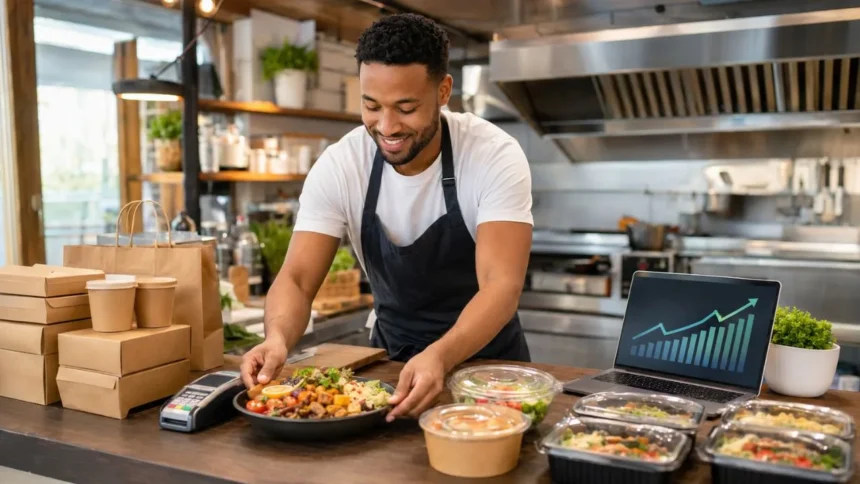
Food Business: How to Start, Grow, and Make It Profitable
Starting a food business can turn your cooking skills, family recipes, or creative food ideas into a reliable source of income. However, making delicious food is only one part of building a successful operation. You must also understand customers, control costs, follow food safety rules, and market your products effectively.
The food industry offers many opportunities, from home-based baking and meal preparation to food trucks, cafés, catering companies, and packaged food brands. You do not always need a large restaurant or an expensive commercial kitchen to begin. A focused concept and a manageable product range can provide a more practical starting point.
Profitability does not happen automatically, even when customers enjoy the food. Ingredient waste, inaccurate pricing, excessive menu choices, and delivery commissions can quickly reduce margins. Successful owners regularly monitor their numbers and make decisions based on actual sales rather than personal assumptions.
This guide explains how to start a food business, attract customers, improve operations, and build sustainable profits. Whether you are testing a small food business idea or planning a full restaurant, these steps will help you move forward with greater confidence.
What Is a Food Business?
A food business is any operation that prepares, manufactures, packages, sells, serves, or delivers food and drinks. Common examples include restaurants, cafés, bakeries, catering services, food trucks, cloud kitchens, meal-preparation companies, and home-based food businesses.
The term also covers businesses that sell packaged goods such as sauces, spices, frozen meals, snacks, desserts, and specialty beverages. Some owners sell directly to consumers, while others supply supermarkets, restaurants, hotels, offices, or independent retailers.
Food businesses can operate through physical premises, online ordering platforms, farmers’ markets, delivery applications, or social media. Many modern operators combine several sales channels instead of depending entirely on walk-in customers or a single delivery marketplace.
Each model has different startup costs, legal requirements, staffing needs, and profit potential. Choosing the right structure depends on your budget, experience, target audience, local demand, and ability to manage daily operations.
Why Start a Food Business?
Food remains an essential purchase, which creates consistent demand across different customer groups. People regularly buy convenient meals, snacks, desserts, drinks, and products that meet specific dietary or cultural preferences.
A food company also gives entrepreneurs several ways to begin at a manageable scale. You might start by accepting weekend orders, selling at local events, preparing office lunches, or testing one packaged product before investing in a permanent location.
The industry allows owners to build a distinctive identity through flavor, presentation, service, packaging, or personal storytelling. A memorable concept can develop strong customer loyalty, especially when the experience feels authentic and delivers consistent value.
However, demand for food does not guarantee success for every company. Competition is high, operating costs can change, and customer expectations continue to evolve. A profitable food business therefore needs planning, discipline, adaptability, and careful financial management.
Choose the Right Food Business Idea
Begin with an idea that matches your skills, resources, and local market. A concept may sound exciting, but it must also be practical to produce consistently and affordable enough for customers to purchase regularly.
Consider whether you want to sell ready-to-eat meals, baked goods, beverages, catering packages, meal kits, or packaged products. You should also decide whether your service will be home-based, mobile, delivery-focused, wholesale, online, or located in a traditional storefront.
Look for a clear customer problem your business can solve. Busy professionals may need healthy office lunches, parents might value convenient family meals, and customers with dietary restrictions may struggle to find enjoyable options nearby.
Avoid launching too many products at once. Start with a focused food concept and a small menu containing your strongest, most profitable items. You can introduce additional products after learning what customers actually want.
Identify Your Target Market
Your target market is the specific group most likely to purchase your food. Defining this audience helps you choose appropriate products, prices, packaging, delivery options, marketing channels, and opening hours.
Think beyond broad descriptions such as “people who love food.” A more useful audience might be university students seeking affordable dinners, office workers ordering weekday lunches, or health-conscious consumers looking for high-protein snacks.
Study how your ideal customers currently solve their food needs. Find out where they shop, how much they normally spend, what frustrates them, and which factors influence their choices, including convenience, taste, nutrition, speed, and price.
You can collect this information through customer interviews, surveys, sample sales, social media discussions, and competitor reviews. Early research lowers the risk of investing heavily in an idea that has limited or inconsistent demand.
Research Your Local Competition
Competitor research helps you understand what customers can already buy and where opportunities may exist. Examine direct competitors selling similar products and indirect competitors offering alternative solutions to the same customer need.
Review their menus, prices, portion sizes, packaging, promotions, delivery options, customer service, and online reputation. Pay particular attention to repeated complaints because they may reveal problems your food startup could solve more effectively.
You do not need to copy a successful competitor. Instead, identify how your business can provide a clearer reason to choose it. Your advantage might involve better convenience, fresher ingredients, faster delivery, distinctive flavors, or improved customer service.
Continue monitoring competitors after launching because the food market changes quickly. New sellers, menu trends, delivery services, and customer preferences can affect demand. Regular research helps you adjust before declining sales become a serious problem.
Develop a Clear Unique Selling Proposition
Your unique selling proposition explains why customers should buy from you instead of another food provider. It should communicate a specific benefit rather than relying on vague statements such as “high quality” or “best taste.”
A useful proposition may focus on a customer group, special preparation method, regional cuisine, dietary need, ingredient standard, or convenience benefit. For example, a company might provide nutritious office lunches delivered before midday.
Keep your positioning simple enough for customers to understand immediately. If your concept requires a long explanation, it may be difficult to communicate through packaging, social media profiles, advertisements, or storefront signs.
Your promise must also be realistic. A powerful brand message creates expectations, and failing to meet those expectations can damage customer trust. Build your positioning around something you can deliver reliably with every order.
Create a Food Business Plan
A food business plan gives your idea structure and helps you evaluate whether it can become financially sustainable. It does not need to be overly complicated, but it should explain what you will sell and how the operation will work.
Include your concept, target audience, competitor analysis, menu, pricing model, marketing strategy, staffing plan, equipment requirements, sales channels, and startup budget. You should also identify important risks and how you intend to manage them.
Your financial section should estimate monthly sales, food costs, labor, rent, utilities, packaging, delivery fees, marketing expenses, taxes, and other overhead. Prepare conservative, realistic, and optimistic forecasts instead of depending on one ideal scenario.
Treat the plan as a working document rather than a one-time assignment. Update it when you discover new costs, customer behaviors, or opportunities. Regular reviews help you compare actual performance with your original expectations.
Select a Suitable Business Model
A home-based food business often has lower startup costs, making it useful for testing recipes and demand. However, local regulations may limit the foods you can prepare, where you can sell them, or how much you can produce.
A food truck or mobile stall offers flexibility and access to events, offices, and busy public locations. The model still involves vehicle expenses, permits, fuel, maintenance, storage, and unpredictable sales caused by weather or changing foot traffic.
A cloud kitchen focuses on takeaway and food delivery without maintaining a traditional dining area. It can reduce front-of-house costs, but the business may depend heavily on digital visibility, strong packaging, and delivery-platform performance.
Restaurants and cafés can create valuable customer experiences and higher transaction opportunities. Nevertheless, they normally require more capital, employees, equipment, and daily management. Choose a model that suits your available resources rather than your ambitions alone.
Test Your Food Concept Before Launching
Testing helps you improve your product before committing to expensive equipment, packaging, or premises. Prepare a small selection and offer it through pre-orders, local markets, private tastings, pop-up events, or limited delivery areas.
Ask participants for detailed feedback about flavor, portion size, presentation, price, packaging, and ordering convenience. Avoid asking only whether they liked the food because positive comments do not always indicate a willingness to purchase.
Track which products people reorder rather than focusing entirely on initial curiosity. Repeat purchases are a stronger sign of genuine demand. A profitable product should also remain practical to produce when order volumes increase.
Use your findings to improve recipes, remove weak products, simplify preparation, and adjust prices. Testing may reveal that a smaller or slightly different concept has more commercial potential than your original food business idea.
Calculate Your Startup Costs
Startup expenses depend on the type and scale of your operation. Common costs include cooking equipment, refrigerators, utensils, licenses, inspections, insurance, initial ingredients, packaging, branding, website development, and marketing.
If you are opening physical premises, include deposits, renovation, furniture, signage, utility connections, and point-of-sale equipment. Leave room for unexpected expenses because fit-outs and regulatory requirements can cost more than initially estimated.
You also need working capital to cover expenses before sales become consistent. New operators sometimes spend their full budget on opening and then struggle to buy ingredients, pay employees, or promote the business during the early months.
Separate essential purchases from optional upgrades. Reliable equipment, food safety, and efficient production should take priority over decorative items. You can improve the customer-facing environment once the company generates stable cash flow.
Handle Licenses, Permits, and Food Safety
Before selling food, research the regulations that apply to your location and business model. Requirements may include business registration, food-handler training, health permits, inspections, zoning approval, tax registration, and product-labeling compliance.
Home-based businesses are not automatically exempt from food regulations. Certain foods may require preparation in an approved commercial kitchen, while others might qualify under local cottage-food rules. Verify the requirements before accepting paid orders.
Create documented procedures for cleaning, storage, temperature control, allergen management, cross-contamination prevention, and employee hygiene. Food safety protects customers and reduces the risk of illness, legal action, negative publicity, and operational closure.
Make allergen information clear and train employees to answer customer questions responsibly. Never promise that a product is allergen-free unless your preparation environment and processes can genuinely support that claim.
Build a Focused and Profitable Menu
A smaller menu is often easier to manage than an extensive selection. It reduces ingredient requirements, simplifies staff training, speeds up preparation, and makes it easier to maintain consistent food quality during busy periods.
Choose products that fit your concept and share ingredients where practical. For example, one sauce, vegetable, or protein might appear in several dishes. This approach improves inventory turnover without making every menu item feel identical.
Evaluate each product based on popularity, selling price, ingredient cost, preparation time, packaging needs, and profit contribution. A popular item is not necessarily valuable if it requires excessive labor or produces a very small margin.
Regularly review menu performance and remove products that consistently waste ingredients or sell poorly. Highlight profitable bestsellers and test seasonal items in limited quantities before making them permanent additions.
Price Your Food for Profit
Your selling price must cover ingredients, labor, packaging, rent, utilities, delivery charges, marketing, waste, taxes, and profit. Simply copying a competitor’s price can be dangerous because their costs and financial strategy may be different.
Calculate the complete cost of producing each item using accurate recipe quantities. Include sauces, garnishes, cooking oil, takeaway containers, and small ingredients because these expenses become significant across hundreds of orders.
After determining your total costs, assess what your target customers are willing to pay and how your offer compares with alternatives. Strong branding, convenience, service, and product quality can support a higher price when customers recognize the value.
Review prices regularly as supplier costs, wages, and operating expenses change. If an increase is necessary, consider improving value through better packaging, convenient bundles, or loyalty rewards instead of apologizing for running a sustainable business.
Find Dependable Suppliers
Reliable suppliers help you maintain consistent quality, availability, and cost control. Compare multiple vendors based on product standards, pricing, minimum order quantities, delivery schedules, payment terms, and their response to shortages or complaints.
Do not choose a supplier solely because it offers the lowest price. Poor ingredients, late deliveries, or inconsistent sizes can damage the customer experience and disrupt your recipes. Reliability has real financial value in food operations.
Build professional relationships with key suppliers and communicate your expected order volumes. As the business grows, you may be able to negotiate better rates, payment terms, or delivery arrangements without compromising ingredient quality.
Maintain approved backup suppliers for important ingredients and packaging. Depending on one source creates unnecessary risk, particularly when seasonal shortages, transport problems, or unexpected price increases affect availability.
Design Efficient Kitchen Operations
Efficient operations help your team produce consistent food without unnecessary movement, confusion, or delay. Arrange preparation stations according to the natural sequence of receiving, storing, preparing, cooking, packing, and dispatching orders.
Create standardized recipes with exact ingredients, quantities, preparation instructions, cooking times, and portion sizes. Standardization protects flavor and makes food-cost calculations more accurate, even when different employees prepare the same dish.
Prepare suitable ingredients in advance based on realistic sales forecasts. Too little preparation creates delays and lost orders, while excessive preparation increases spoilage. Historical sales data can gradually improve your production planning.
Review the kitchen workflow during busy periods and identify recurring bottlenecks. A simple change in equipment placement, order tickets, storage containers, or staff responsibilities can improve speed without requiring additional employees.
Create a Memorable Food Brand
Your brand includes much more than a logo. It covers your business name, visual identity, packaging, photography, customer service, tone of voice, menu style, and the feeling people associate with ordering from you.
Choose a name that is easy to say, remember, and search online. Before committing, check whether matching website domains and social media handles are available and whether the name conflicts with existing businesses or trademarks.
Use consistent colors, images, and messaging across your packaging, menus, website, storefront, and social profiles. Consistency makes a small food business appear more established and helps customers recognize it quickly.
Tell a genuine story about the purpose behind your company, but keep the customer at the center. People may appreciate your background, yet they ultimately want to know how your product will improve their meal, celebration, routine, or experience.
Market Your Food Business Online
A professional website gives customers a reliable place to view your menu, opening hours, service area, contact details, and ordering options. Keep the site fast, mobile-friendly, visually clear, and easy to navigate.
Use local SEO to help nearby customers discover your company when searching for relevant food. Create accurate business listings, maintain consistent contact information, add quality photos, and encourage satisfied customers to leave honest reviews.
Social media works best when it shows the real experience behind your brand. Share preparation videos, new products, ingredient stories, customer reactions, limited offers, and useful food content rather than posting advertisements every day.
Build an email or messaging list so you can communicate directly with customers. Send useful updates, preorder reminders, seasonal menus, and occasional promotions. Direct communication reduces your dependence on constantly changing social media algorithms.
Use Food Delivery Platforms Carefully
Delivery applications can introduce your food brand to a large audience and generate orders quickly. However, commissions, advertising charges, discounts, refunds, and packaging expenses may significantly reduce the profit from each transaction.
Calculate the net profit from platform orders rather than celebrating total sales alone. If a product does not remain profitable after all charges, adjust its price, portion, packaging, or availability on that particular channel.
Design food specifically for travel. Choose containers that protect temperature, texture, appearance, and portion integrity. Test each item after the typical delivery time to understand what the customer actually receives.
Encourage repeat customers to use your direct ordering system when permitted. Offer convenience and simple loyalty benefits rather than making the process difficult. A healthy channel mix protects the business from dependence on one delivery provider.
Attract Your First Customers
Your first buyers may come from personal networks, local communities, offices, schools, events, gyms, or neighborhood groups. Ask them to provide honest feedback, photos, reviews, and referrals instead of relying only on supportive compliments.
Offer a focused launch promotion that encourages trial without weakening your perceived value. Meal bundles, samples, preorder incentives, or a limited opening offer can work better than offering large discounts on every product.
Partner with nearby companies or complementary businesses. A bakery could collaborate with a coffee shop, while a meal-preparation service might work with fitness studios or local workplaces to reach relevant customers.
Make the first ordering experience simple and reliable. Clear communication, correct orders, secure packaging, and punctual delivery often matter as much as taste. A smooth experience gives customers a reason to return and recommend you.
Turn First-Time Buyers Into Loyal Customers
Repeat customers are essential because constantly finding new buyers is expensive. Encourage loyalty by delivering consistent food quality and service rather than depending entirely on coupons, points, or frequent discounts.
Remember useful customer preferences when appropriate and respond quickly when something goes wrong. A sincere apology and a fair solution can restore trust, while defensive communication may permanently lose the customer.
Create simple loyalty rewards that encourage profitable behavior. You might reward repeat orders, direct purchases, referrals, subscriptions, or larger bundles. Ensure the reward does not cost more than the additional business it produces.
Stay connected without overwhelming people. Inform customers about new products, weekly menus, seasonal offers, and availability. Useful, well-timed communication keeps your brand memorable between purchases.
Control Food Costs and Reduce Waste
Food waste directly reduces profit, making inventory management one of the most important responsibilities in a food business. Record what you purchase, use, sell, spoil, return, or discard instead of relying on rough estimates.
Use the first-in, first-out method so older ingredients are used before newer stock. Label products clearly with preparation and use-by information, and organize storage so employees can see what is available.
Compare actual ingredient usage with the amount expected from your recipes. Large differences may indicate over-portioning, incorrect preparation, unrecorded waste, theft, or inaccurate purchasing. Address the cause rather than simply ordering more supplies.
Find responsible ways to use safe surplus ingredients through daily specials, secondary products, staff meals, or donations where regulations permit. Never compromise food safety merely to avoid recording a loss.
Manage Cash Flow Carefully
A food business can appear busy while still experiencing financial problems. Sales revenue may arrive at a different time from supplier, payroll, rent, tax, and loan payments, creating temporary but serious cash shortages.
Prepare a weekly cash-flow forecast showing expected money coming in and payments going out. This short-term view helps you identify difficult periods early and delay optional purchases or negotiate appropriate payment arrangements.
Keep personal and business finances separate. Use dedicated accounts and record every transaction so you can understand performance, prepare accurate tax information, and avoid spending money needed for upcoming obligations.
Maintain an emergency cash reserve when possible. Equipment failures, seasonal sales changes, supplier increases, and unexpected repairs are common. A reserve gives you time to respond without using expensive short-term borrowing.
Understand Your Profit Numbers
Revenue tells you how much money the business receives, but profit shows what remains after expenses. Owners should understand gross profit, operating profit, net profit, and the contribution made by individual menu items.
Monitor food cost percentage, labor cost, average order value, order volume, waste, customer retention, and sales by channel. These key performance indicators reveal where the business is gaining or losing money.
Calculate your break-even point to understand how many products or orders you must sell to cover fixed and variable expenses. This figure helps you set realistic sales targets and evaluate new investments.
Review financial results at least monthly and investigate meaningful changes. If sales increase while profit declines, rising costs, discounting, delivery fees, or inefficient operations may be responsible.
Hire and Train the Right Team
Hire employees based on reliability, attitude, hygiene awareness, and willingness to learn as well as technical ability. A skilled worker who ignores procedures or treats customers poorly can create significant problems.
Provide structured training on recipes, food safety, cleaning, equipment, customer service, allergens, order handling, and emergency procedures. Written checklists make expectations clear and reduce dependence on verbal instructions.
Schedule employees according to genuine demand. Understaffing creates delays and burnout, while overstaffing increases labor costs. Use sales patterns by hour and day to build more accurate schedules.
Create a respectful workplace where employees can report mistakes and safety concerns without fear. Staff members often identify operational problems before managers do, and their suggestions can improve speed, quality, and morale.
Grow Without Losing Quality
Growth should begin after your original operation becomes consistent and financially healthy. Expanding an unstable food business usually spreads its existing problems across more customers, employees, products, or locations.
Document recipes, ordering procedures, supplier standards, cleaning schedules, training methods, and customer-service expectations. These systems allow other people to deliver the experience without depending on the owner’s constant presence.
Test one growth method at a time, such as catering, wholesale supply, corporate packages, subscriptions, or a second delivery area. Measure its profitability before investing in another major expansion.
Protect the qualities that made customers loyal in the first place. Growth is valuable only when food quality, service, financial control, and brand reputation remain strong enough to support it.
Explore Additional Revenue Streams
Adding revenue streams can increase average customer value and reduce dependence on one sales channel. Suitable options may include catering, event packages, subscriptions, cooking classes, meal plans, or branded packaged products.
Choose opportunities that fit your existing kitchen, team, audience, and brand. A new offer should make productive use of current resources instead of introducing expensive complexity for limited additional revenue.
Test each idea on a small scale and calculate all related costs. A popular catering package might still be unprofitable when transportation, setup, serving staff, equipment rental, and cleanup are included.
Avoid launching several new services simultaneously. Build reliable systems for one revenue stream, study the results, and then decide whether to continue, improve, or discontinue it.
Use Technology to Improve the Business
A point-of-sale system can show which products sell, when demand is highest, and how customers prefer to pay. Use this information to improve menu decisions, staffing, inventory, and promotions.
Online ordering can reduce telephone errors and make purchasing more convenient. Ensure the system clearly displays customization options, allergen notices, pickup instructions, delivery areas, and accurate availability.
Inventory and recipe-costing tools can help track ingredient usage and price changes. Even a carefully maintained spreadsheet can provide value when the business is small and employees follow a consistent process.
Technology should remove friction rather than create it. Select tools that solve a clear operational problem, integrate with existing systems, and remain easy for employees and customers to use.
Common Food Business Mistakes to Avoid
One common mistake is spending heavily before confirming demand. Expensive premises, equipment, and branding cannot rescue a concept that customers do not understand, need, or consider worth the price.
Another mistake is confusing strong sales with profitability. Large discounts and delivery-platform promotions can generate orders while producing little profit. Evaluate what remains after every associated expense.
Some owners expand menus in an attempt to please everyone. This creates complicated purchasing, inconsistent preparation, slower service, and more waste. A focused menu generally produces better operational control.
Ignoring customer feedback is equally dangerous, but following every individual suggestion can also weaken your concept. Look for repeated patterns and use sales data to decide which changes deserve attention.
How to Make a Food Business Profitable
Profitability begins with a product customers genuinely want at a price that covers the complete cost of delivering it. Clear positioning and consistent quality make it easier to attract the right audience without excessive discounting.
Improve profit by managing portions, negotiating supplier terms, reducing waste, simplifying the menu, and scheduling labor accurately. Small improvements across several areas can create a significant overall financial result.
Increase average order value through sensible combinations, add-ons, catering packages, and subscriptions. These offers should improve the customer’s experience rather than pressure buyers into purchasing items they do not need.
Finally, review your numbers and customer feedback consistently. A profitable food business is built through repeated adjustments, not one perfect decision. Owners who measure performance can respond before small problems become expensive ones.
Final Thoughts
Building a successful food business requires creativity and commercial discipline. Your recipes may attract attention, but pricing, food safety, cost control, marketing, customer service, and operational consistency determine whether the company survives.
Start with a focused concept, validate demand, and understand your expenses before making a major investment. Small-scale testing can reveal weaknesses while they are still affordable and relatively easy to fix.
Once the business is operating, pay attention to repeat purchases, profit margins, waste, cash flow, and customer feedback. These signals provide a clearer picture of health than social media attention or total revenue alone.
Growth should be deliberate and supported by reliable systems. When you combine enjoyable food with strong financial and operational management, your food business has a much better chance of becoming sustainable and profitable.
Frequently Asked Questions
How much money do I need to start a food business?
Startup costs depend on your model, location, equipment, licenses, and product range. A small home-based operation may require limited capital, while a restaurant can demand a substantial investment.
Can I start a food business from home?
You may be able to operate from home if local zoning and food safety regulations permit it. Check licensing, kitchen inspection, labeling, and permitted-food requirements before selling anything.
What is the most profitable type of food business?
There is no single most profitable model for every market. Focused menus, strong demand, controlled ingredient costs, efficient labor, and repeat customers usually have more influence than the business category alone.
How do I attract customers to a new food business?
Start with local SEO, social media content, samples, community partnerships, customer referrals, and a focused launch offer. Make ordering convenient and encourage satisfied buyers to leave honest reviews.
How long does it take for a food business to become profitable?
The timeline varies according to startup costs, demand, pricing, and operating efficiency. Track monthly cash flow and break-even performance instead of expecting profitability by a fixed date.