
Amla: Benefits, Uses, Nutrition & Side Effects
Amla, also known as Indian gooseberry, is a small green fruit that has been used for centuries in traditional food and wellness practices across South Asia. It has a sharply sour taste, a firm texture, and a reputation for being naturally rich in vitamin C and plant compounds with antioxidant activity. Today, amla appears in many forms, including fresh fruit, juice, powder, preserves, dried pieces, hair oils, and dietary supplements. Interest in amla has grown because people often look for natural ways to support nutrition, digestion, skin health, hair care, and overall wellness. However, many health claims surrounding amla are stronger than the available human evidence. Understanding what amla can realistically do is more useful than treating it as a cure-all.
From a nutritional perspective, amla can be a valuable addition to a balanced diet because it provides vitamin C, fiber, and several polyphenols. These nutrients can contribute to normal immune function, collagen formation, digestive health, and protection against oxidative stress. Some early research also suggests that amla may influence blood sugar, cholesterol, and inflammation, although results are not strong enough to replace standard medical treatment. The way amla is processed also matters because sweetened juices, candies, and preserves may contain substantial added sugar. Fresh amla or unsweetened preparations generally provide the fruit’s nutritional benefits with fewer unnecessary calories. Supplements require additional caution because their concentration and quality can vary.
This guide explains the possible amla benefits, common uses, nutritional value, ways to consume it, and important side effects or precautions. It also separates traditional uses from what modern research can reasonably support, which is especially important for people taking medicines or managing chronic health conditions. Amla may fit well into many diets, but natural products can still cause side effects and interact with medication. People who are pregnant, preparing for surgery, taking blood-thinning medicines, or using treatment for diabetes may need individualized advice before consuming concentrated extracts. The goal is to use amla as a food or supplement thoughtfully rather than expecting one ingredient to solve every health concern.
What Is Amla and Why Is It Popular?
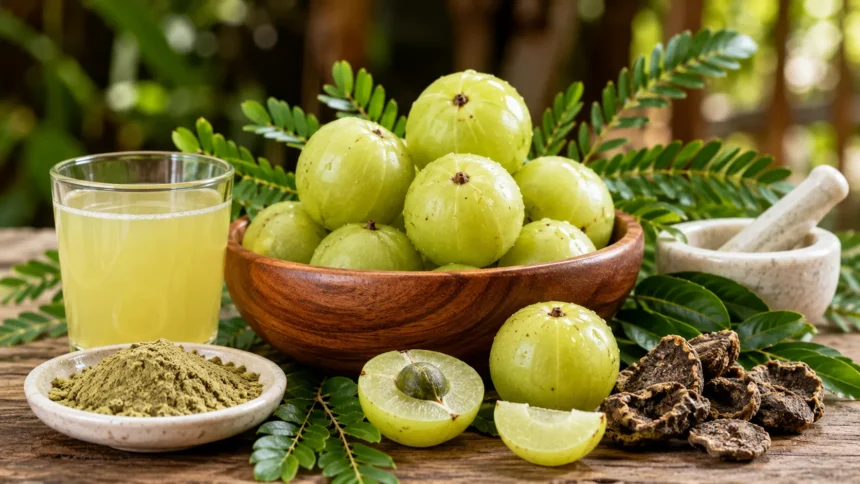
Amla is the fruit of the Phyllanthus emblica tree, which is native to parts of South and Southeast Asia and is widely cultivated in India. The fruit is usually round, pale green or yellow-green, and divided into subtle vertical segments. Its taste is intensely sour and slightly bitter or astringent, which can make eating it raw challenging for some people. Amla has a long history in traditional Indian cuisine and Ayurvedic practices, where it has been incorporated into tonics, herbal mixtures, preserves, and hair preparations. Modern interest has expanded beyond traditional use because the fruit contains vitamin C and numerous plant compounds that researchers continue to study.
One reason amla has attracted attention is its high concentration of antioxidant-related compounds. Vitamin C is one of the most recognizable nutrients in the fruit, but amla also contains tannins, flavonoids, and other polyphenols. These compounds can help neutralize reactive molecules involved in oxidative stress, although antioxidant activity measured in a laboratory does not automatically translate into dramatic health effects in humans. Eating antioxidant-rich fruits as part of a varied diet can support overall nutritional quality. Amla can therefore be viewed alongside berries, citrus fruits, guava, and other nutrient-dense produce. Its value comes from being one useful food among many rather than a uniquely powerful medicine.
Amla is also popular because it can be consumed in numerous forms. Fresh fruit may be sliced, salted, pickled, or incorporated into chutneys, while dried amla can be eaten as a snack or ground into powder. Juice and concentrated extracts are commonly sold as wellness products, and amla powders may be added to smoothies or water. Traditional preparations sometimes combine amla with other herbs, which makes it difficult to know which ingredient is responsible for a reported effect. Supplements can also provide much higher concentrations than a normal serving of fruit. The form being used therefore matters when considering both benefits and potential side effects.
Another reason for amla’s popularity is its association with hair and skin care. Amla oil is widely applied to the scalp and hair in the belief that it improves shine, strength, and appearance. Amla-based shampoos, masks, and powders are also marketed for hair growth and scalp health. While conditioning oils can reduce friction and improve the cosmetic feel of hair, strong claims that amla alone reverses significant hair loss are not well established. Skin-related claims often focus on vitamin C and antioxidant content. Nutritionally, vitamin C supports collagen formation, but topical and dietary benefits should not be confused with guaranteed cosmetic transformation.
The growing supplement market has also made amla more accessible internationally. Consumers can now find standardized extracts, capsules, gummies, powders, and blended wellness formulas containing Indian gooseberry. Convenience can be useful, but it also creates challenges because supplements may differ in concentration, purity, added ingredients, and manufacturing standards. A small amount of fresh amla is not necessarily equivalent to a concentrated extract. Anyone using supplements for a specific health goal should check the label carefully and avoid assuming that higher doses will produce better results. Food-based use is generally easier to integrate safely into an ordinary diet.
Amla Nutrition: What Does Indian Gooseberry Contain?
Amla is best known nutritionally for its vitamin C content. Vitamin C is a water-soluble nutrient involved in collagen production, immune function, iron absorption, wound healing, and antioxidant defense. The exact amount in amla can vary with variety, ripeness, storage conditions, and processing method. Fresh fruit generally retains more vitamin C than products exposed to prolonged heat or storage, although amla’s natural polyphenols may help protect some of its vitamin content. Eating amla can therefore contribute meaningfully to dietary vitamin C intake. It should still be consumed as part of a varied diet containing several fruits and vegetables rather than as the only vitamin C source.
The fruit also contains dietary fiber, especially when eaten whole rather than consumed only as filtered juice. Fiber supports regular bowel movements, contributes to stool bulk, and helps nourish beneficial intestinal bacteria. It can also slow the absorption of carbohydrates when included within a balanced meal. Juice contains less fiber because much of the fruit’s solid material is removed during processing. This distinction is important for people using amla primarily for digestive or metabolic goals. Whole fruit or minimally processed powder generally provides more fiber than a clear beverage, while sweetened juices can add substantial sugar that changes the nutritional profile.
Amla contains numerous phytochemicals that contribute to its characteristic taste and potential antioxidant activity. These include tannins, phenolic acids, flavonoids, and related plant compounds. Researchers are interested in how these molecules may influence inflammation, lipid metabolism, glucose regulation, and cellular stress. However, identifying biologically active compounds does not prove that consuming a supplement will prevent or treat disease. Human outcomes depend on digestion, absorption, dose, overall diet, health status, and many other variables. Plant compounds are best considered part of the nutritional complexity of whole foods rather than isolated guarantees of medical benefit.
Amla is relatively low in calories when eaten fresh and without added sweeteners. This makes it possible to include the fruit in meals or snacks without substantially increasing energy intake. The situation changes when amla is processed into candy, sweet preserves, syrups, or heavily sweetened juice. Added sugar may make the sour fruit easier to consume but can significantly increase calorie and carbohydrate content. People managing blood glucose, dental health, or overall calorie intake should read labels rather than assuming every amla product is automatically healthy. The nutritional value of the original fruit does not cancel out large amounts of added sugar.
Minerals and smaller amounts of other nutrients are also present in amla, though vitamin C remains its most prominent nutritional feature. The fruit may provide modest amounts of calcium, iron, potassium, and other micronutrients depending on growing conditions and processing. These amounts should not be treated as a substitute for a balanced diet or medically prescribed supplementation. Amla’s broader value lies in combining fiber, vitamin C, and diverse plant compounds within a low-calorie food. When consumed regularly alongside vegetables, legumes, whole grains, protein sources, and other fruits, it can contribute to overall dietary quality without needing exaggerated health claims.
Potential Amla Benefits for Immune and Antioxidant Support
One of the most commonly discussed amla benefits is support for normal immune function. This connection largely comes from the fruit’s vitamin C content, because vitamin C contributes to several functions of the immune system. Adequate intake supports immune-cell activity, tissue integrity, and antioxidant protection during normal metabolic processes. However, consuming very large amounts of vitamin C does not make the immune system infinitely stronger or guarantee protection from infection. Amla can help meet nutritional needs, but it should not be promoted as a substitute for vaccination, sleep, medical care, hygiene, or a balanced diet. Its role is supportive rather than curative.
Antioxidant activity is another major reason amla receives attention. Oxidative stress occurs when reactive molecules are produced faster than the body’s antioxidant systems can manage them. Diets rich in fruits and vegetables provide numerous nutrients and phytochemicals that support those natural defenses. Amla contains vitamin C and polyphenols capable of antioxidant activity in laboratory settings. These properties may help explain some of the physiological effects observed in early studies. However, measuring antioxidant capacity in a test tube is very different from proving that a supplement prevents aging or chronic disease in humans. Real health outcomes are influenced by many interacting factors.
Amla’s antioxidant compounds may also help protect certain food components or biological molecules from oxidation, which is one reason researchers are interested in cardiovascular and metabolic applications. Some small clinical studies have reported changes in cholesterol, oxidative markers, or inflammatory measurements after amla supplementation. These findings are interesting but should be interpreted cautiously because study sizes, doses, formulations, and participant characteristics vary. Larger and more consistent research is needed before strong treatment claims can be made. People taking medication for cholesterol, heart disease, or metabolic conditions should not replace prescribed therapy with amla based on preliminary findings.
The strongest practical interpretation of amla’s antioxidant reputation is simple: it is a nutrient-dense fruit that can contribute to a diverse plant-rich diet. Diet quality matters because no single antioxidant works in isolation. Vegetables, berries, legumes, nuts, seeds, spices, and whole grains contain thousands of compounds that may work together in different ways. Adding amla can increase variety, particularly for people who enjoy its flavor or already use it culturally. This approach avoids the common mistake of searching for one “superfood” to compensate for an otherwise unbalanced eating pattern. Consistency across the whole diet matters more than any individual ingredient.
Amla can also be useful for people who prefer food-based sources of vitamin C. Fresh fruit, unsweetened preparations, or modest amounts of powder can provide vitamin C without requiring a separate supplement in many cases. People with specific deficiencies or medical needs should still follow professional advice because food may not always provide the therapeutic amount required. Likewise, people prone to certain gastrointestinal symptoms may tolerate amla differently because of its acidity and fiber. Individual response matters. The potential immune and antioxidant benefits are most realistic when amla is consumed as part of ordinary nutrition rather than in excessive medicinal doses.
Amla Benefits for Digestion and Gut Health
Amla is sometimes used traditionally to support digestion, and its fiber content provides a reasonable nutritional basis for some of that reputation. Dietary fiber helps promote regular bowel movements and can contribute to softer, easier-to-pass stool when fluid intake is adequate. Whole amla contains substantially more fiber than filtered juice, which makes the form of consumption important. People who currently eat very little fiber may notice gastrointestinal changes when increasing intake quickly. Gradual introduction allows the digestive system more time to adjust. Amla should therefore complement other fiber-rich foods such as vegetables, legumes, fruits, oats, and whole grains.
The fruit’s sour and astringent flavor can stimulate saliva and make it feel digestive or refreshing after meals. Traditional preparations often combine amla with spices or other herbs, which may contribute to the overall effect people experience. However, claims that amla “detoxifies” the digestive tract or removes accumulated toxins are not supported in the way those terms are commonly marketed. The liver, kidneys, lungs, and digestive system already perform complex waste-management functions. Nutritious foods can support general health, but they do not act as magical cleansing agents. Using clearer language helps separate traditional wellness practices from exaggerated commercial claims.
Some people may find amla helpful for bowel regularity, while others can develop bloating, cramping, or loose stool if they consume too much. These effects are more likely with concentrated powders, extracts, or large servings introduced suddenly. Individual tolerance varies according to existing diet, gastrointestinal conditions, and other supplements being used. People with irritable bowel symptoms may need to experiment carefully with portion size rather than assuming a high dose will be beneficial. Digestive comfort is an important outcome in itself. A food that causes persistent discomfort is not automatically healthier simply because it contains desirable nutrients.
Amla is also sometimes promoted for stomach acidity or reflux, but individual experiences differ considerably. Its naturally sour taste may be well tolerated by some people, while others with sensitive stomachs or gastroesophageal reflux may notice burning or discomfort after concentrated juice. There is not enough evidence to recommend amla as a routine treatment for reflux disease or ulcers. Anyone with persistent heartburn, unexplained abdominal pain, vomiting, difficulty swallowing, or gastrointestinal bleeding should seek medical evaluation rather than relying on herbal remedies. Food choices can influence symptoms, but serious digestive conditions require accurate diagnosis.
The relationship between amla and the gut microbiome is an emerging area of interest because fiber and polyphenols can interact with intestinal bacteria. Plant compounds may be metabolized by gut microbes, creating substances that could influence health in ways researchers are still investigating. However, specific claims that amla reliably “balances the microbiome” or treats dysbiosis remain premature. Eating a broad variety of plant foods is currently a more practical way to support microbial diversity. Amla can be one of those foods, particularly when consumed whole. Its digestive value therefore fits best within a larger dietary pattern rather than as a standalone gut-health treatment.
Amla and Blood Sugar: What Should You Know?
Amla has attracted interest for possible effects on blood glucose because laboratory and small human studies suggest that some compounds in the fruit may influence carbohydrate metabolism. Dietary fiber can also slow digestion and glucose absorption when whole fruit is eaten as part of a meal. These mechanisms are biologically plausible, but they do not mean amla can replace diabetes medication, medical monitoring, or dietary management. Results from research have not established a standardized therapeutic dose for everyone with elevated blood sugar. People should therefore interpret claims about amla lowering glucose as preliminary rather than definitive.
For people without diabetes, adding unsweetened amla to a balanced meal is generally different from taking a concentrated extract specifically to manipulate blood sugar. Whole fruit provides fiber and relatively few calories, making it easier to incorporate into an overall nutritious eating pattern. Sweetened amla products, however, can work against metabolic goals because some juices, preserves, and candies contain significant added sugar. Reading nutrition labels is particularly important when blood glucose management is a priority. A product marketed as traditional or natural can still contain large amounts of sweetener. The preparation method matters as much as the ingredient name.
People who take insulin or glucose-lowering medication should be more cautious with concentrated amla supplements. If amla meaningfully lowers blood glucose in a particular individual, combining it with medication could potentially increase the risk of hypoglycemia. Symptoms of low blood sugar can include sweating, shakiness, weakness, confusion, palpitations, and dizziness. Anyone experimenting with a concentrated supplement while using diabetes treatment should discuss it with a healthcare professional and continue appropriate glucose monitoring. Medication doses should never be reduced simply because a supplement has been started. Adjustments require clinical guidance based on actual measurements.
Amla should also not distract from the interventions with the strongest evidence for managing type 2 diabetes and prediabetes. These include appropriate nutrition, regular physical activity, weight management when relevant, sufficient sleep, medical monitoring, and prescribed medication when needed. A single food can contribute to the overall pattern but cannot compensate for poor treatment adherence or persistently high glucose. Framing amla as a supportive dietary ingredient keeps expectations realistic. People who enjoy the fruit can include it alongside other high-fiber, minimally processed foods without treating it as a pharmaceutical substitute.
Research into amla and metabolic health is likely to continue because the fruit contains multiple bioactive compounds that may influence glucose and lipid pathways. Future studies may clarify which preparations, doses, and populations benefit most. Until stronger evidence develops, the safest approach is to distinguish ordinary food consumption from concentrated therapeutic supplementation. Eating a small amount of fresh amla carries different risks from taking a high-dose extract every day. Anyone with diabetes, recurrent low blood sugar, kidney disease, or multiple medications should consider that difference carefully before adopting concentrated products for metabolic goals.
Amla for Cholesterol and Heart Health
Another commonly discussed benefit of amla involves cholesterol and cardiovascular health. Some small studies have observed reductions in total cholesterol, LDL cholesterol, triglycerides, or other lipid measurements after participants consumed amla preparations. Researchers have proposed several possible mechanisms involving antioxidant activity, fiber, and plant compounds that may affect lipid metabolism. These findings are promising enough to justify continued research but are not strong enough to position amla as a replacement for statins or other prescribed therapies. Cardiovascular risk depends on blood pressure, smoking, diabetes, age, family history, cholesterol, physical activity, and many other factors.
Dietary fiber provides one practical way that whole plant foods can support heart health. Soluble and fermentable fibers can influence cholesterol metabolism, although amla should not be considered the only or necessarily strongest dietary source. Oats, barley, beans, lentils, vegetables, fruits, nuts, and seeds can all contribute to a heart-supportive eating pattern. Amla adds variety and vitamin C while potentially contributing additional polyphenols. Combining many nutritious foods is more likely to produce meaningful long-term benefits than focusing heavily on one fruit. Cardiovascular nutrition works through repeated daily choices rather than occasional “superfood” consumption.
Blood vessel health is also sometimes discussed in relation to amla’s antioxidant properties. Oxidative processes and inflammation are involved in cardiovascular disease, so researchers are interested in foods containing polyphenols. However, reducing an oxidative marker in a small study does not automatically mean fewer heart attacks or strokes. Clinical outcomes require much stronger evidence over longer periods. People should be wary of supplements marketed with language suggesting that amla can “clean arteries” or reverse cardiovascular disease. Such claims oversimplify complex disease processes. Proven medical treatment should remain the foundation for anyone diagnosed with high cardiovascular risk.
Medication interaction is another important issue for people using amla specifically for heart health. Concentrated supplements may potentially influence blood sugar, platelet activity, or other physiological processes, which could matter for people taking blood-thinning or cardiovascular medications. Evidence regarding the significance of these interactions is not always complete, making caution reasonable. Anyone taking anticoagulants, antiplatelet drugs, or multiple heart medicines should tell their clinician or pharmacist about supplements being used. “Natural” does not mean pharmacologically inactive. Concentrated botanical products can have effects that become more relevant when combined with prescription treatment.
The most sensible way to include amla for cardiovascular wellness is within an overall heart-healthy lifestyle. Fresh or unsweetened amla can contribute vitamin C, fiber, and plant diversity without adding much energy. Regular movement, adequate sleep, tobacco avoidance, blood pressure control, and adherence to prescribed treatment remain far more important than any single fruit. People with elevated cholesterol can certainly enjoy amla, but they should continue recommended monitoring. If future research establishes more specific therapeutic roles, medical guidance may evolve. For now, amla is better viewed as a potentially helpful food than as a proven cardiovascular medication.
Amla for Skin and Hair Health
Amla is frequently associated with healthy skin because vitamin C is required for normal collagen synthesis. Collagen is an important structural protein found in skin, connective tissue, blood vessels, and other parts of the body. Consuming enough vitamin C helps prevent deficiency and supports normal tissue maintenance. Amla can contribute to that intake when eaten regularly. However, increasing vitamin C beyond adequate levels does not guarantee smoother, younger-looking skin. Skin appearance is influenced by genetics, sun exposure, hydration, smoking, sleep, hormones, medical conditions, and many other factors. Nutrition supports skin health but does not control every aspect of aging.
Antioxidant compounds in amla are also frequently marketed for “anti-aging” effects. Oxidative stress contributes to cellular damage, and diets rich in plant foods are associated with many health benefits. Still, claims that consuming amla can erase wrinkles, remove pigmentation, or reverse skin aging are much stronger than current evidence supports. The most effective strategy for preventing premature visible skin aging remains protecting the skin from excessive ultraviolet exposure. Adequate nutrition, sleep, and avoidance of tobacco also matter. Amla can support overall nutrient intake, but it should complement rather than replace proven skincare and sun-protection practices.
Hair care is one of amla’s best-known traditional uses. Amla oil is often massaged into the scalp or applied along the hair shaft to improve softness, manageability, and shine. Oils can reduce friction between hair fibers and may help limit breakage caused by dryness or mechanical damage. This cosmetic conditioning effect is different from stimulating new hair follicles. Claims that amla reliably reverses genetic hair loss, alopecia, or significant thinning are not well established in robust human research. People noticing sudden, patchy, or progressive hair loss should seek medical evaluation because nutrition, hormones, autoimmune disease, stress, and medications may be involved.
Amla powders are sometimes combined with henna or other botanical ingredients for hair treatments. These mixtures can alter hair texture, shine, or color depending on the formulation. Anyone applying a new botanical preparation should consider doing a small patch test first because natural products can still trigger contact dermatitis or allergic reactions. Fragrances, preservatives, essential oils, and added dyes may be responsible for irritation rather than amla itself. Burning, swelling, severe itching, or rash after application should not be ignored. Washing the product off and discontinuing use is appropriate when significant irritation develops.
From a nutritional perspective, healthy hair and skin depend on adequate protein, iron, zinc, essential fatty acids, vitamins, and overall energy intake. Amla can provide vitamin C, which also improves absorption of non-heme iron from plant foods when consumed within the same meal. This can be useful in a varied diet, especially alongside legumes or leafy greens. However, amla cannot correct every nutritional deficiency by itself. Persistent brittle hair, unexplained skin changes, or significant hair loss may require assessment for iron deficiency, thyroid disease, hormonal conditions, or other causes. Good nutrition is broad and balanced rather than centered on one ingredient.
How to Use Amla in Your Diet
Fresh amla can be eaten raw, although its strong sourness makes it an acquired taste for many people. Cutting the fruit into small slices can make the flavor more manageable, and some people combine it with a small amount of salt or spices. It can also be chopped into salads, chutneys, or savory dishes where other ingredients balance its acidity. Eating the whole fruit preserves the fiber that would otherwise be lost in filtered juice. Portion size does not need to be large to add variety to the diet. Starting with a small amount is reasonable if you are unfamiliar with its intense taste or digestive effects.
Amla juice is another popular option, particularly for people who prefer convenience. Unsweetened juice can provide some of the fruit’s nutrients, though fiber content is typically lower than in whole amla. Commercial products vary substantially, so labels should be checked for added sugar, preservatives, flavorings, and serving size. Some concentrated juices are intended to be diluted rather than consumed straight. Drinking large amounts because a product is marketed as a detox beverage offers no proven advantage and may irritate a sensitive stomach. Moderate consumption is generally more practical than treating juice as a therapeutic dose.
Amla powder provides a shelf-stable way to use the fruit and can be mixed into smoothies, yogurt, water, oatmeal, or other foods. The taste remains tart and can become quite strong at larger quantities. Powders vary in processing method and may not contain exactly the same vitamin C concentration as fresh fruit. Choosing products from reputable manufacturers can reduce the risk of poor-quality ingredients or contamination. Amla powder should be considered a food product unless it is specifically formulated and labeled as a concentrated supplement. Following the manufacturer’s serving guidance is preferable to taking increasingly large spoonfuls.
Traditional preserved amla may be prepared as pickles, chutneys, murabba, dried sweetened pieces, or other regional foods. These preparations can be enjoyable and culturally meaningful, but their nutritional profiles differ. Pickles may contain substantial sodium, while murabba and candied amla can contain large amounts of added sugar. They can still fit into a balanced diet when portion sizes reflect these ingredients. It is inaccurate to assume that all products remain nutritionally identical simply because they contain amla. Looking at the complete food matters more than focusing on the reputation of one ingredient.
Supplements are the most concentrated form and therefore deserve the most caution. Capsules and extracts may contain much more amla-derived material than someone would normally consume as fruit. Product labels should clearly identify serving size and ideally provide transparent manufacturing information. Combining several supplements with overlapping ingredients can unintentionally create high total intake. People taking medicines or managing chronic conditions should discuss concentrated botanical supplements with a healthcare professional or pharmacist. For most healthy adults interested mainly in nutrition, using amla as food is often simpler and provides fewer opportunities for excessive dosing.
Possible Amla Side Effects and Risks
Amla is generally tolerated as a food by many people, but side effects can occur, especially with concentrated products or large servings. Gastrointestinal discomfort is among the most plausible reactions and may include stomach cramps, nausea, loose stool, or increased bowel activity. The fruit’s acidity may also aggravate heartburn in people who are sensitive to sour foods. Introducing it gradually can help determine personal tolerance. If a small dietary amount consistently causes discomfort, there is little reason to force consumption for perceived health benefits. Many other fruits can provide vitamin C and antioxidants without causing the same symptoms.
People using diabetes medication need additional caution because amla may influence blood glucose in some individuals. Combining a concentrated extract with insulin or glucose-lowering tablets could theoretically contribute to blood sugar becoming lower than intended. Anyone with diabetes who starts a new supplement should continue prescribed monitoring and discuss meaningful changes with their healthcare team. Symptoms such as shakiness, sweating, confusion, weakness, or dizziness can indicate hypoglycemia and require appropriate attention. Amla should never be used as a reason to discontinue or reduce prescribed treatment without medical supervision.
Concerns have also been raised about possible effects on blood clotting or platelet activity from concentrated amla preparations. The clinical significance is not completely established, but caution is reasonable for people taking anticoagulant or antiplatelet medicines. The same consideration applies before surgery or procedures where bleeding control matters. Patients should inform healthcare professionals about herbal supplements during preoperative assessment rather than assuming supplements are irrelevant. A clinician may advise temporarily stopping certain products before a procedure. Recommendations should be individualized according to the supplement, dose, medication list, and type of surgery.
Pregnancy and breastfeeding are other situations where concentrated amla supplements deserve caution because safety information for medicinal doses is limited. Eating ordinary amounts of amla as food is different from taking standardized extracts or large quantities of powder every day. Pregnant or breastfeeding individuals who want to use concentrated products should discuss them with a healthcare professional. This is particularly important when several herbs are combined in one traditional or commercial formulation. Multi-ingredient supplements can make it difficult to identify which component causes a side effect. Food-level consumption is generally easier to evaluate than high-dose supplementation.
Allergic reactions to amla appear uncommon but remain possible, as with almost any food or botanical product. Symptoms could include itching, hives, swelling, wheezing, or difficulty breathing. Severe breathing difficulty or swelling of the face, tongue, or throat requires emergency medical attention. Topical amla products can also trigger contact irritation because they may contain fragrances, preservatives, dyes, or additional herbal extracts. Discontinue a product that repeatedly causes rash or burning rather than continuing in the hope that the skin will adapt. Natural ingredients can be useful, but they are not automatically free from adverse effects.
How Much Amla Should You Take?
There is no single universally established therapeutic dose of amla that applies to every health goal and every person. This is important because supplement marketing often presents exact daily amounts as though they have been proven for general wellness, cholesterol, diabetes, or immunity. Research studies have used different extracts, powders, and dosages, making direct comparison difficult. Whole-food intake is simpler because people can consume modest servings according to preference and tolerance. When amla is being eaten as part of normal meals, precise medicinal dosing is generally unnecessary. The emphasis should be on dietary variety rather than hitting a specific gram target.
Fresh amla can be introduced in small portions and adjusted according to taste and digestive comfort. Because the fruit is extremely sour, many people naturally consume only a limited amount at one time. There is no evidence that forcing large quantities produces proportionally greater health benefits. More can simply increase the chance of stomach irritation or loose stool. Combining amla with meals can also make the flavor easier to tolerate. People using it primarily for vitamin C can obtain the same nutrient from numerous other foods, so there is no nutritional requirement to consume amla daily.
Powders and juices should be used according to product instructions because concentration varies. One teaspoon of one powder may not be nutritionally equivalent to the same volume from another manufacturer. Concentrated juices can also differ greatly from ready-to-drink beverages. When a label instructs users to dilute a product, drinking it undiluted does not necessarily make it more effective. Consumers should be skeptical of recommendations that encourage escalating doses without evidence. A moderate approach reduces both unnecessary expense and the likelihood of adverse effects.
Supplement capsules require even greater attention because the amount of extract can be standardized or concentrated in ways that are not intuitive from the capsule size. Follow the labeled serving unless a qualified healthcare professional recommends otherwise for a specific reason. Taking multiple capsules because the product seems natural can create unintended pharmacologic effects. It is also useful to check whether another supplement already contains amla as part of a blend. Stacking several products can raise total exposure without the consumer realizing it. Keeping a simple list of all supplements can help prevent accidental duplication.
The appropriate amount ultimately depends on why amla is being used. Someone adding fresh fruit to meals has different needs from someone considering a concentrated extract while taking diabetes or cardiovascular medicine. Health conditions, medication interactions, pregnancy, surgical plans, and digestive sensitivity can all change the risk-benefit balance. If amla is being used specifically in an attempt to treat a medical condition, professional guidance becomes more important. Food can support health, but therapeutic dosing deserves a higher level of caution than ordinary culinary use.
Frequently Asked Questions About Amla
What is amla good for?
Amla provides vitamin C, fiber, and antioxidant plant compounds that can support general nutrition, digestive health, and normal immune function. Research is also exploring possible effects on blood sugar, cholesterol, and inflammation, but amla should not replace prescribed medical treatment.
Can I eat amla every day?
Many healthy adults can include modest amounts of fresh or minimally processed amla in a balanced diet if they tolerate it well. Large amounts or concentrated supplements may cause digestive effects or interact with certain medications, so more is not necessarily better.
Does amla really help hair growth?
Amla oil may improve the cosmetic condition, softness, and manageability of hair, but strong evidence that it reliably reverses significant hair loss is limited. Persistent or sudden hair thinning should be evaluated for underlying medical, hormonal, or nutritional causes.
Is amla good for diabetes?
Some early research suggests that amla may influence blood glucose, but it is not a substitute for diabetes medication, monitoring, exercise, or an appropriate eating plan. People taking glucose-lowering medicine should be cautious with concentrated supplements because blood sugar could potentially fall too low.
Who should be careful with amla supplements?
People taking diabetes medicines, anticoagulants or antiplatelet drugs, those preparing for surgery, and pregnant or breastfeeding individuals should seek professional advice before using concentrated amla supplements. Anyone who experiences persistent stomach upset, allergic symptoms, or unusual reactions should stop the product and seek appropriate guidance.